


The Most Powerful Media Companies Don’t Call Themselves Media

By Tristen Gables
For years, the story was framed as disruption. Tech was coming for media—challenging it, fragmenting it, forcing it to evolve. That framing was comforting because it implied competition. It suggested there were still two sides: the platforms and the publishers, the engineers and the storytellers.
That is no longer true.
Tech didn’t become media. It replaced the conditions that made media necessary in the first place.
Media once existed to decide what was seen. That was its power. Editors chose the cover. Networks chose the lineup. Studios chose the slate. Distribution was scarce, attention was finite, and gatekeeping wasn’t just influence—it was infrastructure.
Now distribution is infinite, and the gate has dissolved into a system.
What replaced it wasn’t another publisher. It was a layer—quiet, invisible, always on. A system that doesn’t just distribute stories but determines which stories surface, which faces repeat, which narratives feel inevitable. Not through editorial meetings, but through design. Through ranking, recommendation, retention.
The platform is no longer where media lives. It is what media became.
You can watch it happen in real time. A creator posts once—no audience, no backing—and within hours the story is everywhere. Clips are re-uploaded, reframed, stitched into new narratives. By the time anyone tries to verify what actually happened, the version that spread first has already become the version people recognize.
No editor approved it. No network aired it. And yet, it exists—fully formed, already believed.
That’s authorship without permission.
TikTok doesn’t greenlight stories—it decides which ones exist at all. Apple doesn’t just distribute content—it builds the environment that determines how, when, and where it is experienced. Meta doesn’t publish narratives—it maps the social graph that decides which narratives move.
None of them call themselves media companies.
That’s the tell.
Because calling themselves media would imply limits—formats, categories, responsibility. But what they operate is broader than media. It is environment. It is infrastructure. It is the architecture of visibility itself.
And visibility, now, is power.
The shift didn’t happen when platforms started producing content. It happened when they became the primary interface through which content is discovered, validated, and remembered. When the feed replaced the front page. When the algorithm replaced the editor—not as a person, but as a system that learns, adapts, and adjusts without friction.
This is why storytelling now outweighs journalism for these companies. Journalism requires friction—verification, delay, contradiction. Storytelling, as deployed here, moves at the speed of attention. It favors repetition over depth, familiarity over truth. Not maliciously. Systemically.
Because the goal is not to inform.
It is to hold.
What emerges is not a media ecosystem, but a narrative economy—one where stories are continuously shaped by the same systems that distribute them. Where creators, brands, and even traditional media operate inside an environment they do not control, responding to visibility within rules they did not write.
And over time, that environment doesn’t just influence culture.
It becomes it.
Magazines once set the tone of an era. Covers defined aspiration. Editorial defined taste. That role hasn’t disappeared—it’s been absorbed. The difference is that today’s tastemakers are not curating from a fixed point of view. They are systems reacting in real time, adjusting toward what keeps attention in motion.
Which means culture is no longer authored.
It is continuously calculated.
If the feed decides what you see, it quietly decides what you believe is happening.
And once belief stabilizes, it stops feeling like influence.
It feels like reality.
This system isn’t fully understood yet—but it’s already fully operational. Most people are still describing it using language from a world where editors held the line, where distribution could be traced, where narratives moved with intention.
That world didn’t evolve.
It dissolved.
Tech companies aren’t media companies.
They are reality architects.
And by the time that becomes common language, it won’t change anything.
Because the system will already be too embedded to question.
That’s how infrastructure wins.
It doesn’t announce itself.
It becomes the ground everything else stands on.
Related Posts

Resident Evil™ 2 Returns on December 10, 2024, for Apple’s Latest Devices
Resident Evil™ 2 Reawakens for Apple Devices.

Gamerji Expands Esports Tournament Platform to Southeast Asia
GAMERJI EXPANDS ESPORTS TOURNAMENT
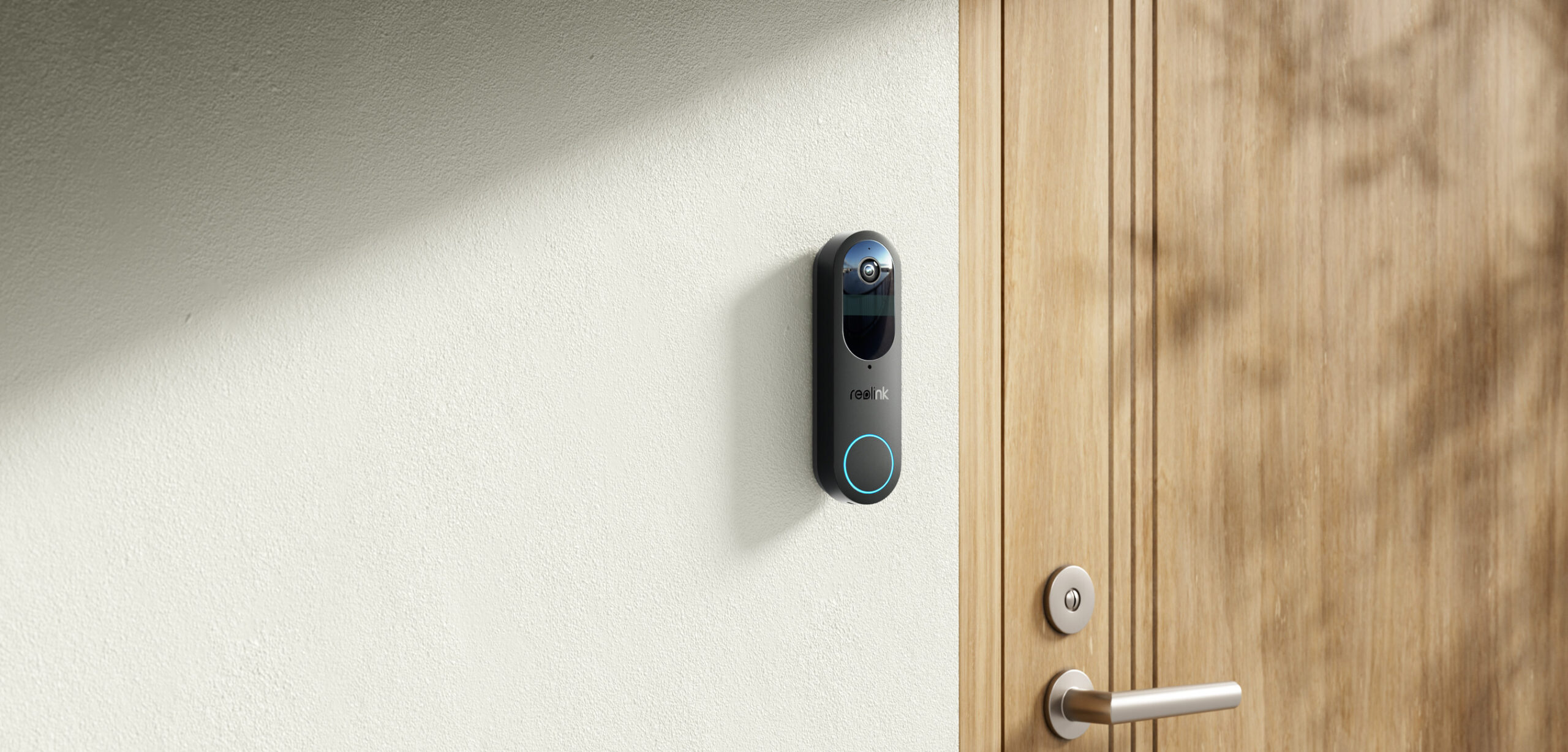
Reolink Launches Industry-First 2K 4MP Battery-Powered Doorbell with 1:1 Aspect Ratio, Redefining Smart Home Security
Reolink industry-first 2K 4MP Battery Doorbell with 1:1 Head-to-Toe Vi
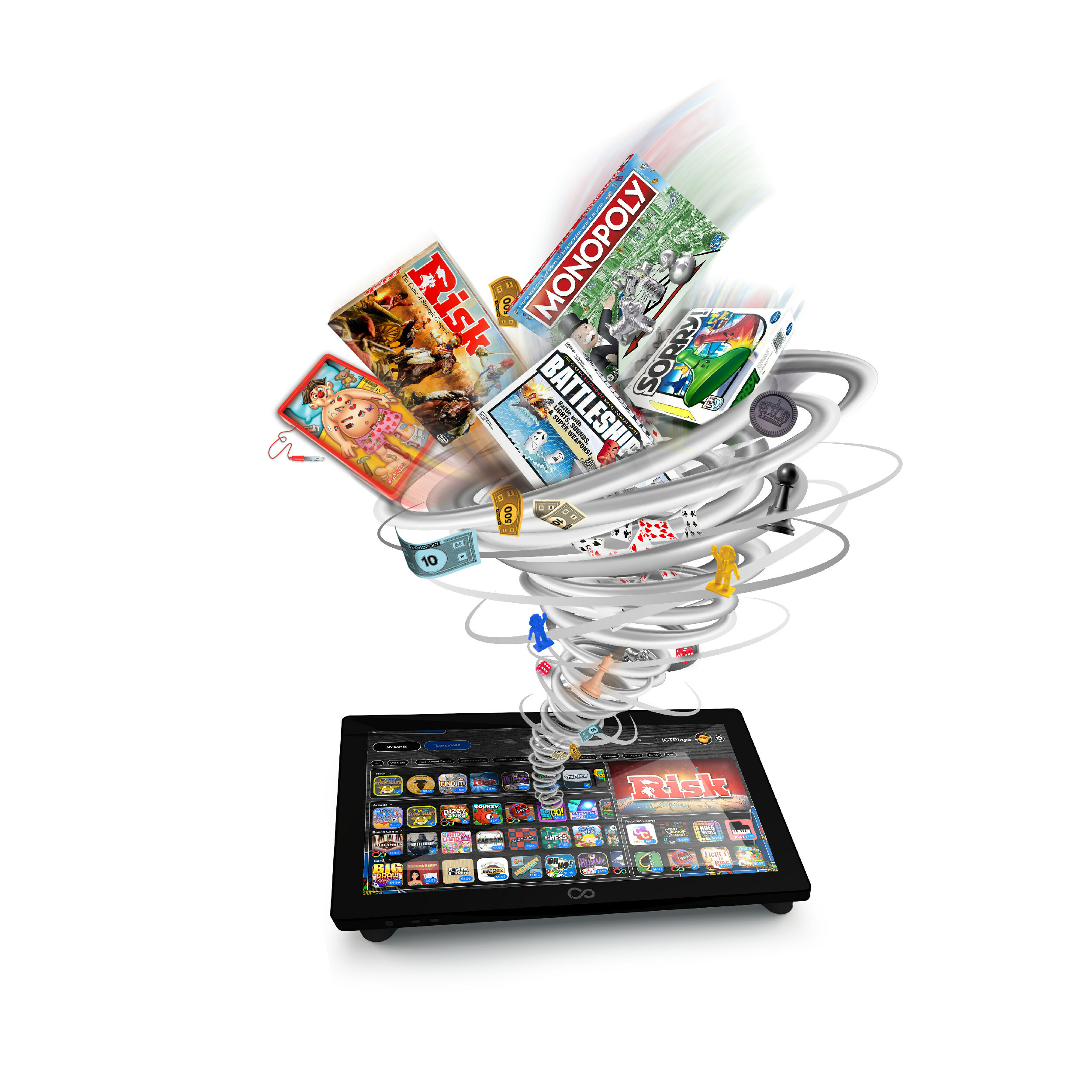
Arcade1 Up Ascends the Ranks Among Major Gaming Hardware Brands
Arcade 1up fourth largest in gaming hardware.

BodyPark’s ATOM Just Raised the Bar for AI in Fitness—And Everyone Else Is Playing Catch-Up
Forget Tracking Steps

Google’s A24 Deal Is Less About a Film Library Than the Production Pipeline
The Invisible Engine of Hollywood