

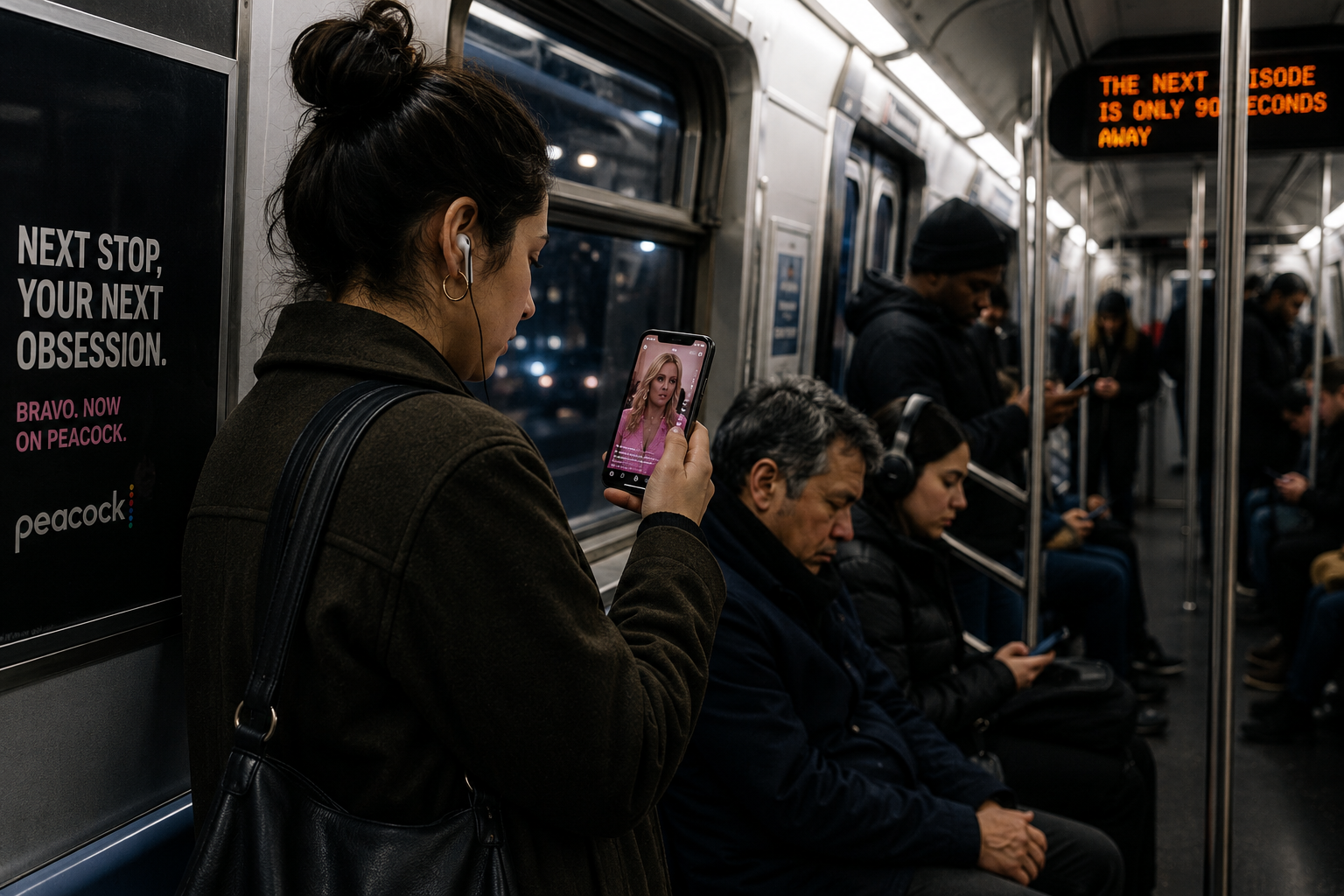
Bravo May Have Solved What Quibi Couldn’t
By Lawrence Tracer
Quibi failed because Hollywood misunderstood what phones were for.
The industry assumed people wanted premium television compressed into shorter runtimes. Expensive productions. Movie stars. Cinematic storytelling redesigned for mobile screens. The future, executives believed, was prestige entertainment delivered faster.
But phones were never miniature televisions.
They were behavioral environments.
And that distinction may explain why NBCUniversal’s latest move into vertical micro-content feels far more important than another short-form experiment.
Because Peacock and Bravo are not trying to force traditional television into the phone anymore. They appear to be adapting entertainment around the behavioral rhythms the phone already created.
That is a very different strategy.
The company’s new mobile-first vertical programming initiative does not begin with prestige scripted dramas or cinematic world-building. Instead, it begins with Bravo personalities, reality-driven ecosystems, and ultra-short serialized emotional loops designed for fragmented attention windows.
That may sound smaller than Quibi’s original ambition.
In reality, it may be far smarter.
Quibi approached mobile entertainment like Hollywood entering a new distribution channel. NBCUniversal appears to be approaching it like behavior itself has changed.
And behavior is always the deeper infrastructure story.
People do not use phones the way they use televisions. Television historically demanded dedicated attention. It asked viewers to arrive somewhere physically and psychologically. Living rooms were built around that relationship. Network schedules depended on it. Entire entertainment economies formed around synchronized viewing rituals.
Phones operate differently.
Phones live inside interruption.
Inside waiting.
Inside transit.
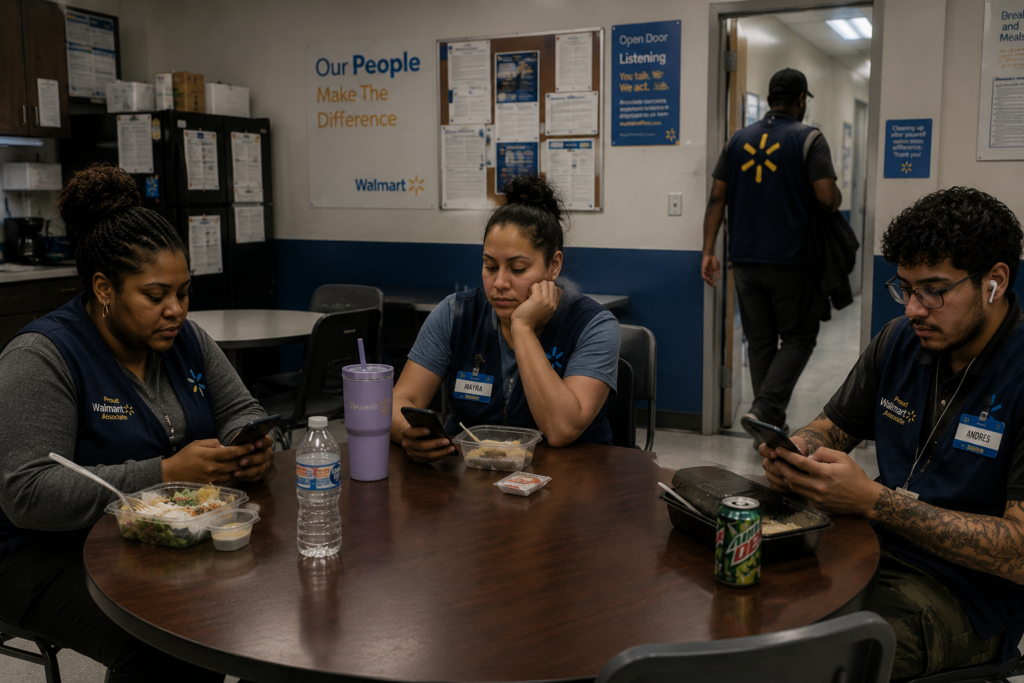
Inside labor recovery.
Inside emotional decompression.
Inside the fragmented spaces between obligations.
They are not ceremonial devices.
They are environmental ones.
That changes storytelling grammar completely.
Traditional television was optimized around duration. Thirty-minute episodes. Hour-long dramas. Seasonal arcs. Long-form immersion. Mobile-native entertainment is increasingly optimized around emotional immediacy. Fast recognition. Rapid continuation. Cliffhangers engineered for return behavior. Personality familiarity replacing slow narrative onboarding.
This is why Bravo matters so much in this story.
Bravo personalities already function like social infrastructure. Audiences do not simply watch them. They monitor them. Discuss them. Meme them. Carry them across platforms. React to them continuously. Bravo spent years unintentionally training viewers for perpetual personality-based engagement loops long before TikTok normalized scroll-native emotional consumption.
NBCUniversal may have realized something Quibi never fully understood:
phones favor continuity over immersion.
That changes which entertainment formats survive compression.
Prestige drama often depends on atmosphere, pacing, visual patience, and environmental tension. Reality ecosystems survive because they are emotionally immediate. The audience already understands the personalities, stakes, and social dynamics before the episode even begins.
That dramatically lowers friction.
And friction is now one of the defining battles inside entertainment.
The modern viewer is no longer deciding only what to watch. They are deciding whether something deserves interruption of everything else competing for attention simultaneously:
group chats,
notifications,
music,
social feeds,
work fatigue,
commutes,
errands,
second-screen habits,
algorithmic distraction.
The phone is not replacing television.
It is restructuring the conditions under which television can exist.
That may ultimately become one of the defining entertainment shifts of this decade.
For years, vertical storytelling existed inside the cultural category of “internet content.” Disposable. Youth-oriented. Adjacent to “real” entertainment. But the moment a company like NBCUniversal begins building dedicated vertical infrastructure inside Peacock itself, the category changes. This stops being creator experimentation and starts becoming institutional adaptation.
That is the real signal here.
And notably, NBCUniversal does not appear to be treating vertical video as marketing support for traditional programming. It is beginning to treat it as programming architecture itself.
That distinction matters enormously.
Hollywood historically organized itself around physical environments:
movie theaters,
living rooms,
cable bundles.
Now entertainment is reorganizing itself around behavioral environments instead.
Communal viewing.
Ambient viewing.
Mobile-native viewing.
Three different attention systems.
Three different pacing structures.
Three different economic futures.
Communal viewing still belongs to spectacle: theaters, live sports, event television, cultural moments large enough to justify collective focus.
Ambient viewing belongs to streaming comfort: familiar series functioning as background companionship while life continues around them.
But mobile-native viewing operates differently. It is designed for interruption-compatible emotional consumption. Entertainment optimized not to stop the world, but to move alongside it.
That may be the breakthrough Quibi never fully reached.
Quibi attempted to bring Hollywood prestige into the phone.
Bravo may have realized the phone already created its own entertainment language.
And increasingly, the companies that survive the next era of media may not be the ones creating the most content.
They may be the ones best understanding the environments where attention now lives.
Related Posts
Prime Video by Amazon to Introduce Advertisements for Subscribers
Amazon is introducing a novel approach to generate revenue

Meta Doesn’t Need to Invent the Future When It Already Owns the Audience
By Donald Fredricks The technology industry has long been obsessed wit
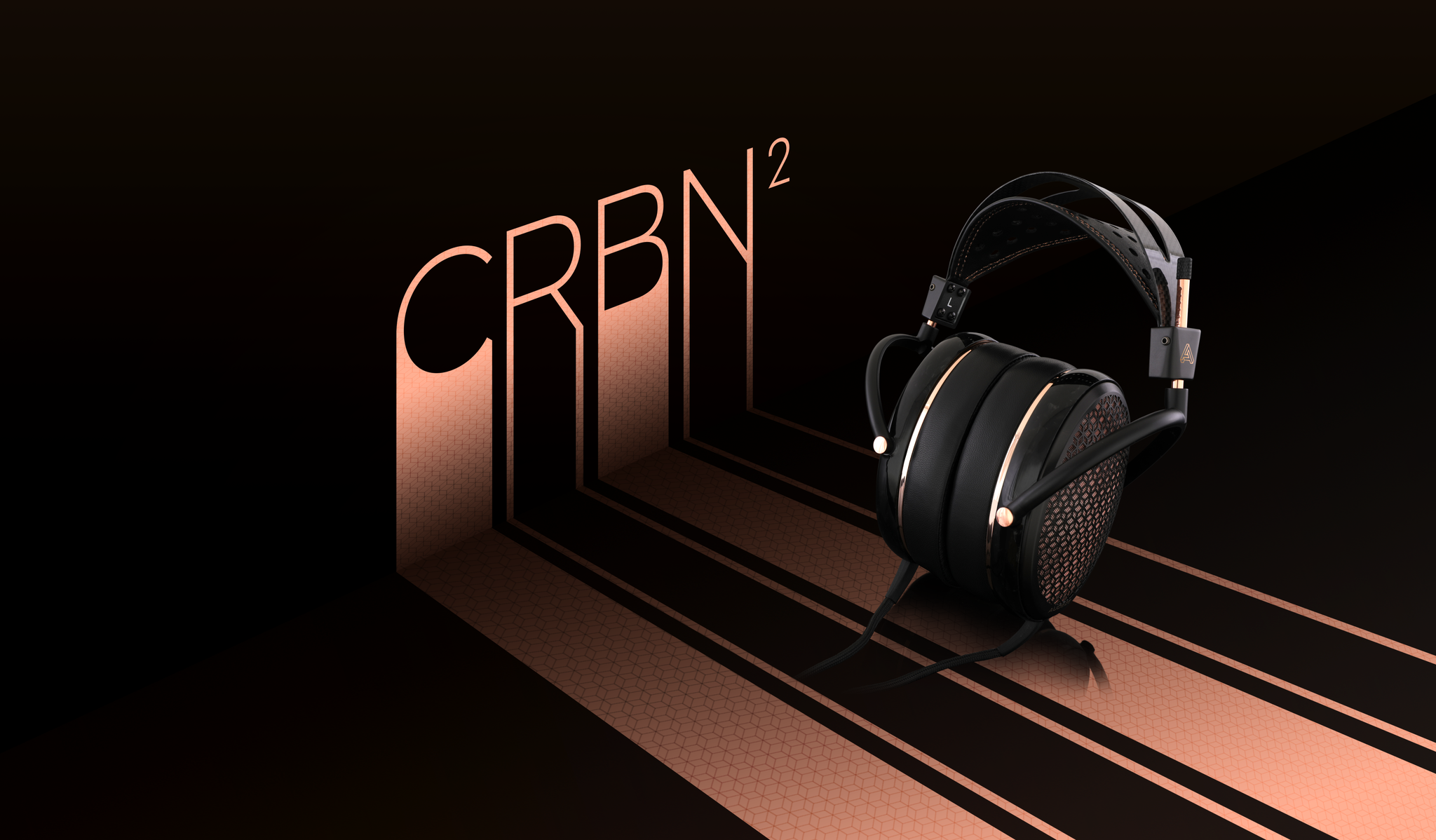
Audeze Unveils CRBN2: Redefining Electrostatic Headphone Technology with SLAM Innovation
AUDEZE ANNOUNCES CRBN2 ELECTROSTATIC HEADPHONES
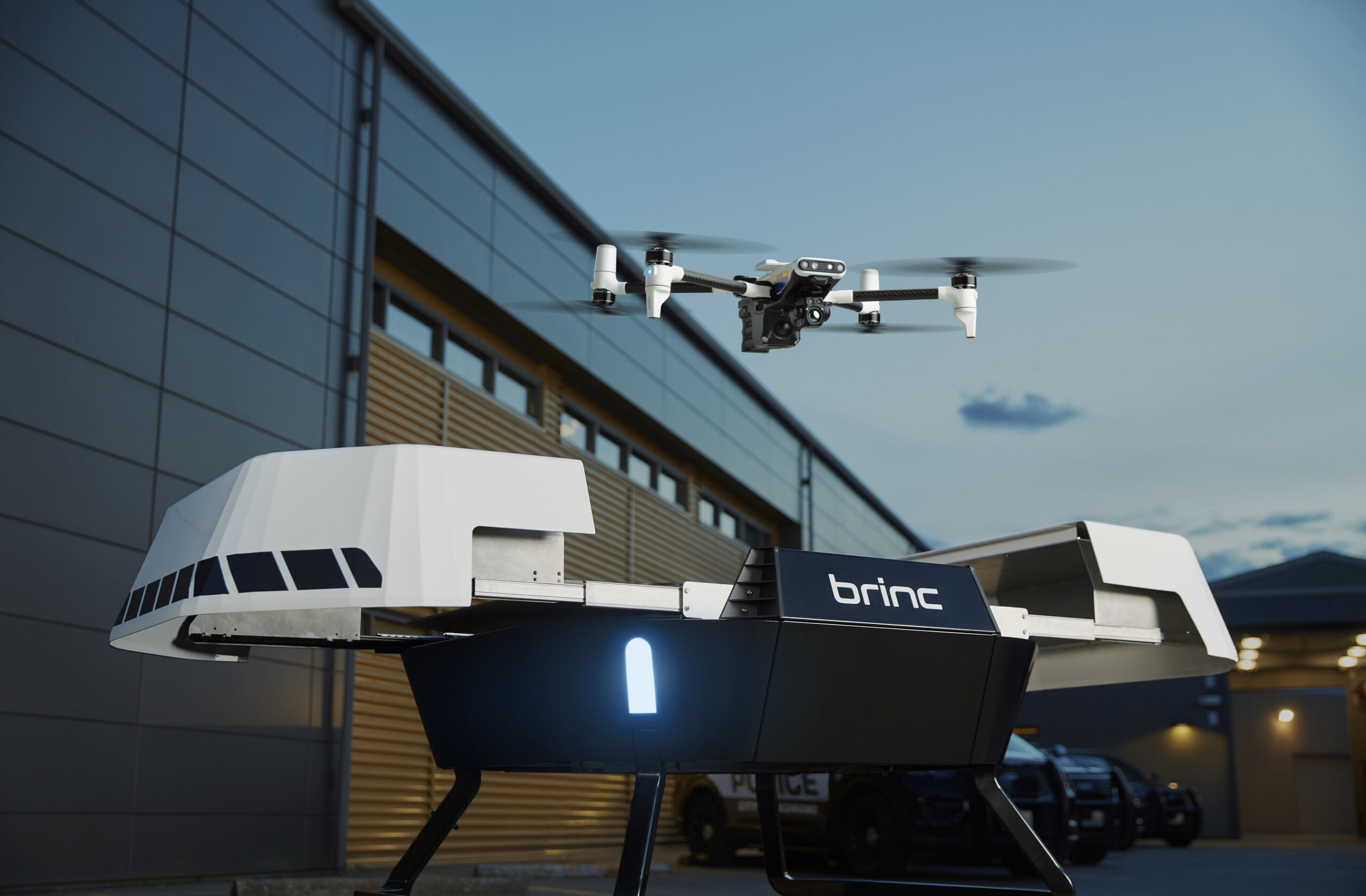
BRINC Unveils First-Ever Drone Designed for 911 Emergency Response
BRINC Unveils Revolutionary Drone as First Responder System

Leica Camera AG Unveils the Leica D-Lux 8: A Perfect Blend of Design and Functionality
Leica Camera AG has introduced the Leica D-Lux 8.
Epic Games Unveils Trailer for The Weeknd’s Fortnite Festival Concert
Epic Games has officially unveiled a trailer for its collaboration wit