

Nike’s Formula 1 Partnership Signals a Bigger Shift in the Business of Racing
By Pierre Lucas
There is a particular kind of excitement surrounding Formula 1 that extends well beyond the sound of an engine or the final lap of a race. It can be found in the crowds arriving at a Grand Prix, the jackets worn by fans, the conversations surrounding drivers, and the growing presence of racing in fashion and entertainment. For many people, Formula 1 has become more than a competition they follow. It is a culture they participate in.
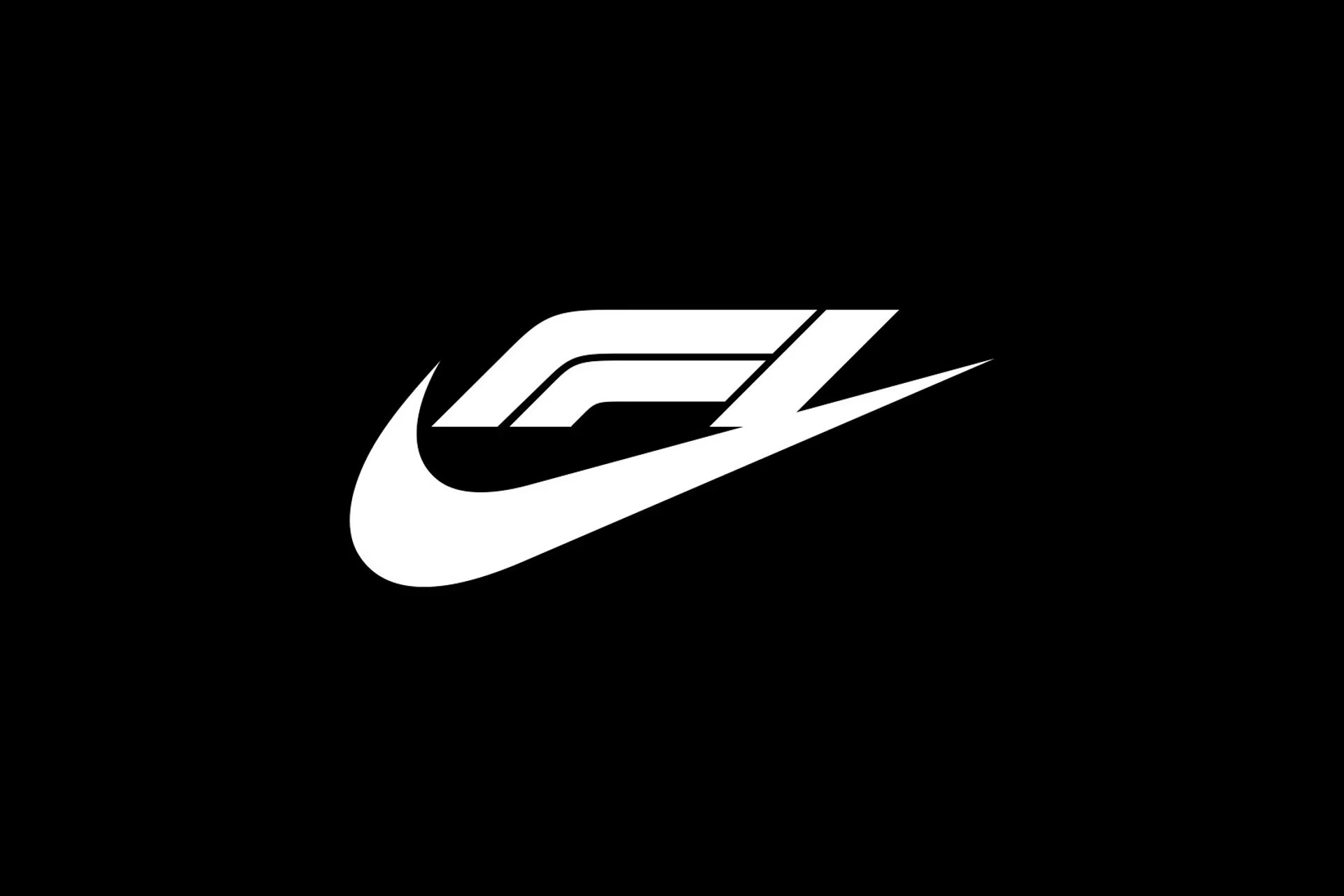
Nike’s newly announced partnership with Formula 1 arrives at an important moment in that evolution. Beginning with the 2027 racing season, the American sportswear company will become an official partner of Formula 1 and the championship’s official apparel and uniform supplier, outfitting Formula 1 personnel at events around the world. The long-term agreement also includes consumer footwear, apparel, accessories, race-weekend experiences, and a separate partnership with F1 Academy, the all-female racing series supporting the development of young women in motorsport.
Announced in November 2026, the agreement represents more than another familiar logo entering a sporting environment. It places one of the world’s most recognizable athletic brands inside a championship that has spent recent years expanding its commercial influence across entertainment, fashion, and global consumer culture.
Nike President and CEO Elliott Hill connected the two organizations through their shared emphasis on athletic performance and innovation. “Formula 1 is driven by competition, speed and a constant push to innovate,” Hill said in the company’s announcement. “That’s an athlete mindset, and it’s one we share at Nike.”
The relationship is new at the championship level, but Nike’s history with Formula 1 reaches back three decades. In 1996, the company signed Michael Schumacher to an endorsement agreement, establishing a relationship with one of racing’s most recognizable figures. The collaboration included specialized footwear associated with the German driver and reflected Nike’s ambition to establish its presence across different sports and international markets. More recently, limited custom Nike footwear appeared in connection with Cadillac’s entry into Formula 1 in 2026. What distinguishes the new agreement is its reach across the championship itself, rather than an individual driver or limited product project.
Nike will succeed Puma as Formula 1’s official apparel and uniform supplier in 2027, a transition that reflects the competition among global sportswear companies for a place within motorsport’s commercial landscape. Puma has an established history in racing, including relationships with individual teams, and those arrangements should not be confused with the championship-wide agreement Nike is assuming. Formula 1 teams maintain their own commercial partnerships, and the Nike announcement does not establish that the company will outfit every driver or team on the grid.
That distinction matters because Formula 1 is not a single merchandise operation. Its commercial identity exists alongside those of the teams, drivers, sponsors, and other organizations that make up the sport. Nike is entering the championship’s broader commercial environment, where the Formula 1 name carries value independent of any particular team or race result.
The scale of that value has grown substantially.
According to Liberty Media’s financial reporting, Formula 1 generated approximately $3.87 billion in revenue during 2025, an increase of roughly 14 percent from the previous year. Attendance across the season reached approximately 6.75 million, while Formula 1 has estimated its worldwide fanbase at more than 800 million people. That audience estimate is based on the championship’s research rather than a count of individual paying customers, but it illustrates the international reach that makes the sport attractive to global consumer brands.
The business has also become increasingly capable of connecting with audiences through experiences that do not require an intimate knowledge of racing. A person may discover Formula 1 through a documentary, recognize a driver through social media, attend a race weekend because of its entertainment programming, or become interested in the clothing associated with a team. Each represents a different point of entry into the same sporting world.
That is part of what makes the Nike partnership commercially interesting. A championship can sell access to its competition through broadcasting and ticketing, but its identity can also exist in products people wear in everyday life. A jacket purchased in Las Vegas may eventually appear on a street in London, Tokyo, or Los Angeles, carrying an association with Formula 1 far beyond the circuit where the relationship began.
Nike understands that relationship between athletic performance and cultural identity. Its influence has long extended beyond the sports in which its products are used. Basketball shoes become everyday fashion. Running apparel becomes part of streetwear. Athletic partnerships create recognizable visual identities that continue to circulate long after a particular competition has ended.
Formula 1 offers a different environment for that experience, one built around international travel, engineering, competition, and the distinctive imagery of motorsport. The opportunity for Nike is to translate elements of that environment into products that appeal to both dedicated racing followers and consumers drawn to the sport’s wider culture.
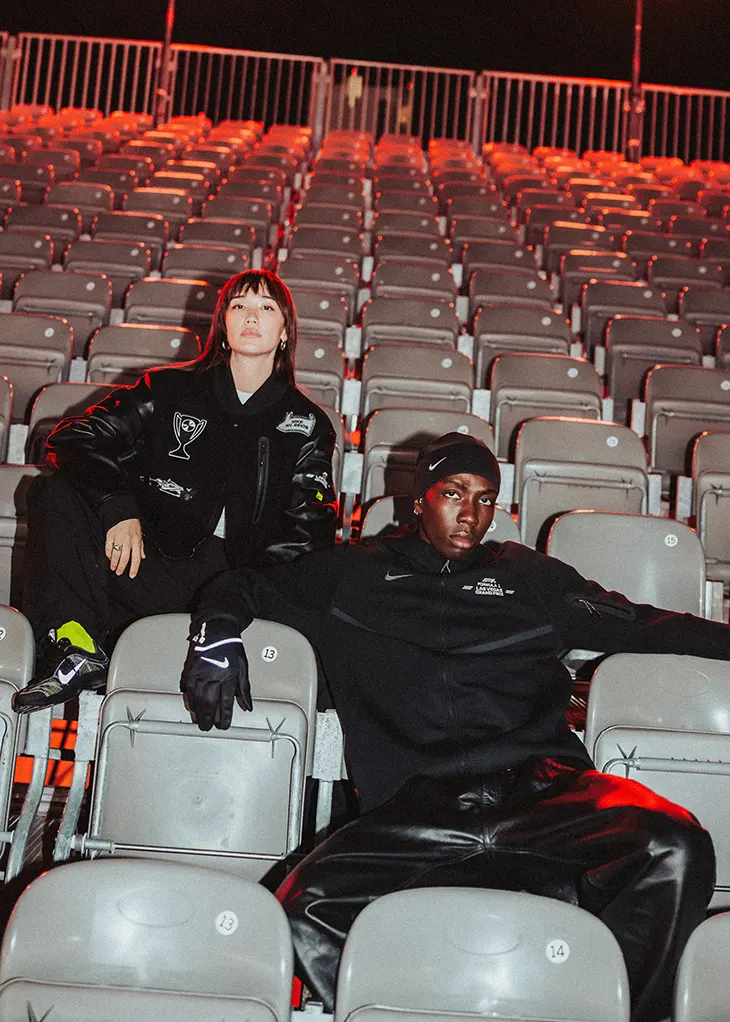
The first public expression of the agreement is a limited Nike x Las Vegas Grand Prix collection, set to debut November 20 at Nike’s Las Vegas store at Caesars Palace and the F1 Hub at The Venetian Resort Las Vegas. The collection introduces the partnership during a race weekend that already combines sporting competition with entertainment, hospitality, and fashion.
Las Vegas is a fitting setting for the introduction. Its Grand Prix occupies a distinctive place on the Formula 1 calendar, with racing taking place against the illuminated backdrop of one of the world’s most recognizable entertainment destinations. The event is both a sporting contest and a gathering that draws attention from audiences beyond traditional motorsport followers.
Launching merchandise in that environment allows Nike and Formula 1 to connect a product release with the experience of attending a major cultural event. It also offers an early indication of how the organizations intend to approach their relationship: not simply through uniforms worn by employees, but through products and experiences designed for the people surrounding the sport.
The financial results of the initial collection have not been disclosed, and neither company has announced the commercial value of the broader agreement. Its precise duration has also not been specified publicly. Questions about licensing fees, royalties, retail margins, and ownership of jointly developed product designs remain unanswered.
Those details matter because the business of sports merchandise involves more than the visibility of a brand. Licensing arrangements determine how intellectual property can be used, how products reach consumers, and how revenue is distributed. The public announcement establishes Nike’s role as an official Formula 1 partner and supplier, but it does not demonstrate that Nike has acquired control over the championship’s entire merchandise business or the independent commercial rights of its teams.
For Formula 1, the relationship creates another opportunity to extend the value of its identity beyond the race itself. For Nike, it provides an official platform within a sport whose international audience continues to expand. The financial benefits to either organization will become clearer only as the partnership develops and additional information becomes available.
There is another part of the agreement that deserves attention beyond the consumer collections.
Nike will also become an Official Partner and Official Sporting Apparel Partner of F1 Academy, the all-female racing series established to support the development of young women in motorsport. Under the agreement, Nike intends to work closely with drivers to understand their performance needs and incorporate those insights into future apparel.
This is a meaningful distinction from a conventional sponsorship built primarily around branding. Racing places particular demands on athletes, whose clothing must function within a specialized environment. The possibility of developing products informed by women competing in that environment introduces a practical dimension to the relationship.
The announcement does not identify specific new products, development schedules, or performance improvements already achieved. Those outcomes remain prospective. Nevertheless, the commitment to involve F1 Academy drivers in the design process recognizes that the athletes themselves can contribute knowledge that may influence how future products are developed.
It also gives Nike a relationship with a younger generation of competitors at a time when women’s participation and visibility in motorsport remain important areas of development. F1 Academy operates within a sporting environment historically dominated by men, and its growth offers opportunities for athletes, sponsors, and manufacturers to reconsider how female drivers are supported.
The success of Nike’s involvement will ultimately depend on what the collaboration produces, how meaningfully athletes participate, and whether its benefits extend beyond promotional visibility. For now, the agreement establishes an intention to develop performance apparel with driver input, rather than evidence of a completed transformation.
Formula 1 President and CEO Stefano Domenicali has framed the broader partnership in ambitious terms. “This is far more than a commercial partnership,” he said, describing the relationship as an opportunity for the two organizations to expand their cultural influence.
That statement captures the aspirations behind the agreement, although its eventual results will need to be judged independently of the language surrounding the announcement.
There is a difference between a partnership that generates immediate attention and one that becomes a lasting part of how a sport connects with its audience. The first can be achieved through a recognizable logo, a limited collection, or a highly visible launch. The second requires products people continue to want, experiences they find meaningful, and a commercial relationship capable of sustaining interest beyond its introduction.
For Nike, the challenge will be translating Formula 1’s identity into something distinctive without reducing the sport to another familiar fashion graphic. Racing already has its own visual history, shaped by team colors, technical clothing, sponsor identities, and generations of fans who associate particular designs with particular moments in the sport. Entering that world requires an understanding of what makes it recognizable.
For Formula 1, the challenge is slightly different. Its growing cultural reach creates opportunities to welcome new audiences, but the championship must continue to maintain the competitive identity that gives those opportunities their value. The sport’s appeal ultimately begins with the drivers, teams, engineering, rivalries, and uncertainty that unfold on the circuit. Fashion and entertainment can extend that appeal, but they cannot replace its foundation.
The Nike agreement reflects how those two worlds increasingly coexist. The commercial business surrounding a sporting championship can become much larger than the event itself, while still depending on the authenticity of the competition at its center.
There is something revealing about the fact that the partnership’s first public introduction is a clothing collection rather than a piece of racing equipment. It illustrates how Formula 1 is approaching its audience not only as spectators who watch a race, but as people who may want to carry part of that experience into their everyday lives.
The importance of the agreement is not that Nike has suddenly made Formula 1 fashionable. The sport’s relationship with style, identity, and consumer culture was established long before this announcement. What Nike’s arrival demonstrates is how valuable that relationship has become to companies whose businesses extend across sport and everyday life.
The coming seasons will determine whether the partnership produces meaningful innovation, commercially successful collections, and lasting opportunities for F1 Academy athletes. Those results cannot yet be assumed.
What is already clear is that Formula 1 has developed into a sporting property whose influence travels far beyond the finish line. Nike’s decision to become part of that world reflects a larger change in the business of modern racing. The competition remains at its center, but the culture surrounding it has become a business of its own, shaped by the people who follow it, the identities they embrace, and the companies seeking a place in their everyday lives.
Related Posts

It’s Not That Serious, But It’s Seriously Cool: Inside Ricky Ubeda’s Dance Film
Groove, Laugh, Repeat

Fate Takes a Turn: Jackpot and Black Cat Unveil Their Luckless Alliance in a Fresh Team-Up Series
Marvel’s Unluckiest Pair

Casio Unveils the GBD-300: The Latest Addition to the G-SHOCK G-SQUAD Line
G-SHOCK releases Workout Logs with More Comfortable Fit

Ryan Coogler’s Creative Infrastructure
From film school collaborations to the Oscars
Stack Athletics Unveils New Summer 2024 Pickleball Apparel Collection
Stack Athletics Unveils New Summer Pickleball Apparel Collection
How Inter Alia Is Revealing the Bigger Business of Broadway
The stage is only the beginning
POST COMMENT