

JAY-Z Will Headline the Super Bowl Halftime Show He Helped Shape
By DaMarko GianCarlo
For seven years, JAY-Z has helped shape who stands at the center of the Super Bowl halftime show. In February, that person will be him.
The NFL, Apple Music and Roc Nation announced on October 26 that JAY-Z will headline the Apple Music Super Bowl LXI Halftime Show on February 14, 2027, at SoFi Stadium in Inglewood, California. The performance will air on ESPN, ABC and Disney+, bringing one of hip-hop’s most influential figures to a stage his own company has helped shape since 2019.
The significance extends beyond the selection of another major performer. JAY-Z occupies an unusual position in the event’s history. He is both an artist whose recordings helped redefine hip-hop’s commercial and cultural possibilities and an executive whose company has become integral to the NFL’s presentation of music.
For years, those roles have existed on opposite sides of the production. Now they are converging.
When Roc Nation entered its partnership with the NFL in 2019, the agreement established the company as a strategic entertainment adviser, with responsibilities involving live performances, the halftime show and the league’s broader cultural initiatives. It arrived during a period of intense scrutiny surrounding the NFL’s treatment of Colin Kaepernick and its response to players protesting racial injustice.
JAY-Z’s decision to work with the league was met with both support and criticism. Some viewed the partnership as an opportunity to influence an institution from within. Others questioned whether collaborating with the NFL could meaningfully address the concerns that had made its relationship with Black artists so contentious.
The disagreement reflected a larger question about the relationship between cultural influence and institutional power. JAY-Z was no longer participating solely as an artist seeking access to a prominent platform. He was becoming part of the structure helping determine how that platform would be used.
Over the following years, the halftime show featured Jennifer Lopez and Shakira, The Weeknd, Dr. Dre alongside Snoop Dogg, Eminem, Mary J. Blige and Kendrick Lamar, followed by Rihanna, Usher, Kendrick Lamar as a solo headliner, and Bad Bunny. The performances brought different musical histories and cultural identities to one of television’s largest audiences.
Roc Nation did not create the Super Bowl’s cultural significance, nor did it independently control every element of those productions. But its involvement helped establish a sustained relationship between the NFL and artists whose influence extended beyond conventional pop entertainment.
JAY-Z became one of the people helping determine what that relationship looked like.
Yet the possibility of his own performance had existed from the beginning.
NFL Commissioner Roger Goodell revealed in the official announcement that he had made a request when the league first reached its agreement with Roc Nation: that JAY-Z eventually take the stage himself, whenever the timing felt appropriate.
The admission reframes the announcement. This was not simply an opportunity that emerged during the search for a 2027 headliner. It was a possibility that had remained open while JAY-Z helped bring other performers to the event.
His own explanation for waiting offers a more personal perspective.
Speaking with Entertainment Tonight in 2024, JAY-Z acknowledged that he had considered performing but believed selecting himself too early would have been inappropriate.
“I thought it would be selfish to pick myself too early. Maybe one year. Maybe.”
The hesitation is revealing. An artist whose career has been defined partly by ambition, confidence and control was acknowledging that the opportunity carried responsibilities beyond his own desire to perform.
The halftime show is not simply another concert booking. Its musical choices are examined through questions of representation, commercial appeal, artistic achievement and cultural relevance. For someone involved in helping select its performers, choosing himself would inevitably invite a different level of scrutiny.
Waiting allowed Roc Nation’s relationship with the NFL to develop through the work of presenting other artists. It did not eliminate the questions surrounding the influence JAY-Z exercises over the event, particularly now that he has become its headliner. But it established a distinction between building the platform and eventually accepting a place on it.
The timing also connects the announcement to a defining anniversary in his recording career.
In 1996, JAY-Z released Reasonable Doubt, an album built around ambition, survival, wealth and the consequences of pursuing a different life. Its detailed storytelling and controlled perspective established the foundation for a career that would eventually extend far beyond recorded music.
Thirty years later, he has spent 2026 revisiting that beginning.
His JAY-Z 30 celebration included three sold-out concerts at Yankee Stadium, performances in London and Paris, and two October appearances at SoFi Stadium, the same venue where he will headline the Super Bowl. The anniversary also brought renewed attention to The Blueprint, which marked its 25th anniversary this year.
Together, those recordings represent different stages of an artistic identity that continued evolving through The Black Album and the more reflective 4:44. Across those projects, JAY-Z moved between street narratives, commercial success, personal responsibility and the complications of extraordinary wealth.
His catalog provides considerable possibilities for a halftime performance, but also a creative challenge. A show emphasizing his earliest recordings would tell a different story from one built around his crossover hits or the collaborations that helped broaden his audience.
The set list, potential guests and overall creative direction have not been announced. What remains to be seen is how an artist with three decades of material will translate that history into a performance designed for a global television audience.
JAY-Z acknowledged the distance traveled in his statement accompanying the announcement.
“From Reasonable Doubt to standing on the Super Bowl Halftime stage, this has been a journey,” he said.
That journey has involved more than the accumulation of awards, record sales and business interests. It has also changed the ways JAY-Z exercises influence.
As an artist, his impact came through music that shaped the language, ambitions and commercial possibilities of hip-hop. As an executive, his influence increasingly involves the institutions, partnerships and opportunities through which other artists reach audiences.
The NFL relationship is among the clearest examples of that transition.
Roc Nation will executive produce the Super Bowl LXI halftime telecast, with Hamish Hamilton serving as director. The company will also continue its role as strategic entertainment adviser, placing JAY-Z’s performance within the same production relationship his organization has helped develop.
Apple Music occupies another important position in that arrangement. Since becoming the halftime show’s presenting sponsor, the streaming platform has used the event to connect live television with artist programming, digital experiences and music discovery.
Oliver Schusser, Apple’s vice president of Music and International Content, acknowledged JAY-Z’s influence in the official announcement, describing his impact on global music culture as profound and undeniable.
The partnership reflects how the halftime show now operates across several industries simultaneously. It is a musical performance, a television production, a marketing platform and a global cultural event. The artists who appear there gain access to an audience far beyond their established listeners, while the companies involved participate in an entertainment moment whose influence extends beyond the game itself.
For JAY-Z, however, the arrangement creates a particularly interesting reversal. The executive who has helped determine how other artists occupy that space must now answer the artistic questions that come with occupying it himself.
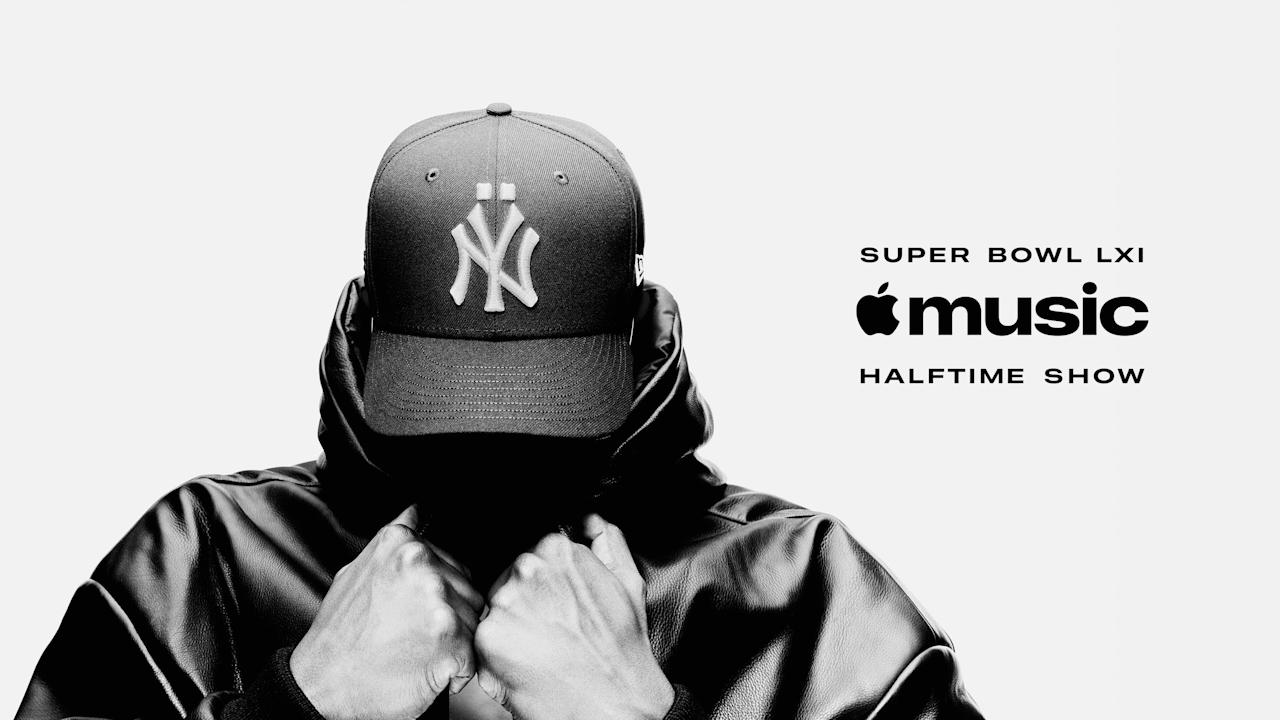
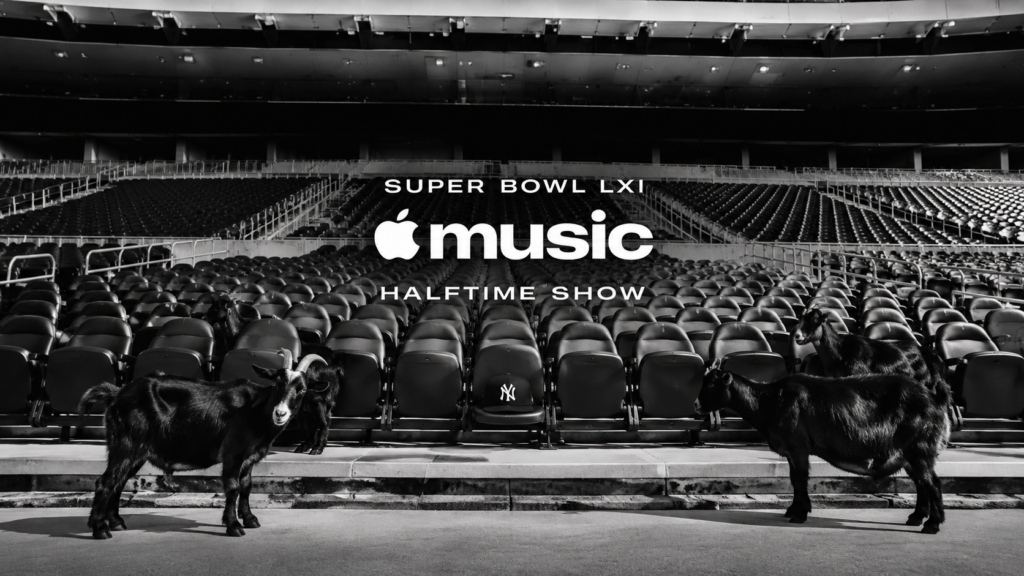
The announcement introduced that transition through a restrained black-and-white video. JAY-Z appeared seated among the empty rows of a stadium, accompanied by goats, a playful reference to the familiar greatest-of-all-time debate.
There was no performance, no crowd and no elaborate preview of the production to come. The image placed him inside the environment before the audience arrived.
For an artist whose involvement with the halftime show has largely taken place away from the microphone, the simplicity of the presentation carried its own meaning.
The person who helped shape what happens on the field was now being introduced as the person who would stand on it.
There is still a difference between influencing a cultural event and becoming its subject. Behind the scenes, JAY-Z has participated in decisions about which artists and musical histories deserve the visibility of the Super Bowl. Onstage, the responsibility becomes more immediate.
The performance will be judged not by the strength of his business relationships, but by the music, its presentation and the connection he establishes with the audience.
His influence cannot guarantee the outcome. Neither can the significance of the booking determine how the show will ultimately be remembered.
That uncertainty gives the moment its artistic stakes.
JAY-Z has spent much of his career expanding what an artist can own, influence and build. The Super Bowl now offers an opportunity that does not require him to demonstrate another business achievement. It asks him to return to the work that made those achievements possible.
The circumstances are unusual, but the underlying story is familiar: an artist revisiting the foundation of his career from a position he could not have occupied when that career began.
Thirty years after Reasonable Doubt, JAY-Z is preparing to perform on a stage he has spent years helping other artists occupy.
This time, the decisions made behind the scenes will give way to the performance itself.
And when the lights come up, the question will no longer be who JAY-Z believes should stand at the center of the show.
It will be what he chooses to say now that he is there.
Related Posts

Mutated Beasts and a Forbidden Island: Jurassic World Roars Back
The Dinosaurs Have Won—Now What?

Ralph Lauren Is Bringing Skateboarding Into the American Archive
From Subculture to Institution

Jacquemus and Four Seasons Unite for the First Time at The Ocean Club, A Four Seasons Resort, Bahamas
Jacquemus and Four Seasons Unite for the First Time at The Ocean Club

From Manhattan to Mayfair: “Only Murders in the Building” Heads to London in Season 6 Renewal
Murder, Mystery & Luxury

Get ready for the chilling preview of ‘Strange Academy: Blood Hunt’ #1 as it unleashes a vampire horde upon the streets of New Orleans!
BLOOD HUNT looms over the Marvel Universe

2024 Welcomes Rapid Arrival of Innovative Drivers by Cobra Golf
Cobra Golf takes a step beyond introducing its DARKSPEED drivers
POST COMMENT