

Sia’s $180 Million Catalog Deal Shows What Music Rights Are Becoming
By Nicole Lander
For decades, the value of a music catalog was largely understood through what it could continue to earn. Songs generated publishing royalties, master-recording income, licensing opportunities, radio play and, eventually, streaming revenue. A successful catalog could keep producing long after the moment that created it had passed. But Sia’s new partnership with Pophouse Entertainment points toward something larger. The songs are no longer only assets capable of generating revenue. They can become the foundation for entirely new entertainment properties.
On October 1, Pophouse announced that it had acquired a 50 percent stake in Sia’s publishing and master music rights. The company did not disclose the price, but legal filings connected to Sia’s divorce reportedly value the transaction at $180 million, effectively implying a $360 million valuation for the full catalog. The agreement does not include Sia’s name, image or likeness rights, and the transaction remains subject to customary closing conditions. Pophouse
That alone would make it one of the more significant music-rights transactions of the year. But the more consequential part of the story is what Sia and Pophouse intend to do next.
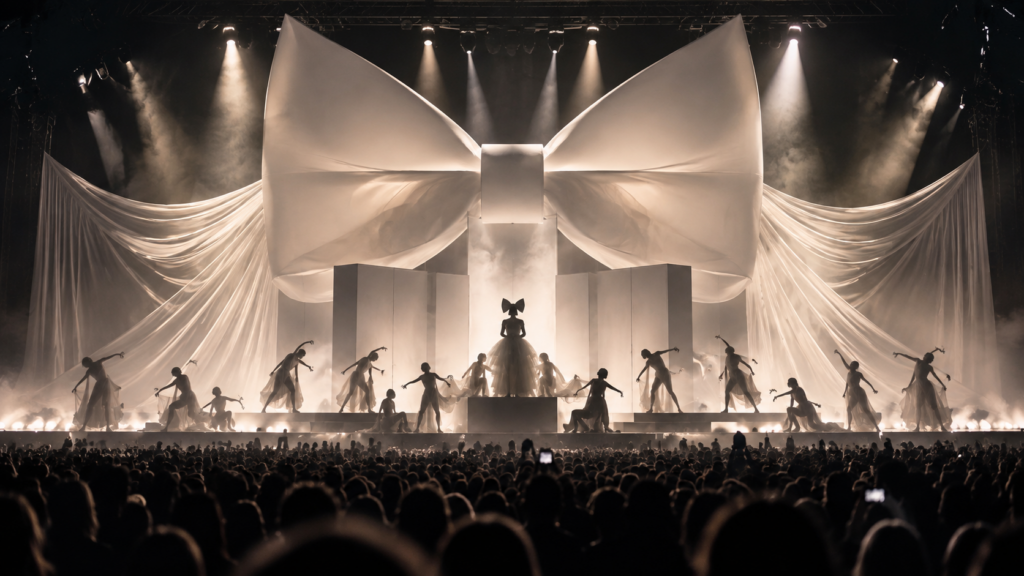
The partnership is already being connected to plans for an immersive digital performance built around Sia’s music and vocals. According to reporting from Rolling Stone, the production could incorporate not only songs Sia recorded herself but music she wrote for other artists, including Rihanna’s “Diamonds.” The project remains in its earliest stages, is at least a couple of years from debuting and could eventually travel to selected cities. Archive
That changes the way the catalog should be understood.
Pophouse has not simply purchased a share of songs like “Chandelier,” “Unstoppable,” “Elastic Heart” and “Cheap Thrills.” It has acquired a stake in the raw material from which another experience can potentially be built. The catalog becomes music library, narrative foundation and audience entry point at the same time.
Sia appears to understand that possibility herself. “It feels exciting to think about all the new and different ways these songs might get to live on and find people,” she said when announcing the partnership. Pophouse
The word live is important.
Catalog acquisitions have often been discussed as transactions around the past: established music with predictable audiences and decades of earning potential. Pophouse’s strategy increasingly asks a different question. Once a company controls or partners around culturally significant music rights, what else can those rights become?
There is already a working example.
Pophouse was a founding investor in ABBA Voyage, the London production that transformed ABBA’s music into a purpose-built digital performance featuring representations of the group alongside a live band. The company has subsequently assembled partnerships involving KISS, Cyndi Lauper, Avicii, Tina Turner, Iron Maiden, Swedish House Mafia and others. A KISS avatar production is also being developed for 2028. Music Business Worldwide
Sia may be particularly suited to that model because the separation between performer and physical presence has already been part of her creative language.
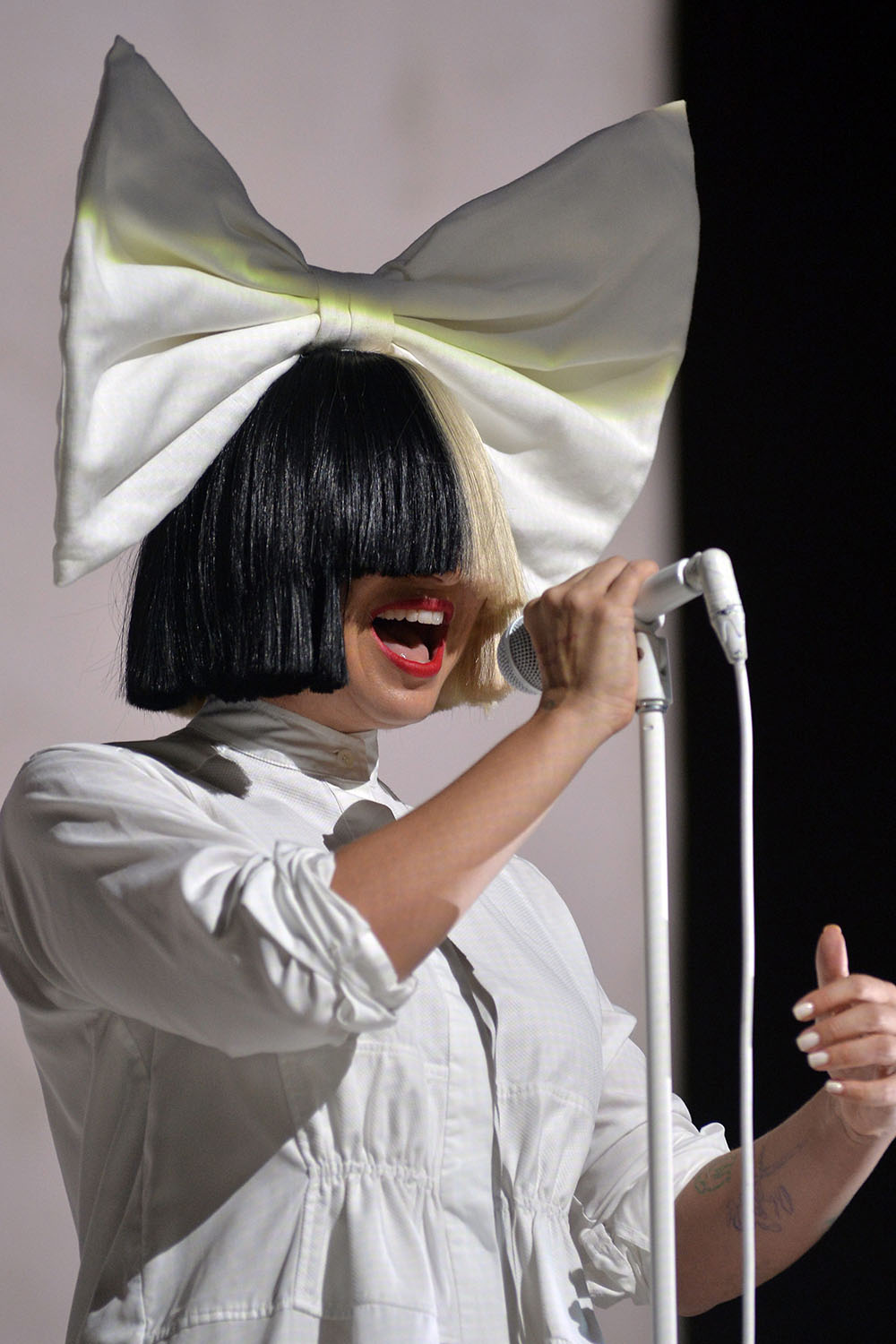
For much of her most commercially successful period, Sia deliberately obscured her face beneath oversized wigs while dancers and performers became extensions of the music. Choreography, silhouette and movement helped construct an identity that audiences could recognize even when the artist herself was not standing visibly at its center. Long before an immersive digital production was being discussed, Sia had already demonstrated that her creative identity could exist beyond a conventional presentation of celebrity.
That makes this project different from simply recreating an artist digitally.
There is already a world to build from.
The fact that Pophouse did not acquire Sia’s name and likeness makes that distinction even more significant. The company acquired a stake in the publishing and master rights while Sia retained those personal rights. Whatever eventually reaches audiences will therefore emerge from a partnership rather than from Pophouse simply owning every component of Sia as intellectual property. People.com
And the potential economic architecture extends far beyond ticket sales.
A successful performance can return older songs to streaming charts. It can create new licensing opportunities, merchandise, partnerships and renewed cultural attention around music that already exists. Instead of waiting for listeners to rediscover a catalog, rights holders can increasingly build the occasion that causes the rediscovery.
That is the larger play happening here.
Sia is not the first artist whose catalog has become the basis for something beyond recordings, and Pophouse is not treating every acquisition identically. But its growing portfolio makes the direction difficult to ignore. The company describes its own approach as combining music-catalog investment with artist-centered concept development, pointing directly to ABBA Voyage, ABBA The Museum, Avicii Experience and Mamma Mia! The Party as examples of what can happen when music rights are treated as material for experiences rather than passive holdings. Pophouse
That distinction may become increasingly important as the catalog market matures.
Owning valuable songs provides one kind of return. Creating new reasons for millions of people to experience those songs provides another.
For Sia, the eventual result remains theoretical. There is no finished show, no announced venue and no opening date. The digital production could change considerably before an audience ever sees it. Calling the project revolutionary today would mean getting ahead of something that has not yet been built.
But the transaction itself already tells us something.
Pophouse did not spend a reported $180 million for half of Sia’s music rights simply because those songs have a valuable history. The partnership is beginning from the premise that the catalog may still have entirely new lives ahead of it.
The next era of the music-rights business may not be defined only by who owns the songs.
It may be defined by who can build the next world around them.
Related Posts

2026 Breakthrough: Apple TV Becomes the Home of All MLS Action
No Blackouts, No Barriers
Adidas and Humanrace Redefine the Iconic Samba with Pharrell in Their Latest Collaborative Project
Adidas and Humanrace Redefine Samba
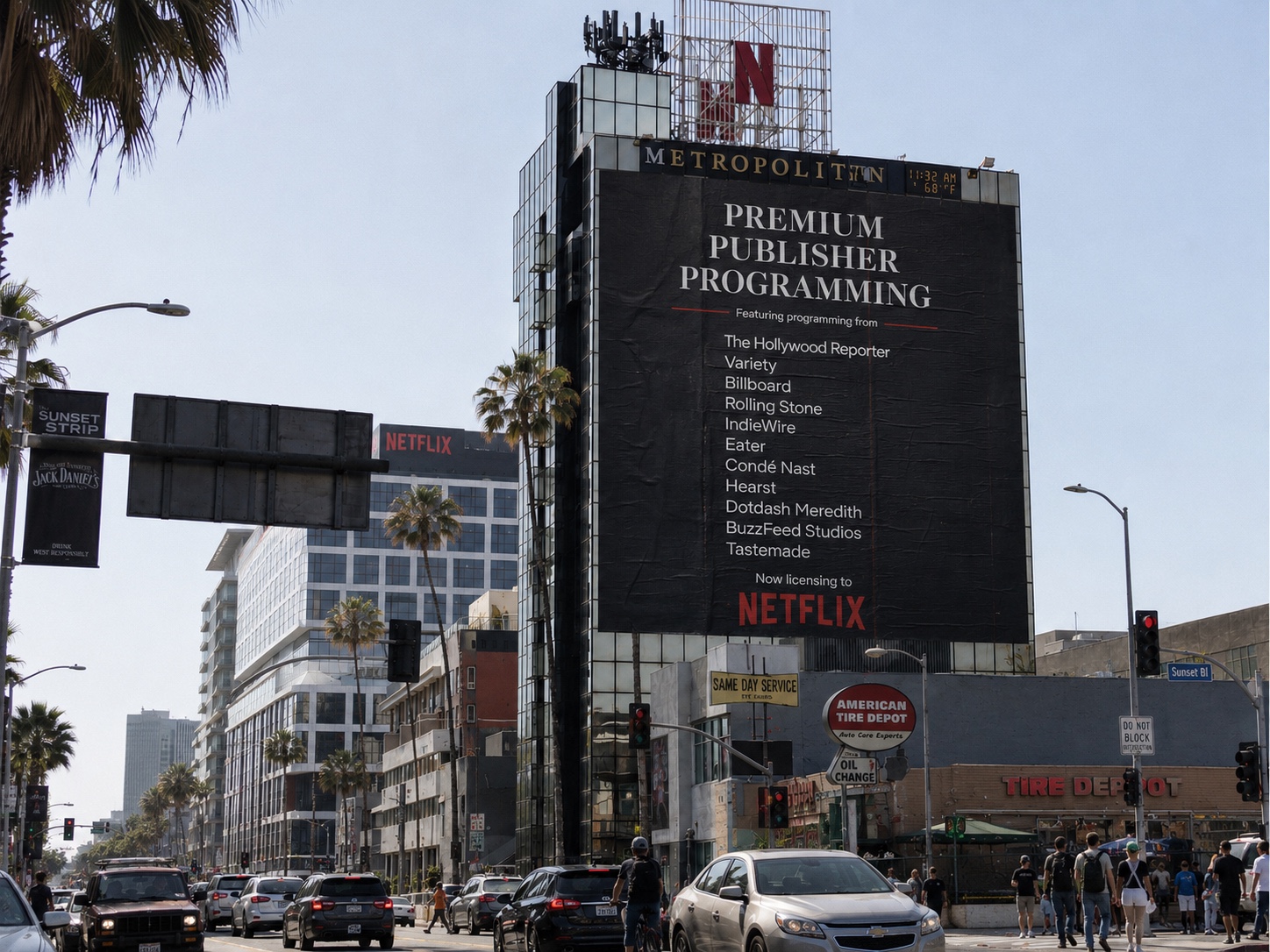
Netflix Is Licensing Premium Publisher Programming for Streaming
Inside Netflix's latest evolution in premium video distribution
A Taste of Havana Hits the Las Vegas Strip: Havana 1957 and Cortadito Coffee House Open at Flamingo Las Vegas
Havana 1957 And Cortadito Coffee House Bring A Cuban American Affair T

2024 Welcomes Rapid Arrival of Innovative Drivers by Cobra Golf
Cobra Golf takes a step beyond introducing its DARKSPEED drivers
Amiri Gives FC Barcelona a Style Makeover with Custom Formalwear
From LA to Camp Nou
POST COMMENT