

Hailey Bieber and Gap Show That the Next Generation of Brand Partnerships Is Built on Creative Credibility
By Claude McAdams
For decades, the formula behind celebrity partnerships was remarkably simple. Brands sought visibility, celebrities supplied attention, and campaigns were designed to convert recognition into sales. The relationship was transactional because the marketplace rewarded reach above all else.
That marketplace no longer exists.
Today, attention is abundant. Brands can purchase impressions across countless platforms, work with thousands of creators, and place products in front of millions of consumers almost instantly. Visibility has become easier to acquire than ever before.
Belief has not.
That shift is quietly changing the economics of brand partnerships.
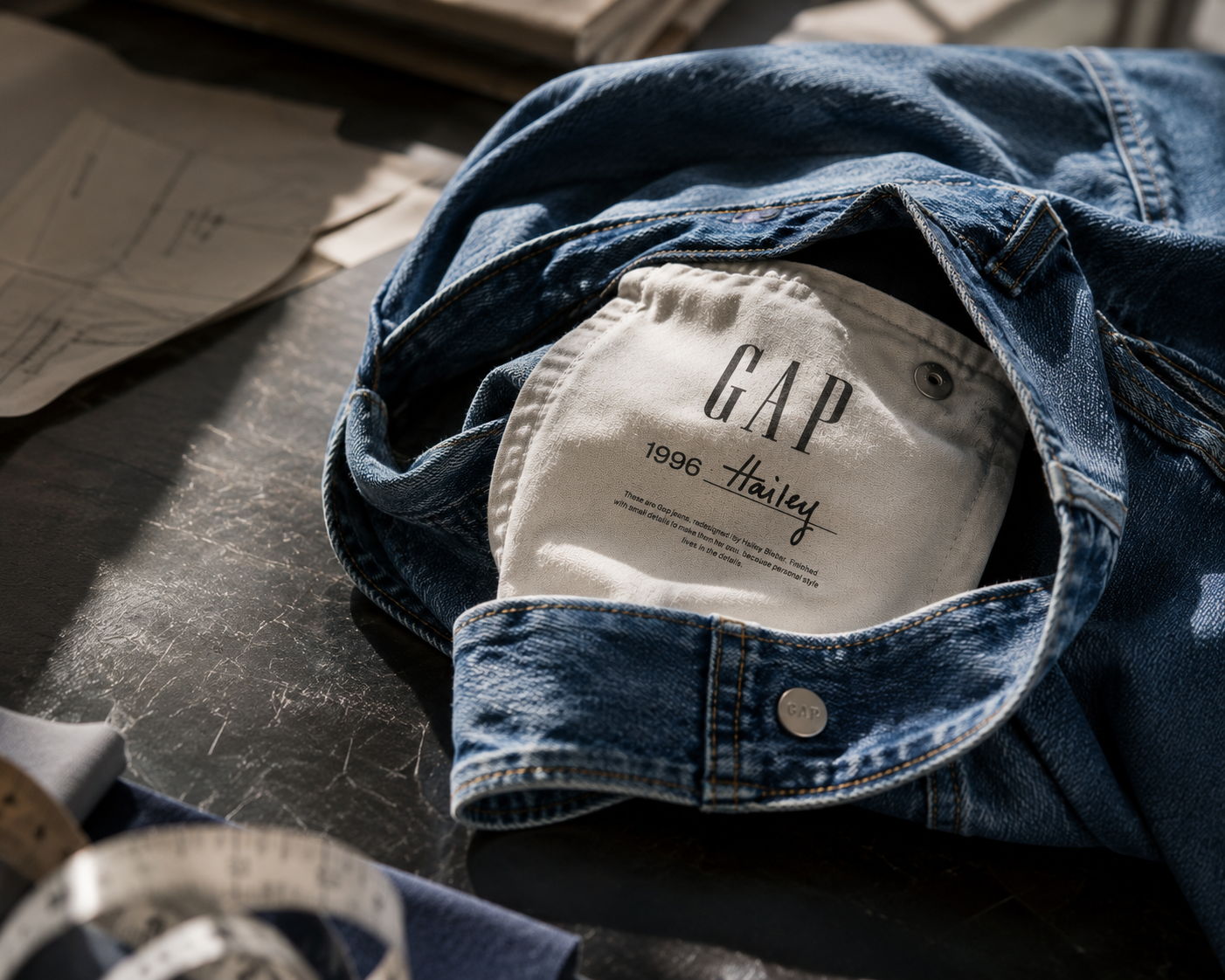
Hailey Bieber’s collaboration with Gap reflects this evolution. Rather than presenting Bieber as the face of an existing collection, Gap emphasized her role in shaping it—from fit and washes to campaign direction and subtle personal design details. The company wasn’t simply introducing a spokesperson. It was introducing a creative collaborator whose perspective had become part of the product itself.
That distinction matters because consumers now evaluate partnerships differently than they once did.
People no longer encounter public figures through occasional magazine covers or television appearances. They observe years of creative decisions unfolding in real time. Through businesses, interviews, social media, public appearances, and personal style, creators build a visible record of how they think, what they value, and the choices they consistently make.
Over time, those choices become a form of credibility.
By the time Gap announced this collaboration, consumers had already associated Hailey Bieber with an understated approach to everyday style. The partnership did not ask audiences to imagine that connection. It formalized one they had already witnessed.
That is why the collaboration feels strategically significant.
The strongest partnerships no longer attempt to manufacture trust through advertising.
They build upon trust that already exists.
This represents one of the most important changes taking place across modern branding.
For years, companies competed for access to audiences.
Increasingly, they are competing for access to judgment.
They want collaborators whose creative decisions already influence how consumers think about products, aesthetics, and quality. The value is no longer confined to visibility. It lies in the confidence consumers have already placed in someone’s point of view.
That pattern extends well beyond fashion.
Luxury brands increasingly elevate creators into creative leadership rather than limiting them to campaigns. Sportswear companies invite collaborators into product development instead of simply asking them to endorse finished products. Beauty brands are increasingly built around founders whose routines and philosophies audiences have followed for years. Technology companies seek partnerships with creators whose long-term use of products carries greater credibility than traditional advertising ever could.
Across industries, the same principle continues to emerge.
The modern partnership is no longer an exchange of visibility.
It is an exchange of credibility.
That evolution carries important business implications.
Every product launch contains uncertainty. Brands cannot predict how consumers will respond, whether a collaboration will feel natural, or whether audiences will embrace the story surrounding it. Creative credibility helps reduce that uncertainty. It gives consumers a reason to believe the partnership makes sense before they ever experience the product themselves.
That is becoming one of the most valuable assets in contemporary branding.
Not because credibility guarantees success.
But because it lowers the distance between introduction and belief.
Hailey Bieber and Gap demonstrate that the next generation of brand partnerships will not be defined by who commands the largest audience. They will be defined by who has spent years earning the confidence to shape consumer decisions before a collaboration is ever announced.
As attention becomes increasingly abundant, trust is becoming increasingly scarce. Brands can purchase exposure, but they cannot purchase belief. That must be accumulated through consistent creative judgment over time. In the years ahead, the partnerships that matter most will not simply borrow influence—they will align with credibility that audiences have already chosen to trust.
Related Posts

The Op Games Unveils MONOPOLY®: Grey’s Anatomy Edition, Inspired by the Beloved Drama Series
MONOPOLY®: Grey's Anatomy Edition, Based on Popular Drama Series

Mr. & Mrs. Smith’s Donald Glover and Maya Erskine First Trailer
By DaMarko Webster Discussing potential homicides on a first date migh

Why Monogamy Feels Harder Than It Used To
The Strain Inside Staying

Casio Unveils the GBD-300: The Latest Addition to the G-SHOCK G-SQUAD Line
G-SHOCK releases Workout Logs with More Comfortable Fit

Netflix Dives Deeper into Live Sports Streaming with Rafael Nadal vs. Carlos Alcaraz Tennis Exhibition
In a bold move, Netflix is set to live-stream its upcoming sports spec