

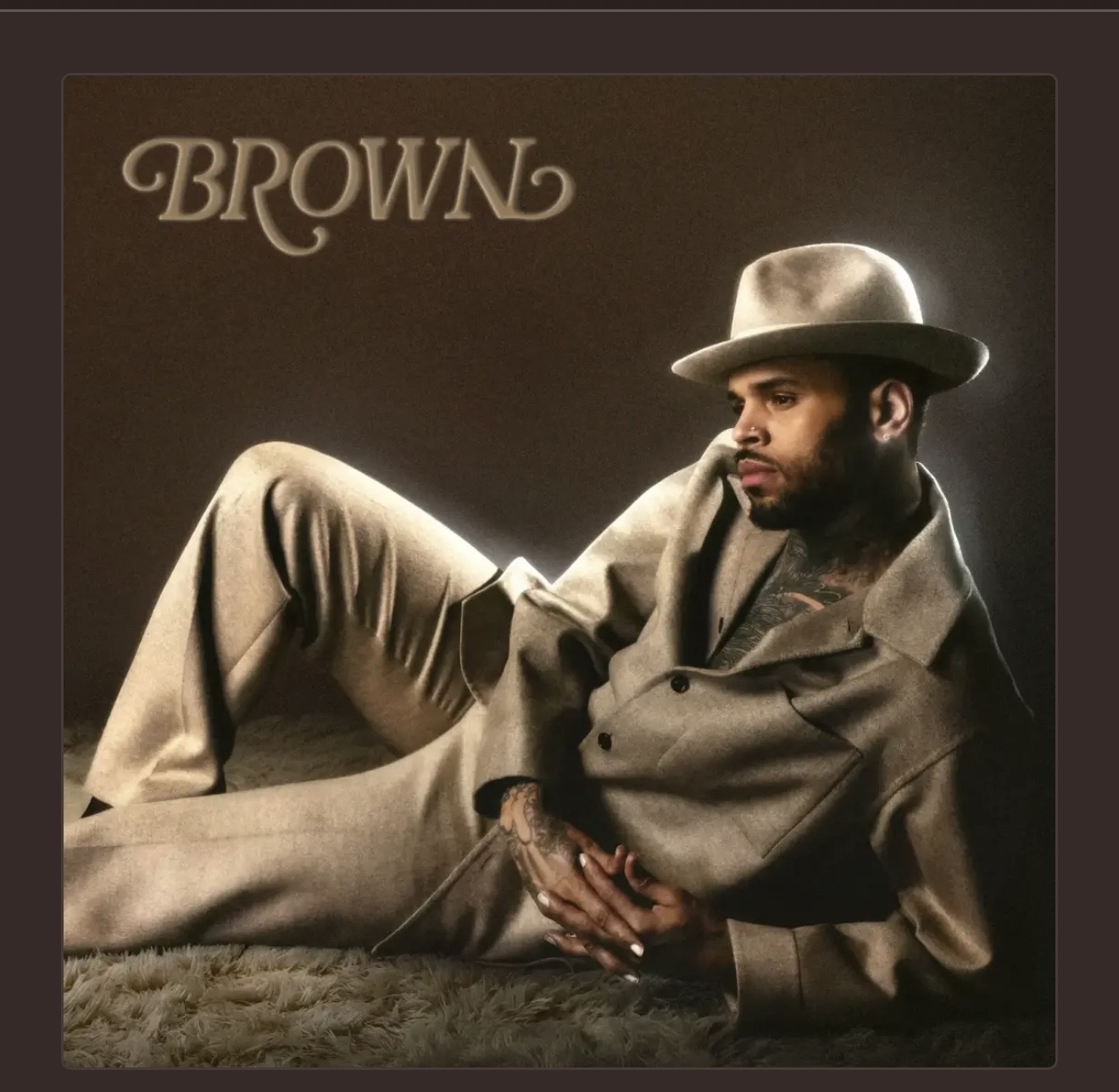
Chris Brown Is the Platform Now

By Jayson Echo
There was a time when releasing an album meant entering a system.
You delivered the work to the machine.
The machine decided how it moved.
The audience received it where the system allowed it to exist.
That model felt permanent—until artists realized the only thing the system never fully owned was the audience itself.
With Brown, Chris Brown doesn’t just release music. He repositions the moment of access. The project is licensed through RCA Records and powered on the front end by EVEN—a structure that reads simple on paper but changes the hierarchy in practice.
Because for years, independence was framed as separation.
Leave the label. Leave the system. Build outside of it.
What this release reveals is something more precise:
You don’t have to leave the system to control it.
You just have to move in front of it.
The interface tells the story. A direct portal. A countdown. A locked tracklist. Access that requires intention before the music even begins. This is not passive consumption. It’s entry.
And entry changes the relationship.
For over a decade, platforms like Spotify and Apple Music trained audiences to experience music as an endless feed—immediate, interchangeable, frictionless. In that environment, proximity becomes power. Whoever appears first, wins the moment.
But frictionless access comes with a cost.
It removes the decision.
And when the decision disappears, so does the depth of the relationship.
EVEN rebuilds that decision.
It asks the fan to choose.
To step in.
To commit attention before access is granted.
Historically, only independent artists operated this way. They had to build direct relationships because no system was built to carry them. What Chris Brown does is take that behavior—once considered survival—and elevate it into strategy.
That’s the shift.
Because he doesn’t need discovery.
He doesn’t need visibility.
He doesn’t need permission.
So when he chooses a direct access model, it stops being a workaround and becomes a statement:
The relationship is the product.
And once that relationship is activated directly, the rest of the system reorganizes around it.
That’s where the role of the label changes.
RCA Records is still present. The infrastructure still exists. The machine hasn’t disappeared. But it no longer defines the moment of entry.
It supports it.
Chris Brown didn’t abandon the system.
He repositioned it.
That is a different hierarchy.
The artist controls access.
The system amplifies what happens after.
This is not disruption in the loud sense. It’s quieter than that. More structural.
Direct platforms like EVEN become the front door:
monetization, exclusivity, intimacy.
Streaming platforms remain the broadcast layer:
reach, discovery, ubiquity.
The mistake would be to treat these as competing forces.
The real shift is sequencing.
Direct first.
Streaming later.
Ownership before exposure.
Intimacy before ubiquity.
When that sequence flips, the economics follow. Revenue is captured at the moment of highest attention, not diluted across passive streams. Fans are identified, not abstracted. Loyalty becomes visible, not assumed.
And more importantly:
The artist regains authorship over how their work is experienced.
That’s what’s being tested here.
Not whether EVEN can replace streaming.
But whether the artist can redefine the starting point.
If that holds—even at a moderate level—the hierarchy changes.
Streaming doesn’t disappear.
It gets demoted.
Related Posts

Lenny Kravitz to Rock the UEFA Champions League Final Kick Off Show Presented by Pepsi
Lenny Kravitz to perform for UEFA

From Yakuza Princess to Assassin’s Creed: MASUMI is the Moment
The Voice Between Worlds

Globant and Formula 1 have unveiled a multi-year partnership aimed at elevating the digital experiences within the world of Formula 1
Globant and Formula 1 have unveiled a multi-year partnership
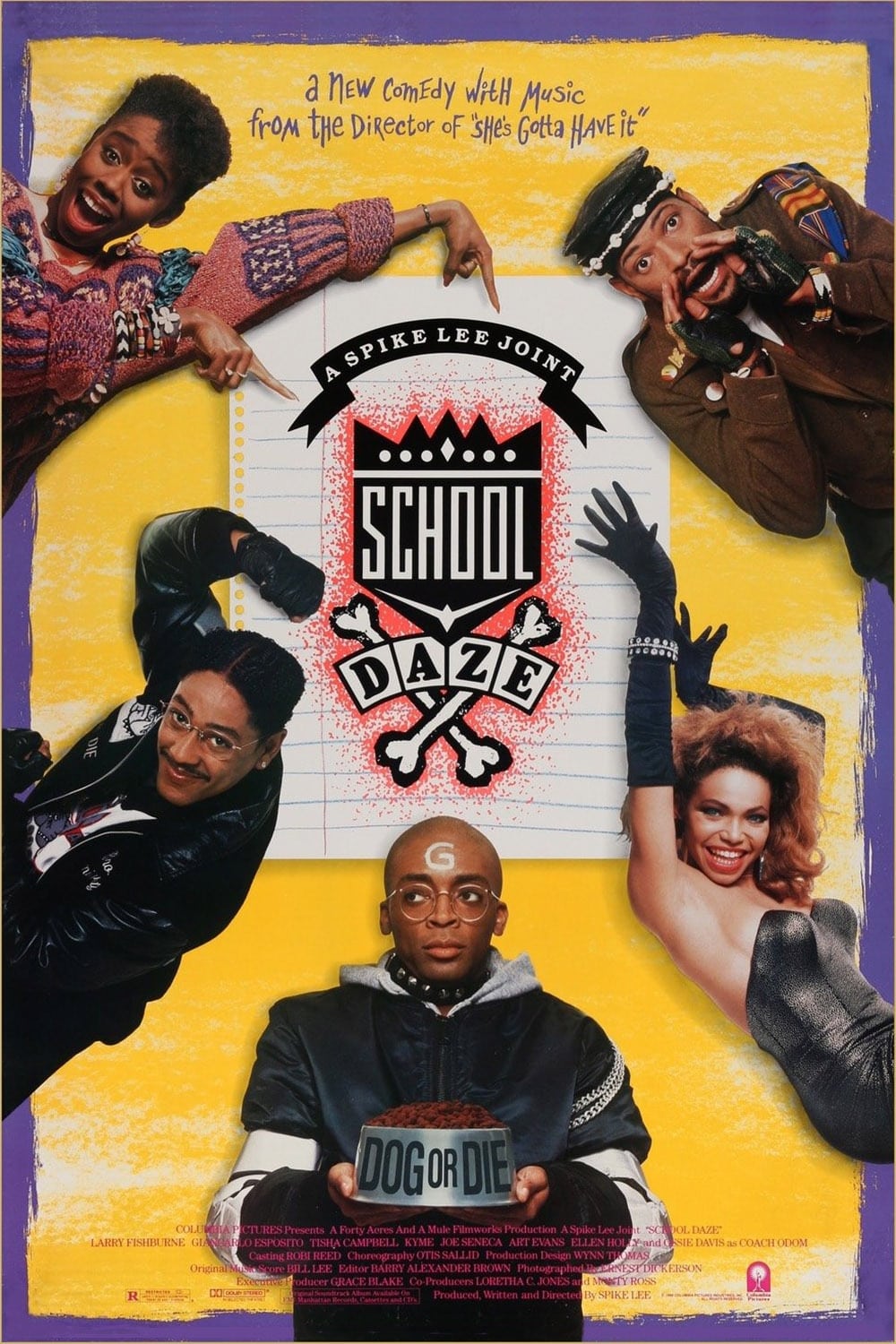
Spike Lee’s “School Daze”: A Vital Piece of Black Cultural History
By DaMarko GianCarlo In the world of cinema, few directors have had as

Kansas City Chiefs Launch “Back-to-Back Greatness” Campaign to Celebrate Consecutive Super Bowl Wins
Kansas City Chiefs Launch "Back-to-Back Greatness"
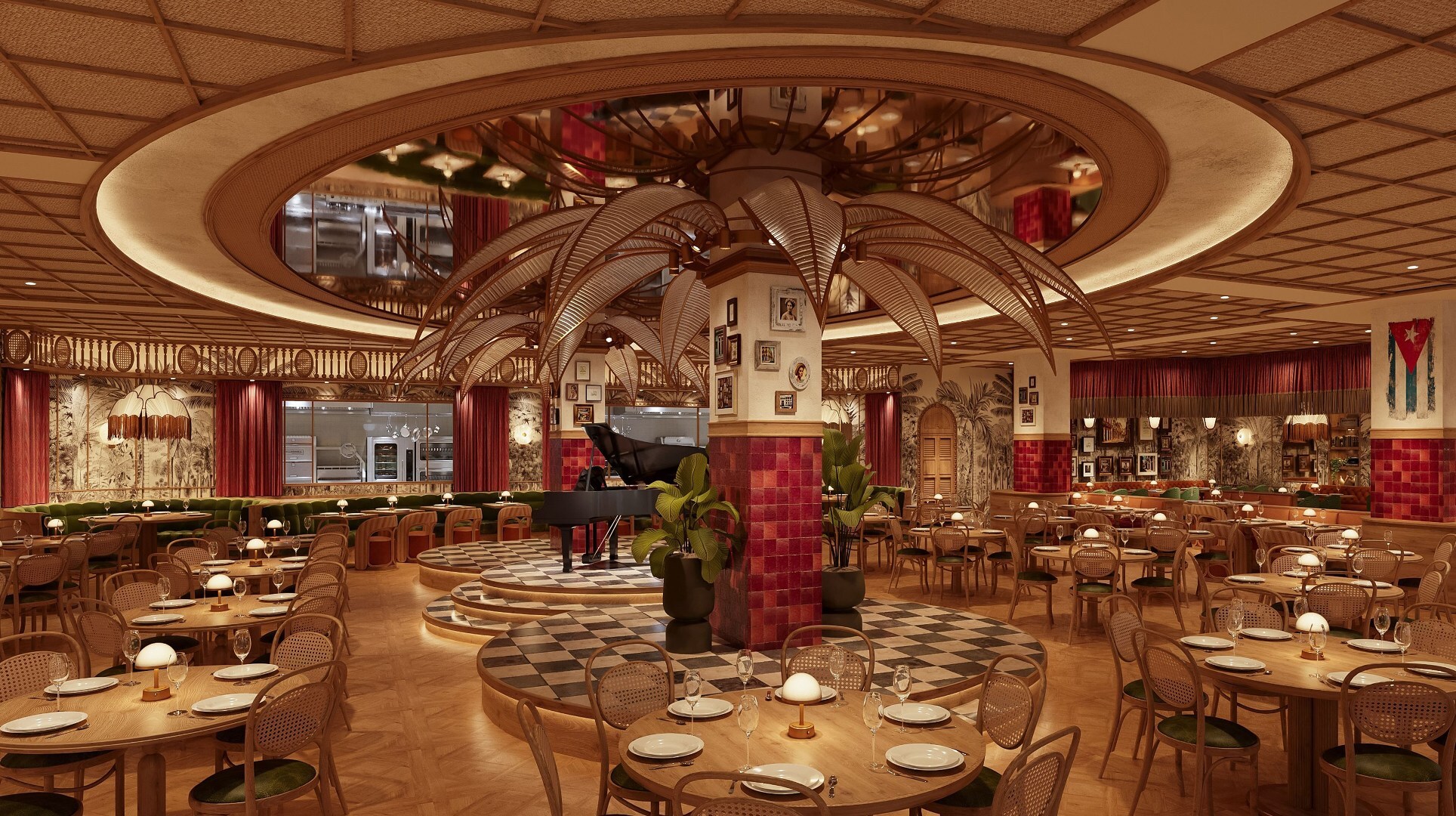
A Taste of Havana Hits the Las Vegas Strip: Havana 1957 and Cortadito Coffee House Open at Flamingo Las Vegas
Havana 1957 And Cortadito Coffee House Bring A Cuban American Affair T