

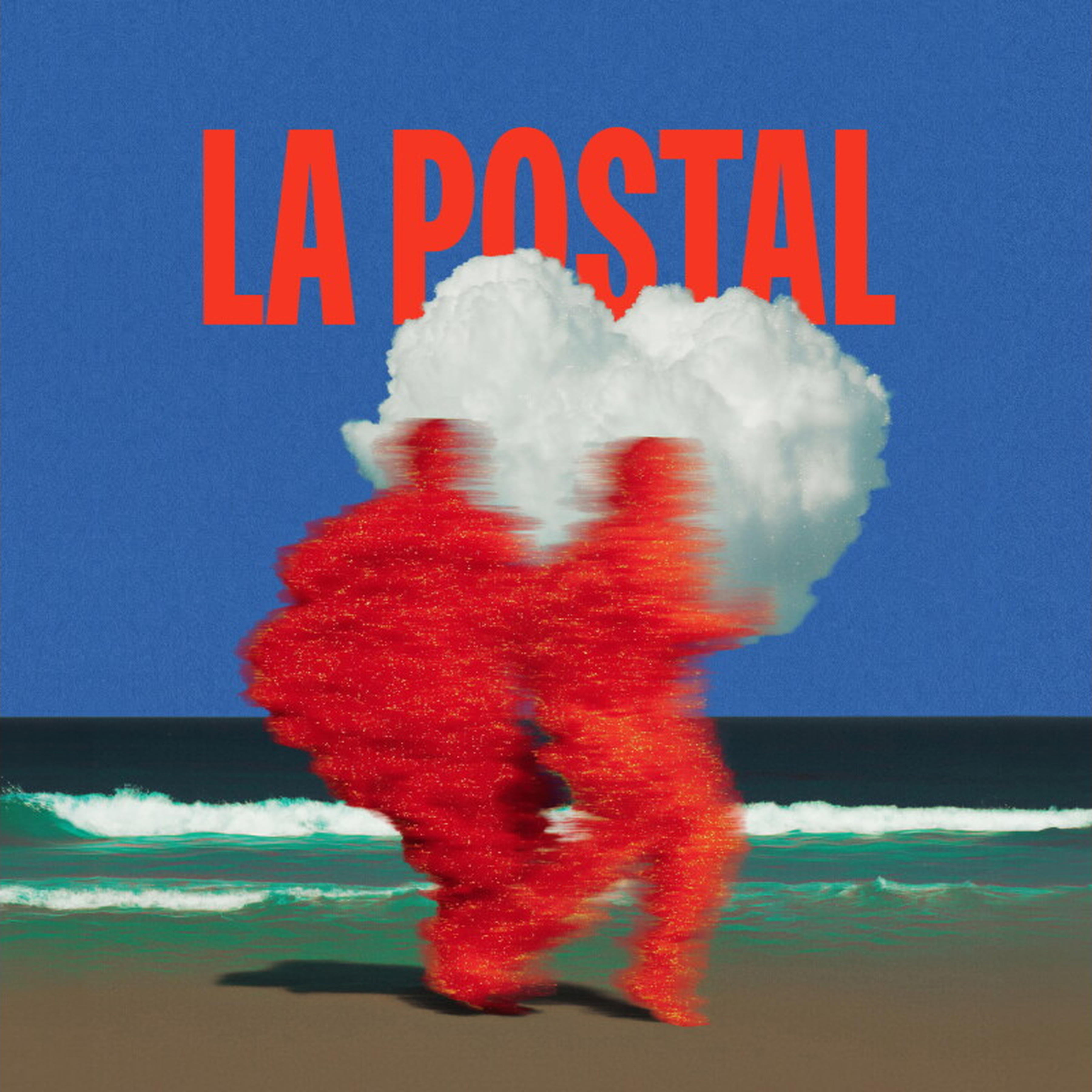
Daddy Yankee Turns La Postal Into a Vertical Drama
By DaMarko GianCarlo
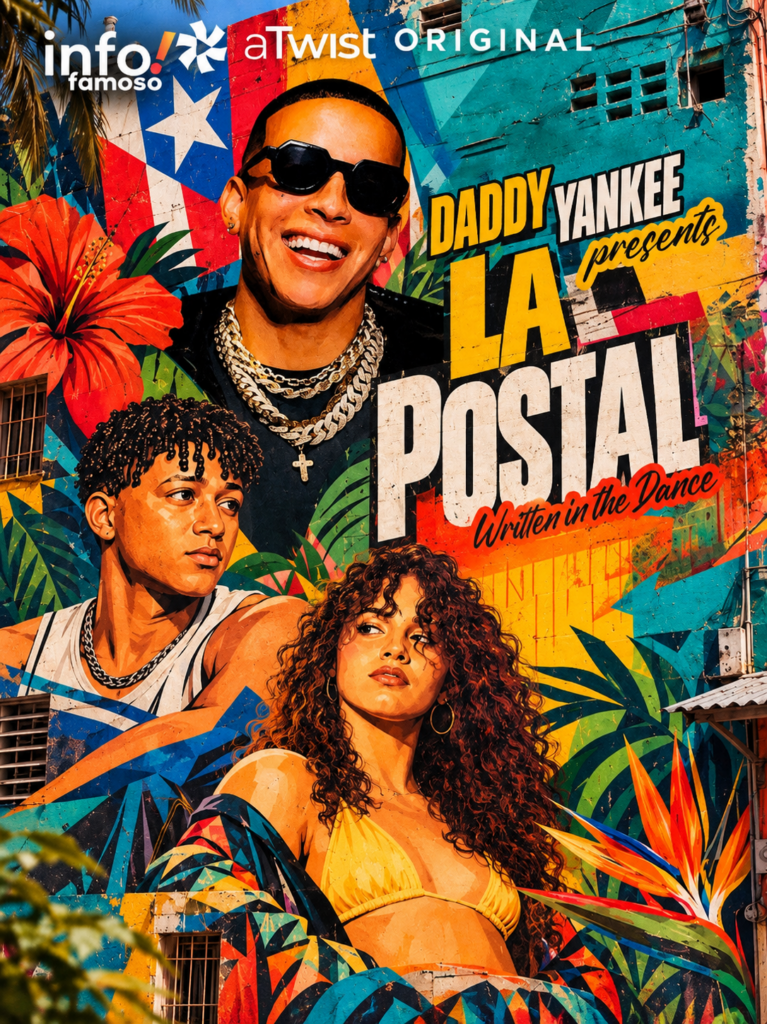
A story made for a phone screen was scheduled to have its first night on the wall of a historic building. On November 3, four days after Daddy Yankee released La Postal, the album’s companion drama was set to premiere at the Cuartel de Ballajá in Old San Juan. The event brought together a projection of the 26-episode microseries La Postal: Written in the Dance, live dance performances and music from the album. Presented in partnership with Visa, the premiere was also planned for livestreaming on Daddy Yankee’s YouTube channel, extending the experience beyond Puerto Rico.
Developed with vertical entertainment studio aTwist, the microseries follows two former lovers who reunite as members of rival dance crews, each competing for a place on Daddy Yankee’s tour. Both have entered new relationships, but their shared history complicates a competition in which personal feelings and professional ambitions collide. Songs from the album form part of the narrative, while original choreography by Emmy Award winner Karina Ortiz gives the characters another way to express what remains unresolved between them. The music is not simply accompanying the story. It becomes part of how the story is told.
Daddy Yankee drew on the tradition of Latin American telenovelas, whose stories of love, betrayal and reconciliation have connected generations of viewers. In describing the album, he spoke of “what we experience, what we feel, and what we often don’t know how to express.” The microseries gives those feelings characters, relationships and consequences. The dancers have partners, rivals and a professional opportunity at stake. A viewer encountering one of the songs through the drama may come to associate it with a gesture, a look or the moment two people recognize what remains between them. When the song plays again, the scene may return with it.
The release also illustrates how an artist and an entertainment studio can bring different audiences into the same creative project. Daddy Yankee’s established YouTube presence offers the drama an immediate connection to his music audience, while aTwist provides a platform built around serialized vertical storytelling. The studio also announced exclusive behind-the-scenes material and an interview with the artist, creating another destination for viewers interested in the production. Rather than asking audiences to discover an unfamiliar format on its own, the partnership introduces that format through music and an artist they may already know.
The distinction matters because vertical drama is not simply conventional television presented on a smaller screen. Its format is designed around the way people hold and use their phones, with stories divided into short episodes that can be watched individually or in succession. La Postal: Written in the Dance places an established recording artist inside that environment without requiring the music to surrender its identity. The album remains a collection of songs, but the drama gives those songs characters, conflicts and emotional associations that can continue beyond the original listening experience.
What remains uncertain is how audiences will respond after encountering the project. A view of the premiere recording would establish that someone accessed the event, not whether that person watched the entire drama, searched for a song or returned to the album afterward. Those distinctions matter. The rollout creates several points of entry into La Postal, but the existence of those opportunities is not evidence that viewers are moving between them. Whether the microseries can sustain attention or deepen engagement with the album will require more than the excitement surrounding its launch.
Music has long helped film and television audiences remember a scene. A melody can bring back a character, a relationship or a moment long after the screen has gone dark. Here, the relationship also works in the other direction. The songs came first, and a scripted romance was built around them. Rather than treating the album as a soundtrack to an unrelated production, the project uses its themes to create another way into the music. That approach does not guarantee a larger audience, but it gives listeners something beyond the recording itself to carry with them.
Someone could leave the premiere remembering a song they had never heard before. Someone who already knew the song could hear it again and picture the dancers. The release creates room for both experiences. It began with a record, took shape in a romance and was prepared for a night on the wall of the Cuartel de Ballajá.
Related Posts
Luxury, Authored: Willy Chavarria and Cultural Gravity
Defining Luxury Without Permission

Sprite is reinventing its iconic Obey Your Thirst campaign, featuring contemporary icons Anthony Edwards and Sha’Carri Richardson
Sprite is relaunching its iconic Obey Your Thirst campaign.
The collaboration between Nike and Spotify is sparking a transformative movement in the UK with the introduction of the Make Moves Fund
By Tucker Adams In the United Kingdom, a remarkable movement of libera
Michelle Núñez: Fearless in Film, Music, and Storytelling
Michelle Nunez multi talented.
Après-Ski, Reimagined: Nike and Jacquemus Blur the Line Between Sport and Style
Skiwear, Elevated
Jason Momoa Reclaims Hawaiian History in Chief of War Apple tv+ Trailer
From the Islands, For the Islands
POST COMMENT