

Apple Music Hall Is Built for an Audience Bigger Than the Room
By DaMarko GianCarlo
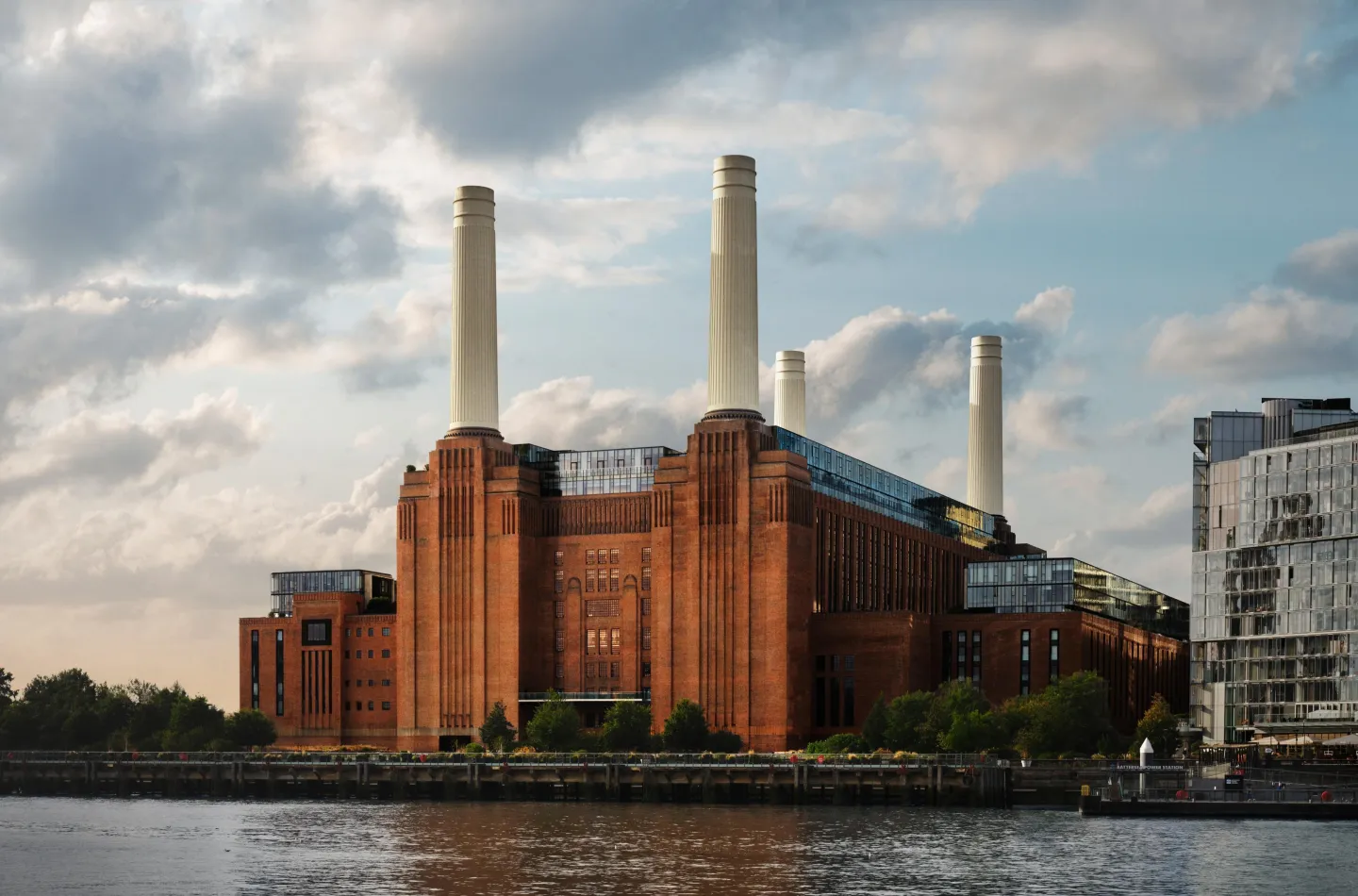
Apple Music Hall looks, at first, like a surprising move from a technology company: a 600-person concert venue inside London’s Battersea Power Station. In an industry where arenas, stadiums and festival grounds are built around getting more people through the gates, Apple has deliberately gone smaller. But the size of the room may be the least important thing about what Apple has built.
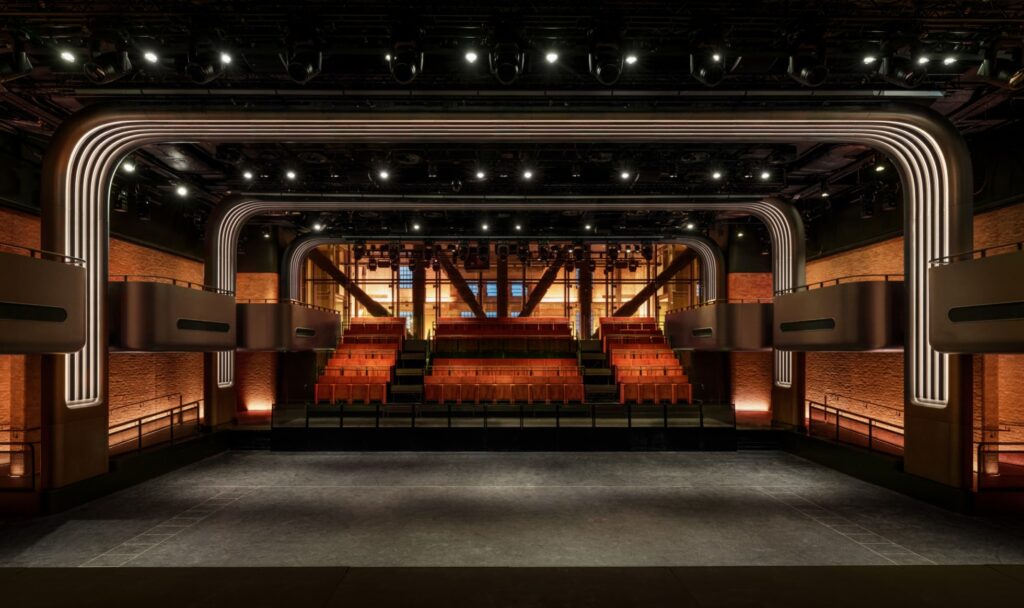
Behind that intimate venue is something closer to a complete media-production environment. Apple Music Hall has a 38-foot reconfigurable stage, a 48-speaker spatial sound system, two professional recording and mixing studios, infrastructure for at least 16 cameras, a dedicated broadcast control room and the ability to run iPhone capture alongside traditional broadcast cameras. Apple says a performance can be recorded as multitrack audio, mixed in Spatial Audio either live or afterward, captured as multicamera video and prepared for broadcast without leaving the building. Performances can also be livestreamed globally.
That changes the meaning of the venue. A traditional concert hall is primarily designed around the people who enter it. Apple Music Hall is designed around both the people in the room and everyone who never gets inside. Six hundred people can experience a performance at close range while the technology surrounding them turns that same night into something capable of reaching an audience many times larger.
The important distinction is that Apple is not simply documenting a concert after it happens. Production has been designed into the building itself. The recording studios sit behind the stage. Cameras are part of the venue’s architecture. Spatial Audio is part of the live experience as well as the recording workflow. The stage can shift between a conventional configuration and an in-the-round performance. The physical show and the media created from it are being conceived as parts of the same event.
That creates an unusually efficient proposition for artists. A performance no longer has to exist only as a ticketed night and then require a separate recording session, video shoot or broadcast production to become something else. Apple describes an artist being able to perform one intimate show and leave with a Spatial Audio recording, a broadcast-ready mix and multicamera video. The concert becomes the source material for several experiences at once.
Apple has been moving around this intersection for decades. The iPod helped change where people carried music. iTunes changed how individual recordings were purchased digitally. Apple Music moved the company into subscription streaming, radio and artist programming. Apple also spent years producing the iTunes Music Festival and later Apple Music Festival in London before ending the annual event in 2017. Apple Music Hall brings the company back into live performance, but with an important difference: instead of programming an event inside someone else’s venue, Apple now has a permanent room engineered around its own music and media capabilities.
And Apple is putting more than concerts into Battersea. The company says its London-based Apple Music Radio hosts and shows will now broadcast from new studios there as well. That puts interviews, radio programming, live performance, audio recording, video production and broadcast capabilities in the same larger location. An artist coming to Battersea is potentially entering an Apple Music environment rather than simply arriving at an Apple-sponsored stage.
That distinction matters because streaming services have traditionally met artists and listeners after much of the creative process is finished. A song is recorded somewhere else, delivered to a service and then distributed to listeners. Apple Music Hall gives Apple a physical presence earlier in that chain. Apple can now provide a place where an original live performance happens and the machinery that transforms that performance into media.
It also gives Apple something streaming platforms continually need: experiences that feel different from simply opening an app and choosing a song. A one-night-only performance in front of 600 people carries scarcity. A global livestream carries reach. A professionally captured recording gives the performance a possible life beyond the room. Spatial Audio gives Apple an opportunity to demonstrate one of its own listening technologies using a performance designed around it from the beginning. None of those elements is particularly unusual on its own. Putting them together under one roof is what makes the building interesting.
There is a larger change in live entertainment underneath this. The boundary between venue and studio is becoming less useful. A room can simultaneously serve the audience sitting inside it, the viewer watching live somewhere else and the listener or viewer encountering a recording later. Apple Music Hall has been constructed around that reality rather than retrofitted for it.
That helps explain why 600 seats can be enough.
Apple doesn’t need this building to behave like an arena. The physical audience creates the intimacy, energy and scarcity of the event. The production system allows everything generated inside that small room to travel far beyond it. Apple has effectively separated the size of the audience in the building from the potential size of the audience for the performance.
There are still important unknowns. Apple has not yet revealed enough programming to show how frequently the venue will operate, which artists will define it, how much captured material will remain available after livestreams, or what role Apple Music Hall will ultimately play within the wider service. Those decisions will determine whether Battersea becomes an occasional showcase or something more consequential. The building gives Apple the capability; the programming will tell us what Apple intends to do with it.
But the architecture already reveals something.
Apple didn’t just put its name on another stage. It built a small room where performance, recording, production and distribution can begin at the same moment. In an era when a concert can be experienced by millions of people who were never physically there, Apple Music Hall is built around a simple idea: the capacity of the room no longer has to determine the reach of the show.
Related Posts

Lyft to Roll Out Mobileye-Powered Robotaxis ‘As Soon As 2026
Lyft’s Autonomous Future: A New Era of Ride-Hailing

Meet the LCD-S20: Audeze’s Budget Planar Headphone with Flagship DNA
Audeze Launches LCD-S20, Its Most Affordable Planar Headphone Yet.

Serato Reimagines Beat Creation With Its First Hardware Device
From the DJ Booth to the Studio

Saudi Arabia’s Ambitious Leap into the Gaming Industry: A Vision for Powerhouse Status
In recent years, Saudi Arabia has set its sights on becoming a formida

Spider-Man Is Becoming a Test Case for Whether ScreenX Can Become Cinema’s Next Premium Format
The movie is the attraction

Global Streaming Infrastructure Is Being Rewritten in Africa—And Showmax Is the Test Case
Streaming Isn’t Collapsing—It’s Rebuilding
POST COMMENT