

The World Cup Doesn’t Start at the Stadium
By Xavier Newman
For years, the World Cup has been sold as the most democratic spectacle in sports—a tournament that belongs as much to the street as it does to the stadium. If you could get close enough, you could belong. The crowd wasn’t confined to seats; it lived in trains, sidewalks, bars, the in-between spaces where culture actually forms.
But what’s being revealed now is something quieter—and more decisive.
The event no longer begins where we thought it did.
It doesn’t start at MetLife Stadium.
It starts in the system that determines whether you can get there.
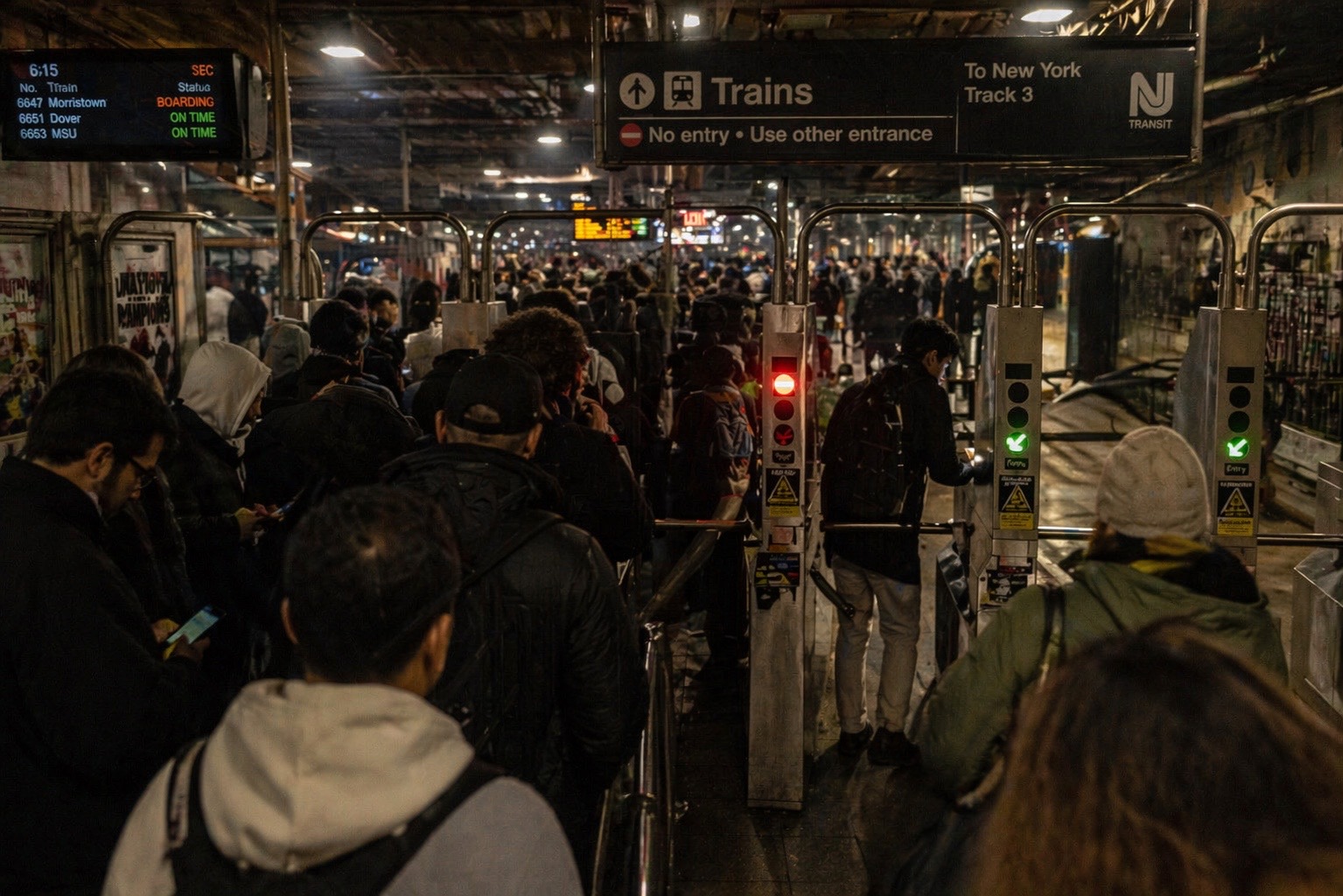
The train is not transportation. It is admission.
A $150 rail fare from Penn Station to MetLife—on a route that normally costs a fraction of that—isn’t just a pricing decision. It’s a structural one. It marks the exact point where access has shifted from something you pursue to something that is quietly decided for you.
Not at the gate.
Not at ticketing.
Not even at FIFA.
Upstream.
We’ve seen this logic before, just not this clearly. Modern Olympic host cities have spent decades engineering movement long before spectators arrive—expanding security perimeters, rerouting transit, credentialing access, turning entire sections of cities into controlled corridors. The Games don’t just happen inside venues; they are managed across infrastructure.
What begins as logistics becomes architecture.
What becomes architecture becomes control.
The World Cup is now inheriting that same logic.
Because once infrastructure becomes programmable, access stops being a right and becomes a condition.
This is the shift hiding inside the fare. The number itself is almost a distraction. The real story is that the route—the thing that once felt neutral, public, and shared—is being temporarily converted into a controlled channel tied to the event.
Not open.
Conditional.
And once that conversion happens, it doesn’t fully go back.
This is how public culture quietly becomes a private system. Not by closing the doors outright, but by filtering who can approach them in the first place.
Because once you control movement, you control presence.
Once you control presence, you control the crowd.
And once you control the crowd, you control how the event is experienced, documented, and remembered.
The World Cup has always depended on what happens outside the match as much as inside it. The density of people. The friction of movement. The feeling that the world arrived without permission. That energy can’t be scheduled, and it can’t be fully contained.
But infrastructure doesn’t reward spontaneity.
It rewards predictability.
Filtered. Timed. Approved.
And predictability produces a different kind of audience—one that arrives as expected, moves as directed, and leaves as planned. The texture changes. Subtly at first, then completely.
There is an inevitability to this. The Olympics proved that global events at scale require control over how people move. The World Cup is proving something else: once that control exists, it doesn’t disappear. It refines.
Because infrastructure, once used as a gate, never returns to being neutral.
It becomes a tool.
A system.
A filter.
And outside that system, something else forms.
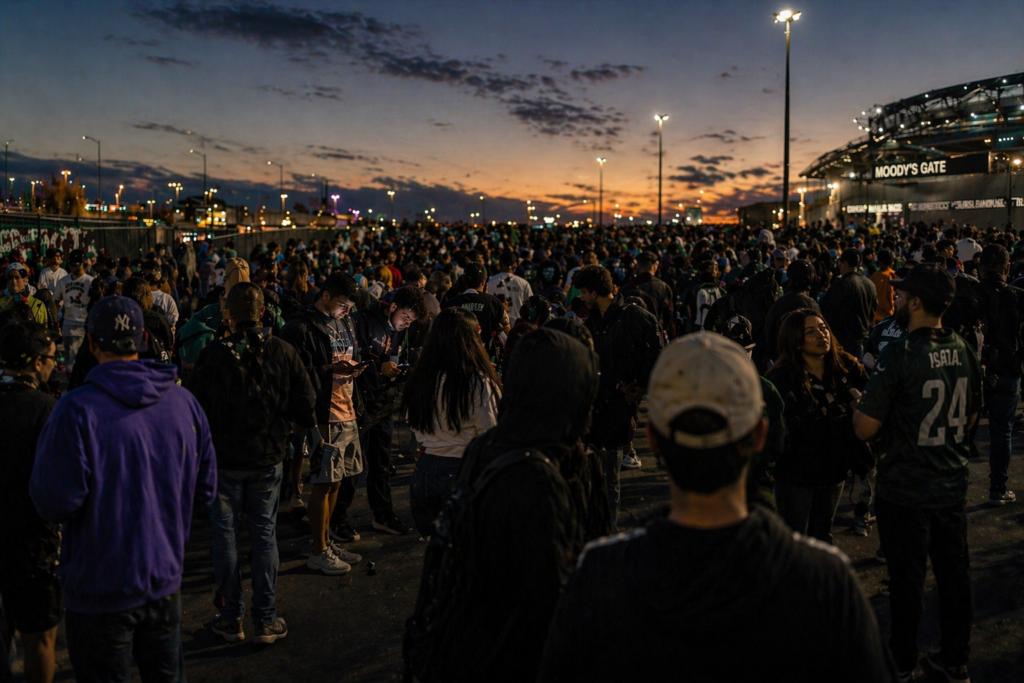
At 6pm, two hours before kickoff, the crowd is already gathering—but not in lines. They cluster in open space, near the perimeter, under streetlights just beginning to take over from the day. Phones glow in their hands. Conversations loop without resolution. Some face the direction of the stadium. Others don’t. No one moves with certainty.
They are close enough to feel the event.
Not close enough to enter it.
This is where the World Cup exists without access. Where presence is real, but participation is not guaranteed. Where the system hasn’t rejected you—but hasn’t chosen you either.
It looks like a crowd.
But it feels like a lottery.
Because in a system where movement is controlled, entry is no longer assumed. It is decided.
So the question is no longer how much it costs to attend.
The question is where the event actually begins.
Because it doesn’t start at the stadium.
It starts at the point where access is filtered—where movement becomes conditional, and where a crowd divides into two realities: those who pass through, and those who wait to find out if they will.
Related Posts

Samsung’s 2025 OLED TVs Redefine Gaming Luxury
No Lag, All Flex , Game On, Glitch Off
Inside Apple Music’s Game-Changing New LA Studio: A Decade of Sound, Reinvented
From Soundwaves to Storytelling
Samsung and Technogym Team Up to Revolutionize At-Home Fitness with New App for 2024 Smart TVs
Samsung TVs Boost Home Fitness Offerings With Technogym App
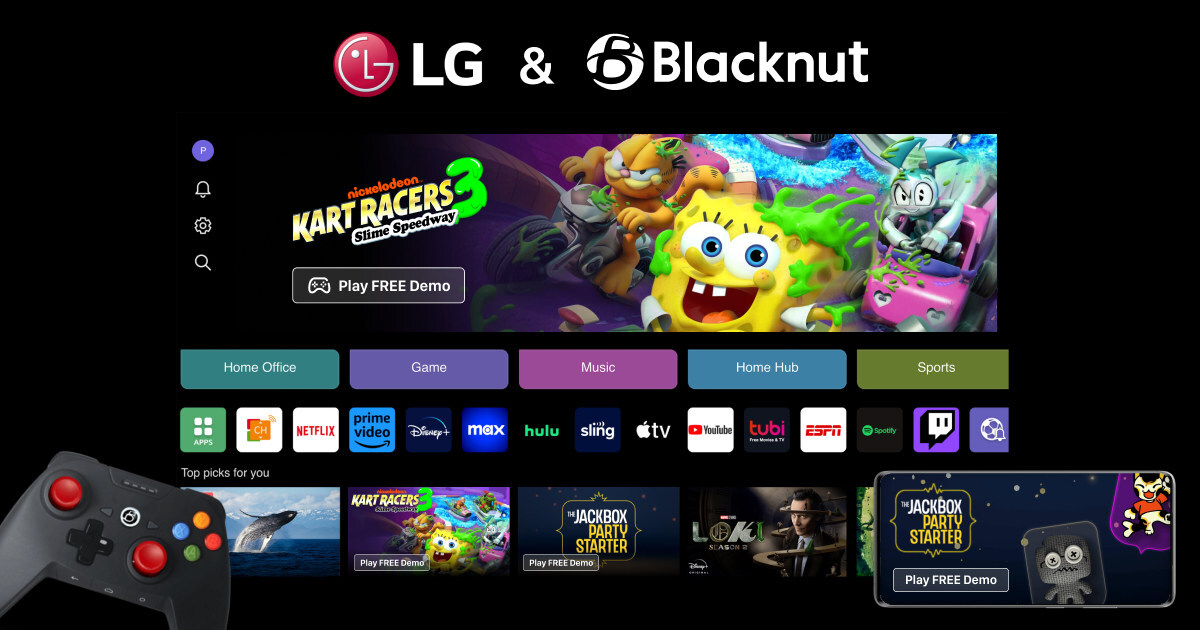
LG and Blacknut Launch Single Game Subscription Service on LG Smart TVs in the U.S.
LG AND BLACKNUT LAUNCH SINGLE GAME SUBSCRIPTION SERVICE.
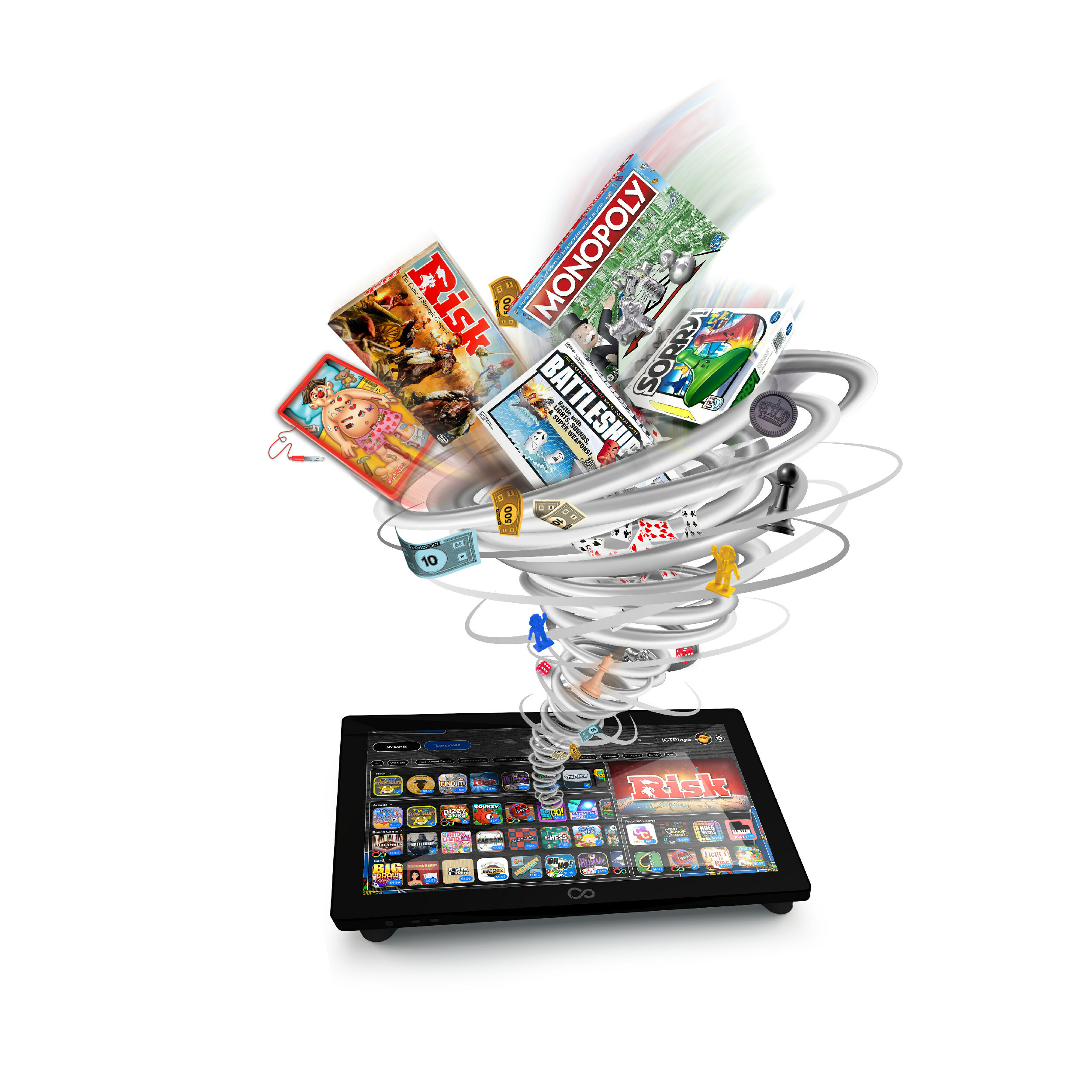
Arcade1 Up Ascends the Ranks Among Major Gaming Hardware Brands
Arcade 1up fourth largest in gaming hardware.
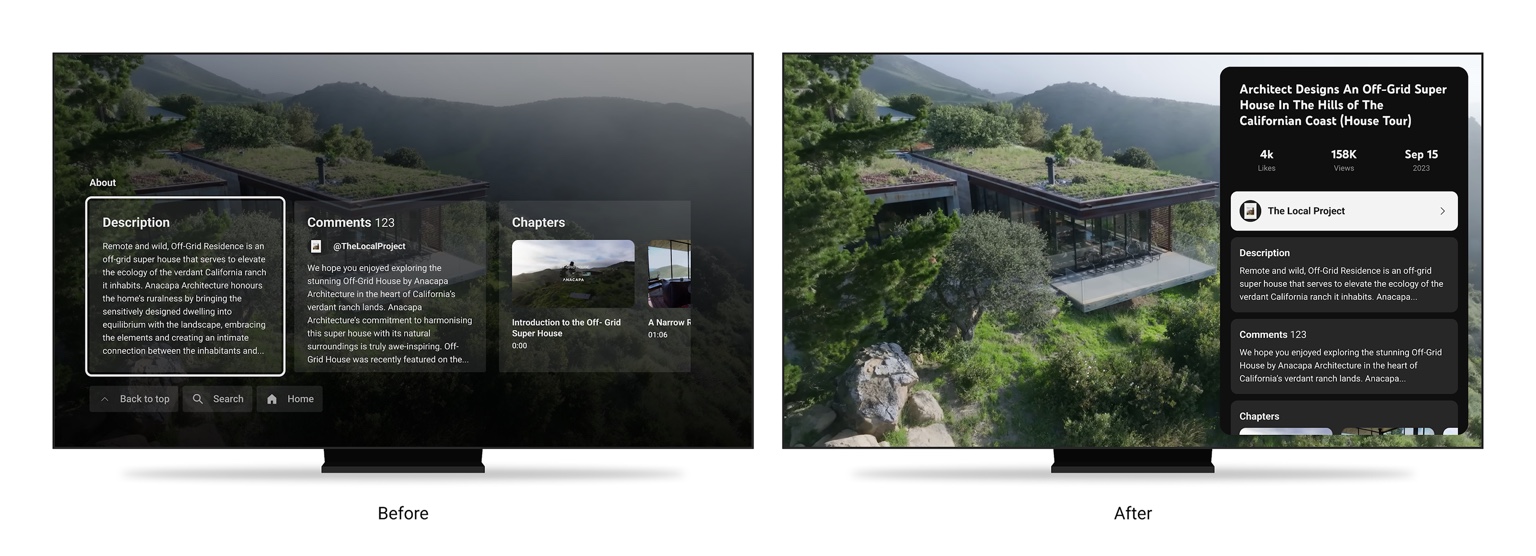
YouTube Is Giving Creators the Architecture of a Media Company
The Network Is Now Personal