

Ralph Lauren Is Bringing PoloFest to Tokyo to Celebrate a Culture That Has Thrived for Decades
By DaMarko GianCarlo
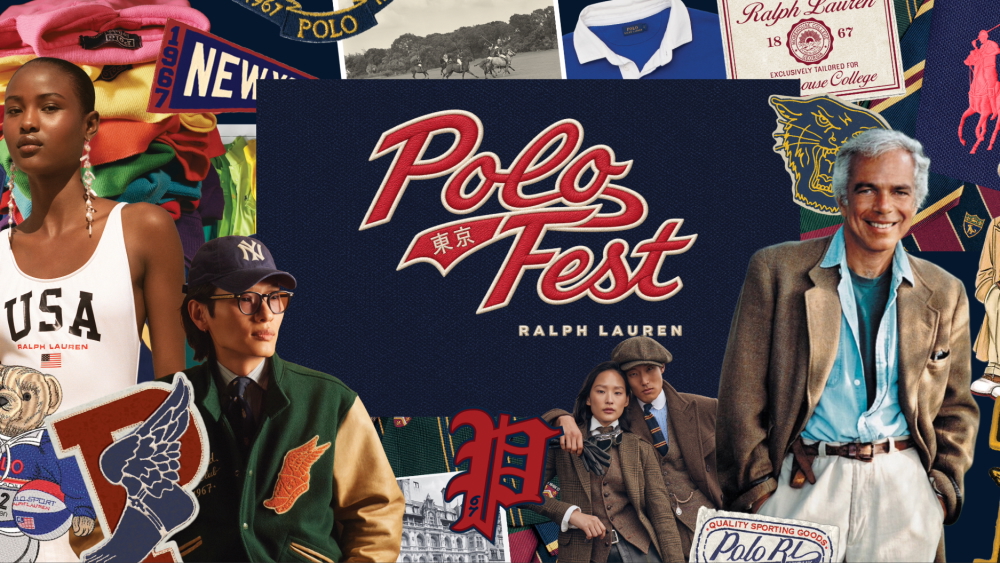
Ralph Lauren is bringing PoloFest to Tokyo from October 23 through October 25, 2026, transforming a celebration of the brand’s history into something larger than a fashion event. Announced on September 30, the three-day gathering will bring together archival pieces, vintage collectors, Japanese artisans, and communities whose relationships with Polo have developed across generations. The event arrives as Ralph Lauren approaches its 60th anniversary in 2027, but its significance reaches beyond a corporate milestone. It offers a window into how one American fashion brand became part of several distinct cultural identities around the world.
Few fashion companies occupy as many different worlds as Ralph Lauren. Its clothing is familiar in the Hamptons, on college campuses, in country clubs, on the streets of Brooklyn, and inside Japan’s highly developed vintage fashion community. The same Polo emblem can represent inherited privilege, personal aspiration, sporting tradition, or the satisfaction of discovering a rare piece that another collector has spent years searching for. These meanings are not interchangeable, and they did not all originate with the company. That distinction is essential to understanding why PoloFest matters.
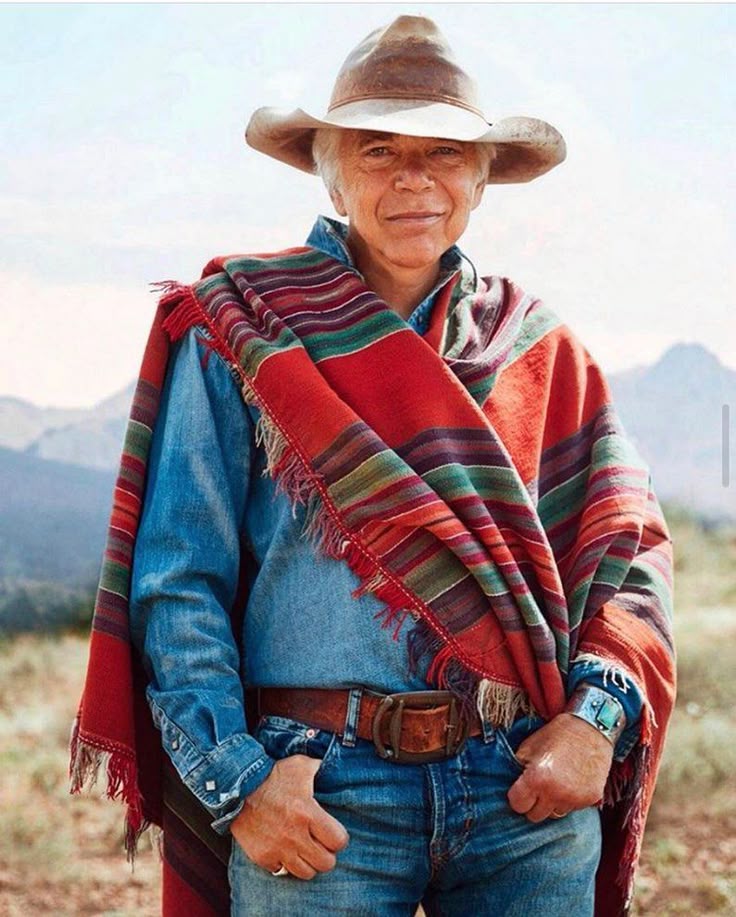
Ralph Lauren began his business in 1967 with a collection of neckties. What followed was not simply the development of a clothing label but the construction of a recognizable vision of American life. Tailoring, collegiate dress, equestrian influences, Western clothing, sporting traditions, and the romance of the American outdoors became part of a visual language that could move between formal and casual settings without losing its identity. Lauren presented these references as a coherent world, one that customers could enter through something as simple as a shirt.
The world eventually extended far beyond clothing. Ralph Lauren Home, introduced in 1983, brought the same sensibility into furniture, bedding, textiles, and decorative objects. Paint followed as another expression of the company’s approach to interiors. Restaurants, including RL in Chicago, Ralph’s in Paris, and the Polo Bar in New York, gave the brand physical environments where its ideas about hospitality and atmosphere could be experienced. Ralph’s Coffee added another everyday ritual. These businesses demonstrated that Ralph Lauren was selling more than an outfit. It was offering a way to imagine a room, a gathering, a meal, or an afternoon.
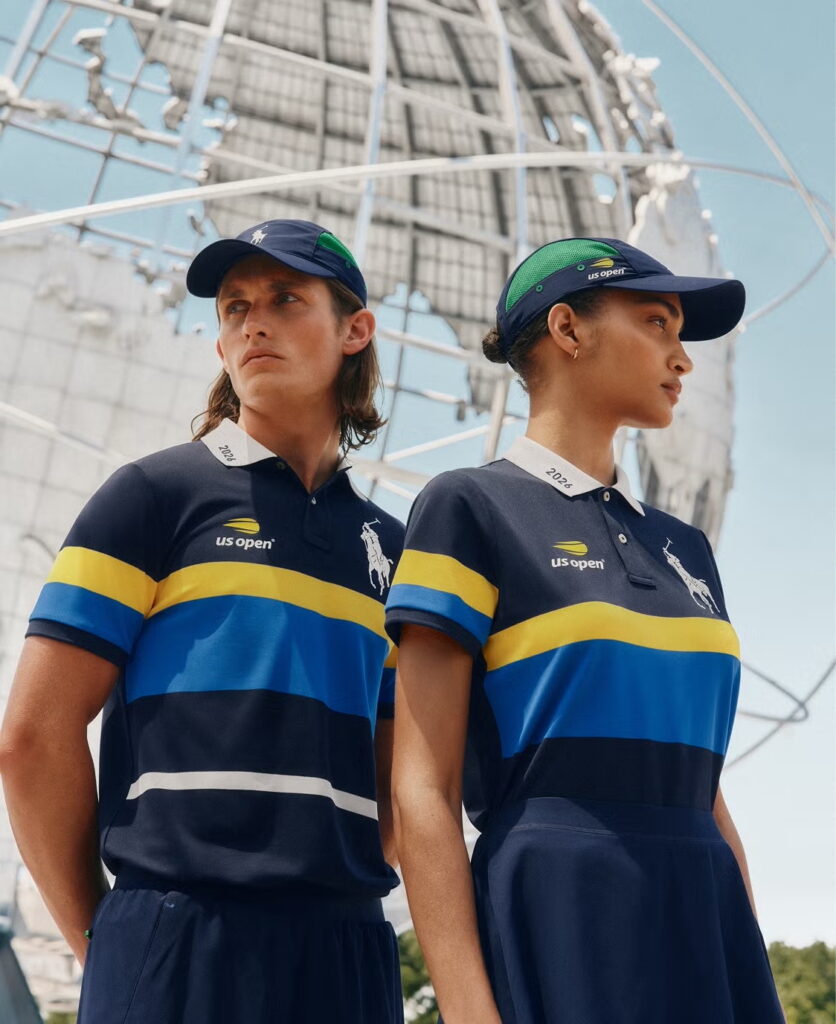
Sport became another important part of that identity. Ralph Lauren’s longstanding association with Wimbledon and its work outfitting the United States Olympic team placed the brand inside internationally recognized sporting traditions. At the US Open, the company’s uniforms and presentation have similarly helped make its visual language part of the tournament environment. The significance is not merely that Ralph Lauren appears at these events. Its clothing becomes part of how those events look and how spectators remember them.
Yet the cultural history of Polo cannot be explained through the company’s own decisions alone.
In Brooklyn during the late 1980s, the Lo Lifes developed a relationship with Ralph Lauren that challenged the social world traditionally associated with the brand. Emerging from neighborhoods including Brownsville and Crown Heights, the group adopted Polo clothing and its recognizable symbols as the foundation of a distinctive identity. Bright colors, oversized graphics, layered pieces, and carefully assembled outfits transformed garments associated with affluent American leisure into a different form of self-expression.
The movement’s early history included shoplifting, an element that should neither be erased nor allowed to define its entire legacy. What endured was a visual culture built around collecting, styling, recognition, and belonging. Polo pieces became objects of knowledge. Particular designs carried status among people who understood their rarity and history. The Lo Lifes were not simply copying Ralph Lauren’s original vision. They were developing their own language from it.
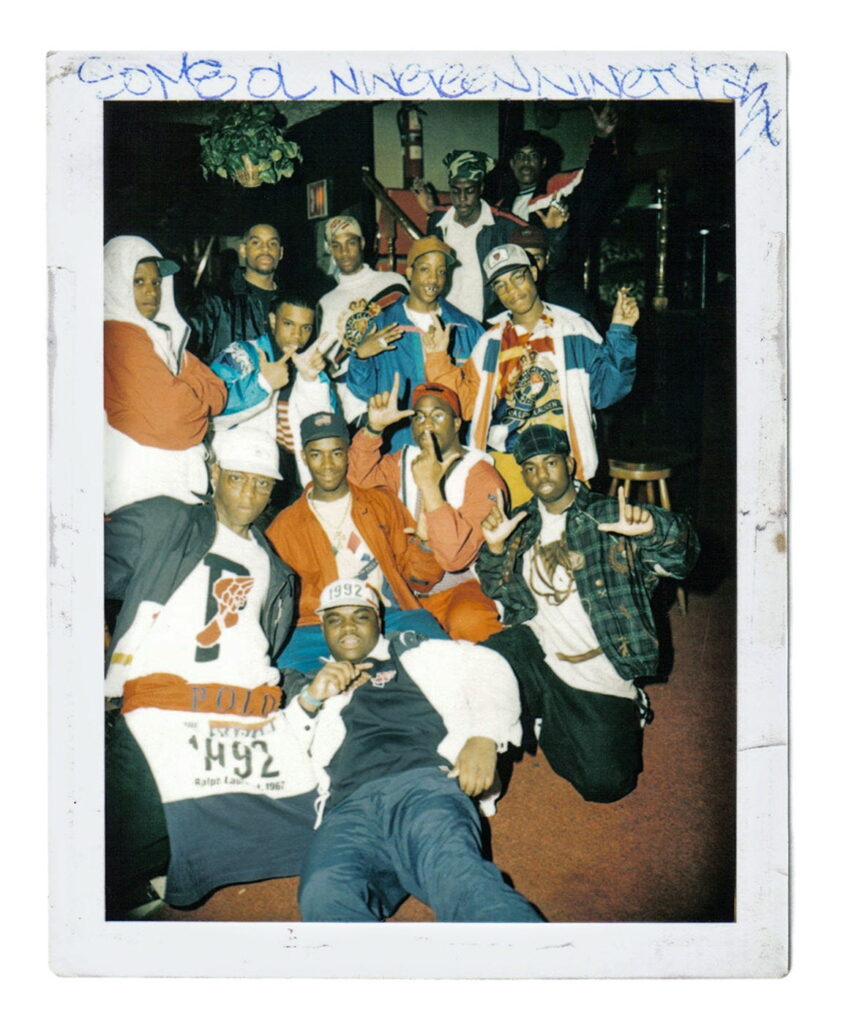
Hip-hop helped bring that language to a wider audience. As Polo clothing appeared in music culture and on artists whose influence extended beyond New York, the brand acquired meanings that could not be contained within its original advertising. The relationship was especially significant because the communities embracing the clothing did not necessarily occupy the privileged settings its imagery frequently depicted. Polo became a means of claiming the symbols of aspiration and making them one’s own.
Ralph Lauren’s advertising history tells another, separate story about the evolution of American fashion imagery.
Tyson Beckford became closely associated with Polo Sport during the 1990s, appearing in athletic campaigns that presented him as an embodiment of strength, elegance, and modern American masculinity. Photographs by Bruce Weber helped establish that image. Beckford’s presence was important within a fashion industry in which Black male models had historically received fewer opportunities to become the defining faces of major luxury brands.
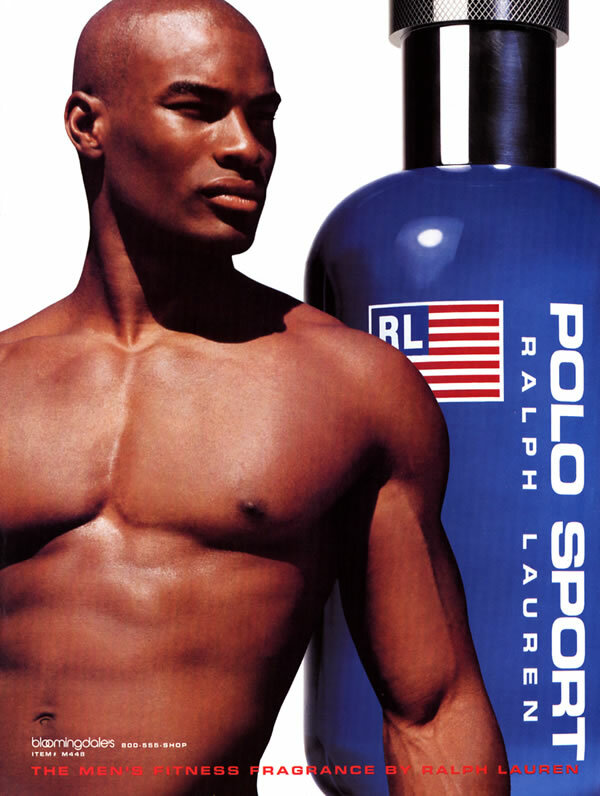
His work should not be confused with the independent history of the Lo Lifes or reduced to hip-hop’s influence on fashion. Beckford occupied a different position: he was part of Ralph Lauren’s own presentation of the brand. That distinction makes his place in the story more meaningful, not less. It shows that the cultural evolution of Polo was happening both inside the company’s advertising and beyond its control.
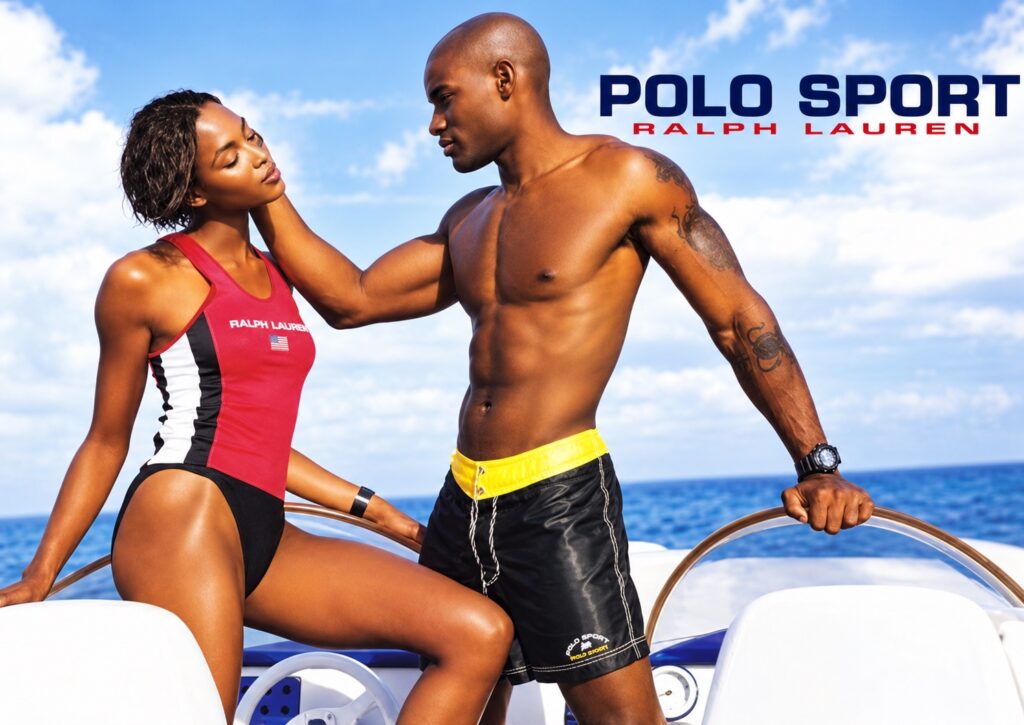
Beckford also appeared alongside Naomi Campbell in Polo Sport imagery during the 1990s. Their shared presence remains a striking example of Black models occupying the center of a major American fashion campaign. The images are historically significant without requiring an unverified claim that they were the first to do so. In January 2026, Beckford returned to the Ralph Lauren runway in Milan, closing the Fall 2026 menswear presentation. More than three decades after his early association with the brand, his appearance connected different periods of Ralph Lauren’s visual history.
These relationships help explain why Ralph Lauren has become more than a collection of products for some of its most devoted followers. Collectors develop expertise around labels, graphics, production periods, and obscure releases. Pieces are preserved, traded, worn, and passed between generations. Shared symbols create recognition among people who may have little else in common. The devotion can resemble a kind of cultural faith, with its own artifacts, rituals, and communities, although the experiences behind that devotion remain different from one place to another.
Japan is particularly important to this history. Ralph Lauren entered the Japanese market in 1976, beginning a relationship that has now lasted 50 years. Over that period, Japanese consumers and collectors developed their own understanding of American clothing, including a detailed appreciation for vintage construction, archival design, and the histories attached to particular garments. Japan’s vintage culture did not begin with Ralph Lauren, nor is it simply an extension of American streetwear. It represents a distinct collecting tradition in which preservation and interpretation can be as important as acquiring something new.
That makes Tokyo a meaningful location for the first PoloFest. The announced event at Jing Harajuku in Shibuya will feature archival exhibitions, a vintage marketplace involving 17 dealers, discussions, and exclusive pieces reworked by Japanese artisans. Participants announced for the marketplace include The Polo Archive, Procell, Metropolis Vintage, Safari, and Tartan Vintage. Admission is complimentary through Ralph Lauren’s LINE membership system, according to the event information.
The program brings together several parts of the brand’s history that usually exist in different settings. Archival clothing represents what Ralph Lauren originally designed. Vintage dealers represent the value that collectors have assigned to those designs over time. Japanese artisans introduce another form of interpretation, showing how established pieces can acquire new lives through craft. The gathering is therefore both a celebration of the brand and a recognition of the people who have helped sustain its relevance.
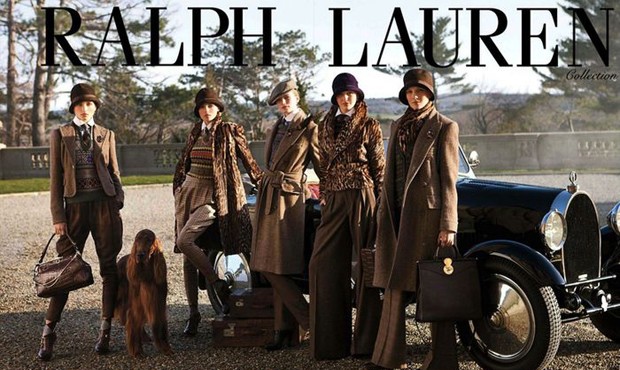
There is a commercial dimension as well. Vintage culture, archival interest, and community gatherings give heritage fashion companies ways to engage consumers beyond seasonal product launches. PoloFest places Ralph Lauren’s history in conversation with an existing collector market and allows the company to participate more directly in communities that have long circulated its products. The event may strengthen those relationships, but that outcome cannot be assumed before it takes place.
Ralph Lauren has described Tokyo as the beginning of a broader series of gatherings ahead of its 60th anniversary. The company has not established the full cultural or commercial impact of that program, and future locations should not be treated as confirmed until announced. For now, the verified development is a three-day event in Tokyo, supported by an announced program that deliberately brings archival fashion, collecting, craftsmanship, and community into one setting.
The larger story is what PoloFest reveals about the endurance of the brand itself. Ralph Lauren created an unusually complete vision of American life, extending from clothing and interiors to restaurants and international sporting traditions. But the company’s longevity cannot be understood only through the world its founder imagined. The Lo Lifes, hip-hop communities, fashion models, Japanese collectors, and generations of customers all contributed meanings that developed on their own terms.
PoloFest is not the beginning of that culture. It is a recognition of cultures that have already existed for decades.
Ralph Lauren created the original world, but its cultural life has never belonged to the company alone.
Related Posts
Jermaine Dupri: The Lawsuit That Exposed a Bigger Problem
Beyond the Lawsuit. Beyond the Numbers. The Real Issue.
The Rainmaker Returns: A Grisham Classic Finds New Life on TV
New Firm. Old Rules. Deadly Secrets.


Netflix Releases Trailer for The Witcher: Sirens of the Deep
Watch the Official Trailer for ‘The Witcher: Sirens of the Deep’

amazon Prime Video Unveils Exclusive trailer of “Like a Dragon: Yakuza” Series
Amazon Video Previews Trailer Based on SEGA’s ‘Yakuza’ Video Gam
Andrew Lloyd Webber’s Broadway Warning Reveals the New Economics of Creative Infrastructure
When creativity meets financial reality
POST COMMENT