

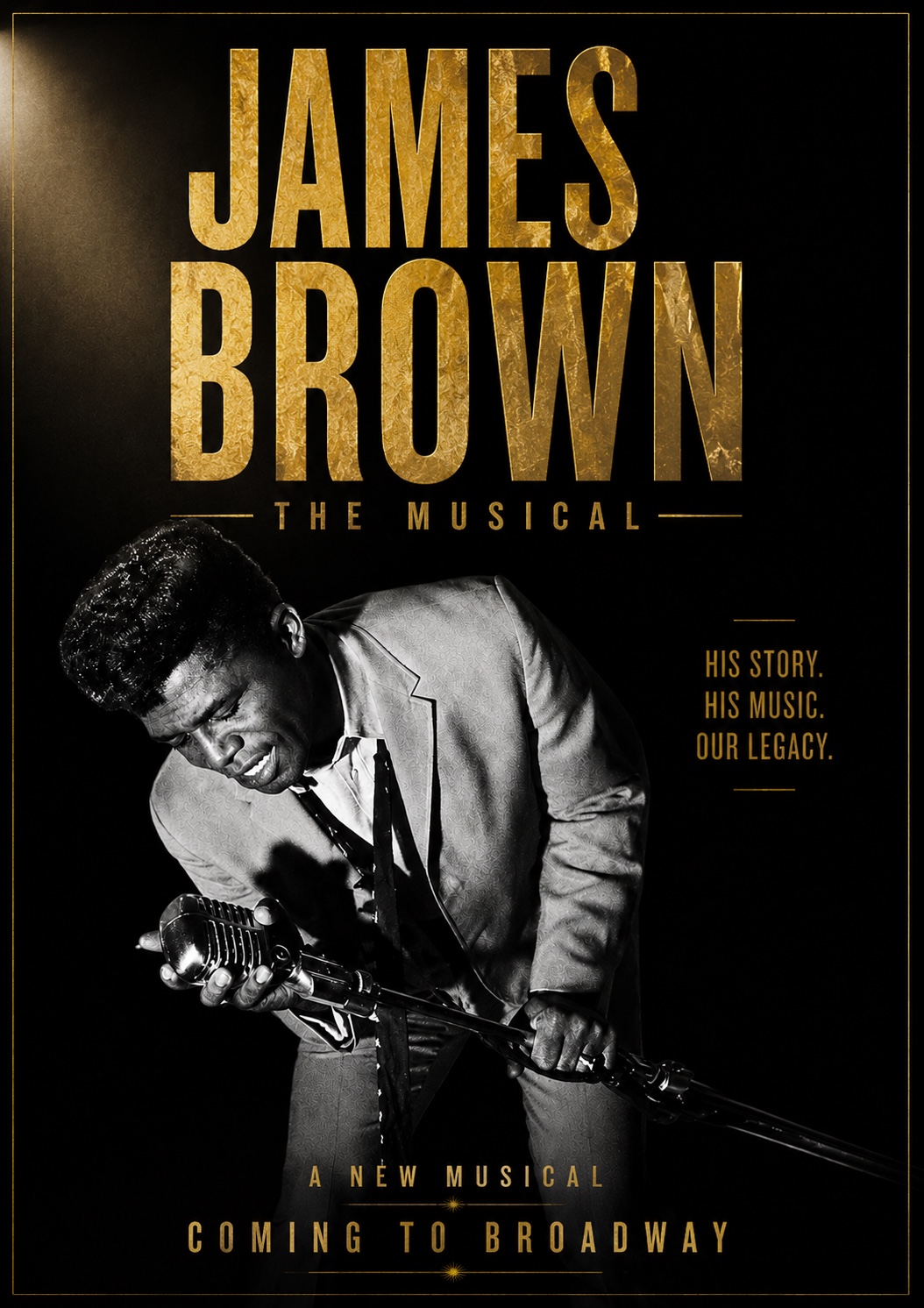
Broadway Is Becoming the Stage Where Music Legends Live On—and James Brown Is Next
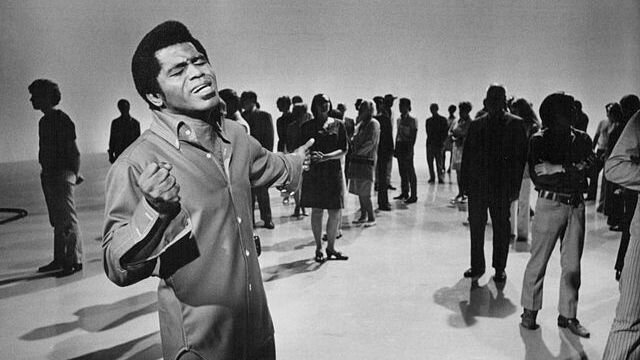
By DaMarko GianCarlo
Broadway has always been a place where stories endure. Increasingly, however, it has taken on another responsibility—one that may prove just as important in the decades ahead.
It has become one of the places where music history is kept alive.
That evolution reflects something larger than theater itself.
We are living through an era defined by speed. Songs are streamed instantly. Videos compete for seconds of attention. Algorithms reward what is new, not necessarily what is lasting. The result is a culture that moves quickly, but often leaves little room to fully understand the people who shaped it.
Broadway asks audiences to do something radically different.
It asks them to stay.
For an entire evening, thousands of people gather to give their full attention to a single story. In an economy built around interruption, uninterrupted attention has become one of entertainment’s rarest experiences.
That is why the growing wave of artist-centered musicals represents more than a successful theatrical trend.
It represents a new role for Broadway itself.
Productions celebrating Michael Jackson, Tina Turner, The Temptations, Carole King, Neil Diamond, and other influential artists have demonstrated that audiences are looking for more than familiar songs. They are looking for the lives behind the music—the decisions, sacrifices, triumphs, and failures that transformed extraordinary performers into enduring cultural figures.
The announcement of James Brown: The Musical, developed with the participation of Brown’s family, continues that evolution.
It is not simply another biography.
It is another chapter in Broadway’s expanding role as a steward of musical history.
Every medium preserves something.
Records preserve sound.
Film preserves images.
Books preserve ideas.
Broadway preserves time.
For a few hours, an audience does more than listen to an artist’s music. It experiences the journey that produced it. The songs become part of a larger story about ambition, resilience, innovation, and purpose. History is no longer observed from a distance. It becomes immediate, shared, and deeply human.
Few artists deserve that treatment more than James Brown.
His influence extends far beyond an extraordinary catalog of recordings. He transformed rhythm, redefined live performance, reshaped funk and soul, and established a blueprint that continues to influence generations of performers—from Michael Jackson and Prince to Bruno Mars and countless contemporary artists. His innovations became part of the foundation upon which modern popular music was built.
Yet James Brown’s significance reaches beyond influence alone.
His life tells a broader American story.
A story of perseverance.
Of creative ownership.
Of entrepreneurship.
Of navigating race, business, fame, and artistic independence while redefining what was possible for generations of performers who followed.
Those themes elevate this production beyond entertainment.
They place James Brown within the larger story of American culture itself.
That may be why Broadway has become the natural home for these productions.
A concert celebrates an artist’s greatest moments.
A musical explores the life that made those moments possible.
As streaming platforms continue to make music infinitely accessible, live theater offers something increasingly valuable: context. It reminds audiences that behind every legendary performance was a human being whose choices, convictions, and determination changed the direction of culture.
Perhaps that is Broadway’s greatest evolution.
It is no longer simply adapting music for the stage.
It is preserving the lives that transformed music.
James Brown is not coming to Broadway because audiences already know the songs.
He is coming because some stories deserve more than instant access.
They deserve our time.
And in an age where attention has become one of culture’s most valuable resources, Broadway may have discovered one of its most important purposes—not simply entertaining audiences, but ensuring that the artists who shaped modern music continue to shape the generations still to come.
Related Posts
Tamla Was the Blueprint. Now It’s the Test Again
Motown Isn’t Going Back. It’s Reinstalling the System
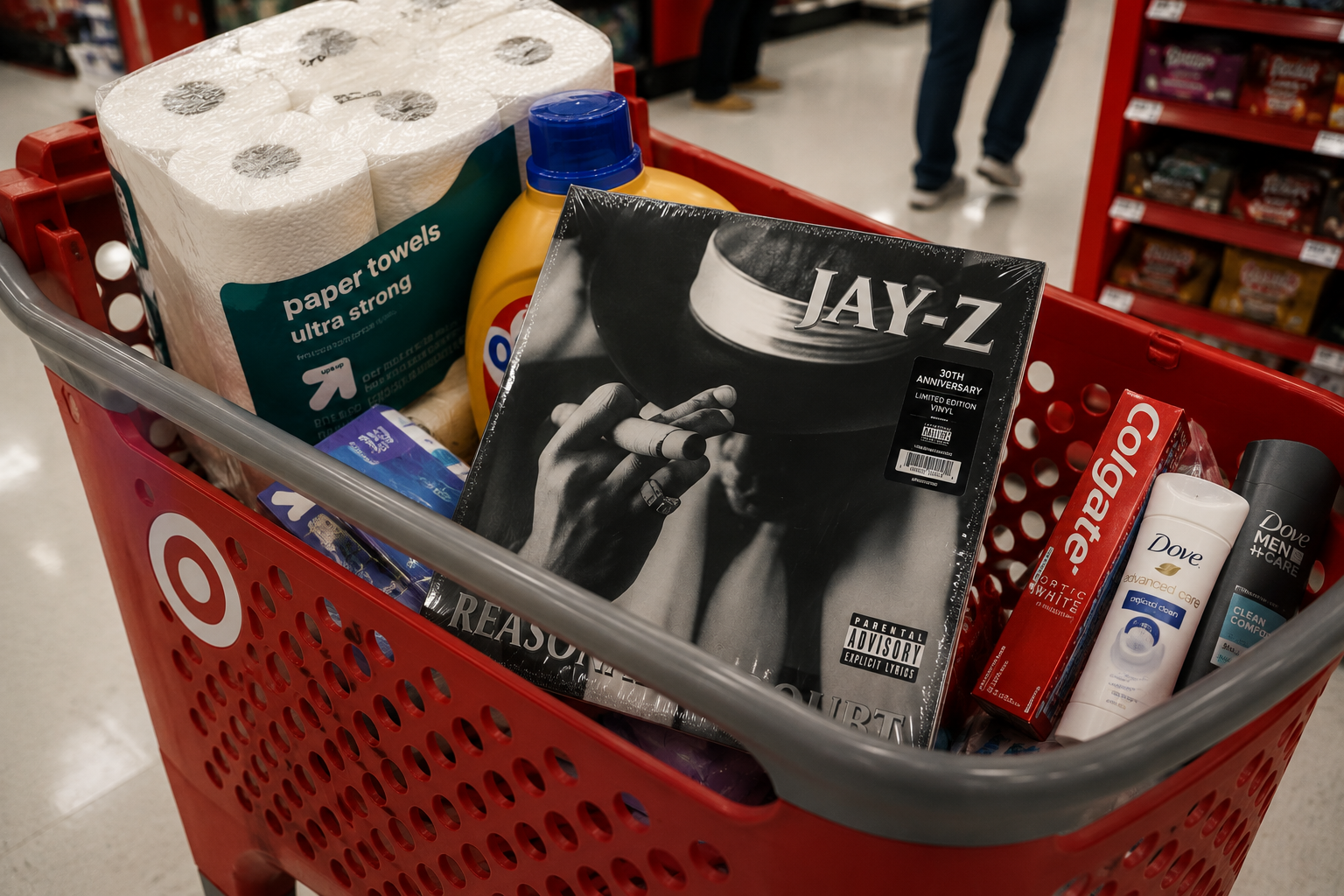
Thirty Years Later, Target Is Preserving the Legacy of Jay-Z’s Reasonable Doubt
From Independent Release to National Retail
The Middle-Class Actor Is Being Engineered Out
Proof now matters more than performance

Sports Infrastructure Is Becoming Real Estate Infrastructure — And Miami Is Next
The Sports District Era Has Arrived
Dolly, We Will Always Love You
By DaMarko GianCarlo There are famous people, and then there are peopl

Sadder, Bloodier, Better: Netflix Confirms Cyberpunk: Edgerunners 2
Night City bleeds once more.