

Buildings that once distributed culture are now hosting it
By Lionel Dupont
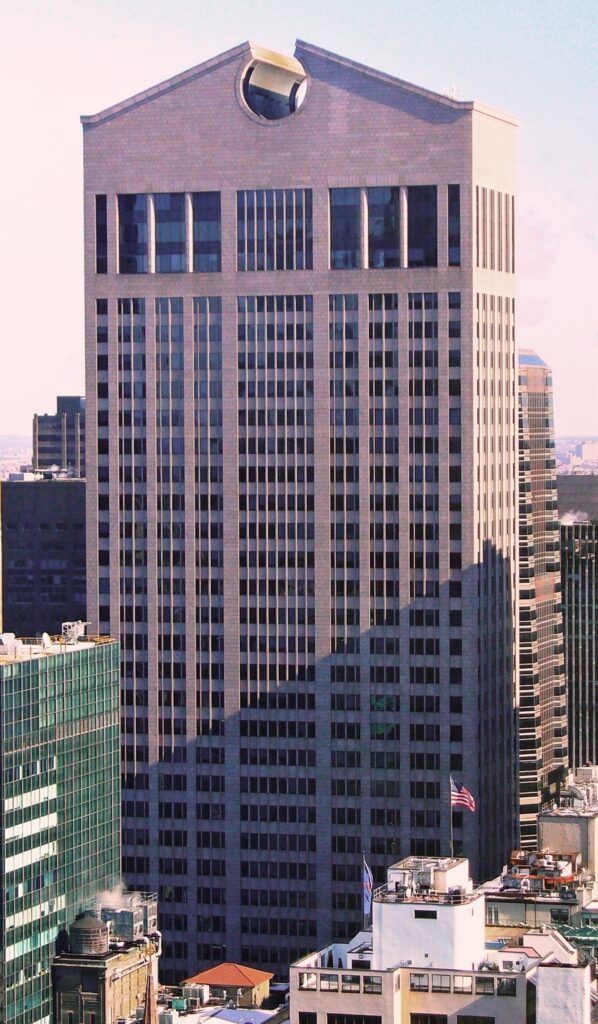
There was a time when buildings like 550 Madison Avenue didn’t need to invite you in. They didn’t need atmosphere, or warmth, or even a reason to be entered casually. They existed as containers for power—corporate, institutional, infrastructural. What happened inside those walls determined what the public would eventually see, hear, and consume. The building was not the experience. It was the source.
That era operated on distribution. Signals moved outward. Decisions were made in private and delivered at scale. The public interacted with the output, not the room where it was decided.
But something fundamental has shifted—and it didn’t happen online first. It happened quietly, physically, inside the same structures that once defined centralized authority.
Today, those buildings are being rewritten.
Not abandoned. Not replaced. Reprogrammed.
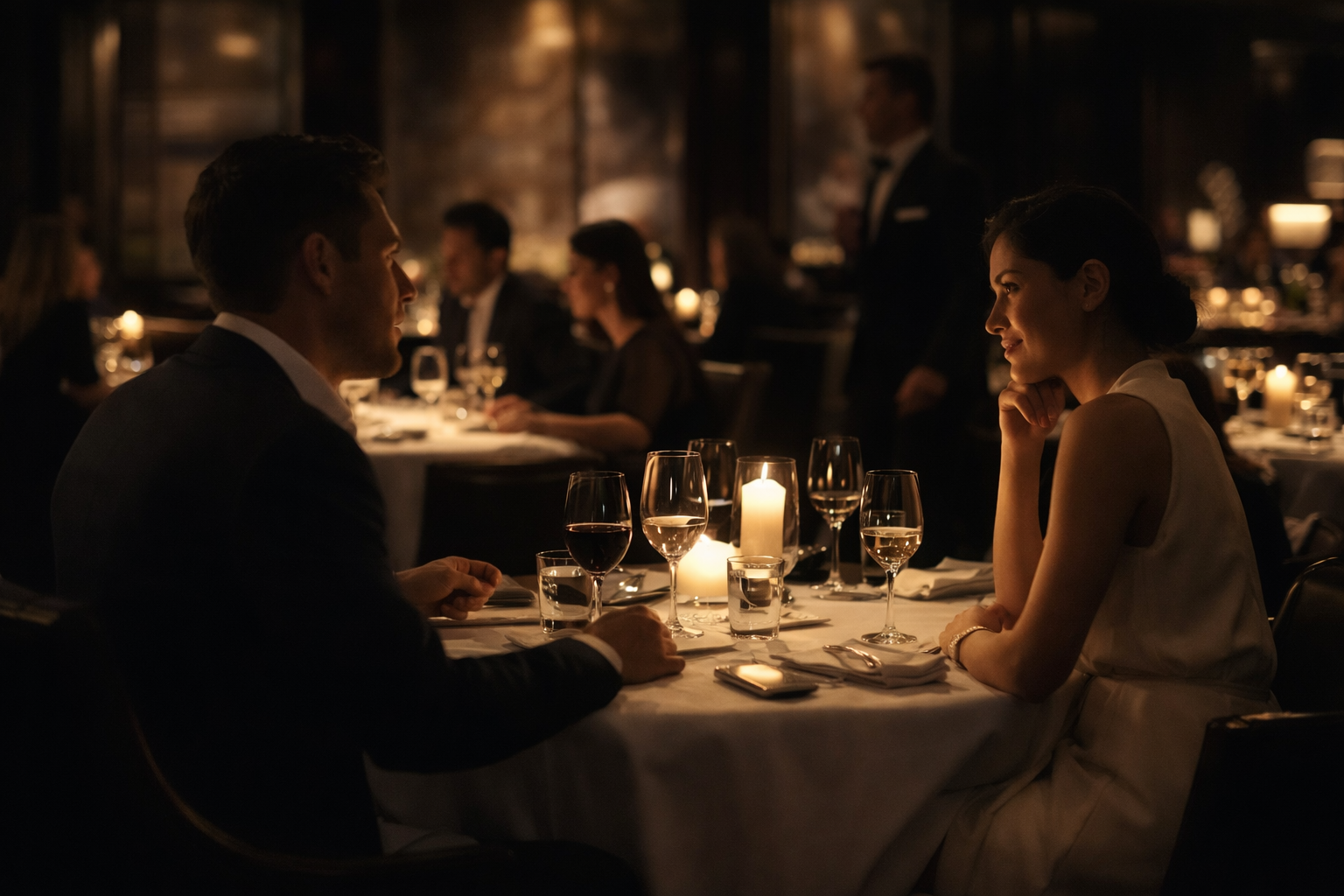
Inside 550 Madison, the logic is no longer broadcast—it’s hospitality. Concepts like COTE Korean Steakhouse, Sushi Yoshitake, and Bar Chimera don’t just occupy space—they organize it. They choreograph movement, attention, access. They turn square footage into sequence. You don’t passively receive what happens there. You enter it, sit within it, document it, and circulate it yourself.
The building hasn’t lost its authority. It has changed its function.
What once distributed culture now hosts it.
This is the critical distinction. Distribution was about control at a distance. Hosting is about control through environment. It’s not just what is shown—it’s how it’s felt, how long you stay, who you’re next to, what you pay to be there, and what you take with you when you leave. The room becomes the medium.
And the people stepping into these rooms are not just restaurateurs. Operators like Simon Kim understand that dining is no longer isolated from culture—it is one of its primary engines. When partners like Nas enter the equation, the model becomes even clearer. This is not endorsement. It is participation in infrastructure. Cultural figures are no longer waiting to be placed inside narratives. They are helping design the spaces where those narratives are experienced.
That shift reframes everything.
Because if culture once moved through channels, it now moves through rooms.
The implication is larger than any single address. When a building like 550 Madison transitions from a site of corporate broadcasting to a site of curated presence, it signals a broader reallocation of power. The center didn’t disappear. It adapted. It turned inward, became experiential, and began monetizing attention at the level of proximity instead of scale.
You don’t just see culture anymore. You go to it.
And in going to it, you participate in it.
This is why the address matters. Not because it is iconic, but because it was once definitive. It represented a model of control that shaped decades of media and communication. To see that same structure now operating as a destination for experience is to watch a system evolve in place rather than collapse. The architecture remains. The logic changes.
The office became the host.
And hosting is not passive. It is selective. It determines entry, sets conditions, and defines the terms of engagement. It decides not only what culture looks like, but who gets to be inside it when it happens.
This is where the modern cultural economy is consolidating—not in feeds, but in environments. Not in mass reach alone, but in controlled presence. The future is not just about visibility. It’s about where visibility happens.
And increasingly, that place has walls.
Related Posts

Stack Athletics Unveils New Summer 2024 Pickleball Apparel Collection
Stack Athletics Unveils New Summer Pickleball Apparel Collection

VENOM #250 Brings the God of Symbiotes Back to Earth—and Mary Jane Into the Fight of Her Life
The God of Symbiotes Rises Again

Alo Didn’t Expand Into Europe — It Mapped Luxury Territory
Curated Calm

Lobos 1707 Tequila & Mezcal Unveils “Agent 1707” Starring LeBron James And Victoria Justice
LOBOS 1707 TEQUILA LAUNCHES CAMPAIGN
Luxury Brands Don’t Want Customers Anymore — They Want Geography
Atmosphere Is the New Status Symbol

Stage Adaptation of Prince’s ‘Purple Rain’ in the Works
A stage adaptation of Prince's film Purple Rain, is currently in the w