

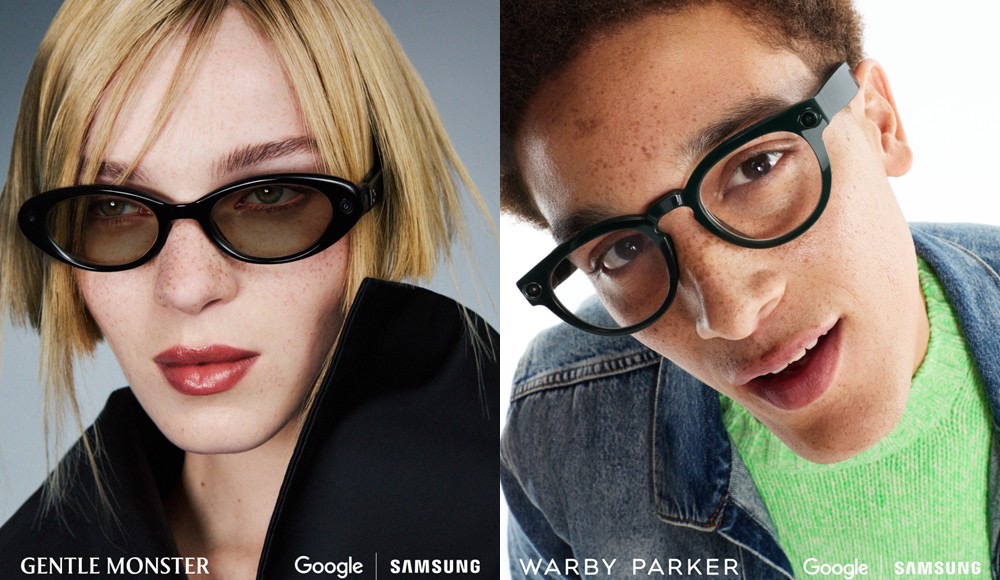
Why Google Chose Gentle Monster and Warby Parker
By Brian K. Neal
years, Silicon Valley believed the future of wearable technology was a hardware problem.
Smaller chips.
Better batteries.
Sharper displays.
More computing power packed into lighter frames.
But the collapse of early smart glasses revealed something much deeper:
people do not wear technology on their face unless it first survives culture.
That was the real failure of Google Glass.
The device arrived before society understood why it should exist. More importantly, it looked like surveillance before it looked like identity. Wearing them felt socially louder than the utility they provided. The technology worked well enough. The cultural positioning did not.
Now Google appears to understand that lesson.
Its partnerships with Gentle Monster and Warby Parker reveal something far more sophisticated than a product launch. This is infrastructure thinking. Not technological infrastructure alone — cultural infrastructure.
Because the future of AI wearables may depend less on what the glasses can do and more on what wearing them communicates socially.
That is where the partnerships become strategic.
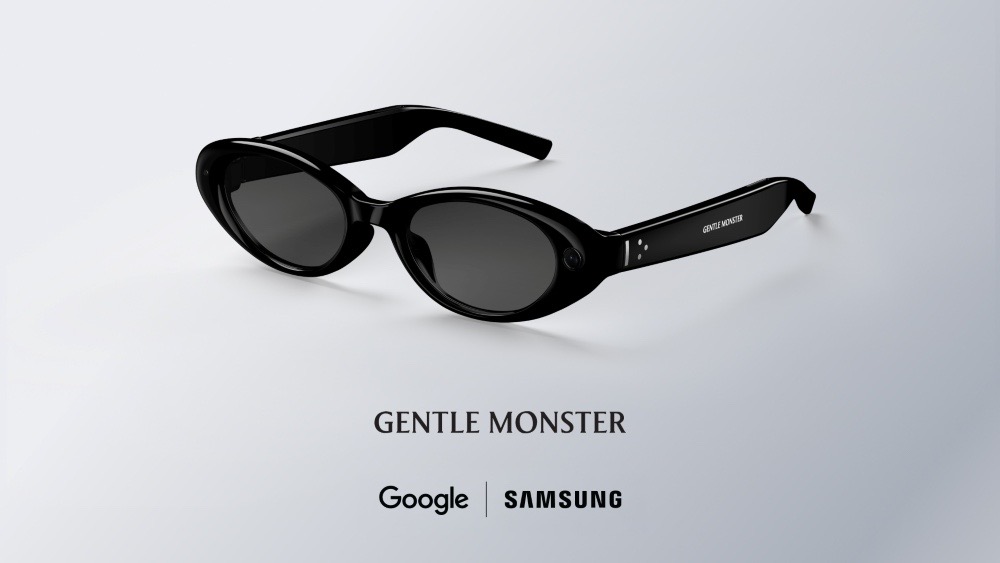
Gentle Monster represents fashion authority, editorial edge, celebrity alignment, and cultural futurism. Its eyewear already exists inside the visual ecosystems that shape aspiration. The brand’s stores feel more like installations than retail environments. Its frames already carry the language of “near future” without feeling robotic. Wearing Gentle Monster signals participation in contemporary fashion culture before technology even enters the conversation.
Warby Parker occupies the opposite lane with equal importance.
Reliable.
Professional.
Educated.
Approachable.
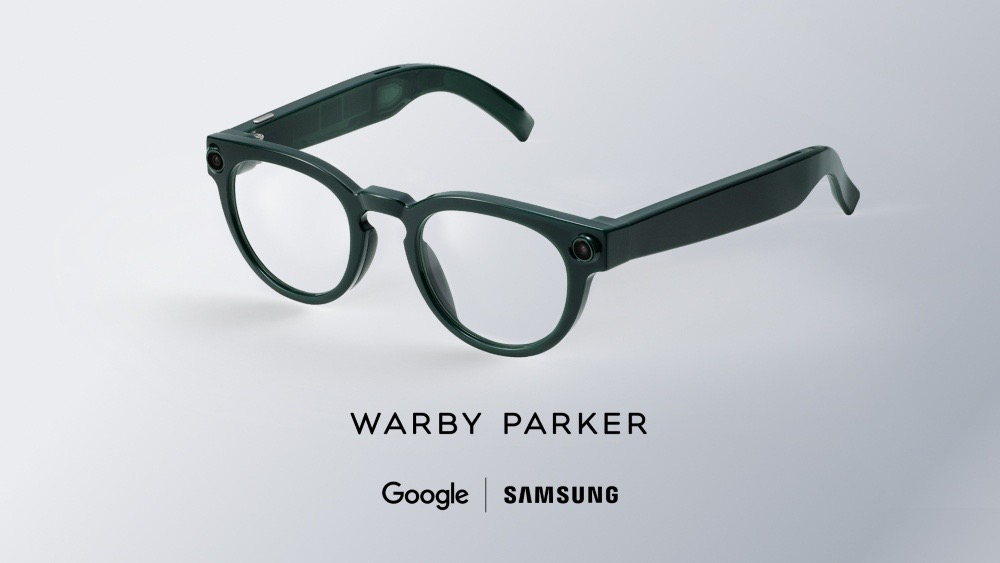
Warby Parker frames do not demand attention. They integrate into everyday life with just enough style to feel intentional without creating social friction. They normalize adoption.
Together, the partnerships reveal a larger strategy:
Google is not designing one wearable identity.
It is designing multiple paths toward social acceptance.
That matters because wearable computing operates differently than phones. Phones can remain private. Glasses cannot. Eyewear sits directly inside human identity performance. Every pair communicates taste, class alignment, profession, generation, and personality before a single feature is activated.
People do not ask:
“What processor does this use?”
They ask:
“What does this make me look like?”
That question may ultimately determine the winner of the smart glasses race.
Meta understood part of this with Ray-Ban. The partnership succeeded because Ray-Ban already possessed universal cultural familiarity. Meta made smart glasses feel socially acceptable by hiding technology inside an iconic silhouette people already trusted.
But Google’s strategy appears more segmented and culturally layered.
Ray-Ban represents timeless mass-market cool.
Gentle Monster represents fashion-forward cultural relevance.
Warby Parker represents everyday professional normalcy.
Those are not redundant partnerships. They are social archetypes.
The deeper signal is that AI is beginning to leave the screen entirely.
For two decades, the smartphone centralized digital life into the hand. But the next era of computing may decentralize technology back into physical space itself. Ambient AI does not wait to be opened. It exists alongside you continuously — observing, translating, assisting, contextualizing, and responding in real time.
That transition changes everything about interface design.
Once technology moves onto the body, aesthetics become infrastructure.
Fashion becomes interface design.
Identity becomes product strategy.
Silicon Valley historically treated fashion as decoration layered onto hardware after the engineering was complete. But wearable AI may force technology companies to admit something they long resisted:
culture determines adoption before capability does.
Which means the companies shaping the future of computing may no longer be just engineers.
They may be stylists, architects, designers, editors, and fashion houses deciding what the future is allowed to look like.
And that may be the most important shift of all.
Citizen Walk-Away
The first era of smart glasses tried to make technology wearable.
The next era is trying to make technology socially desirable.
Related Posts
Apple Arcade Levels Up with NBA 2K26 and Its All-New Eras Mode
Every Era, Every Legend

Zelda’s Hidden Battle Comes Into Focus
The Missing War in Zelda’s Timeline — Finally Played.
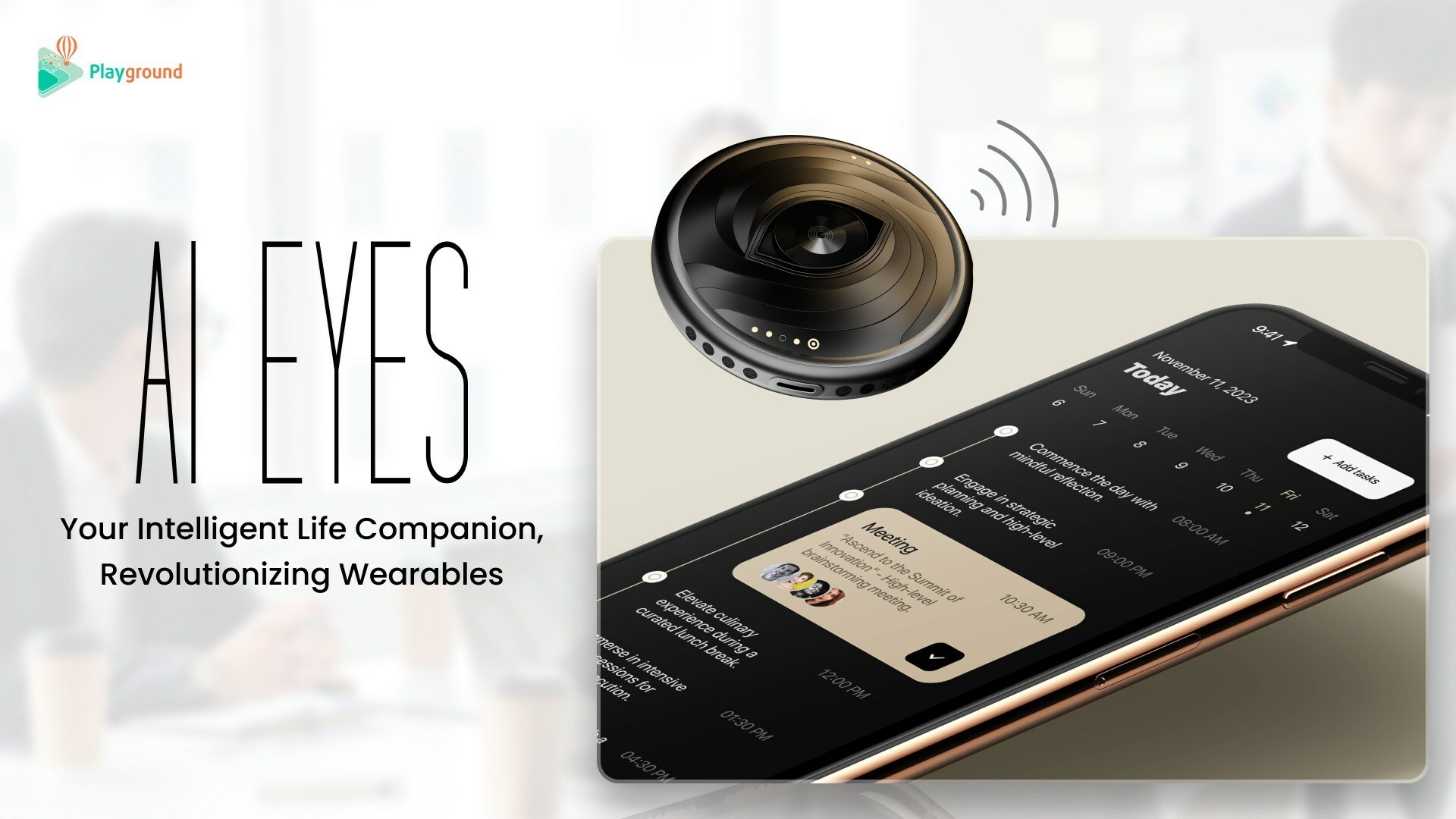
Playground’s AI EYES Transcends Smartphone Boundaries with “Another Eyes”
Playground, a Singapore-based global IT company with hubs in South Kor
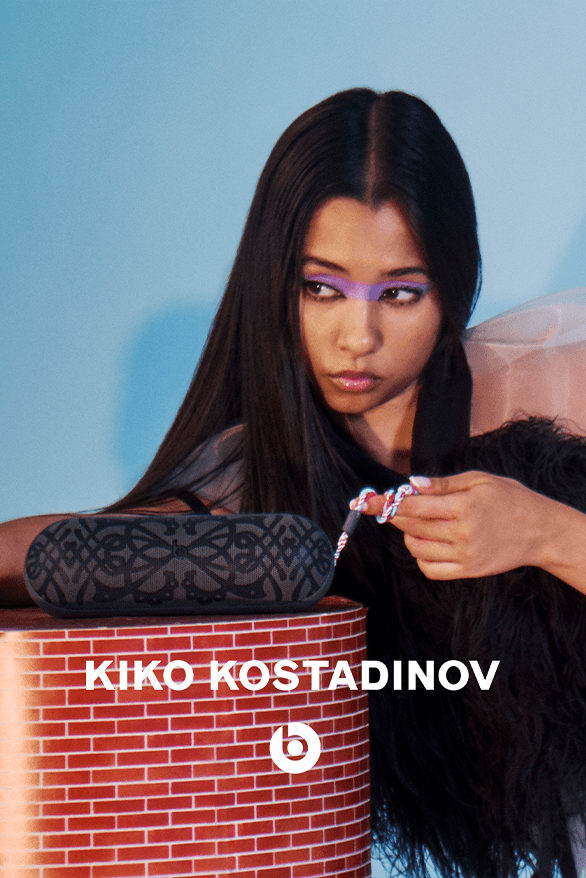
The Beats Pill Gets a Cultural Remix with Kiko Kostadinov
Portable Sound, Global Storytelling

Samsung’s Groundbreaking Sleep Apnea Detection Feature on Galaxy Watch Receives First FDA Approval of Its Kind
Sleep Apnea Feature on Galaxy Watch Authorized by US FDA
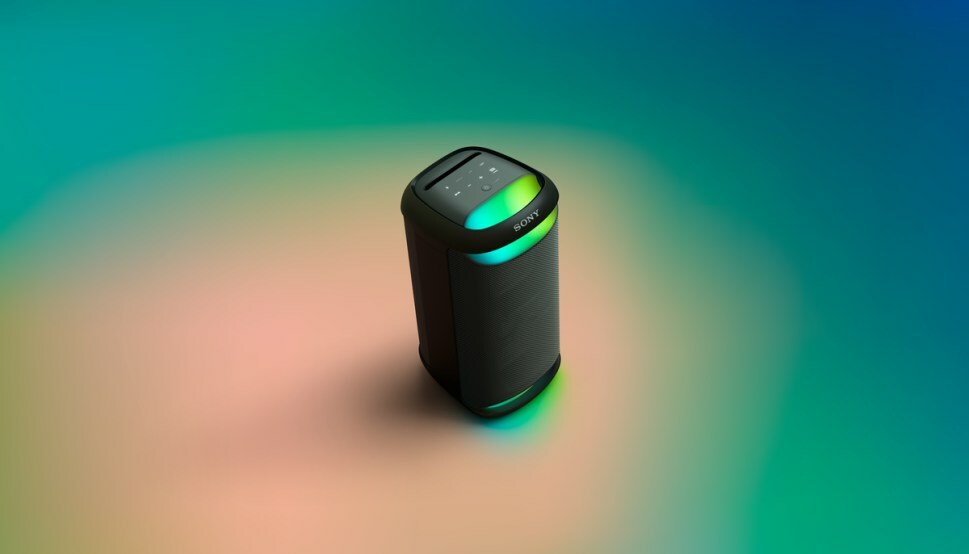
Sony Electronics has launched the SRS-XV500, a cutting-edge party speaker designed for portable and powerful sound at any celebration
Sony has unveiled the latest addition to its lineup SRS-XV500