

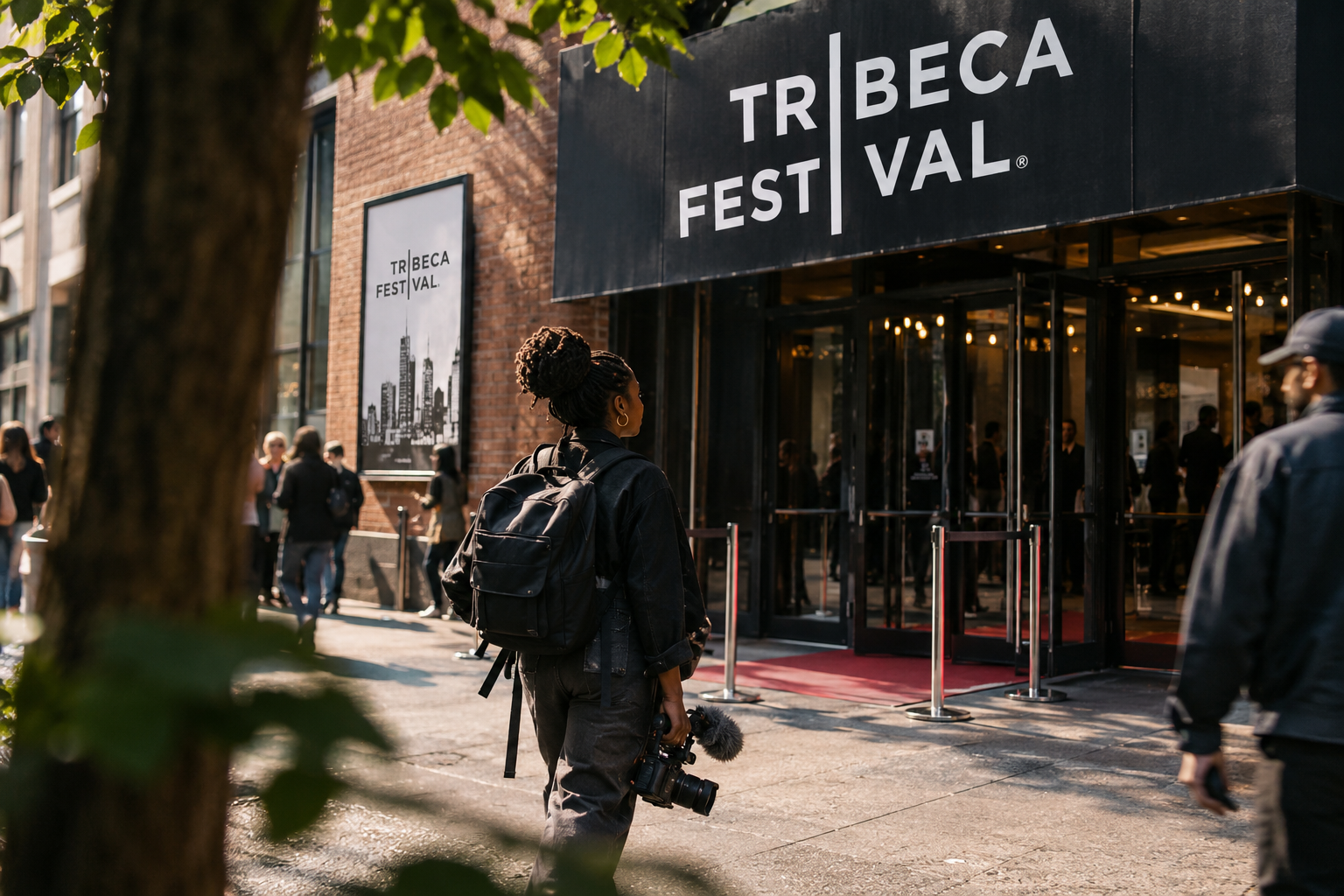
Tribeca Is Rewriting the Rules of Entry
By Kyra Greene
For much of the history of film and television, access to an audience was largely dependent on access to an institution. Studios, networks, distributors and festivals helped determine which stories reached the public and which storytellers entered the industry. Digital platforms have complicated that relationship, allowing independent creators to develop their voices, establish audiences and build recognizable bodies of work outside those traditional structures. Now, some of the institutions that historically governed access to entertainment are adjusting their own rules to accommodate them.
Tribeca is among them.
Through its 2027 Digital Creators submission category, the Tribeca Festival is formally recognizing storytellers whose work lives across social media platforms, including YouTube, Instagram and TikTok. Selected creators will receive official festival recognition, eligibility for the Tribeca Digital Creators Award and automatic entry into the Tribeca Market, where they will have opportunities to pitch projects to entertainment industry professionals.
The significance of the program is not simply that digital creators are being invited to a film festival. It is that they are being incorporated into its professional infrastructure.
The distinction becomes clearer when examining the festival’s previous submission requirements. Introduced in 2014, Tribeca NOW, short for New Online Work, established a space for emerging digital storytelling. Among the projects it recognized was High Maintenance, the independent web series that would later find a home at HBO.
As recently as 2025, however, Tribeca NOW was structured around episodic productions. Its entry regulations accommodated independent narrative and documentary series, including web series and pilots, but required submitted projects to demonstrate potential for continued development. Standalone short films were excluded from the category.
On December 18, 2025, Tribeca announced an expansion of the program to formally include social media creators. The decision widened the scope of consideration beyond the established episodic framework, acknowledging that original storytelling was already taking place across platforms that did not necessarily adhere to conventional production formats.
By April 2026, the festival had announced ten official selections under its expanded Tribeca NOW programming. Submissions were assessed not exclusively on individual projects but on the creator’s broader body of work, artistic voice and cultural contribution.
Tribeca Festival Senior Programmer Jarod Neece described the participating creators as “world-builders, community architects, and pioneers of an entirely new pathway into the industry.”
The selections illustrated the breadth of that pathway. Jeb McCormick’s 15 Second Film explored the possibilities of storytelling within an extraordinary constraint of time. Hugh Coles’ Sideline Archive examined the cultural history embedded in sports memorabilia, while Taj Rani’s That’s That on That documented overlooked contributions to Black history and popular culture.
These were not simply abbreviated versions of traditional films. They represented distinct approaches to storytelling developed within the environments where their audiences already gathered.
For its 2027 festival, Tribeca has established separate submission pathways for independent episodic productions and digital creators. The former now falls within Tribeca TV, alongside productions from studios, networks and streaming services. The latter operates under Tribeca Digital Creators.
The distinction allows independent storytellers to be considered without necessarily reshaping their work into the structure of a television pilot or episodic production. Tribeca’s published criteria instead emphasize originality, storytelling ability, audience relationships and diverse perspectives.
It is a meaningful adjustment to the relationship between creative work and institutional recognition.
For an independent creator, the ability to establish an audience without a distribution agreement has existed for years. The internet made that possible long before cultural institutions developed formal mechanisms to recognize it. What Tribeca is doing is bringing some of those mechanisms into alignment with an existing creative economy.
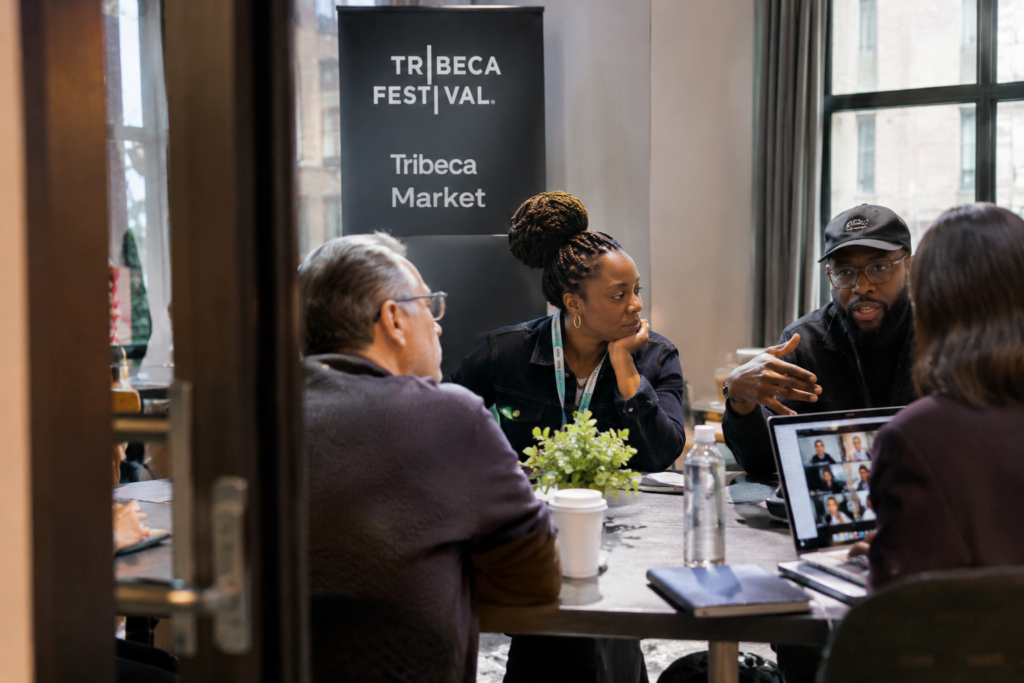
The commercial dimension deserves equal attention. Official selections under the 2027 Digital Creators category will automatically enter the Tribeca Market, providing opportunities to present new projects to potential collaborators, financiers and distribution partners.
Industry market access is not entirely new to Tribeca NOW. Independent episodic filmmakers selected in previous years were also invited to participate. What has changed is the range of storytellers eligible to enter that environment.
That distinction matters. Recognition can introduce a creator to new audiences, but access to professional relationships can influence what that creator is able to produce next. A filmmaker working independently on a phone, a documentary storyteller publishing through Instagram or a comedian developing original characters on TikTok may now pursue institutional recognition through work already established outside traditional entertainment channels.
None of this guarantees a production agreement, financing or distribution. Nor does an established social media following guarantee selection. Tribeca retains its curatorial authority, and the commercial outcomes of participation remain uncertain.
The festival is not abandoning its commitment to cinema. It is accommodating a broader understanding of where storytelling originates and how creative talent develops.
Submissions for the 2027 Digital Creators category opened on September 30, 2026. The official deadline is December 2, with a $40 entry fee. An extended submission period runs through February 3, 2027, with a $60 fee. The festival is scheduled to take place June 3 through June 12 in New York City.
More than a decade after introducing Tribeca NOW, the institution is continuing to reconsider the relationship between independent storytelling and the entertainment industry.
For generations, storytellers have approached cultural institutions seeking an opportunity to reach an audience. Today, some arrive having already found one.
Tribeca is rewriting its rules to meet them there.

DaMarko GianCarlo
DaMarko GianCarlo is the founder and Editor-in-Chief of GREAY Magazine, an independent publication examining the people, ideas, and industries shaping contemporary pop culture. Working across editorial direction, photography, and production, he approaches publishing as both a creative practice and a system for documenting culture. His work reflects a commitment to original storytelling, independent journalism, and the human experiences behind the stories GREAY tells.
Related Posts
Nike’s Rejuven8 Returns: A 2008 Icon Reimagined for 2026
The Comeback Sneaker

Chameleon Unveils Upcoming Cold-Brew Coffee Varieties Inspired by Girl Scout Cookie™ Flavors
Chameleon Organic Coffee®, renowned for its consciously crafted bottl

Volcanic Roots, Modern Rituals: Clase Azul’s Latest is a Smokey Ode to Jalisco
Fire, Earth, and Elegance
Where Fashion, Art, and Culture Unite: H&M, Ev Bravado, and Téla D’Amore Collaborate on a Collection Featuring Jean-Michel Basquiat’s Works
H&M, Ev Bravado, and Téla D'Amore Collaborate
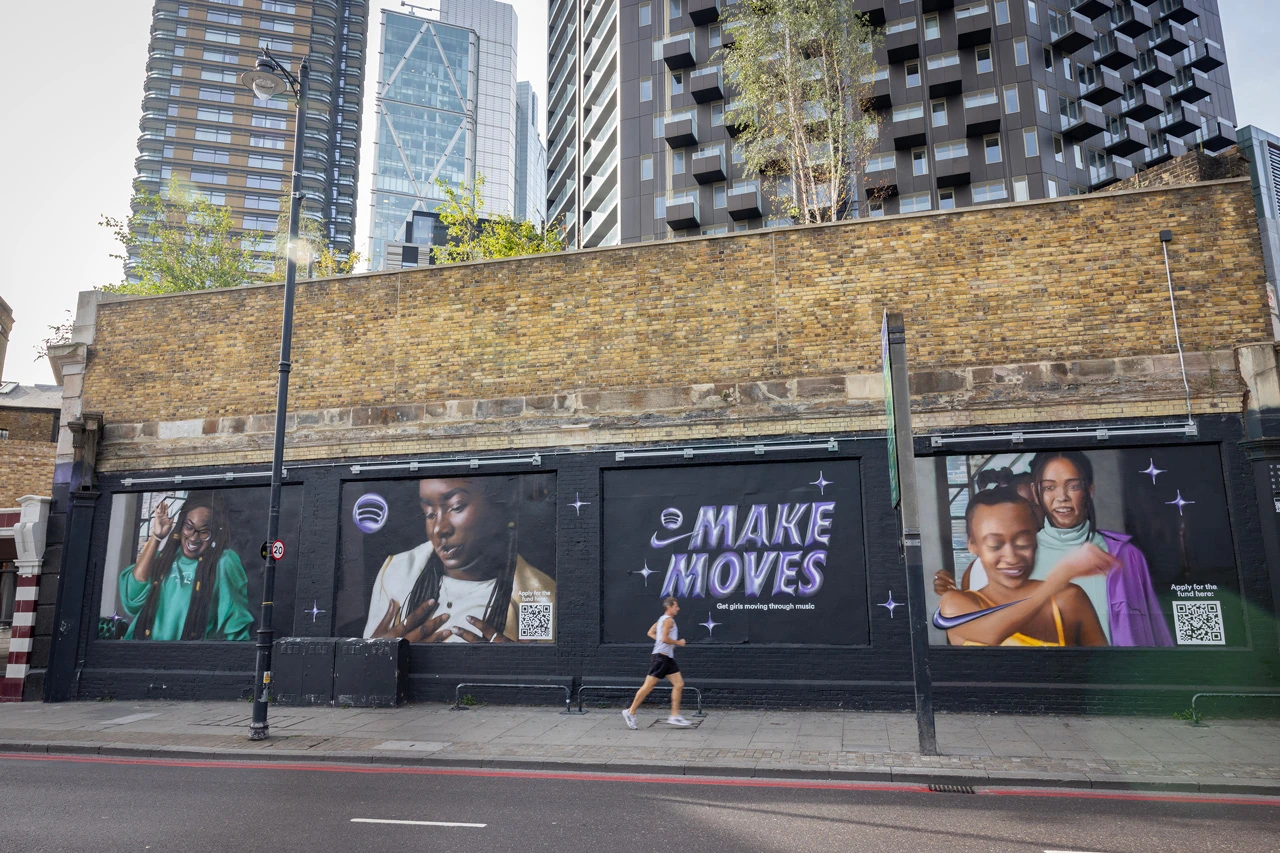
The collaboration between Nike and Spotify is sparking a transformative movement in the UK with the introduction of the Make Moves Fund
By Tucker Adams In the United Kingdom, a remarkable movement of libera
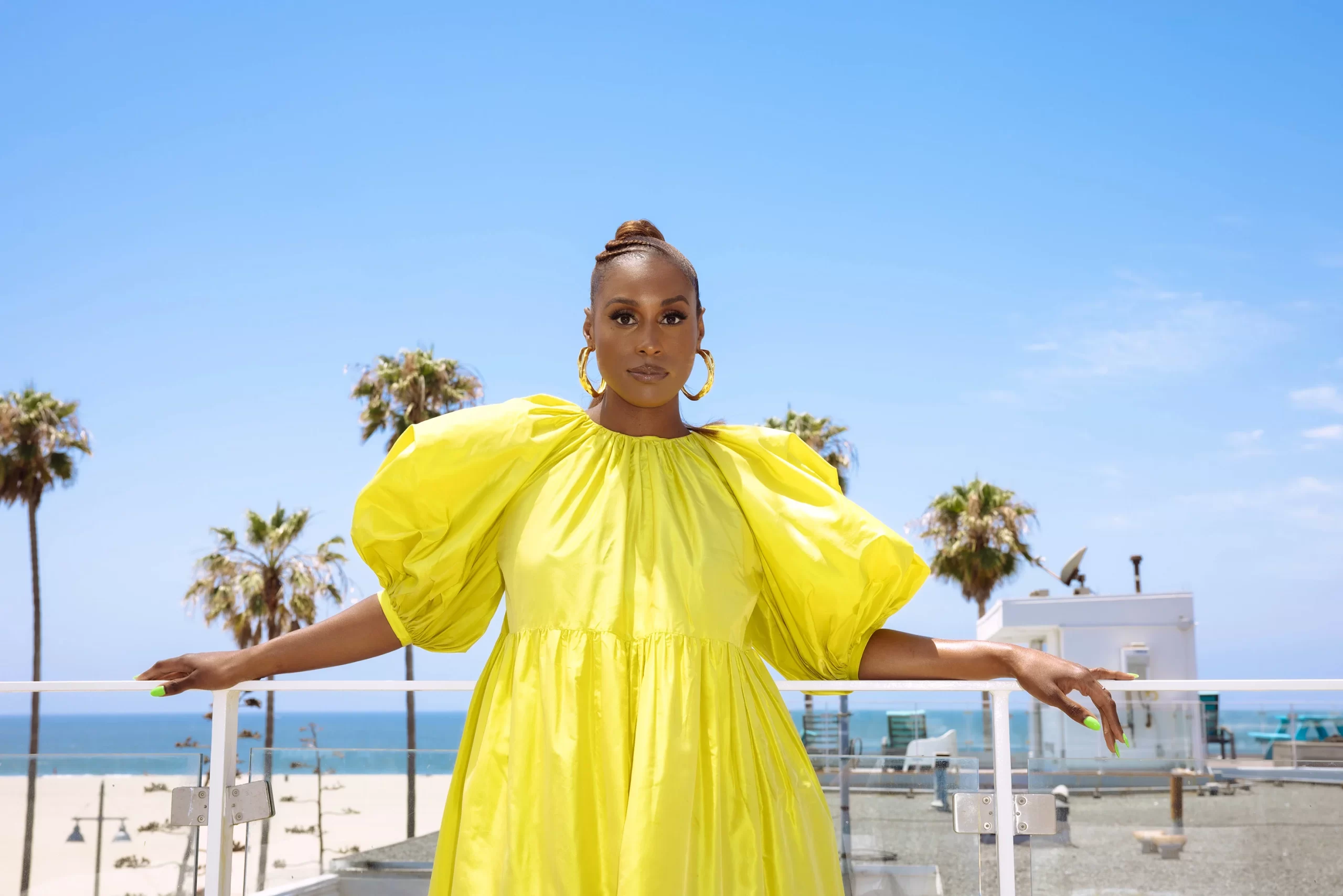
Actress Issa Rae And Alabama Linebacker Dallas Turner Among Investors Acquiring Team USA in Sailing League
ssa Rae and Alabama linebacker Dallas Turner have joined a diverse gro
POST COMMENT