
The Next Instagram Creator May Look More Like a Showrunner Than an Influencer
By Lucy Caldor
For years, social media rewarded creators for capturing attention.
The formula was straightforward. Create something interesting, publish it, hope it travels. Success was often measured by views, likes, shares, and the ability to break through an increasingly crowded feed.
But the most successful creators today are operating under a different set of assumptions.
They are no longer thinking exclusively about the next post.
They are thinking about the next episode.
Meta’s reported testing of a new Series feature for Instagram and Facebook Reels may appear to be a minor product update. The feature allows creators to organize content into episodic collections, helping audiences move from one installment to the next.
On the surface, it is a simple organizational tool.
Beneath the surface, however, it may reveal something much larger about the direction of media.
The creator economy is beginning to resemble television.
Not because creators are producing television shows, but because they are increasingly adopting the mindset that made television successful in the first place.
The best creators on the internet are no longer building isolated moments. They are building systems.
A travel creator is not sharing a single destination.
They are creating an ongoing journey.
A photographer is not publishing a single image.
They are inviting audiences behind the scenes of an evolving body of work.
A technology commentator is not reacting to one headline.
They are building a framework through which audiences understand the world.
The individual post still matters.
But increasingly, it serves a larger narrative.
This is where the comparison to showrunners becomes useful.
A traditional influencer often focuses on the performance of a specific piece of content.
A showrunner focuses on continuity.
One asks how a post will perform.
The other asks why someone will return.
That distinction may become one of the most important competitive advantages in the creator economy.
For years, platforms competed to help creators reach new audiences. Discovery became the defining metric of the social era. Algorithms were built to introduce content to strangers and maximize exposure.
But exposure alone does not create loyalty.
Being found is valuable.
Being remembered is invaluable.
The next chapter of digital media may belong to creators who understand that attention is only the beginning of the relationship.
The real objective is anticipation.
Audiences return when they believe something is waiting for them.
The same principle has powered successful magazines, television networks, podcasts, radio programs, and newspapers for generations. Viewers return because they trust the format. Readers return because they trust the perspective. Listeners return because they trust the voice.
The internet is beginning to reward those same behaviors.
The creators building lasting communities are often those who establish recognizable rhythms. Weekly interviews. Recurring series. Ongoing investigations. Behind-the-scenes access. Familiar formats audiences can anticipate and share with others.
In many ways, the future of social media may look surprisingly traditional.
Not because technology is moving backward, but because audiences have always valued consistency.
People do not simply follow content.
They follow stories.
They follow perspectives.
They follow experiences that become part of their routines.
The line separating creator, publisher, producer, and media company continues to blur.
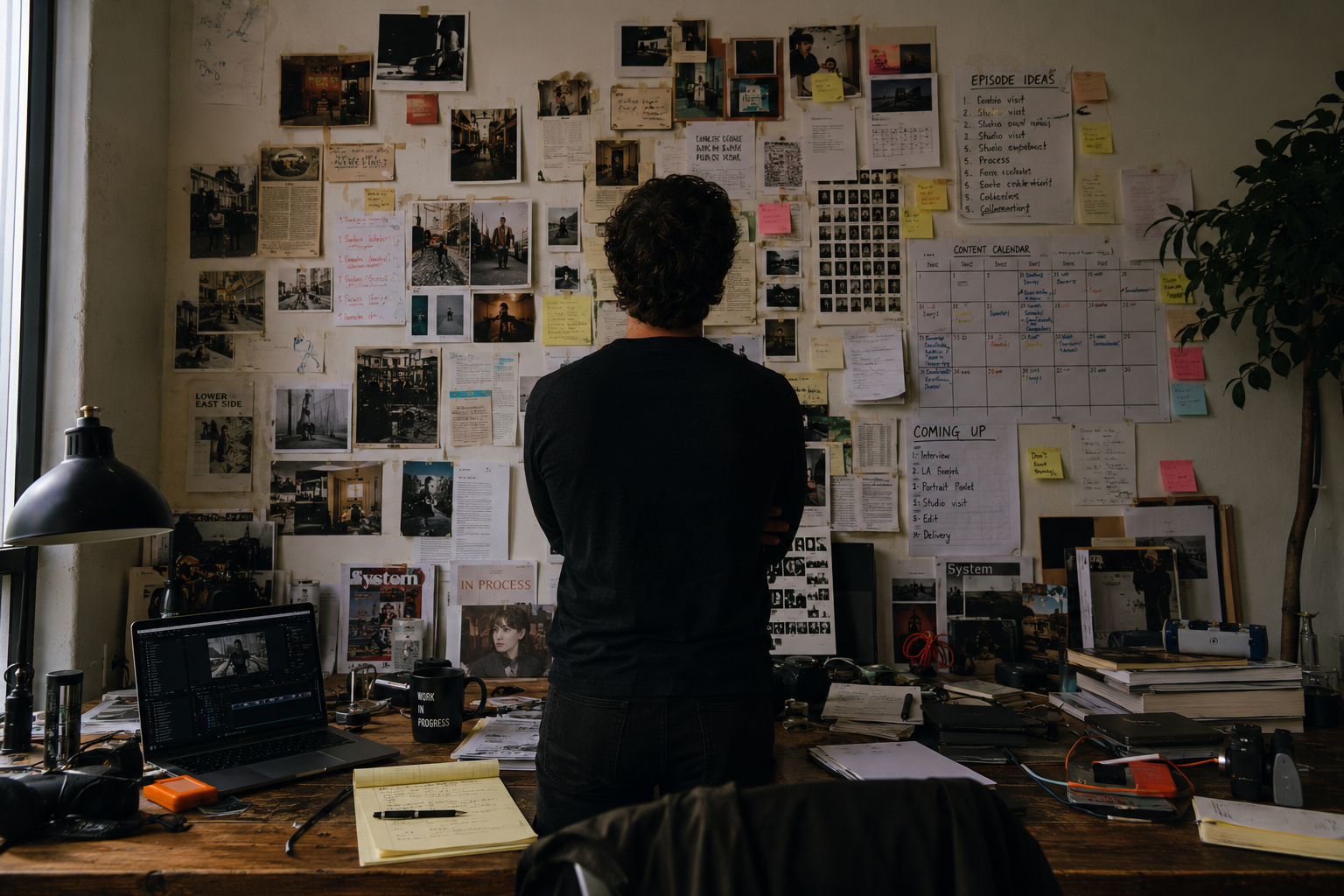
A smartphone may still be the primary tool, but increasingly the work behind the scenes resembles something larger. Editorial calendars replace spontaneous uploads. Content libraries replace one-off posts. Long-term audience relationships become more valuable than short-term spikes in attention.
The creator economy is growing up.
And as it does, the creators who thrive may not be the ones who master the algorithm.
They may be the ones who master continuity.
The ones who give audiences a reason to return.
The ones who understand that every successful episode begins long before it appears on a screen.
For years, social media rewarded creators for capturing attention.
The next era may reward them for earning anticipation.
And in that world, the next Instagram creator may look a lot less like an influencer—and a lot more like a showrunner.
Related Posts

DJI Enters the 360º Arena with Groundbreaking Osmo 360 Camera
A New Perspective

Ultrahuman Unveils Rare: The World’s First Luxury Smart Ring at CES 2025
Ultrahuman unveils Rare, the world’s first luxury smart ring.
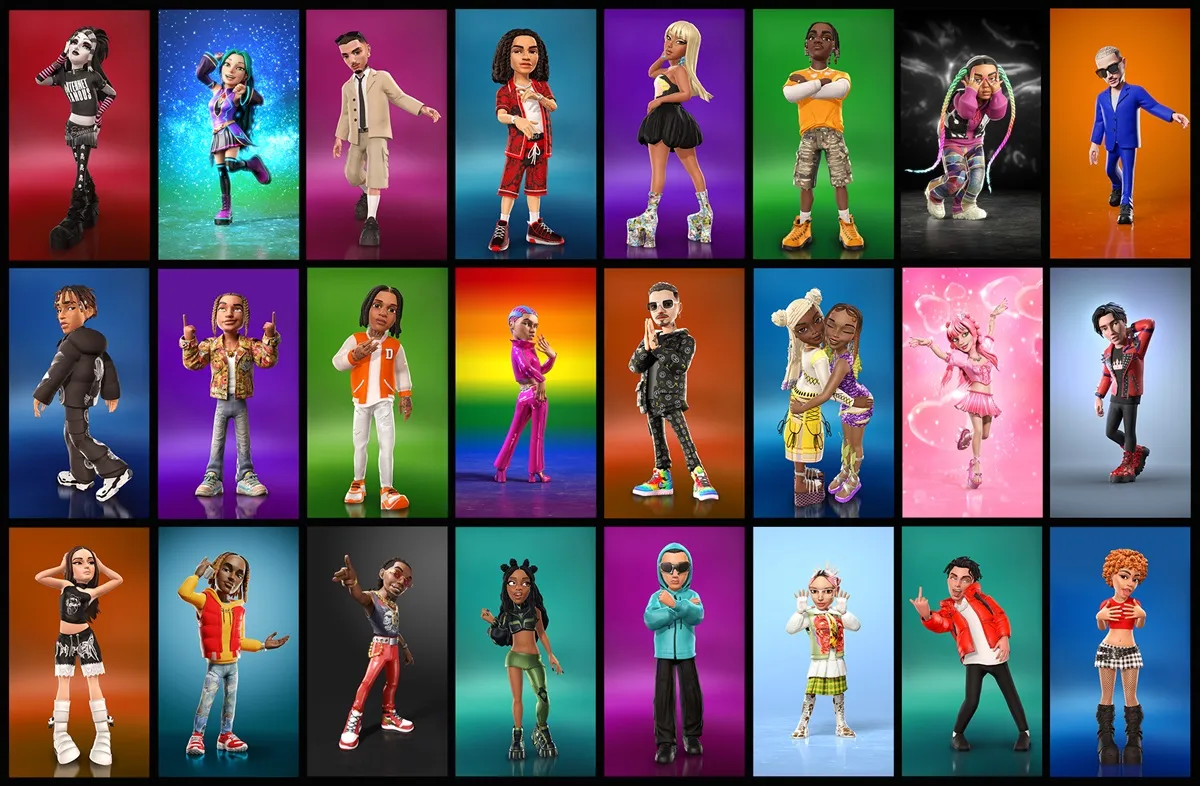
Genies Launches Creator & Partner Network to Revolutionize Digital Avatars
Genies launches creator and partner network for avatar IP innovation.
New Gameplay Trailer for ‘Metal Gear Solid 3: Snake Eater’ Showcasing Unreal Engine 5
'Metal Gear Solid 3: Snake Eater'

When Speed Meets Sound: The High-Fidelity Fusion of McLaren and Bowers & Wilkins
A Symphony on the Track

Your Passport Just Went Digital — Apple Leads the Next Era of ID
Identity, Streamlined