


The Moment Before — Hannah Cheramy: Control, Stillness, and What Registers
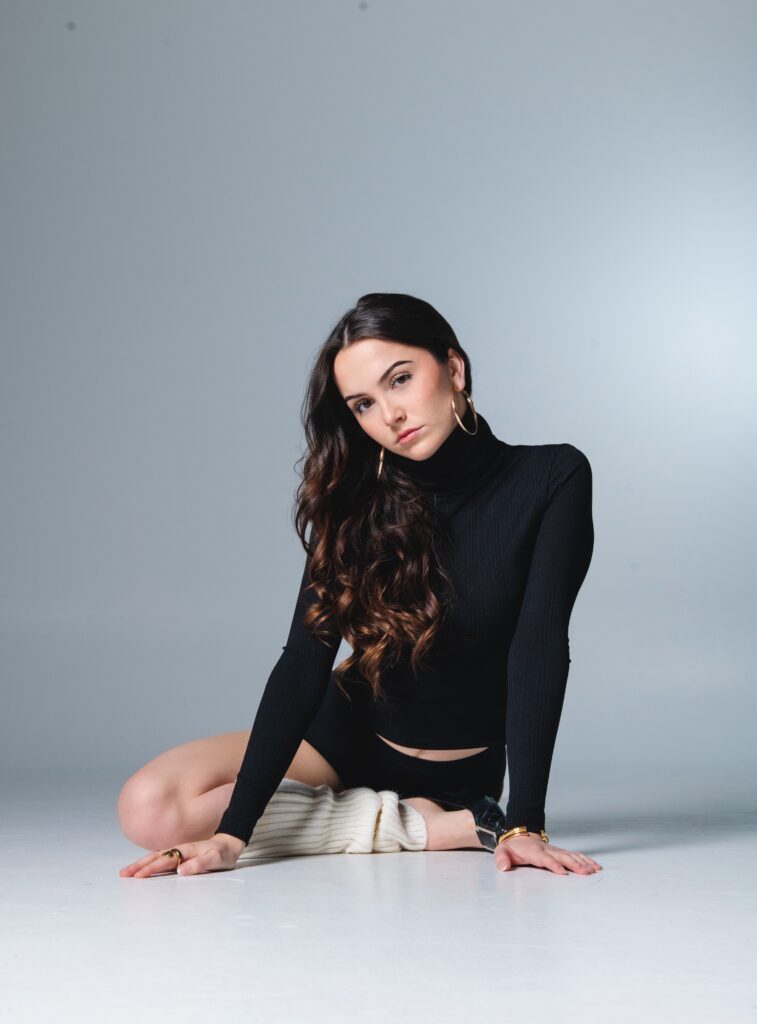
There are actors who perform emotion, and then there are actors who register it—who let it arrive, settle, and alter the space before it’s ever released. Hannah Cheramy works inside that second language. Her performances don’t rush toward expression; they hold just long enough for the audience to witness the moment something changes internally, often before the character chooses to acknowledge it. It’s a discipline rooted less in display and more in control—of timing, of presence, of what is deliberately left unsaid. In conversation, that same architecture reveals itself: a process built on preparation, then surrendered to instinct; a belief that listening is not passive, but an active, shaping force. What emerges isn’t a methodology meant to be seen—it’s one meant to be felt.
Your performances often live in the space before a reaction fully forms—there’s a visible moment where something registers internally before it’s expressed. In your process, are you tracking that transition consciously, or is it something you allow to happen instinctively in the moment?
When I do my prep for a scene, I track the emotions, such as where the build should begin, and the different intensity levels of each beat in the scene. But on the day of filming, I try not to think, “this is where I want to start getting emotional,” because it takes me out of it. You can prep for days and days, but you have no idea how something will turn out on the day or what might change in the moment. It’s also not always clear how your scene partner will interpret a scene, and the blend of your own perspective, your scene partner’s, and the director’s perspective is what makes the scene. My process is normally just to prep as much as possible, so I’m ready for anything and don’t have to think about specific beats and how they might read.
You often take a more understated approach to emotion, which creates an interesting tension between what the audience sees and what they feel. How do you decide what to withhold, especially when the script might suggest a more explicit emotional beat?
I talk to our director, and we work the scene out together to figure out where the emotional level is at. I wouldn’t go against the script without having a conversation with the director first to gauge their thoughts.
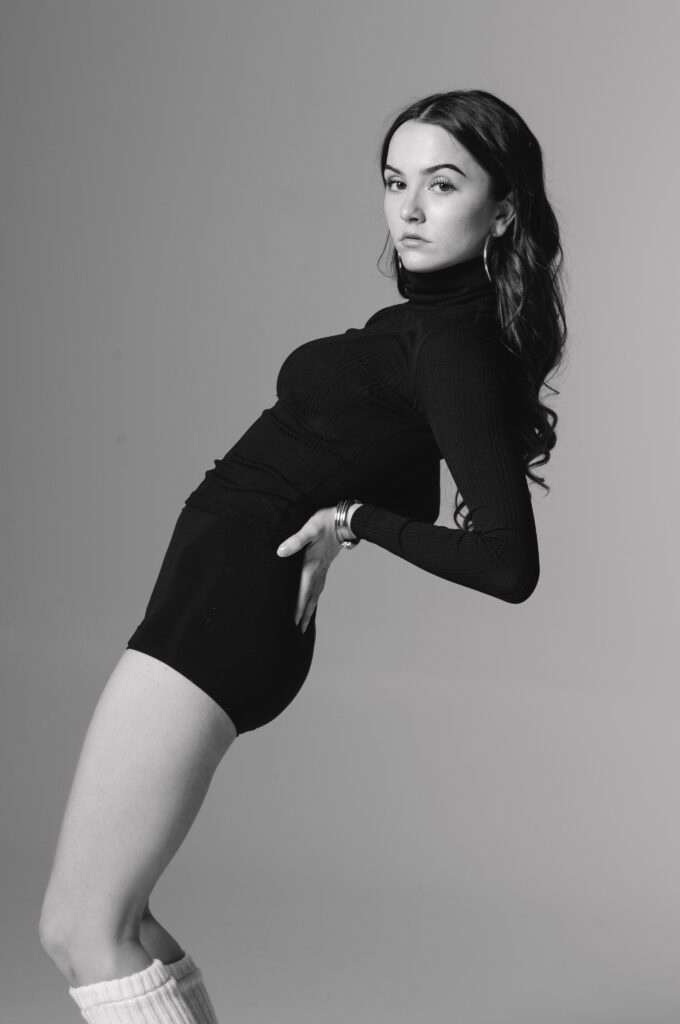
There’s a discipline in the way you listen on screen—your reactions feel shaped by what’s being said, not what’s expected of the scene. What does “active listening” actually look like for you when the camera is rolling?
That’s a great question. Listening, I believe, is so much more important in acting than people realize. To me, active listening involves a few things. Firstly, engagement with words: improving a couple of words like “what,” “yes,” or “no” shows you’re actively engaged in the moment. In real conversation, if my friend were telling me a story, I would interject with little words like that to let them know that I’m engaged in what they’re saying. The same goes for acting; I will sometimes let those little words come out of me naturally. Another big one is eye contact. Say the scene is someone trying to say something very important but they just can’t get the words out and they are looking around because they can’t bring themselves to say it; a way to actively listen in that moment is to use your body language to move yourself, even slightly, so you’re in their line of sight to let them know you are listening and want to know what they have to say. These sound so “yeah, duh,” but it’s these little things that we do in real life that make a scene feel more authentic.
Across your work, you often carry scenes where the emotional weight isn’t spoken but absorbed. How do you prevent those moments from becoming passive, and instead make them feel like a form of action? That’s the fun part about playing Julie: even when she’s not speaking, there is so much constantly happening inside her that she doesn’t necessarily need dialogue to express herself. The way I don’t let those moments fall flat is by really listening to what other characters are saying and tossing their words around in my head the way Julie would. Even if the choice is as simple as staring off into space, it becomes a form of action in and of itself, depending on the character’s current mental state.
When you’re building a character, do you start from psychology, physicality, or environment? And how does that foundation shift when you’re working on a long-form series versus a contained project?
I always start with the basics of their personality. Who are they? What has happened to them in the past? What has happened recently to get them where they are now? Things like that. After I figure out all the aspects of their character before the audience meets them, I shift into deeper scene work: who they are in the context of the scene/project as a whole, focusing on their trajectory and arc and their emotional intentions. This is much easier done on a long-form series show, as there is much more time and content to figure out aspects of your character that might be harder to do in a more contained project.
There’s a noticeable control in your use of stillness—your characters don’t rush to fill space. Do you think of stillness as something you place deliberately, and what are you trying to communicate in those held moments?
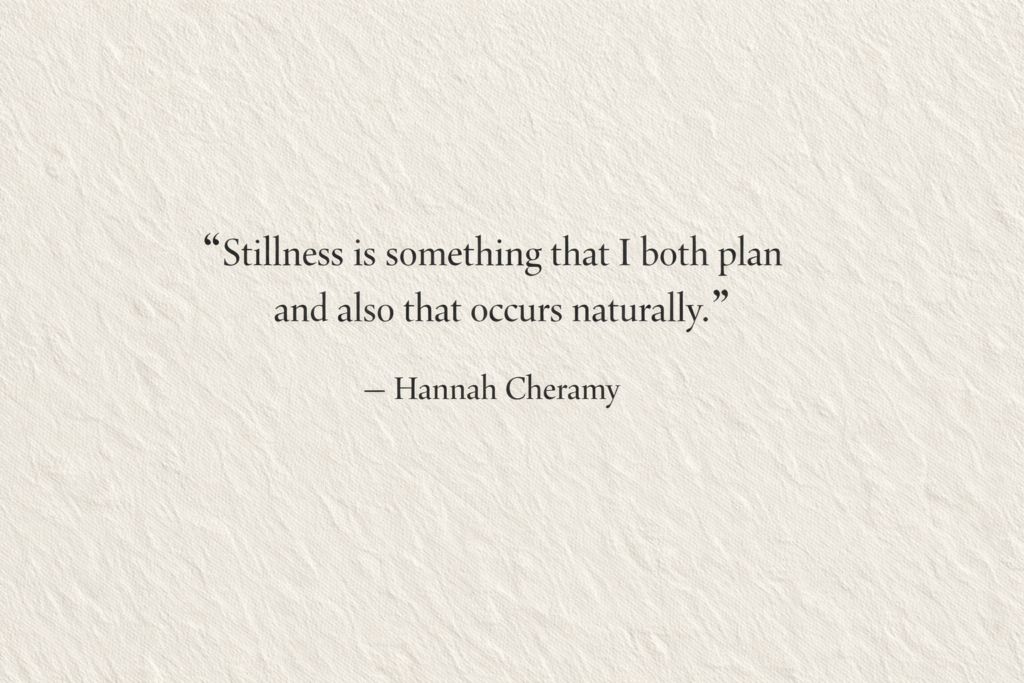
Stillness is something that I both plan and also that occurs naturally. When reading a script, I seek out the beats that can be held in that calm. Sometimes my first instinct is to take dialogue further than it needs to be, but I come to discover that bringing it down and not allowing myself the release of anger, sadness, or fear is even more powerful.
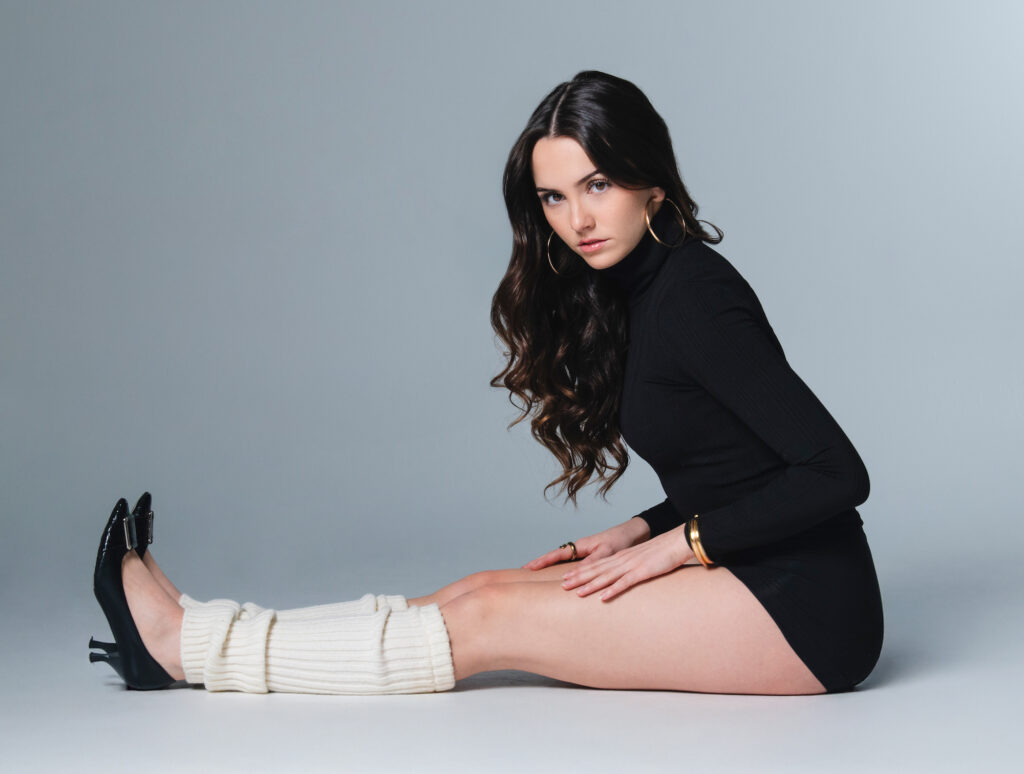
As someone who began acting at a young age, how has your understanding of control evolved? Was there a point where you realized that doing less could actually say more?
100%. There is not a specific moment that I can pinpoint, but I think I would say that somewhere in between filming seasons 2 and 3 of From, I really cracked down on my character work, which in turn, helped me to understand control in a scene; recognizing who has it, and how to control my own emotions in the moment. My face is, and always has been, very expressive by default. I use it as a tool in some instances, but it also works against me in others, so control is very important.
When you look at your work now, what are you actively refining? Is there a part of your process you’re trying to sharpen—or even unlearn—as you move into more complex roles?
Oh, definitely, I’m constantly working on being better and sharpening my skills. I’m always working at finding the nuances of every scene and character, even if they’re so hidden that nobody else would know about them except for me. Acting isn’t just about making faces and changing your voice to sound like a character; you are that character, inside and out, and with that comes all the little aspects that make up a human being; those are what I work on discovering and translating.
Julie enters the town reacting like someone still tethered to a normal world, but over time there’s a subtle shift where survival starts to override resistance. When you approached her arc, were you tracking that change as a gradual loss, or as a series of small decisions that accumulate?
Honestly, back in season one, my process was very different. I was much more of a “go into a scene and let your present emotions guide you through” kind of person, with less focus on an overall arc (granted, I also didn’t have all the scripts to know what her arc was going to be). But I was definitely cognizant that, for example, in every scene with Fatima and Ellis, they should be gaining her trust bit by bit.
There are moments where Julie processes fear before anyone else in the room acknowledges it—almost like she’s slightly ahead of the emotional curve. In those scenes, are you playing anticipation, or simply responding faster within the reality of the moment?
I think Julie lives in a constant state of uncertainty, which makes her more responsive to social or physical cues that indicate something is wrong, and thus, the fear creeps in.
The Matthews family dynamic is under constant pressure, but it never feels purely reactive—it still feels like a real family negotiating stress. How do you ground those relationships so they don’t become defined solely by the horror of the environment?
The real-life relationships that I have with the other actors in my family really help to ground us as these characters. Simon really does feel like a little brother to me, and Catalina and Eion are both great at keeping the balance of equal adult and parental figures. These relationships translate on screen as a real family that is not solely defined by their trauma, because we allow our real-life relationships to bleed through.
As the world of From continues to unfold, Julie isn’t just experiencing the town—she’s being shaped by it. How do you track that internal shift so it feels cumulative rather than episodic?
It is definitely challenging when we don’t have access to all the scripts of the season beforehand, so a lot of it has to be left up to our own knowledge of our characters, allowing us to sense the trajectory they’re on. I also meet with John Griffin, our creator, to clarify any questions I might have.
What becomes clear across the conversation is that Cheramy isn’t chasing bigger moments—she’s refining smaller ones until they carry weight on their own. The restraint, the stillness, the refusal to overstate—these aren’t absences, they’re decisions. In a landscape that often rewards immediacy, her work insists on something slower, more precise: that emotion doesn’t need to be announced to be understood, and that presence, when fully held, is already action. It’s not about doing less for effect—it’s about knowing exactly how much is required, and trusting that the audience will meet her there.
Photography By Yvonne Hanson @yhanson_photogrpahy
Words By Kyra Greene @noteasybingreen
Related Posts

Connection Above All: Nuria Vega on the Art That Moves Us
From Mexico to the Mythic West

Black Promoters Collective Reveals Thrilling Collaboration with Jazz In The Gardens Music Festival, Showcasing Headlining Performance by Maxwell
Black Promoters Collective (BPC) proudly unfurls the banner of a groun

Calvin Klein Unveils K-Pop Sensation NewJeans for Fall 2024 Campaign Finale
NewJeans adds youthful flair to Calvin Klein
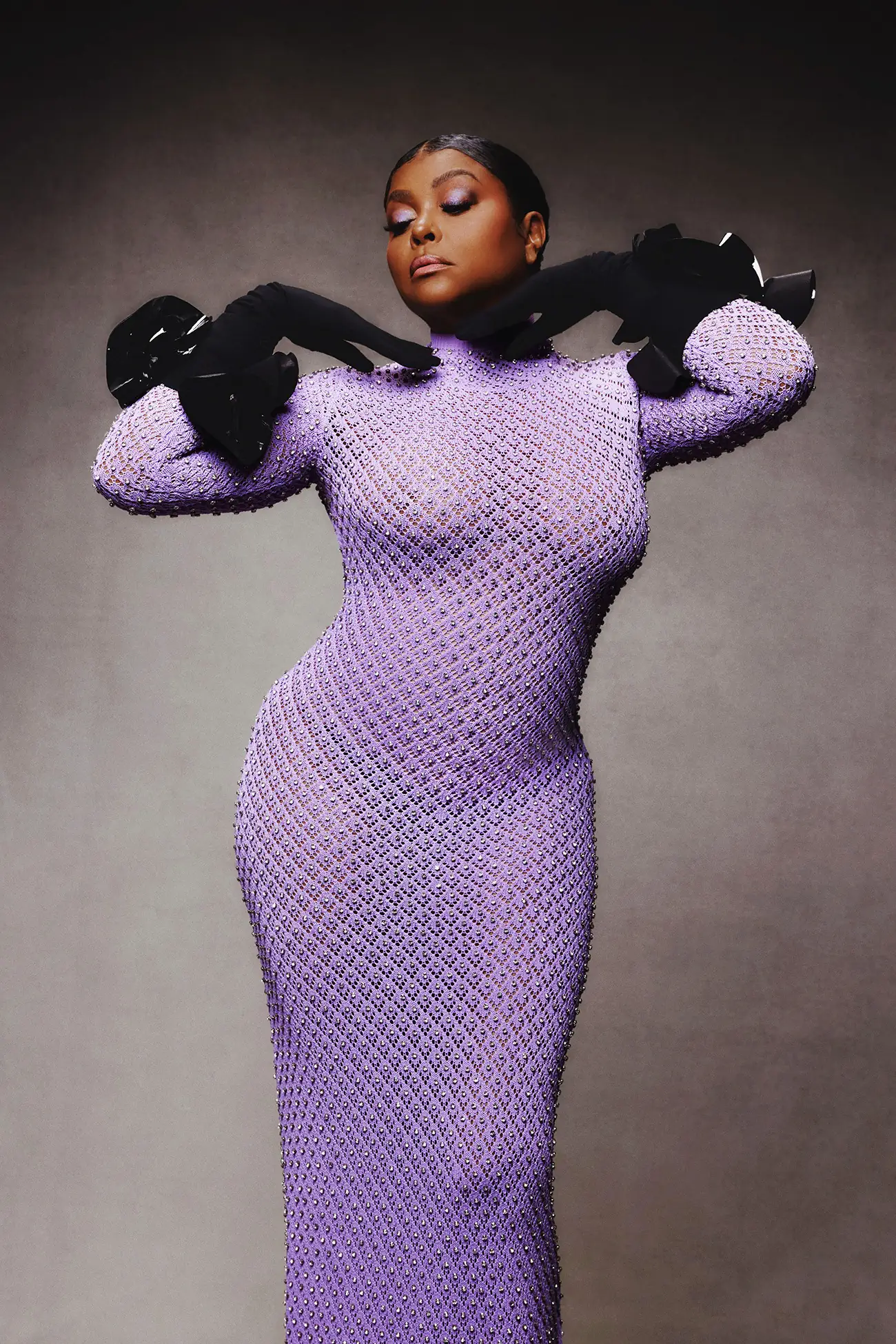
Taraji P. Henson Radiates Elegance and Power on the Cover of Elle Magazine’s January 2024 Issue
Taraji P. Henson takes center stage on the cover of Elle Magazine.
Brands Don’t Sponsor Culture Anymore They Sponsor Control
The Crowd Shows Up. The Brands Step Back
POST COMMENT