

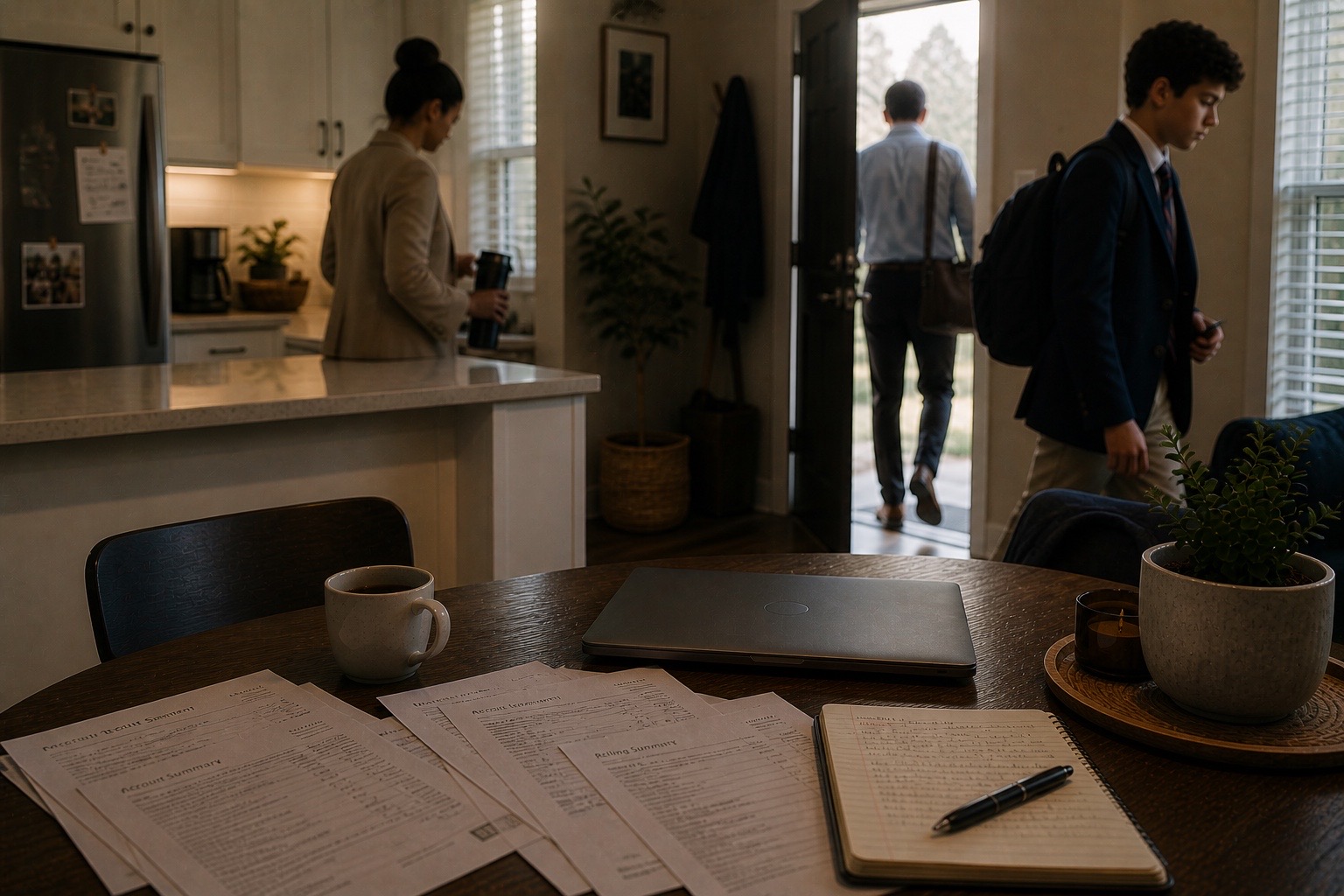
The Middle Isn’t Failing—It’s Unprotected
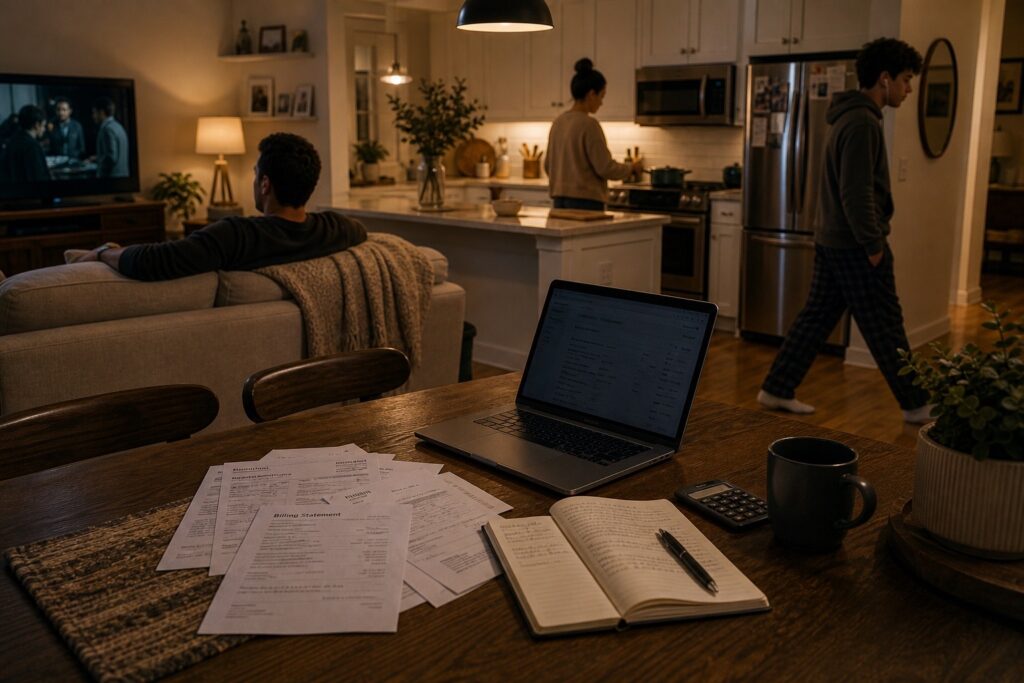
By Truman Callent
There’s a specific kind of exhaustion that doesn’t come from working too little.
It comes from doing everything you were told would work—and realizing it no longer creates room to breathe.
You make the salary that’s supposed to be “good.”
You pay your bills on time.
You don’t feel irresponsible.
You don’t feel reckless.
And still, something feels tight.
Not dramatic.
Not catastrophic.
Just… constant.
The rent leaves less behind than it used to.
Groceries quietly cost more every month.
Insurance renewals feel heavier.
A single unexpected expense doesn’t feel impossible—but it does feel disruptive enough to throw off the rhythm of everything else.
And that’s the part many people don’t say out loud:
Not that they’re struggling.
But that they are one interruption away from instability while doing everything right.
This isn’t just happening in New York City. It’s visible across London, Toronto, Sydney, and beyond. Different systems. Same feeling.
People are working.
Families are functioning.
Life is continuing.
But increasingly, the middle class no longer feels like stability. It feels like maintenance.
That’s the shift.
The middle class used to represent a stage where work created margin. A place where consistency slowly turned into security. Savings grew. Pressure eased. The future expanded.
Now, for many people, work simply keeps the system operational.
The bills are paid.
The lights stay on.
The groceries are bought.
The routines continue.
And then the cycle resets again next month.
That’s why this moment feels psychologically different from previous economic pressure points. The issue isn’t just that things are expensive. It’s that many people no longer feel like effort changes their position in a meaningful way.
You can work harder and still feel stationary.
Not because people have stopped trying.
Because the cost of participating in modern life has accelerated faster than the protections around it.
At the lower end, most societies have systems designed to prevent collapse. Food assistance, housing support, healthcare access—imperfect but present.
At the top, wealth operates through an entirely different structure. Ownership, assets, equity, tax strategy, leverage.
But in the middle, there’s often nothing except wages and discipline.
So everything lands at full weight.
Full rent.
Full insurance.
Full tuition.
Full childcare.
Full groceries.
No insulation.
No real margin for error.
And globally, that pressure is becoming normalized.
Not visible enough to be called a crisis.
Not light enough to be ignored.
Just a quiet, ongoing fatigue spreading across households that still appear functional from the outside.
That’s what makes this moment difficult to articulate.
Because most middle-class families do not look like they are falling apart.
They still go to work.
Still take their kids to school.
Still cook dinner.
Still keep the house together.
The pressure lives underneath the routine.
That’s why the modern middle-class experience increasingly feels less like upward movement and more like constant stabilization. Adjusting. Recalculating. Managing.
Not collapsing.
But never fully clearing the table either.
And maybe that’s the most important realization of all:
The danger isn’t that people stopped working.
It’s that work alone no longer guarantees relief.
Photography By The GREAY Firm @greayfirm
Related Posts

Dua Lipa Brings Literary Heat to Spotify with ‘Service95 Book Club’ Video Podcast
From Pop Charts to Book Smarts

Taraji P. Henson Radiates Elegance and Power on the Cover of Elle Magazine’s January 2024 Issue
Taraji P. Henson takes center stage on the cover of Elle Magazine.


LOTTO Partners with Brooklyn Aces, Marking a Historic Entry into Professional Pickleball
LOTTO Partners with Brooklyn Aces

Future Unveils Debut Lanvin Lab Collection
Future Unveils Debut Lanvin Lab Collection

Cadillac Makes Bold F1 Entrance: Bottas and Pérez Lead 2026 Debut
From Detroit to the Grid