

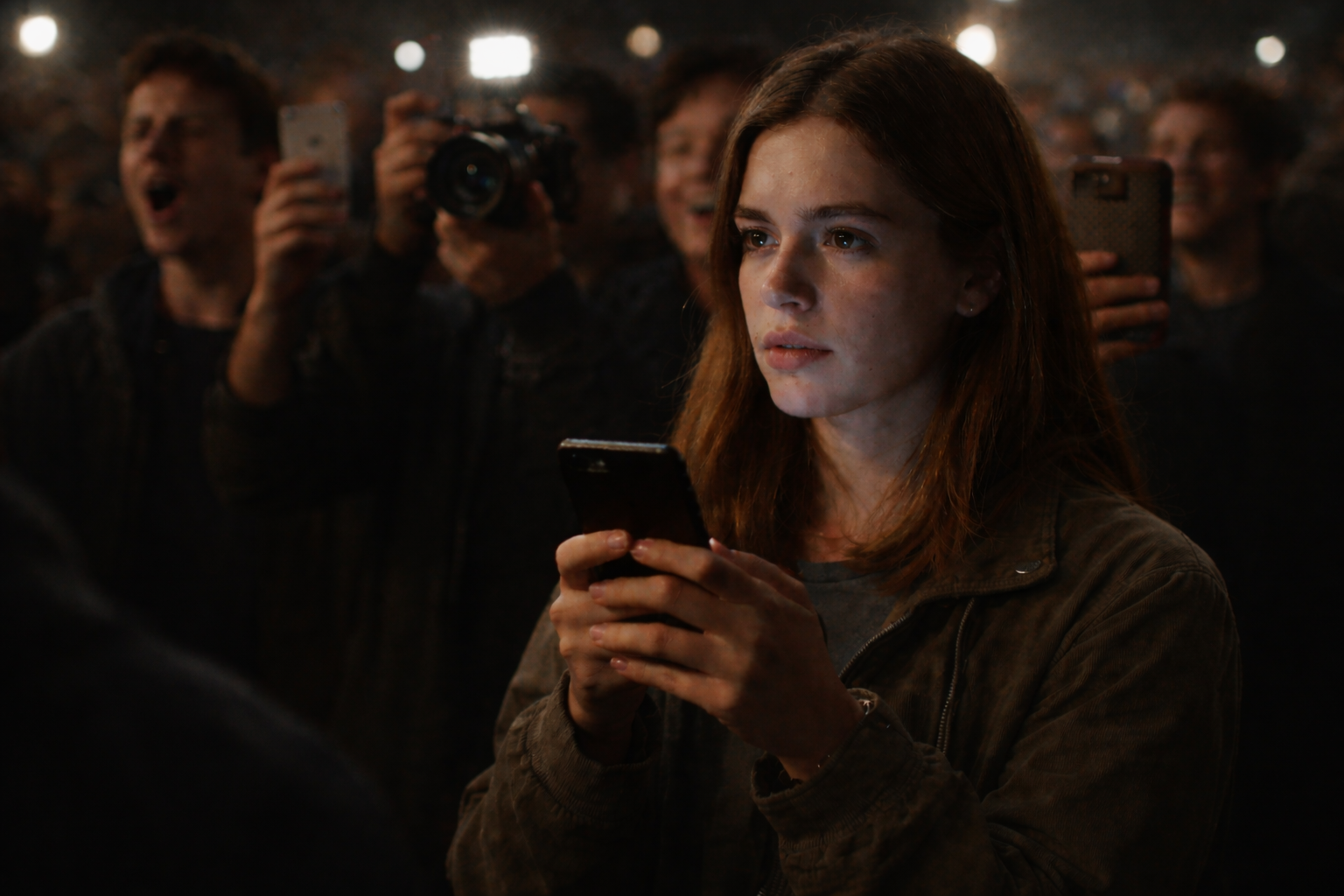
The Fans Didn’t Change—The System Did

By Tyler Branch
There was a time when fandom felt like distance.
You loved something from afar. You quoted it, argued about it, maybe lined up for it—but the relationship had boundaries. The screen was a barrier. The stage was elevated. The artist existed somewhere above you, and your role was to witness.
What we’re reacting to now—the sharpness, the aggression, the strange emotional volatility of modern fandom—is real. But the framing is off. This isn’t a story about people forgetting how to behave.
It’s a story about what happens when distance collapses.
Because the fan didn’t change.
The position of the fan did.
The internet didn’t just bring audiences closer to culture. It rewired their role inside of it. The comment section replaced the living room. The timeline replaced the premiere. The algorithm replaced the critic. And somewhere inside that shift, something subtle but irreversible happened: the fan stopped being an observer and became a participant.
Participation doesn’t just invite fans in—it gives them something to lose.
Because once you can reply to a celebrity, defend them in real time, organize discourse around them, and watch your voice get rewarded with visibility, you are no longer just enjoying culture. You are inside of it—shaping it, protecting it, sometimes even fighting over it.
And once you feel inside something, you begin to feel ownership.
Ownership is where everything changes.
Because once people feel ownership, disagreement stops feeling like opinion and starts feeling like threat.
Ownership doesn’t just create love—it creates defensiveness. It creates tribalism. It creates the instinct to protect, correct, and, when necessary, attack. What we’re calling “toxic fandom” isn’t a breakdown of behavior. It’s the natural evolution of proximity plus incentives.
The system doesn’t reward calm—it rewards visibility. And visibility favors emotion, speed, and escalation.
So fans adapt.
Not consciously. Not maliciously. Structurally.
They learn that defending their favorite artist loudly gets seen. They learn that conflict travels further than nuance. They learn that identity—being a fan, not just liking something—is what earns them a place in the conversation. And once identity is involved, the tone hardens.
Because now it’s not just about the work.
It’s about who you are in relation to it.
You’ve already seen what this looks like.
Actors tied to shows like Heated Rivalry have faced harassment that spills past critique into something more invasive—fans reacting to imagined relationships as if they were real. Discourse around series like The Pitt has turned into a kind of live construction site, where speculation hardens into narrative before facts have time to settle. And younger stars—especially those inside major franchises—are being pulled into the same current, where simply existing inside a story is enough to make them a target of it.
None of this is random. It’s patterned.
And it isn’t entirely new.
Long before algorithms, there were fans who refused distance altogether. In parts of East Asia, so-called sasaeng fans built underground systems around access—tracking idols, buying and selling personal information, turning proximity into something they could manufacture when it wasn’t given.
But those were outliers. Contained. Extreme. Recognized as such.
What’s changed is not the instinct—it’s the scale, and the permission.
The behavior that once lived at the edges has now been pulled into the center, distributed through platforms that reward it, and softened just enough to feel normal.
This is why the temperature feels different now.
It’s not just passion—it’s participation under pressure.
At the same time, the ground beneath culture itself is shifting. The same platforms that host fandom also host simulation, AI, and endless content loops. You scroll past something and instinctively ask: is this real? In that environment, fandom becomes more than entertainment. It becomes anchor. A place where identity stabilizes. A place where belonging feels legible. A place where your voice has consequence.
So it intensifies.
Not because people are losing control—but because they’re adapting to a system that rewards the most visible version of who they are.
Asking fans to “just be normal” assumes the behavior is optional.
It isn’t.
It’s trained. It’s reinforced. It’s scaled.
The platforms that host culture are not neutral—they are engines. And those engines are designed to surface the most engaging version of human behavior, not the most balanced one.
Which means what we’re seeing isn’t an outlier.
It’s the optimized state.
Fandom didn’t become toxic.
It became infrastructural.
And once behavior becomes infrastructural, it stops being a choice and starts becoming a default.
The question isn’t how to make fans calmer. The question is what happens when culture is built on systems that only reward intensity.
Because if the system stays the same, the behavior will too.
And the further we go, the less this will feel like a phase—and the more it will feel like the terms culture now operates on.
Related Posts
AI Just Hired Hollywood
The migration from computation to collaboration.
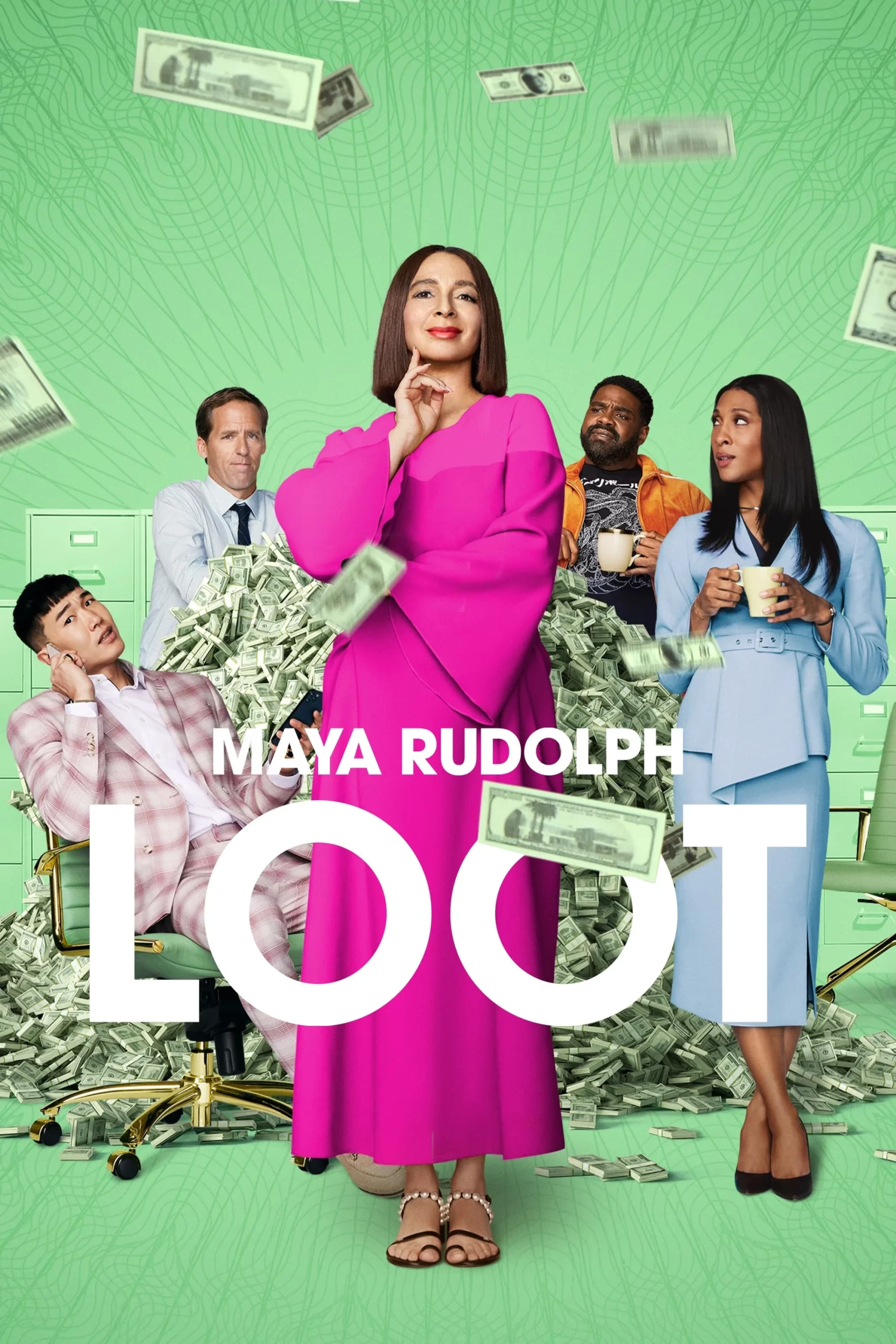
Molly and Arthur’s Love Story Continues: Apple TV+ Renews “Loot” for Season 3
Loot Renewed for Season 3 at Apple TV+

Unveiling “Indiana Jones and The Great Circle”: A Legendary Adventure by MachineGames
Indiana Jones and The Great Circle
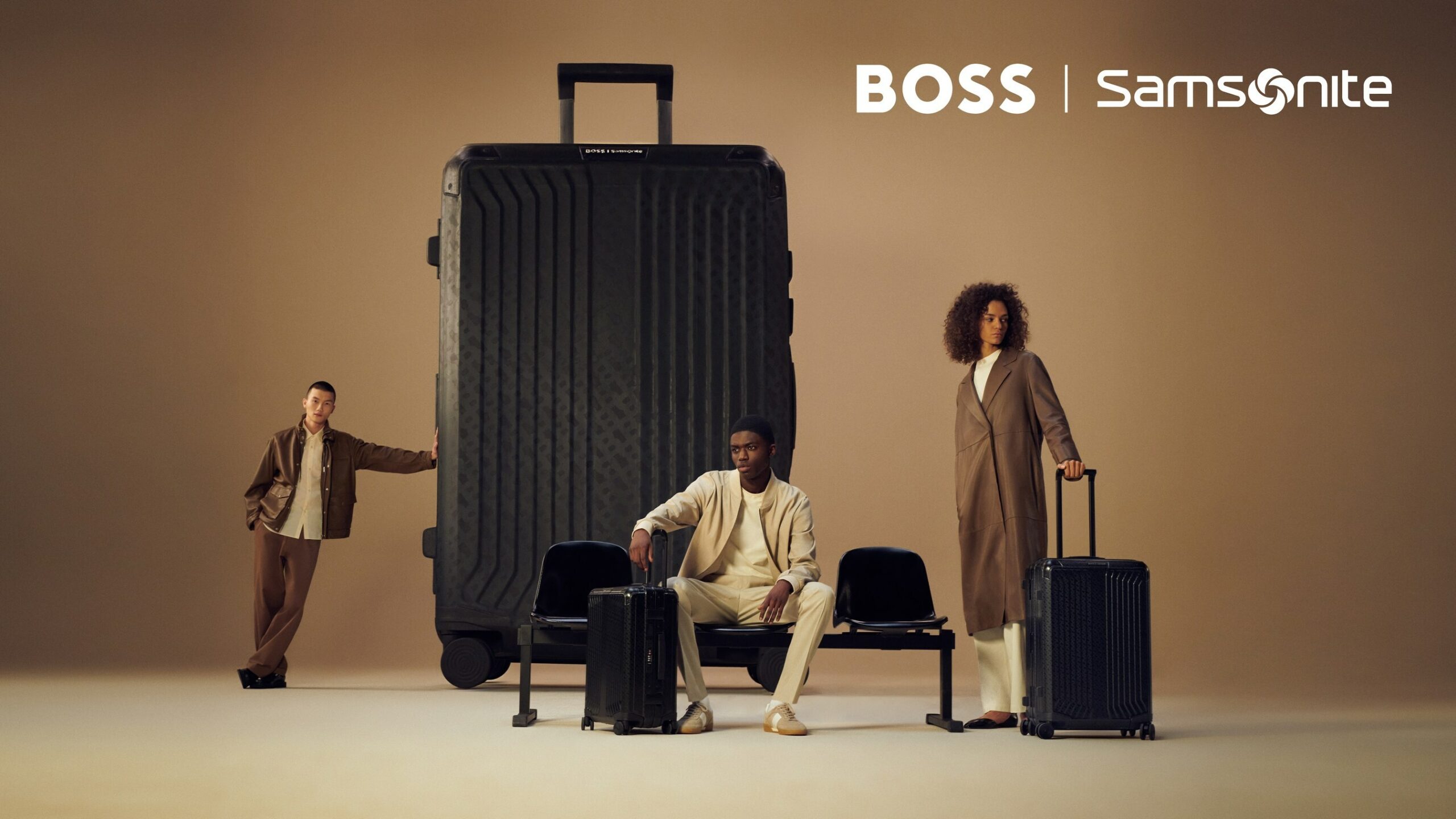
Samsonite’s collaboration with BOSS unveils a fresh campaign designed to take travelers on an extraordinary journey with its distinctive aluminum luggage capsule
BOSS and Samsonite have launched the exciting new "Departures" campaig
“Iceman: The George Gervin Story” Hits the NBA App for Streaming
The eagerly anticipated documentary, "ICEMAN," showcasing the remarkab