
Steven Bartlett and Authentic Are Building a System to Turn Creators Into Companies
Reuben Bennett
For most of the creator economy’s history, the creator has owned the attention while somebody else built the business around it.
Platforms owned the distribution. Brands owned the products. Agencies sold the sponsorships. Manufacturers made the merchandise. Retailers controlled the shelves. Investors supplied the capital. Licensing companies helped turn intellectual property into something capable of traveling beyond the person who created it.
Steven Bartlett and Authentic are now trying to collapse more of those functions into a single system.
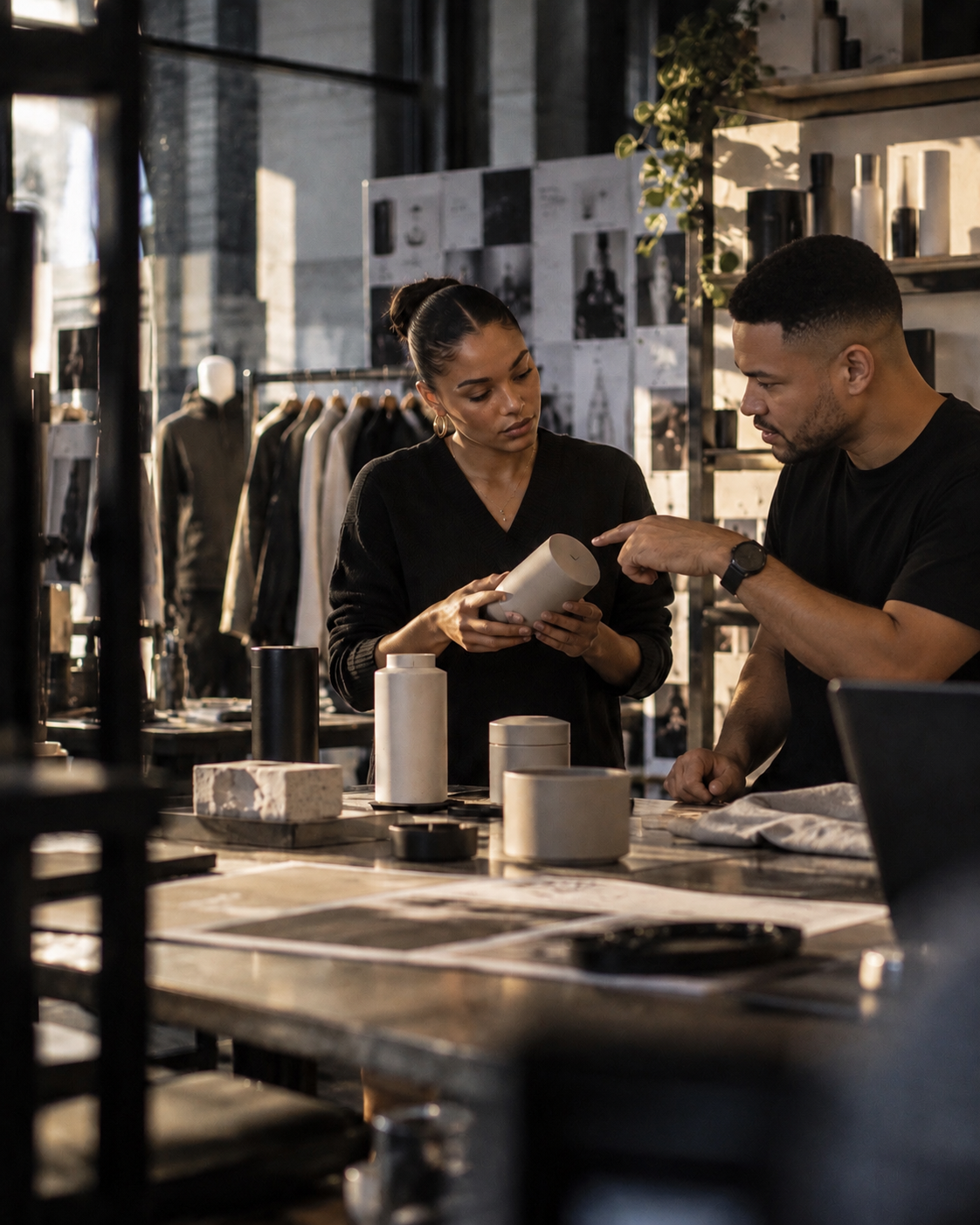
Bartlett’s holding company Steven.com and Authentic have launched OBSN, short for Obsession, a new venture built around creator-led media companies and brands. The headline number is enormous: the partners say OBSN intends to deploy up to $400 million into creator businesses over the coming years.
That number needs an important distinction.
This is not an announcement that Bartlett personally put $400 million into OBSN, nor should it be understood as $400 million that has already been invested into creator companies. The figure represents the venture’s intended deployment over multiple years, and the number of creators OBSN will ultimately back has not been publicly established.
The money tells us how seriously the partners are taking the idea.
The architecture tells us what the idea actually is.
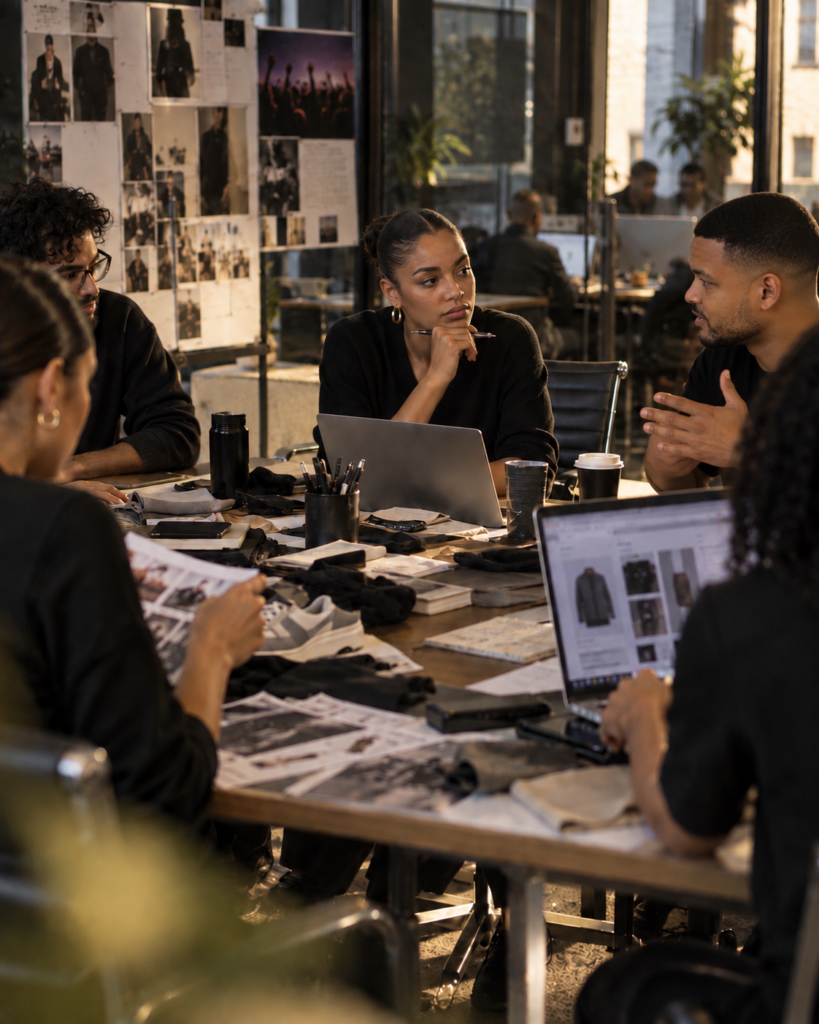
Steven.com is expected to bring media, technology, data and audience development. Authentic brings a different set of capabilities: brand development, licensing, products, partnerships and global distribution.
Bartlett described the problem with a useful distinction: “a global audience of millions is not yet a company.”
That sentence gets much closer to why OBSN matters.
The internet solved a distribution problem that once separated an individual from a media institution. A creator can now reach millions of people without owning a television network, radio station, magazine or movie studio. YouTube, TikTok, Instagram and podcasts made enormous audiences accessible to individuals.
But distribution and ownership are not the same thing.
A creator can have ten million followers and still depend on another company for nearly every economic layer surrounding those followers. The platform controls access to the audience. An advertiser owns the product being promoted. An agency brokers the relationship. A manufacturer produces the merchandise. A retailer controls the transaction.
The creator may be responsible for the attention that makes the entire system valuable while owning surprisingly little of the system built around that attention.
OBSN is attempting to move the creator further down the economic chain.
Not simply from creator to influencer.
Not simply from influencer to entrepreneur.
But from creator to intellectual property to company.
That distinction matters because Authentic does not primarily make its money finding famous people sponsorship deals. Its business is built around owning, managing, licensing and extending intellectual property.
Authentic says its portfolio includes more than 50 brands and properties, supported by more than 1,700 licensing and strategic partners across 150 countries. The company says those brands generate more than $38 billion in annual systemwide retail sales.
Its portfolio stretches across fashion, sports, entertainment and celebrity intellectual property, including Reebok, Champion, Brooks Brothers, Sports Illustrated, Shaquille O’Neal, David Beckham, Elvis Presley, Muhammad Ali and OVO.
That portfolio helps explain what Bartlett gains from the partnership.
Authentic understands how to take recognizable intellectual property and extend it across products, categories, partnerships and territories. Steven.com understands how creators build attention and maintain direct relationships with audiences.
OBSN connects those two capabilities.
And that potentially changes one of the creator economy’s most fragmented relationships.
A successful creator today might simultaneously work with a manager, talent agency, advertising agency, venture investor, product manufacturer, licensing company, distributor and retailer. Each participates in a different piece of the creator’s economic life.
OBSN’s proposition is that more of those functions can exist inside a coordinated architecture.
Instead of sending a creator through a chain of unrelated businesses, the venture can potentially connect audience development to capital, products, licensing and international distribution.
That means OBSN is entering territory occupied separately by talent management, agencies, venture firms, brand incubators, licensing companies and media companies.
But consolidation introduces a question that should not disappear beneath the language of creator empowerment.
Consolidating the system does not automatically mean the creator owns the system.
The partners say OBSN relationships will be structured around individual creators and their ambitions. What has not yet been publicly established is a universal economic structure for those deals.
How much equity could OBSN receive in a company it helps build? Who owns the underlying intellectual property? What licensing rights accompany an investment? How is revenue divided? How much control does a creator retain when the business expands beyond the audience that originally made it possible?
The answers may differ from deal to deal. Until those agreements begin becoming visible, they remain some of the most important unanswered questions surrounding OBSN.
Because there is a fascinating contradiction developing inside the creator economy.
It was partly built by people escaping traditional gatekeepers.
A musician no longer necessarily needed radio to reach listeners. A comedian did not need television to build an audience. A filmmaker could reach millions without first being selected by a studio. A personality could create a media business without waiting for a network executive to decide that the personality deserved distribution.
Platforms weakened one set of gates.
But building enduring companies around the audiences those platforms created may require powerful institutions again.
The negotiation, however, has changed.
The old question was often:
Who will give me access to an audience?
Increasingly, the question becomes:
Who owns the company created from the audience I already have?
That is where OBSN becomes more consequential than another creator investment announcement.
OBSN is also being developed as a creator-economy media and experiences business. The partners say its existing media operation has built an Instagram audience exceeding one million followers, with ambitions extending into additional content formats, live events, festivals and awards.
That creates an unusual circular architecture.
OBSN can potentially cover the creator economy, convene the creator economy, identify businesses inside the creator economy, invest in those businesses and help build the commercial machinery around them.
Those functions have historically belonged to different organizations.
Here they begin sitting beside one another.
Bartlett has already been assembling pieces of that architecture elsewhere. Steven.com sits above The Diary of a CEO and businesses spanning creator media, podcast technology and venture investment. The holding company was valued at $425 million following an eight-figure investment in 2025, with Bartlett retaining more than 90 percent ownership.
OBSN therefore makes more sense when viewed not as an isolated $400 million announcement but as another piece of a larger effort to build institutional architecture around creator-led attention.
Authentic appears to be approaching the same transition from the other direction.
The company has described the OBSN strategy in terms of identifying, investing in and expanding creator-led intellectual property.
That phrase may ultimately tell us more about the future being imagined here than the $400 million.
An influencer is valuable because people are paying attention.
Intellectual property can become valuable because a business has learned how to turn that attention into something transferable: a name, format, product, character, catalog, community or company capable of operating across markets.
That is a profound change in how creators are positioned within popular culture.
The first era of the creator economy democratized distribution.
The next taught creators how to monetize attention.
Then creators began using that attention to launch businesses they owned.
Now an institutional layer is forming around those businesses.
And that is why this belongs as much to culture as it does to business.
The creator is no longer simply a new version of the celebrity spokesperson. Creators increasingly arrive with something celebrities historically needed media companies to provide: their own distribution, their own audience data and a direct relationship with the people paying attention to them.
Once that relationship can be converted into intellectual property, products and companies, the cultural position of the creator changes.
They are no longer only helping another institution reach people.
They can become the institution around which other businesses organize themselves.
That creates enormous opportunity. It also creates the next ownership question for the creator economy.
If this industry succeeds in turning individuals into global media companies and consumer brands, the defining question will no longer be whether creators can generate enough attention to compete with traditional institutions.
Many already can.
The question will be who owns the value created after that attention becomes a company.
The $400 million tells us how seriously Steven Bartlett and Authentic are taking that transition.
OBSN’s structure tells us where they believe the creator economy is going.
For years, creators were hired to stand in front of somebody else’s company and persuade their audiences to care about it.
Now an increasingly sophisticated industry is being constructed around a different possibility.
The creator can become the beginning of the company.
And the next battle will be over who gets to own what comes after.
Related Posts
Netflix Unveils Trailer for Castlevania: Nocturne Season 2, Teasing High-Stakes Battles Between Vampire Hunters and Supernatural Forces
Netflix Releases Trailer for ‘Castlevania: Nocturne’ Season 2
Hodinkee and Porsche Design Join Forces for Limited-Edition Chronograph 1
Porsche Design Joins Forces with Hodinkee
Ravengriim and the Architecture of Identity
The Character Comes First

Dua Lipa Brings Literary Heat to Spotify with ‘Service95 Book Club’ Video Podcast
From Pop Charts to Book Smarts

ANTA and Kyrie Irving Celebrate the Launch of ANTA KAI 1
ANTA and Kyrie Irving Launch ANTA KAI 1
AI Just Hired Hollywood
The migration from computation to collaboration.
POST COMMENT