

Serena Williams Doesn’t Need Tennis Anymore — Which Is Why Her Return Matters
By Byron Cranston
Retirement is supposed to answer a question.
Who are you when the thing that made you famous is no longer the thing that defines you?
For decades, athletes spent their careers inside institutions. The league provided the stage. The tournament provided the audience. The sport provided the relevance. Success meant gaining access to the platform, and when the career ended, so too did much of the platform’s attention.
That was the arrangement.
Serena Williams changed it.
When she stepped away from professional tennis in 2022, the expectation was familiar. One of the greatest athletes in history would leave the court and begin the next chapter of her life. The story would move from competition to legacy.
Instead, something unusual happened.
Serena did not simply leave tennis.
She became larger than it.
Over the last several years, her influence expanded across business, investing, fashion, media, and culture. Her name continued to command attention far beyond the boundaries of a tennis court. She built a life that did not require rankings, tournaments, or championships to remain relevant.
That is why her return matters.
Not because she needs tennis.
Because she proved she doesn’t.
For most of modern history, institutions created icons. Hollywood created movie stars. Television created household names. Sports leagues created legends. The institution determined who could be seen.
Today, the relationship is changing.
The most influential figures no longer simply belong to institutions.
They become institutions themselves.
Michael Jordan became larger than basketball.
Oprah became larger than television.
Rihanna became larger than music.
And Serena Williams became larger than tennis.
That shift tells us something important about the era we are living through. The twentieth century was built around access. The twenty-first century is increasingly built around leverage. The question is no longer whether an individual can gain access to a platform. The question is whether that individual can build enough gravity to carry an audience independently of the platform itself.
Serena did.
Which changes the meaning of a comeback.
Most athletes return because there is something left to prove. A championship. A ranking. A final chapter.
Serena’s legacy was settled long ago.
The trophies already exist.
The records already exist.
The history books have already been written.
She returns not from obscurity, but from independence.
And independence is power.
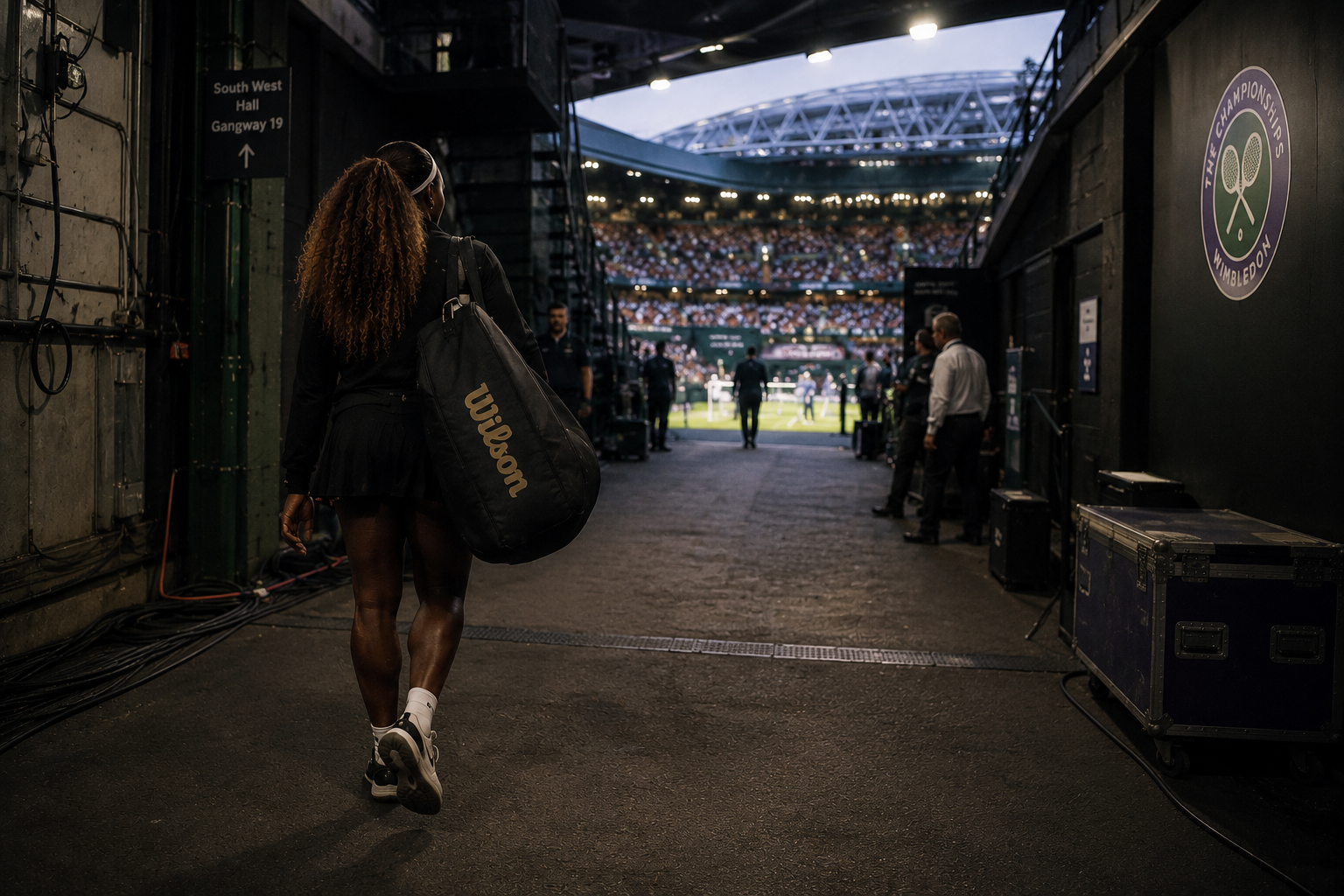
That is why the image of Serena walking through a stadium tunnel feels so compelling. It is not the walk of someone chasing relevance. It is the walk of someone returning to a place that no longer determines their value.
The court still matters.
The competition still matters.
But they are no longer the source of her significance.
She arrives carrying that significance with her.
For decades, tennis distributed Serena Williams to the world.
Now Serena Williams distributes attention back to tennis.
That inversion is the real story.
The announcement of her return instantly became global news because Serena Williams is no longer merely one of tennis’s greatest champions. She is one of culture’s most recognizable institutions. Her return reaches people who do not follow rankings, watch tournaments, or study draws. It reaches people because it is Serena.
The institution still matters.
But it no longer owns the relationship.
And perhaps that is what makes this moment resonate so deeply.
Not the possibility of another victory.
Not the possibility of another title.
But the simple act of walking back onto a court she no longer needs.
Because sometimes the most powerful return is not made by someone searching for relevance.
It is made by someone who has already proven they can thrive without it.
Related Posts

Casey Deidrick Is Done Confusing Movement With Meaning
There’s No Resolution Here—Only Truth

Zibby Allen: Acting in the Space Between Feeling and Form
Performing the Unspoken

The Last of Us Season 2 Trailer Is Finally Here – And It’s Packed with Heart-Stopping Action
Trailer for HBO’s ‘The Last of Us’ Season 2.
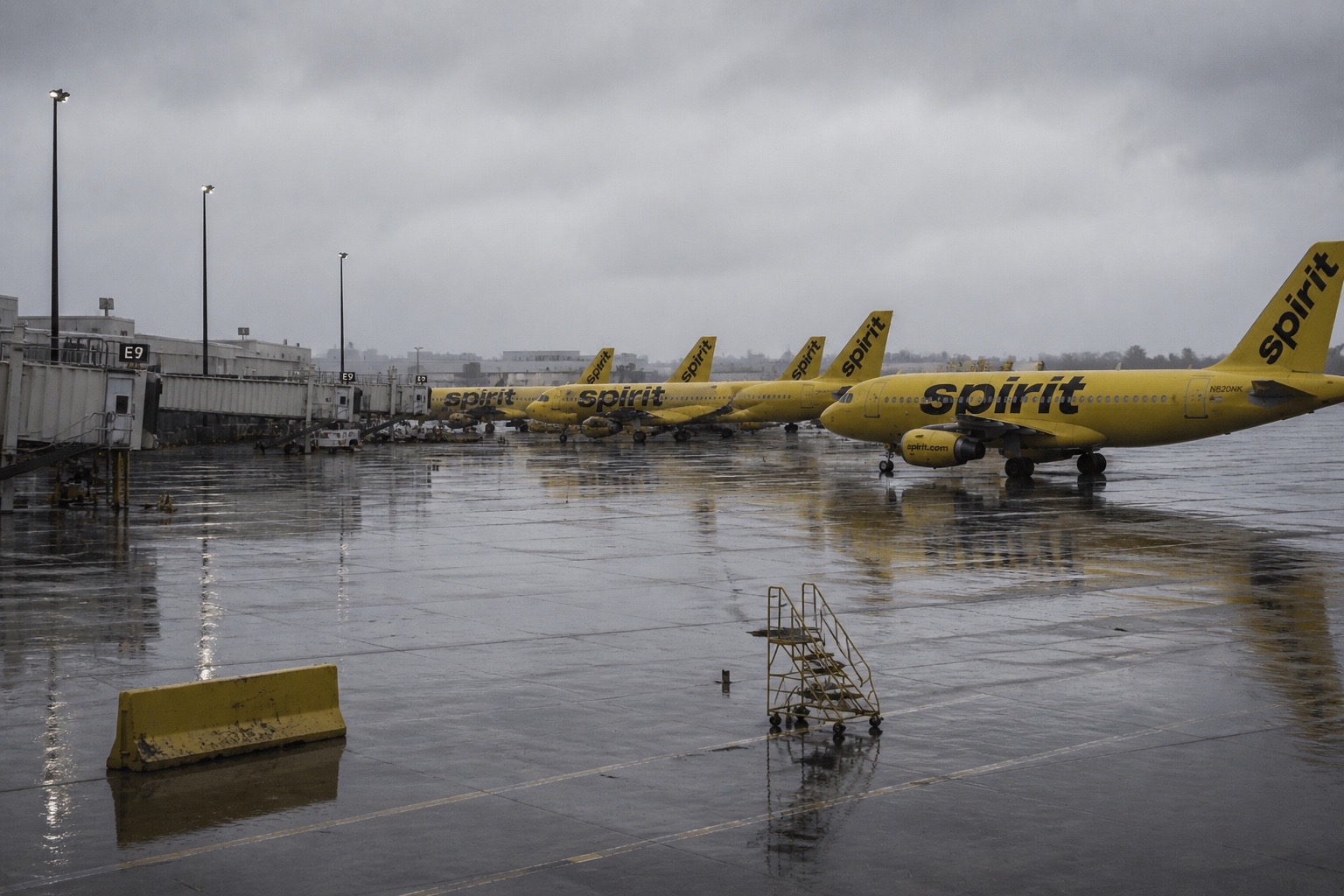
Spirit Airlines Didn’t Just Shut Down—The Floor of Air Travel Collapsed
Flying Just Became More Selective
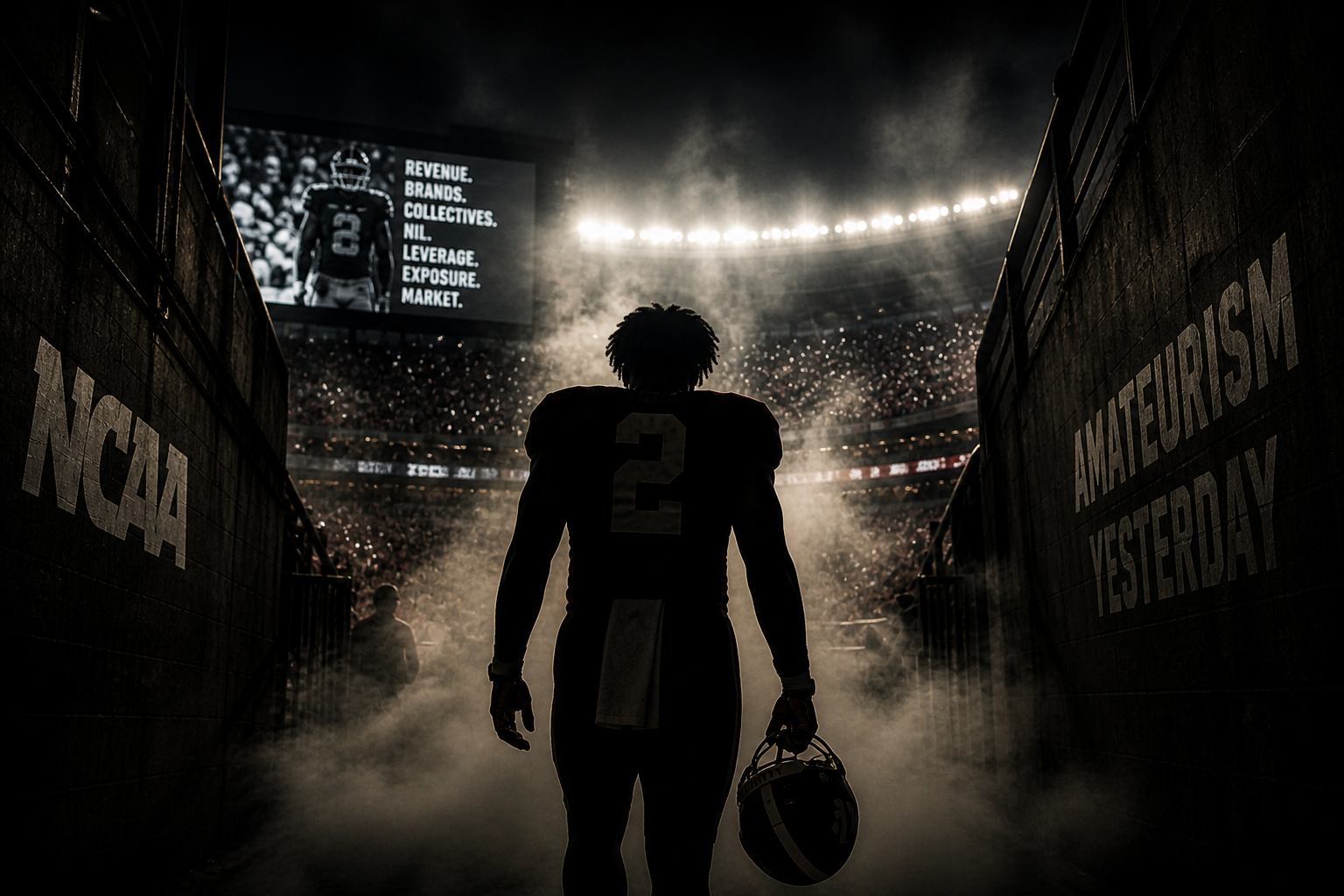
The NCAA Doesn’t Run College Football Anymore
The Game Didn’t Change. The Money Did

When the Product Disappears, the Environment Becomes the Display
Audible Story House and the Rise of Invisible Retail