

Nike’s High School Football Strategy Shows the Economics of Sports Have Shifted
By Benjamin Webster
For most of modern sports history, the commercial economy of athletics began after greatness had already been established. High schools developed athletes. Colleges refined them. Professional leagues determined who became stars. Only then did global brands commit meaningful long-term capital. Nike’s announcement of an 11-player high school football NIL class suggests that sequence no longer reflects the economics of modern sports. The company is not simply investing earlier. It is responding to a marketplace where the value of elite athletes begins earlier, compounds longer, and extends far beyond their playing careers.
That distinction makes this far more than another NIL announcement. NIL created the legal framework for these agreements, but legality alone does not explain strategy. The deeper explanation lies in three systems that have matured simultaneously. Recruiting has become sophisticated enough to identify elite talent years before college. Social media allows those athletes to build audiences while they are still in high school. NIL created the commercial infrastructure that allows brands to participate during that stage. Together, those developments have fundamentally shifted when athletic potential becomes commercially valuable.
For decades, brands invested in certainty. Championships, awards, and professional success validated an athlete’s market value before companies committed substantial resources. Today’s environment rewards a different approach. Nike is not paying for proven greatness. It is investing in the probability of future greatness. That represents one of the most significant changes in sports business in a generation. The athlete’s commercial value is no longer created exclusively by professional performance. Increasingly, it begins the moment the market collectively believes that athlete has the potential to become extraordinary.
Viewed through that lens, Nike’s strategy resembles venture capital more than traditional endorsement marketing. Venture investors do not expect every company in a portfolio to become an industry leader. They invest because a small number of exceptional outcomes can generate extraordinary long-term returns. Nike appears to be applying that same investment philosophy to football. The company almost certainly understands that not every athlete in its inaugural class will become an NFL superstar. The strategy was never designed around certainty. It was designed around asymmetric opportunity.
Perhaps the most overlooked aspect of Nike’s announcement is time. A sixteen-year-old athlete who enters Nike’s ecosystem today may not reach the NFL for another five or six years. Their greatest commercial influence may emerge years after that. If they become a franchise quarterback, launch signature products, build businesses, enter broadcasting, or remain a respected ambassador decades after retirement, Nike’s relationship may extend across half a century. Very few industries establish commercial partnerships with investment horizons measured in generations rather than product cycles. Nike is not investing in seasons. It is investing in the lifetime economic value of human potential.
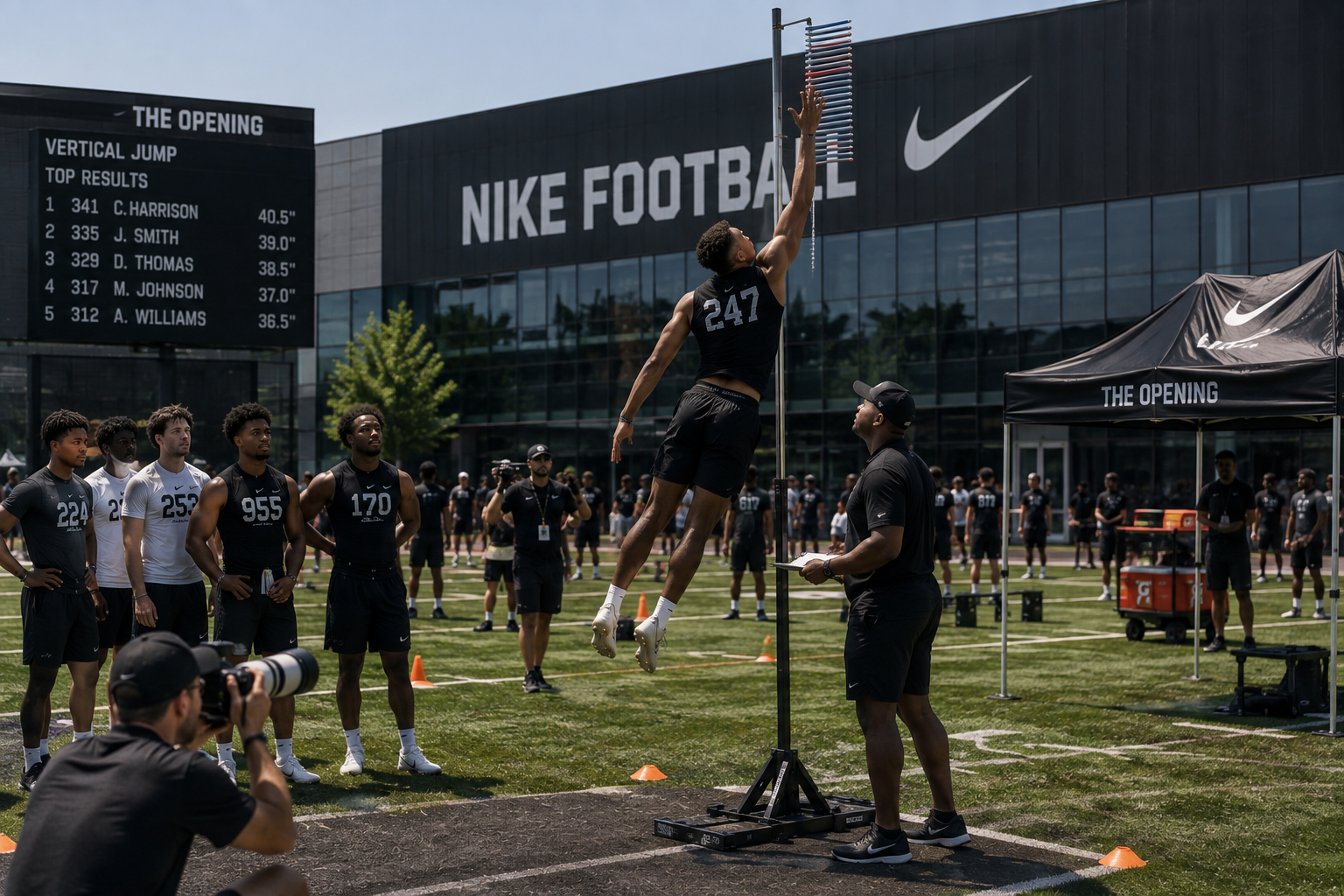
That long horizon also explains why Nike rebuilt The Opening. Historically, elite camps existed to showcase talent for college recruiters. Nike has expanded that purpose. The Opening now functions as the front end of a broader athlete acquisition system where scouting, evaluation, relationship-building, storytelling, and commercial partnership operate together. Nike is no longer entering the athlete’s journey after success has been established. It is becoming part of that journey while success is still being built.
The company’s evaluation process reflects this evolution. Athletic performance remains essential, but it is no longer the only variable that matters. Leadership, communication, resilience, professionalism, and public presence increasingly influence commercial value alongside speed, strength, and production. NFL organizations evaluate whether an athlete can help win football games. Nike evaluates whether that same athlete can represent one of the world’s most influential brands for decades. The athlete is no longer simply a competitor. Increasingly, the athlete is becoming a long-term enterprise.
Social media amplifies that transformation. Every member of Nike’s inaugural class arrives with an existing audience developed through recruiting coverage, highlight videos, interviews, and personal platforms. Collectively, these athletes represent a distributed network of communities that will likely continue expanding throughout their careers. Nike does not own those audiences, but it does establish relationships that position the brand alongside the stories those athletes will continue telling. Every college commitment, rivalry game, conference championship, playoff appearance, award, draft selection, professional debut, and career milestone becomes another opportunity for that relationship to deepen. Nike is not simply investing in future athletic performance. It is investing in decades of future distribution.
That distinction reflects one of the most important shifts in modern marketing. Traditional advertising purchased attention after it already existed. Nike’s strategy invests in relationships capable of generating attention over time. Rather than repeatedly buying visibility, the company is building long-term proximity to the moments that will define the next generation of athletes. In today’s media environment, elite athletes are no longer only competitors. They are increasingly publishers of their own careers, documenting every milestone through platforms they control. The relationship itself becomes a long-term distribution strategy.
Few companies possess the resources to operate this way. Investing in teenagers whose greatest commercial value may not emerge for another decade requires extraordinary patience, financial strength, and institutional confidence. Nike can think in decades because its business is built to outlast product cycles. Time itself becomes a competitive advantage. The earlier trust is established, the greater the opportunity to remain part of an athlete’s commercial journey as their influence compounds over a lifetime.
The implications extend well beyond football. Across industries, competitive advantage increasingly belongs to organizations that identify exceptional talent before the rest of the market. Venture capital invests before startups become category leaders. Hollywood signs creators before they become global filmmakers. Music companies develop artists before they dominate popular culture. Sports are now entering that same economic era. The companies that define the future will not necessarily be those that sign the biggest stars. They will be those willing to recognize extraordinary potential before everyone else understands its full value.
For generations, sports marketing celebrated greatness after it arrived. Nike’s latest strategy suggests the next era will increasingly reward conviction before greatness becomes obvious. That represents a fundamental shift in how value is created throughout the sports economy.
Nike’s announcement is therefore much more than an NIL initiative. It is evidence that professional sports no longer represent the beginning of an athlete’s commercial life. Increasingly, they represent the maturation stage of an investment that began years earlier.
The race is no longer to sign the biggest athlete.
The race is to recognize the next one first.
Related Posts

The Air Jordan XI Retro “Gratitude” Enlists LA Bike Life Crew to hand out AJ XI pairs to the community
Jordan enlists LA Bike Crew

Get ready for the chilling preview of ‘Strange Academy: Blood Hunt’ #1 as it unleashes a vampire horde upon the streets of New Orleans!
BLOOD HUNT looms over the Marvel Universe
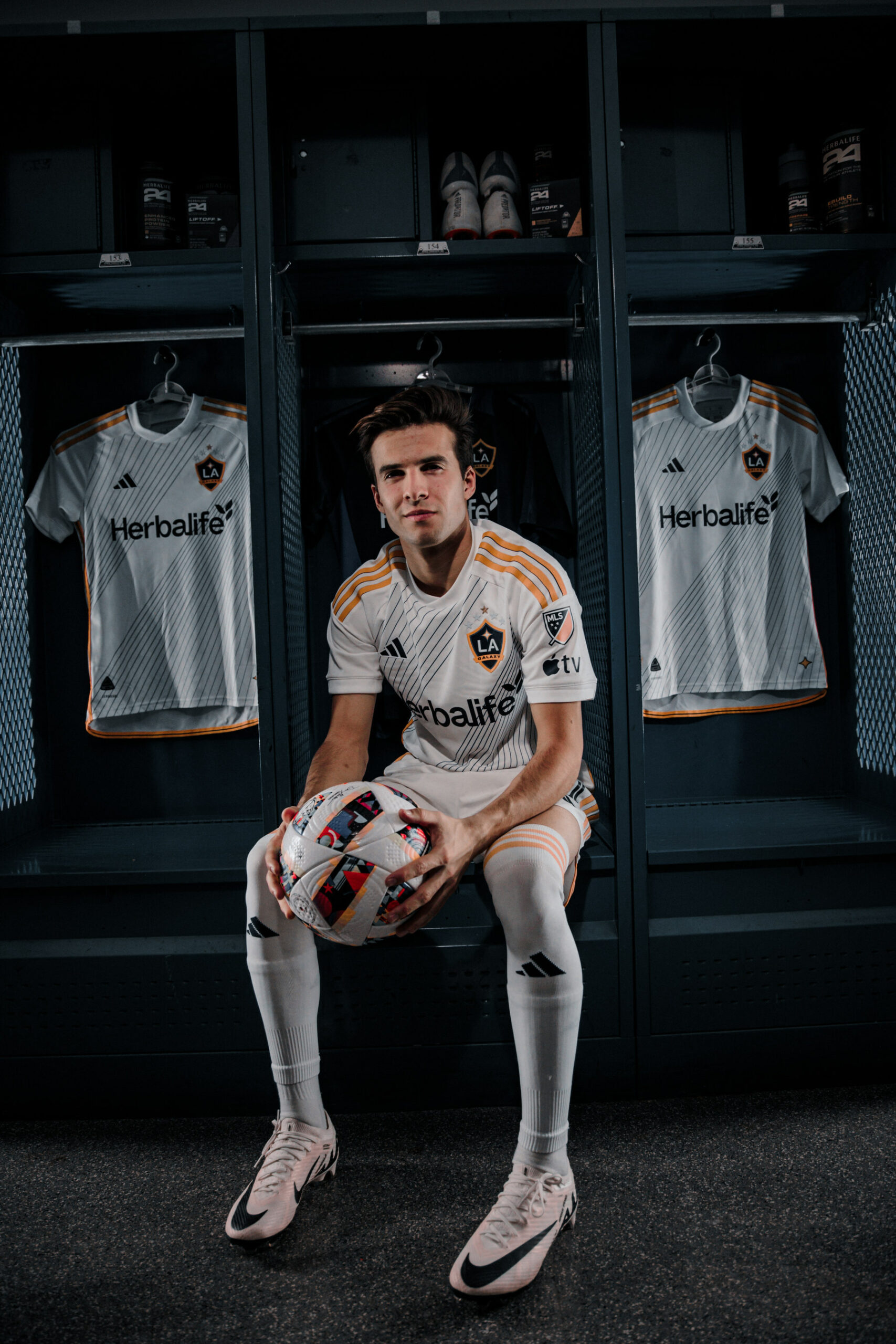
HERBALIFE AND LA GALAXY UNVEIL 2024 JERSEY
Herbalife and the LA Galaxy unveil the club's latest jersey

Television Is Starting to Feel Engineered
Entertainment Is Becoming Over-Optimized
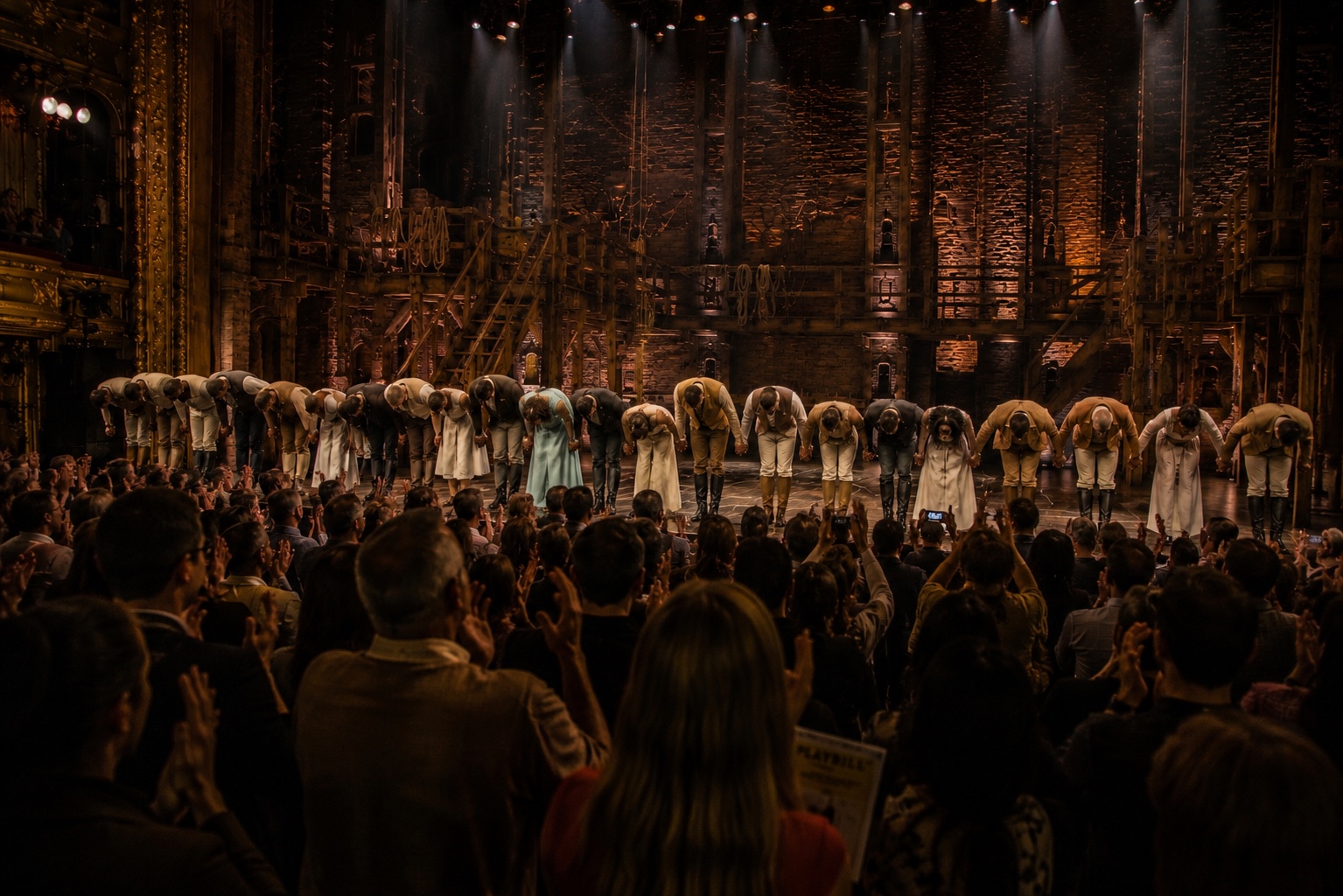
Broadway Was Built Around Eight Shows a Week:Is the Industry Ready to Rethink the System Without Losing What Makes Broadway
Broadway's Hardest Tradition

Angel Reese and Daniel Ricciardo Star in Animated Beats Pill Campaign for New Summer Colors
Beats Pill Adds Two New Colors Just in Time for Summer.