

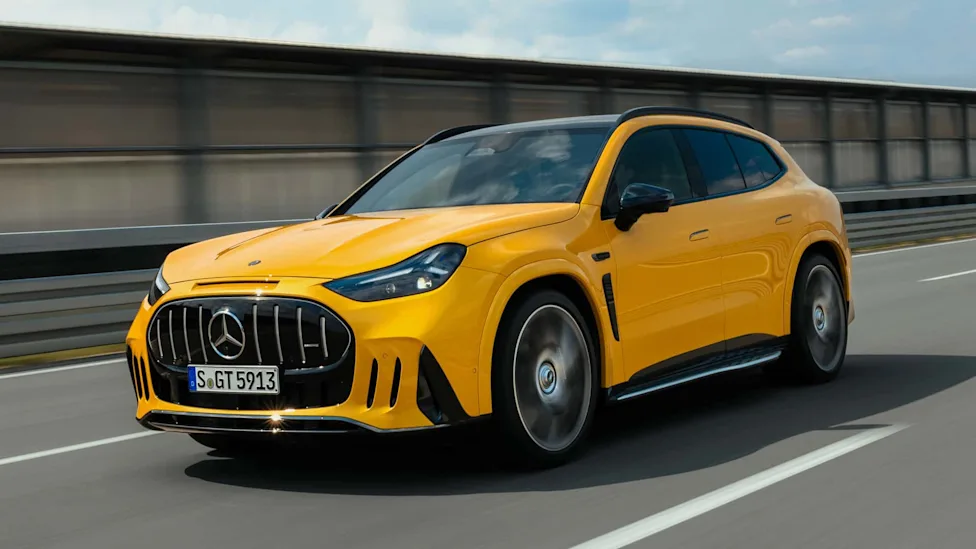
Mercedes-AMG Is Engineering How Electric Performance Feels
By DaMarko GianCarlo
Mercedes-AMG’s move into electric performance involves more than replacing an engine with a battery. With its new GT SUV, the company is also recreating the sounds, vibrations and rhythms that have helped define the experience of driving an AMG. Electrification changes how the vehicle produces power. This launch shows how deliberately the company is approaching what the driver hears and feels.
Unveiled on October 17, the GT SUV is the first full-size SUV developed entirely in-house by Mercedes-AMG. It uses the dedicated AMG.EA electric architecture and is scheduled to reach U.S. dealerships in summer 2027 as a 2028 model. AMG chairman Stefan Weckbach summarized its intended combination of utility and performance as “SUV by shape. GT by nature.”
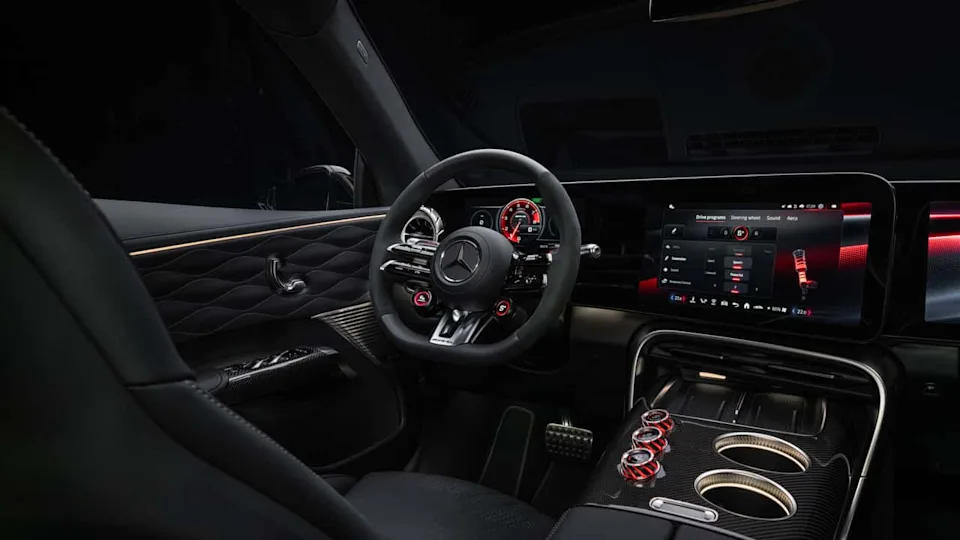
The sensory experience is central to that proposition. Through its AMGFORCE Sport+ driving program, the vehicle coordinates reproduced engine sounds with simulated gear changes, displays and vibrations through the seats. Mercedes says engineers documented actual combustion engines using 16 microphones across more than 100 measurements, with reference vehicles including an AMG GT R. Playback adapts to the driver’s actions, including acceleration and gear changes. The GT 55 and GT 63 reproduce V8 sounds, while the GT 53 uses a six-cylinder sound.
Drivers can use steering-wheel paddles for simulated shifts and adjust the sound experience, including a silent setting and a spectrum between classic and futuristic profiles. Characteristics once closely tied to a combustion engine become configurable elements of an electric vehicle. The motors provide propulsion; recordings, software and physical feedback recreate familiar sensations around that movement.
Mercedes’ U.S. product presentation reinforces that connection, describing engine recordings, seat shakers and coordinated graphics as features that respond to driving behavior. Their inclusion makes sound and touch part of the company’s stated approach to electric performance. For a brand whose identity has been closely associated with powerful engines, the launch raises a practical question: which sensations should carry forward when the machinery changes?
The engineering ambitions extend beyond those sensations. Mercedes technology chief Jörg Burzer said the company was demonstrating that “electric performance today no longer requires any compromises in sustained power, range or charging speed.” The flagship GT 63 has a claimed peak output of 1,153 horsepower, with continuous output listed at 711 horsepower. Mercedes estimates 0–60 mph in 2.4 seconds with the first foot of travel excluded, or 2.6 seconds without that exclusion.
Burzer’s statement remains a manufacturer’s assessment. Charging claims reach 710 kW, with approximately 12 minutes advertised for a 10–80 percent charge under specified conditions. The maximum 700-kilometer range—about 435 miles—is a preliminary WLTP figure, rather than an EPA-certified U.S. rating. These figures describe Mercedes’ intended capabilities. Final certification will confirm official figures, while independent testing will help assess real-world performance.
The broader significance lies in how the vehicle separates mechanical function from sensory character. Electric propulsion allows AMG to construct an experience in which familiar engine sounds and simulated shifts accompany a different source of power. Drivers can choose how much of that inherited character they want to hear and feel.
Whether the result creates the connection customers expect will depend on the experience behind the wheel. The announcement establishes that Mercedes-AMG is treating that connection as something to engineer alongside the battery, motors and chassis. Its electric future includes a deliberate effort to carry familiar sensations into new machinery.
Related Posts

Fruit or Condiment? Heinz Just Made Ketchup Drinkable
Savory Meets Sweet


“Atlas” Trailer: Jennifer Lopez Battles to Preserve Humanity in Netflix’s Sci-Fi Thriller
‘Atlas’ Trailer: Jennifer Lopez

Connection Above All: Nuria Vega on the Art That Moves Us
From Mexico to the Mythic West

Bang & Olufsen Names Charles Leclerc as Global Brand ambassador
Bang & Olufsen announces Charles Leclerc as Global Brand Ambassador

Kith and TUMI Forge Multi-Year Collaboration with Exclusive Travel Collection
Kith and TUMI Debut Premium Travel Bag Collection.
POST COMMENT