

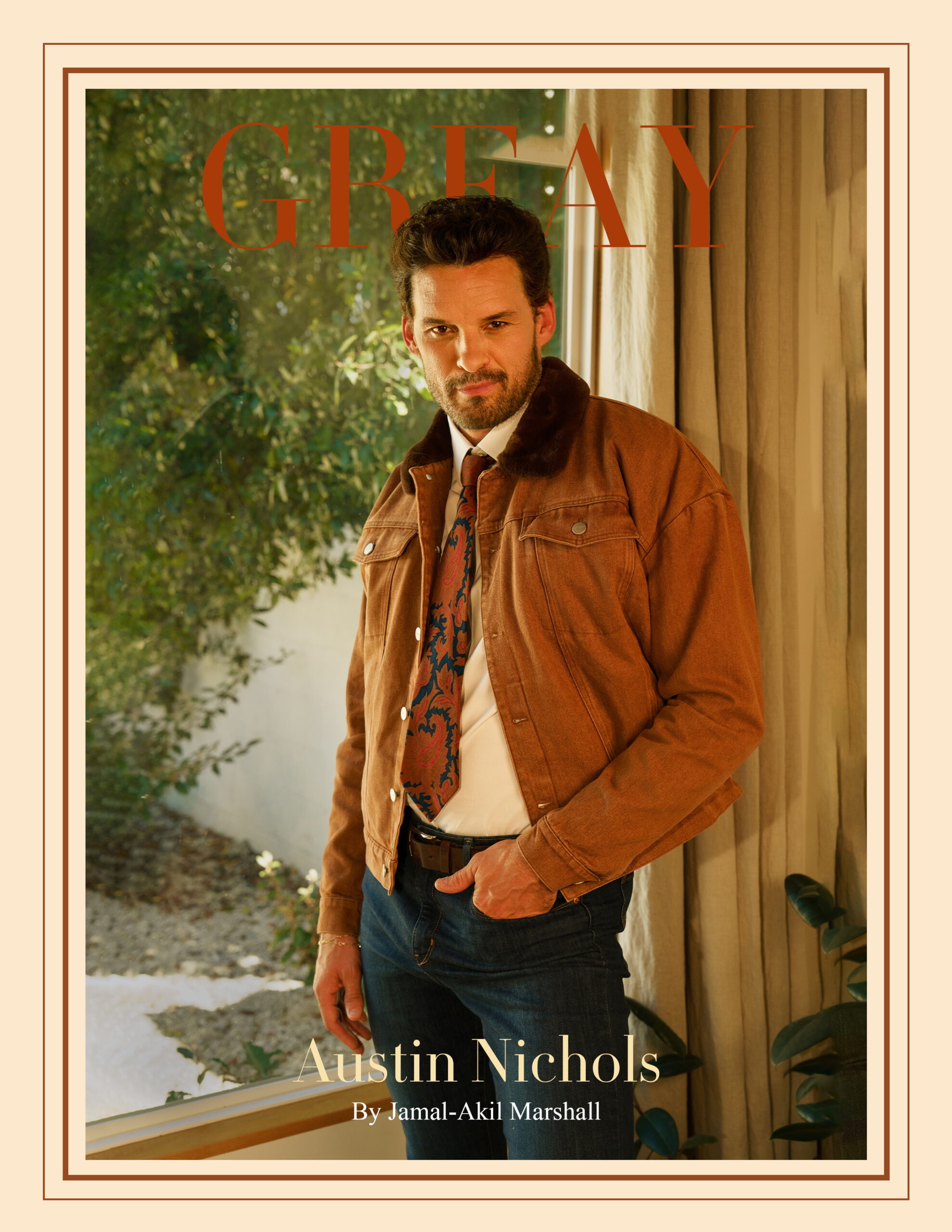
Austin Nichols Doesn’t Force the Scene — He Lets It Reveal Itself

There’s a moment in an actor’s evolution where performance stops being something they do and becomes something they recognize. Austin Nichols lives in that moment now. Not chasing control, not over-explaining intention, but operating from a place of internal precision that only comes from time inside the system. What he describes isn’t confidence in the traditional sense—it’s inevitability. Not ego. Not certainty. Something quieter. The kind of confidence that doesn’t announce itself because it’s already been lived.
Years inside long-running television—from One Tree Hill to more recent work like I Know What You Did Last Summer—gave him something actors rarely name but eventually recognize. “Living and working with the same character over many seasons creates a knowingness… a deep confidence.” That word—knowingness—is the shift. It’s what happens when repetition turns instinct into infrastructure. You stop searching for the character because the character has already settled into you. The decisions don’t feel like choices anymore—they feel like recognition.
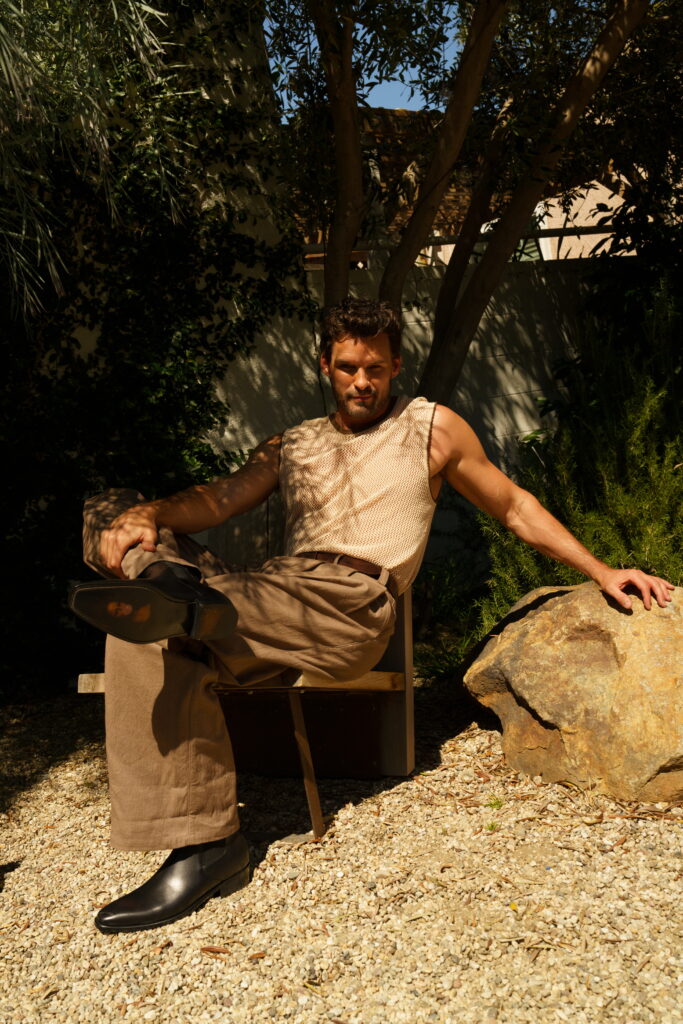
And once that infrastructure is built, the approach simplifies. Radically. Nichols doesn’t layer performance with analysis; he removes it. “The more I use my brain and analyze things, the more I lose the magic… it’s better to feel my way in.” In an industry that often rewards explanation, he moves in the opposite direction—toward feeling, toward presence, toward something that can’t be diagrammed in a meeting. Showing up, as he says, “a flesh and blood human,” and trusting that to be enough.
But this isn’t guesswork. It’s earned. Years on set have given him something most actors never fully articulate: rhythm. Not metaphorical rhythm, but physical, internal timing. “My body has a built-in clock… it learned how long it takes to shoot a 3-page scene… there is a rhythm.” It’s the kind of awareness you don’t study—you absorb. The kind that quietly shapes how you move, when you speak, how long you hold a moment before letting it go. You can feel it in his work, even if you can’t name it.
That understanding becomes undeniable the moment he steps behind the camera for his directorial debut, The Long Shot. Not as a pivot, but as a continuation. What he’s been building all along simply expands outward. And instead of forcing the film into a predetermined shape, he listens to it. “We thought we were gonna shoot the whole movie handheld… but as soon as we got through the first day, we realized it wasn’t… the tone revealed itself to us.” There’s humility in that. A willingness to be wrong in service of something better. To let the work speak back.
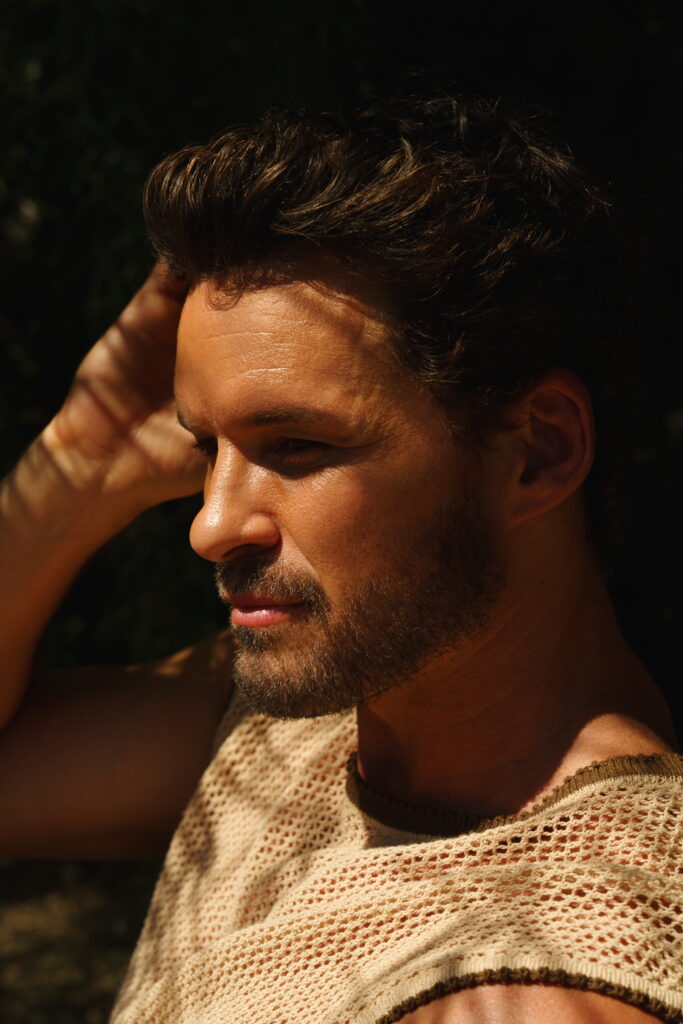
Because for Nichols, directing isn’t about control—it’s about creating the conditions for something real to happen. “I like whispering. Not shouting… I like to talk about the ballpark, not ask them to hit it to an exact spot.” It’s a philosophy rooted in trust. Trust in actors. Trust in the moment. Trust that if you build the right environment, something unexpected—and better—will emerge inside it.
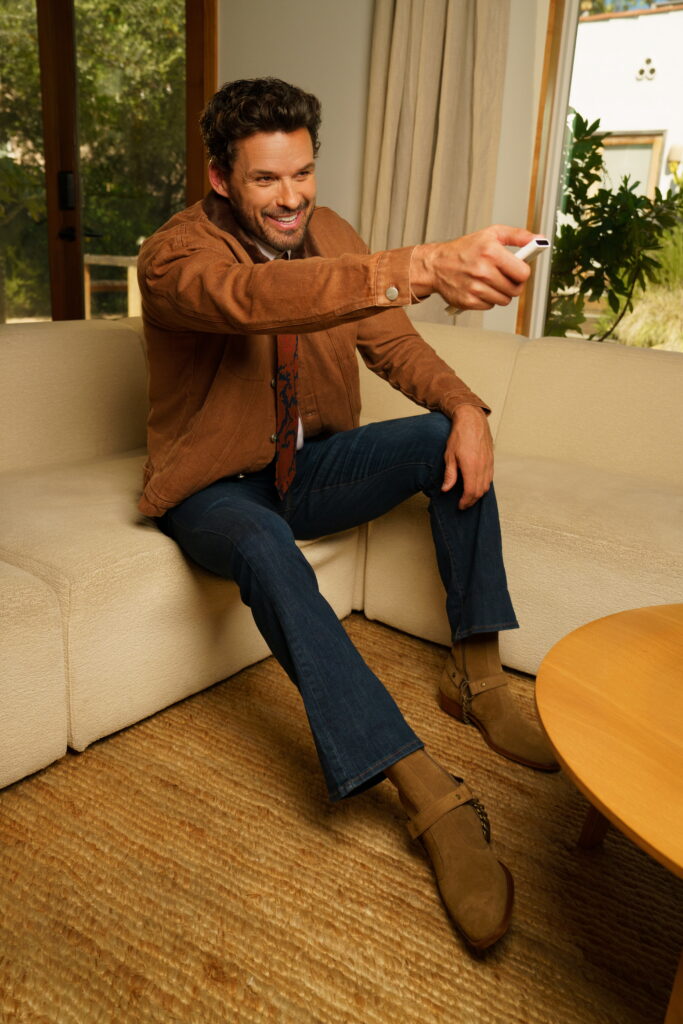
That trust didn’t come naturally. Earlier in his career, he pushed. Questioned. Tried to assert authorship in a way that felt visible. Now, that instinct has softened into something more precise. “I would rather be an instrument for the director… I will follow them across a desert with no water in sight.” Not because he has less to say—but because he understands when to say it, and when to let the system carry the moment forward.
And in a business that often hides behind language—tone, structure, intention—Nichols reduces everything to a single, human metric. “Did I feel something?… If it was powerful, then it’s working.” No theory survives that question. No performance can fake its way through it. You either felt it—or you didn’t.
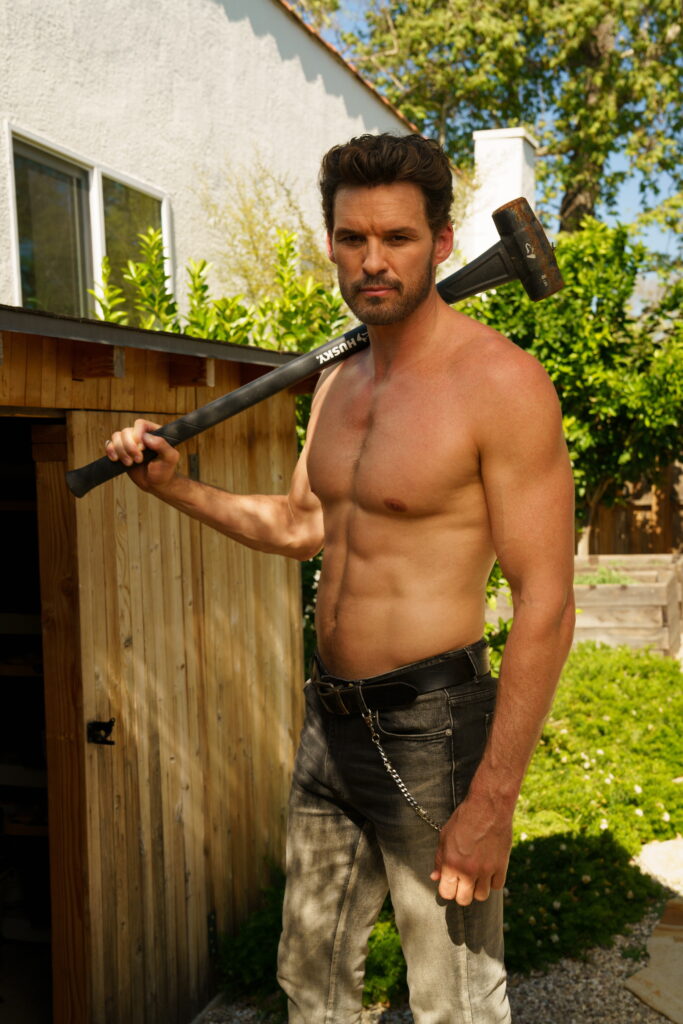
Which is why, when everything is stripped away, what remains isn’t process or philosophy—but experience. “I want to know that I had as much fun as humanly possible… and we made some people walk away feeling a little better.” It’s simple. Disarmingly so. But maybe that’s the point. After all the years, all the roles, all the systems learned and unlearned, the goal isn’t perfection.
It’s connection.
Nichols doesn’t force the scene.
He meets it where it lives.
And somehow, that’s exactly why it stays with you.
Photography by Jamal-Akil Marshall @jmlakl
Words by Kyra Greene @noteasybingreene
Grooming by Myrlen Monge @myrlenmonge
Wardrobe by Irina Van Verseveld @wonderzuzu
Wardrobe Asst Xiomara D’oyen @xixi.themermaid
Produced By The Greay Firm @greayfirm & Kyree L. Frazier @firstsight.intl
Related Posts
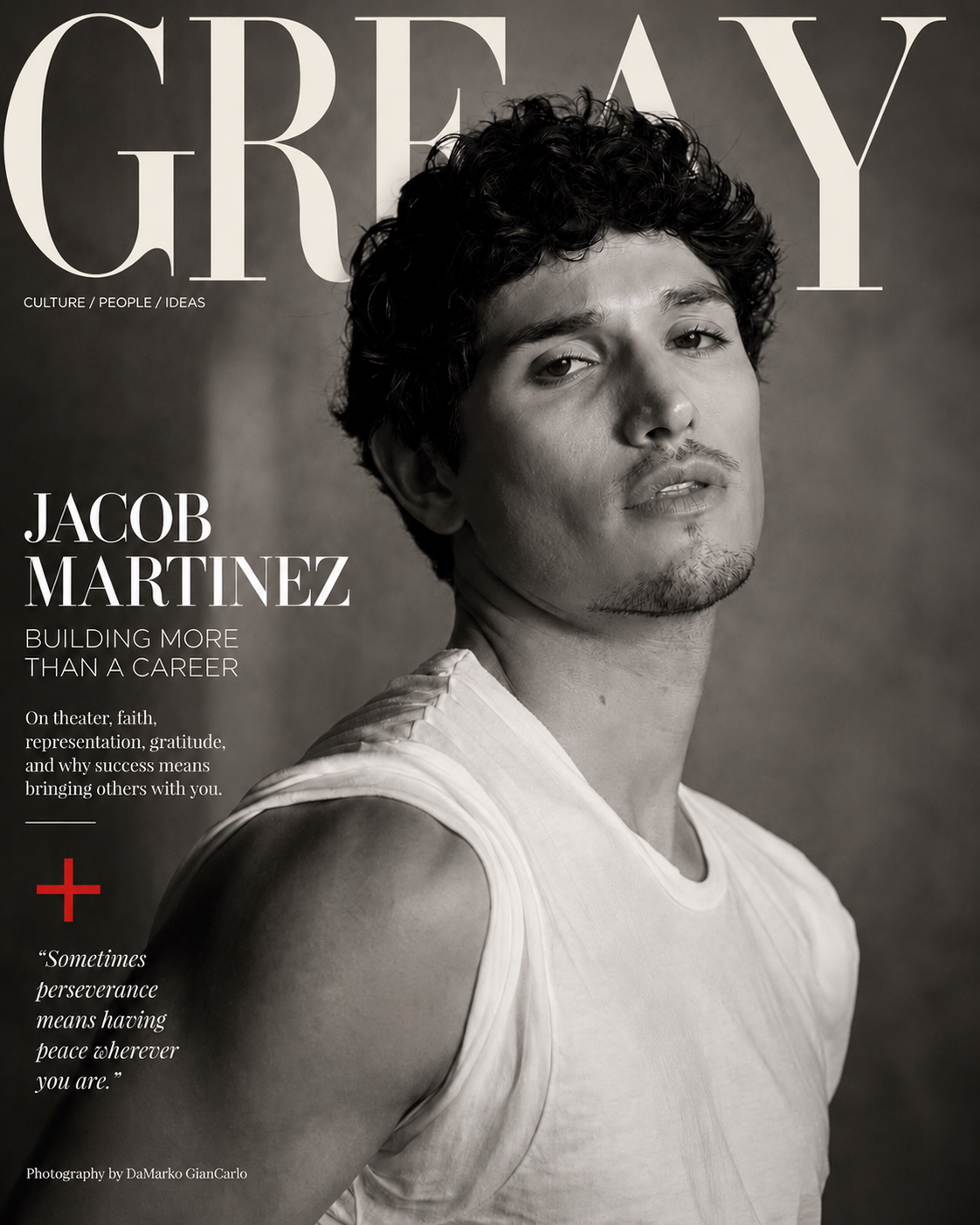
Jacob Martinez Is Building a Career Without Leaving People Behind
Success Was Never the Whole Story

Alexandra Breckenridge Craft, Courage, and the Characters That Changed Everything
The Vulnerability That Moves Millions
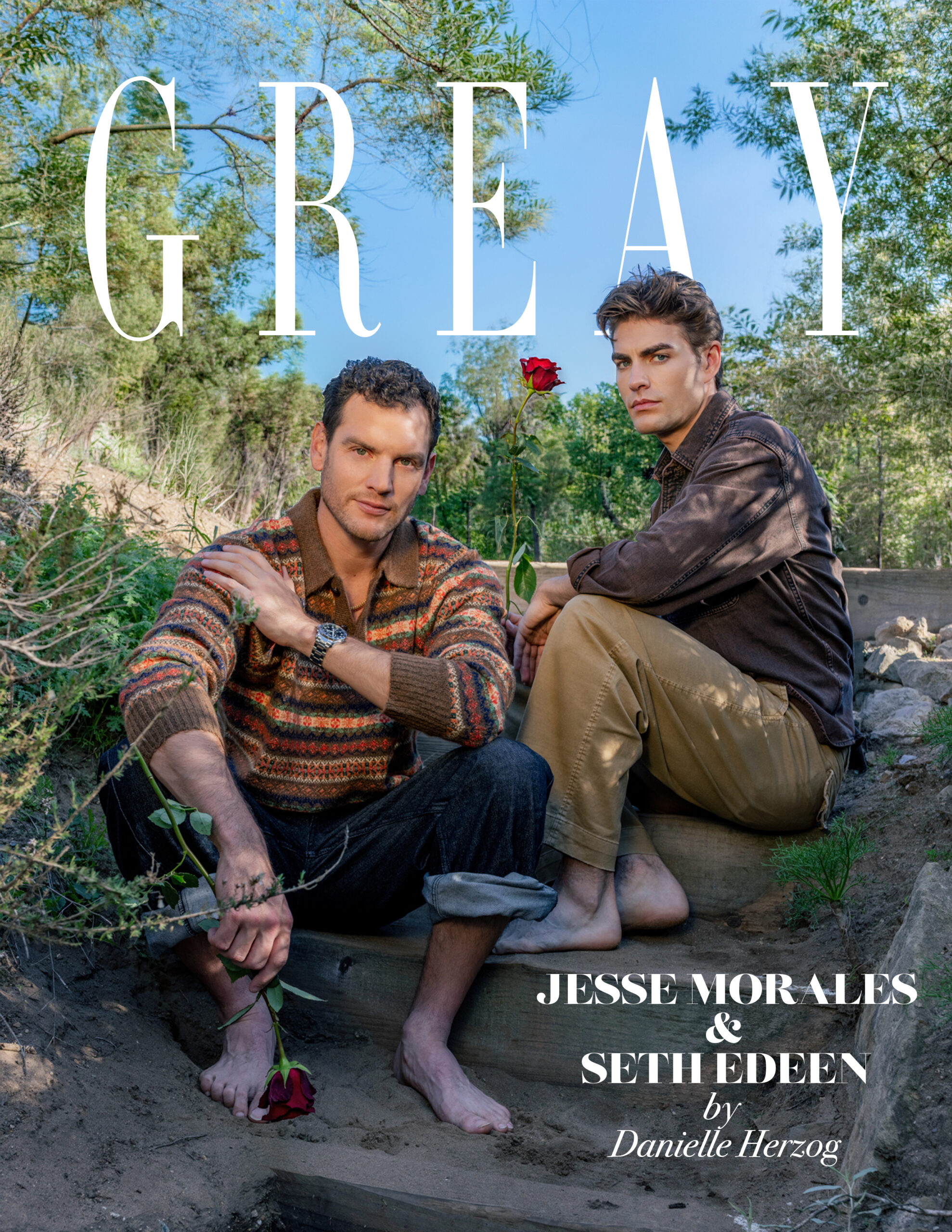
Seth Edeen and Jesse Morales at the Front of the Vertical Era
The Frame Has Changed

Daniella Pineda: Action, Advocacy, and Authenticity
Building Characters, Breaking Boundaries...
Cody Christian: From Small-Town Roots to Hollywood Stardom, A Journey of Resilience and Authenticity
No one puts Cody in a corner .

Ruby Snowber Believes in the Long Way Forward
The Work Between Milestones