

Druski Is Bringing a New Kind of Creator to Saturday Night Live
By DaMarko GianCarlo
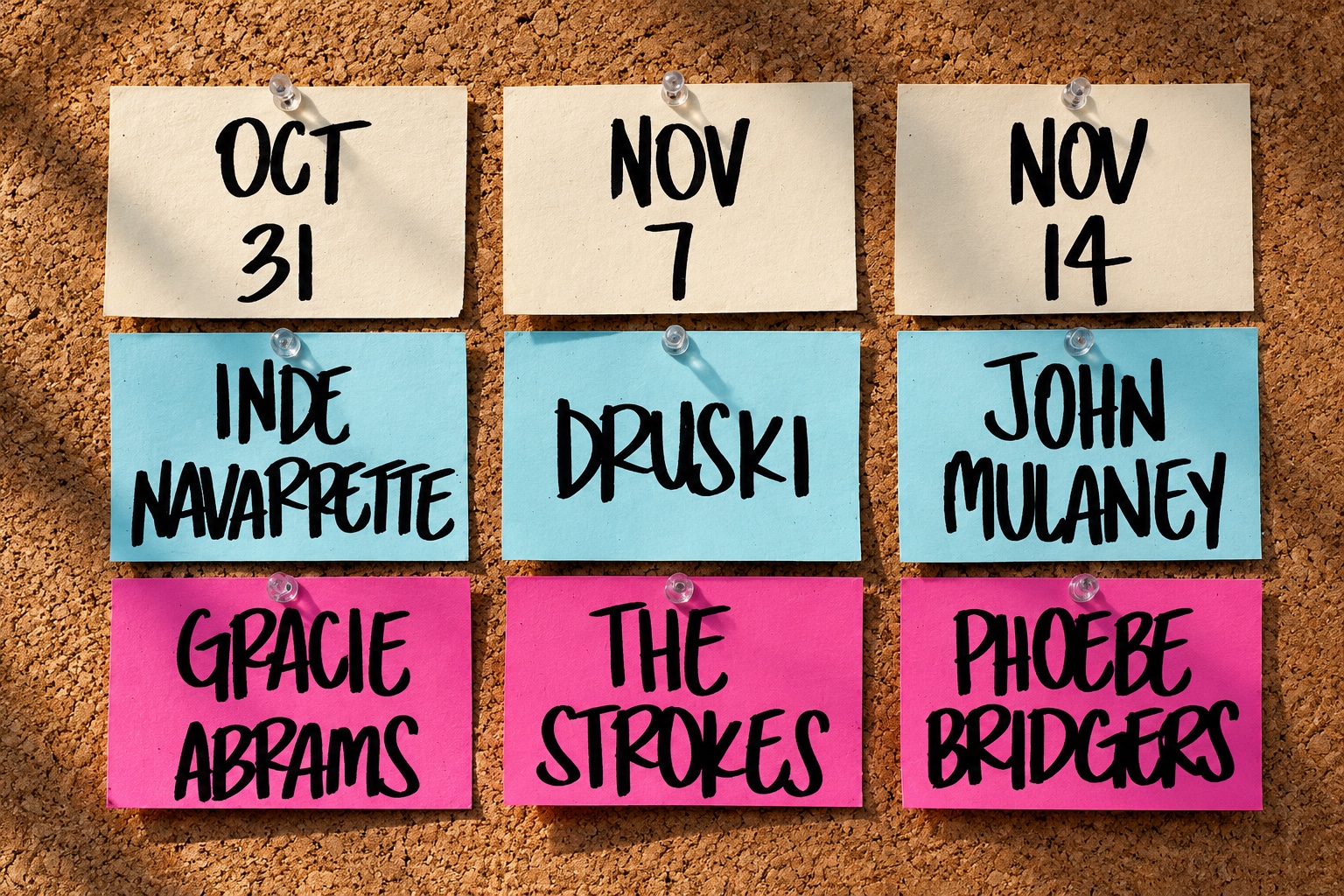
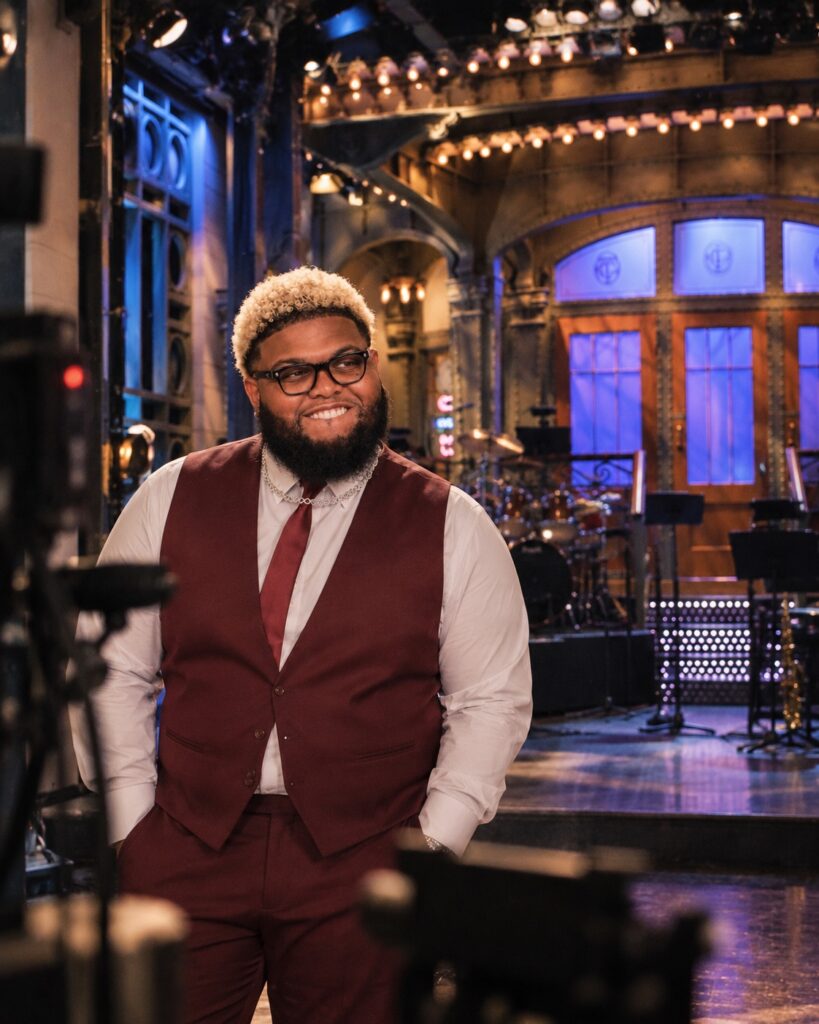
For more than five decades, Saturday Night Live has welcomed hosts whose careers were established through film, television, music, sports, and stand-up comedy. On November 7, the NBC institution will welcome Druski, a comedian whose career was built through social media sketches, original characters, and an audience developed largely outside traditional entertainment channels.
NBC confirmed the booking on October 22, with The Strokes scheduled to appear as musical guest. Druski, born Drew Desbordes, is being described as the first digital content creator to host the program in its 52-season history. The designation reflects a development in entertainment that extends beyond a single television appearance: performers who establish their audiences independently of traditional media are increasingly entering institutions that once served as primary gateways to national recognition.
Druski began publishing comedy videos on Instagram in 2017, developing characters built around familiar personalities, social behavior, and exaggerated situations. His sketches gained recognition through recurring characters and comedic environments that audiences could immediately recognize. That approach helped him establish an entertainment identity capable of extending beyond individual viral moments.
What followed was an expansion into businesses that did not depend exclusively on social media distribution. Coulda Been Records, developed through online auditions and interactions with aspiring performers, became a recurring entertainment property. Coulda Fest brought that audience into live entertainment in 2024, followed by an arena tour in 2025. The progression demonstrated how an audience developed through digital platforms could support ticketed events, commercial partnerships, and original productions.
His relationship with traditional entertainment expanded alongside those ventures. In June 2026, Druski hosted the BET Awards, placing him at the center of a national television broadcast. His upcoming comedy project Collect & Praise, developed from his viral megachurch sketches and featuring Mike Epps, is also scheduled to arrive in December, with Netflix and YouTube identified in distribution reporting.
His SNL appearance therefore does not represent the moment television first discovered Druski. It represents another stage in a career that had already developed a recognizable identity, substantial audience, and commercial presence.
The distinction of being the first digital content creator to host Saturday Night Live, however, depends partly on how that category is defined. Issa Rae developed an audience through her web series The Misadventures of Awkward Black Girl, while Quinta Brunson gained recognition through online comedy before creating Abbott Elementary. Both eventually hosted SNL, although their appearances followed established television success. Druski arrives through a different route, with his public identity still closely associated with the digital sketches and characters that built his audience. The designation of first digital content creator therefore reflects a particular definition of the category rather than an undisputed historical first.
That distinction does not diminish the significance of his booking. Instead, it reveals how difficult the boundary between digital entertainment and traditional television has become to define.
For years, online comedy provided aspiring performers with a way to attract the attention of established entertainment companies. Digital platforms offered exposure, but larger career opportunities were often understood to exist elsewhere. Television development deals, film roles, and relationships with established studios could transform an online following into a conventional entertainment career.
That relationship has become more complicated as creators have developed businesses capable of operating independently. Digital distribution allows performers to reach audiences directly, test original concepts, develop recognizable entertainment properties, and establish commercial relationships without first securing a television network’s approval.
Druski has spoken openly about the challenges of pursuing those traditional opportunities. During a September appearance on Steven Bartlett’s The Diary of a CEO, he described repeatedly approaching companies, including Netflix, Amazon, and FX, with entertainment concepts before deciding to finance and distribute his own productions.
Rather than continue seeking approval for the same projects, he began directing money earned through commercial partnerships into original programming for YouTube.
“I’m going to invest in myself,” he explained.
That decision helped produce projects including Coulda Been Auditions, Coulda Been House, and Coulda Been Daddy, expanding his comedy beyond short sketches into recurring entertainment formats.
His experience also demonstrates that independence and industry recognition are not necessarily competing forces. During the same interview, Druski discussed how appearing in Drake’s 2020 music video for “Laugh Now Cry Later” changed the commercial opportunities available to him.
“Brands started to take me seriously,” he recalled.
The observation illustrates a distinction between attracting an audience and receiving recognition from established entertainment businesses. Digital popularity can generate commercial opportunities independently, but association with recognized industry figures can still influence how companies evaluate a performer.
Druski’s career demonstrates both sides of that relationship. His audience developed through digital comedy, while collaborations, live entertainment, and television appearances expanded the settings in which that audience could encounter his work. Neither side operates entirely independently of the other.
His upcoming SNL appearance brings that relationship into one of American television’s longest-running comedy institutions.
The program has incorporated digital comedy into its own development for years. Online videos have introduced audiences to performers who subsequently joined the cast, while sketches produced for television regularly circulate through YouTube and social media. SNL’s cultural presence now extends beyond its Saturday-night broadcast, reaching viewers who may encounter individual performances without watching an entire episode.
Druski enters that environment as a performer whose comedy was developed for the same digital audiences television programs increasingly seek to reach.
There are also creative differences that make the appearance worth watching. His comedy frequently relies on improvisation, exaggerated characters, and interactions developed around the flexibility of digital production. SNL operates through a collaborative writing process, an established ensemble, rehearsals, and live performance before a national audience.
How Druski adapts his comedic approach to that format remains an open question. His success online does not automatically establish how his material will perform within SNL’s production model, just as the booking itself does not establish that the program will permanently change how it selects hosts.
The announcement is nevertheless a measurable development. A comedian who built his public identity through independently distributed digital sketches has been selected to lead an episode of one of network television’s most established entertainment programs.
It also reflects a broader question facing the entertainment business: what role do traditional institutions play when creators can develop audiences, entertainment properties, and commercial opportunities before entering them?
For Druski, the November 7 appearance will provide another opportunity to introduce his comedy to viewers beyond his established digital audience. For SNL, it will bring a performer whose career was shaped by a different model of audience development into its live television format.
Druski did not need Saturday Night Live to establish his characters, develop his following, or turn his comedy into a business. On November 7, he will bring that established identity to Studio 8H.
Related Posts
YouTube Scores Big: KAROL G Set to Perform at Exclusive NFL Broadcast in Brazil
By Kyra Greene The NFL is kicking off its 2025 season with a cultural
Michael B. Jordan Set to Direct and Star in New Thomas Crown Affair Remake
Michael B. Jordan is gearing up for his next big project
Marco Grazzini: The Discipline of Restraint
Behavior, Not Speeches
Why Apple TV+ Made a Deal With Courtney A. Kemp
Streaming Platforms Want Cultural Architects
Philadelphia Shows That Office Development Now Begins With Demand, Not Speculation
Why the next office tower now requires proof before construction

Professional Women’s Basketball League Unrivaled Announces Groundbreaking Compensation and Ownership Model
Professional Women's Basketball League Unrivaled Announced
POST COMMENT