

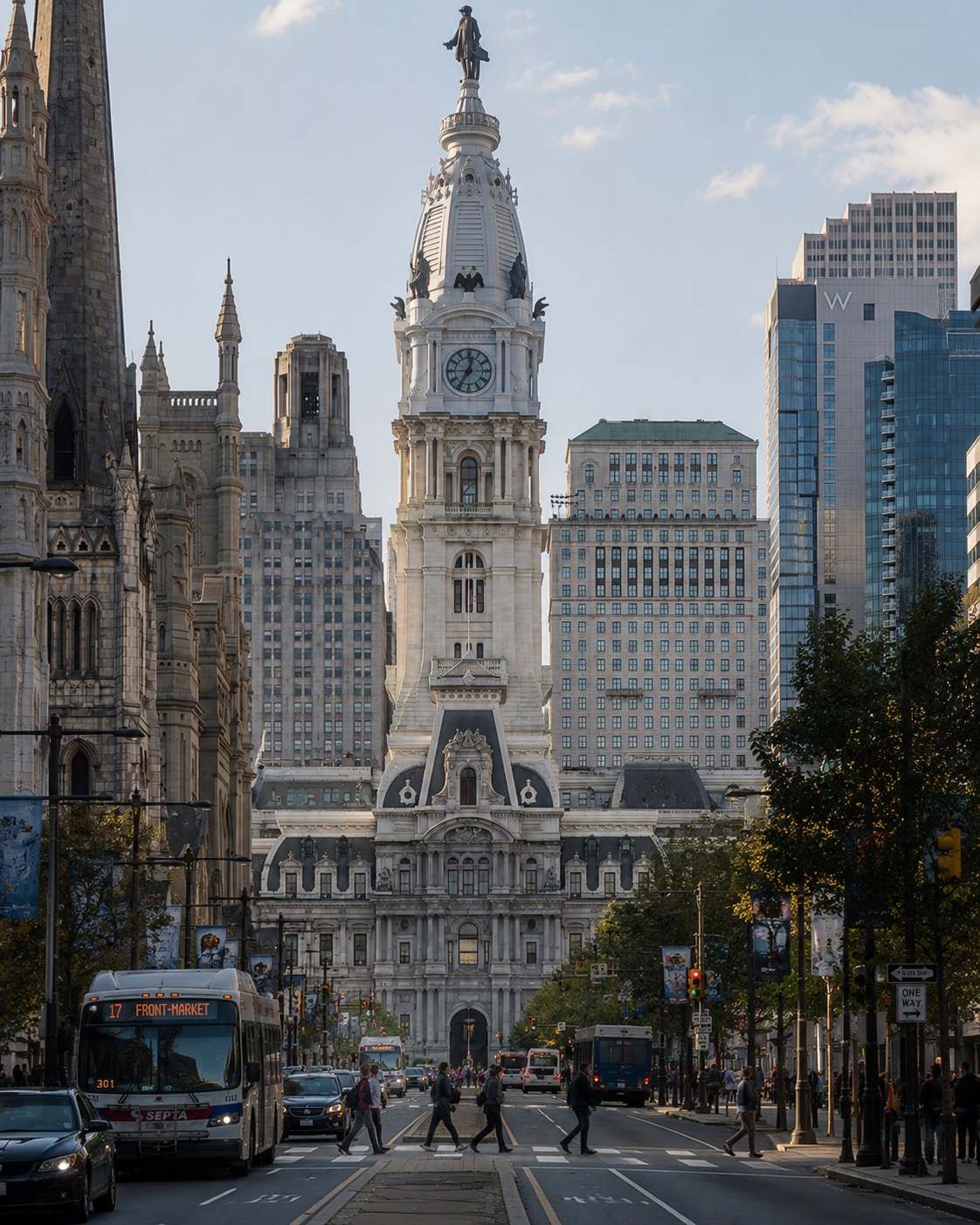
Philadelphia Shows That Office Development Now Begins With Demand, Not Speculation
By Malcolm Senate
For more than a century, office towers represented confidence.
Developers acquired land, secured financing, and began construction years before the first tenant occupied the building. Cities expanded because businesses were expected to expand. Commercial real estate wasn’t simply responding to economic growth—it was helping create it.
Philadelphia suggests that relationship has changed.
With no office buildings currently under construction following the completion of Chubb’s headquarters, the city’s development pipeline has reached an unusual milestone. On its surface, the explanation appears straightforward. Higher interest rates have made financing more expensive. Lenders expect stronger preleasing commitments. Companies are making more deliberate decisions about how much office space they truly need.
Those facts explain what happened.
They do not fully explain why it matters.
The deeper story is that office buildings have stopped functioning as bets on future growth.
They are increasingly becoming responses to growth that has already been proven.
That represents a fundamental change in how capital behaves.
For decades, uncertainty was accepted as part of development. Investors understood that businesses would grow, employees would be hired, and cities would continue expanding. Construction often began before every question had an answer because confidence itself was considered an asset.
Today, confidence is no longer enough.
Developers seek committed tenants before breaking ground.
Lenders seek measurable demand before releasing capital.
Companies seek flexibility before committing to long-term leases.
Each decision appears rational on its own.
Together, they produce a very different economy.
No single company decided to stop building office towers.
No single bank changed commercial real estate.
No single executive made downtowns more cautious.
The system evolved.
That evolution reflects a broader change in how businesses think about growth.
Growth is no longer automatically accompanied by more square footage. A company can hire employees across multiple markets, rely on hybrid work, adopt artificial intelligence, and increase productivity without expanding its physical footprint at the same pace previous generations did.
Economic expansion and office expansion are no longer synonymous.
That may be the most important shift Philadelphia reveals.
The implications extend far beyond commercial real estate.
Every office tower supports architects, engineers, steel fabricators, electricians, plumbers, truck drivers, material suppliers, interior designers, restaurants, retailers, maintenance companies, and countless small businesses. When fewer towers are built, fewer opportunities ripple through that ecosystem. The effects are gradual rather than immediate, but they influence employment, investment, municipal tax revenues, and the pace at which cities reinvent themselves.
This does not necessarily signal economic weakness.
Capital has not stopped moving.
It is flowing toward data centers, advanced manufacturing, healthcare facilities, logistics infrastructure, housing, and digital networks. Investment continues—but increasingly where future demand can be measured with greater confidence.
That distinction changes how Philadelphia should be interpreted.
This is not simply a city without office construction.
It is an early example of an economy redefining what growth looks like.
For generations, skylines grew because companies needed more space.
The next generation of skylines may grow only after companies prove they need it.
That is a subtle change in sequence, but it transforms the entire development model.
Philadelphia therefore raises a question that extends far beyond one city’s office market.
If businesses can create more value without occupying significantly more space, what becomes the next physical expression of economic growth?
For more than a century, office towers answered that question.
Philadelphia suggests America may be searching for a different answer.
Related Posts

Ralph Lauren’s Gee’s Bend Collaboration Shows How Heritage Brands Can Expand Their Cultural World Without Reinventing Their Identity
Expanding the American story through shared cultural authorship
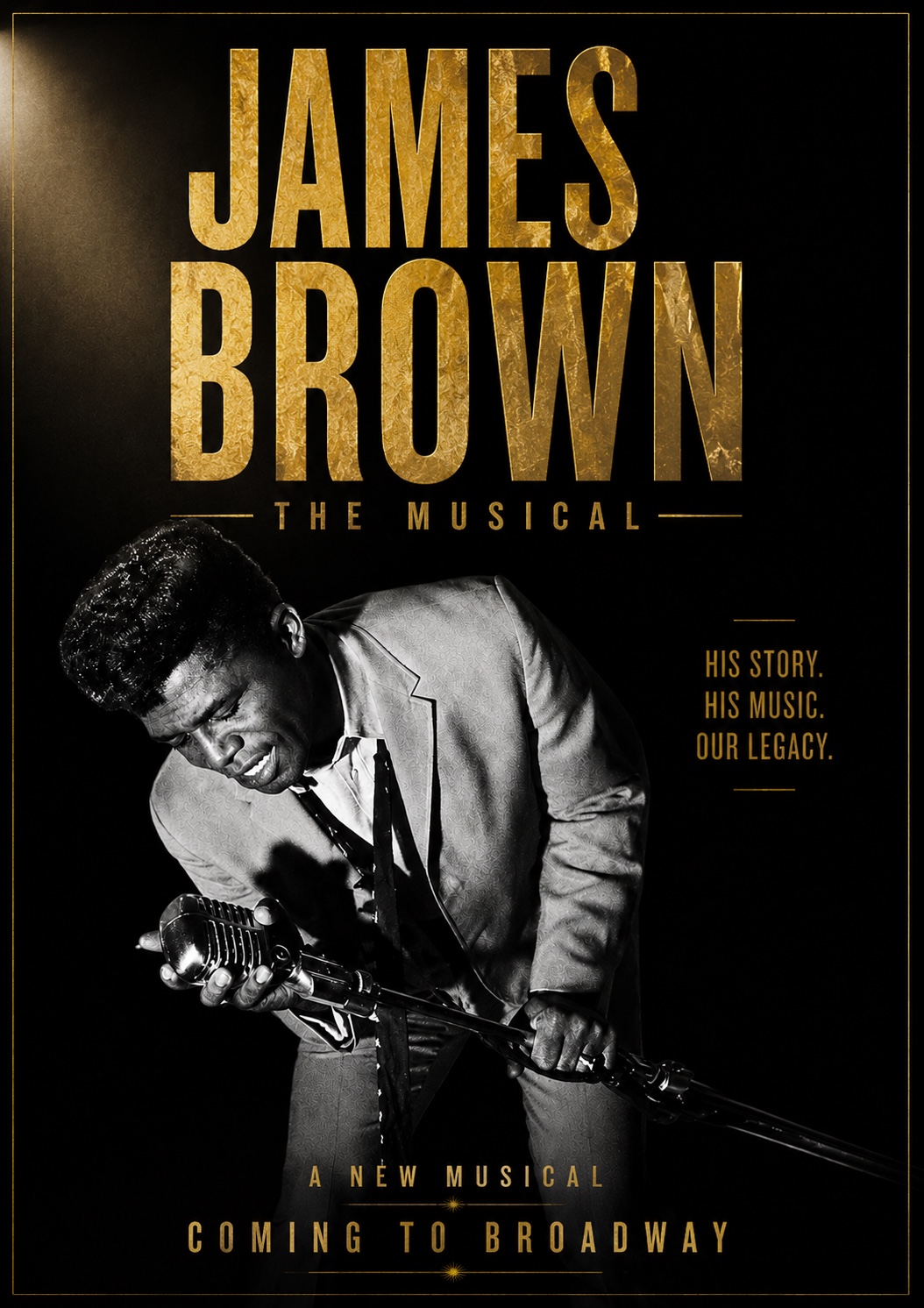
Broadway Is Becoming the Stage Where Music Legends Live On—and James Brown Is Next
When an Artist's Story Becomes Cultural History

Après-Ski, Reimagined: Nike and Jacquemus Blur the Line Between Sport and Style
Skiwear, Elevated

Official Features Trailer for The Last of Us Part 2 Remastered
The Last of Us Part 2 Remastered stands as an enhanced version.
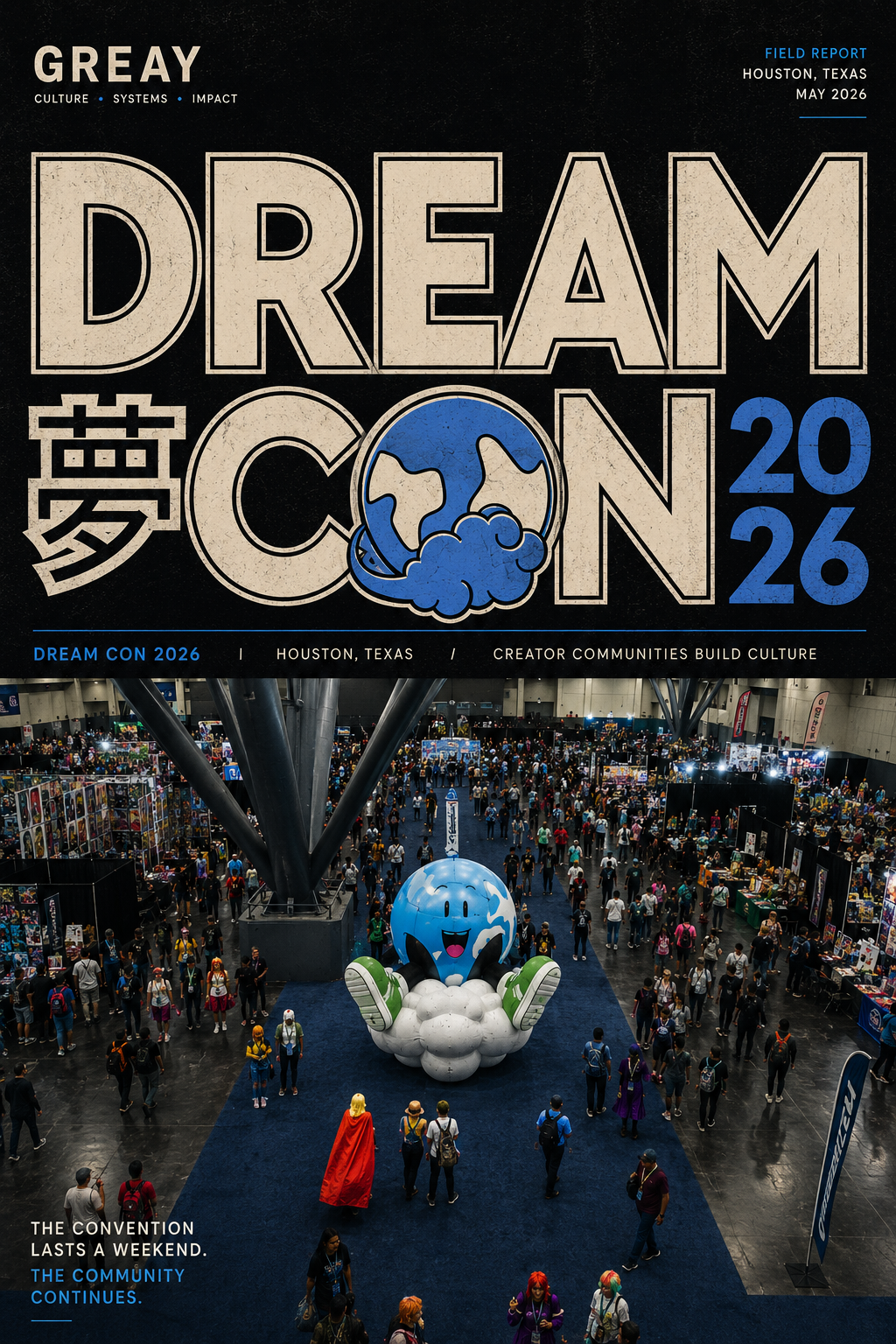
Dream Con Shows What Creator-Led Culture Looks Like in Real Life
A Weekend Built on Years of Connection

Grand Marnier and Teezo Touchdown Celebrate 50 Years of Hip-Hop with Festive “(W)rapping Paper” Initiative
Grand Marnier is commemorating 50 years of hip-hop in style this festi