

Joan Rater and Tony Phelan Are Still Asking What Comes Next
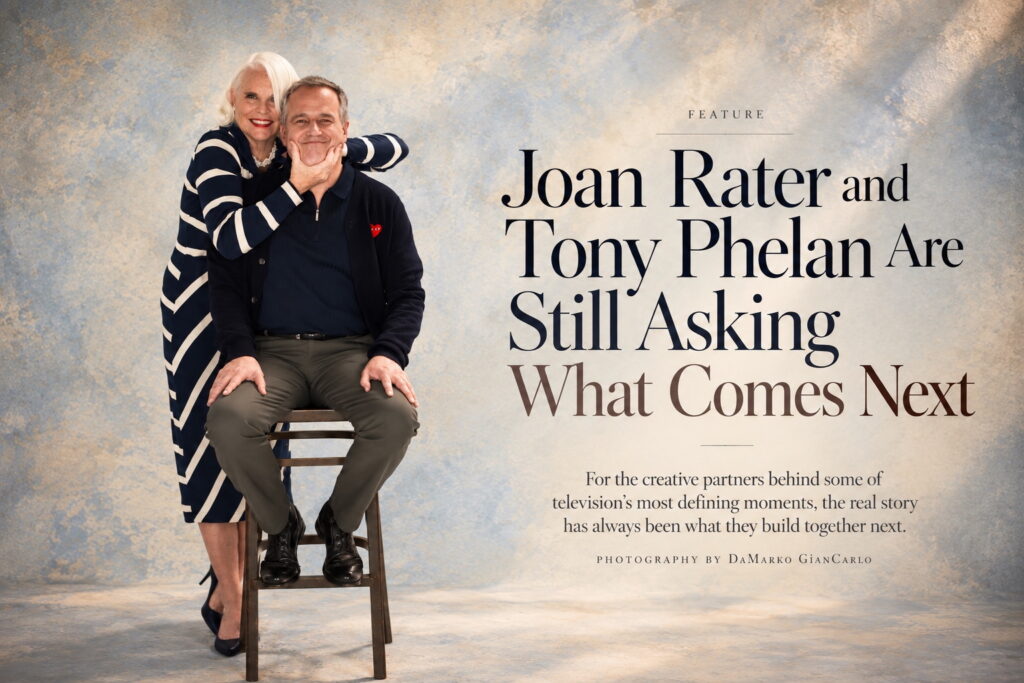
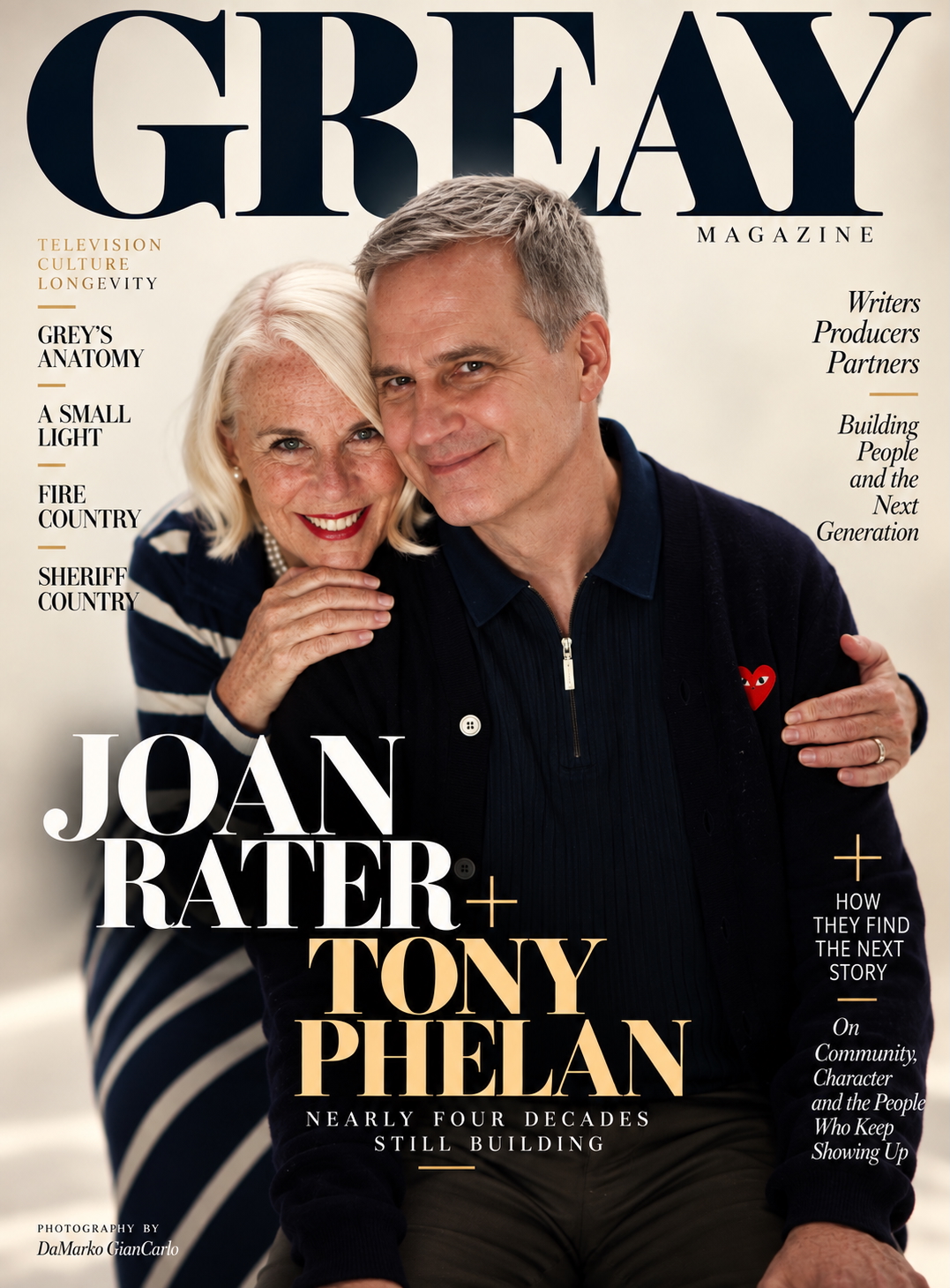
Nearly four decades into a marriage and creative partnership, Joan Rater and Tony Phelan have accumulated the kind of résumé that could easily turn a conversation into a retrospective. Grey’s Anatomy. A Small Light. Fire Country. Sheriff Country. Years spent writing, producing, building television and helping other writers find their way into the room. But sitting with them, the past never feels like the destination. What becomes more interesting is that after all this time, they are still asking essentially the same question they have asked each other throughout their lives together: What now?
That question carries more weight after nearly forty years. Longevity can look inevitable from the outside. Once enough years have accumulated, it is easy to turn a partnership into mythology—to imagine two people discovering a formula early and simply repeating it. Rater and Phelan describe something considerably more human. There have been arguments, uncertainty, closed doors, periods when the work stopped coming and moments when neither knew exactly where they were headed next.
Joan remembers those quieter periods as “unsettling and scary.” Eventually, though, the uncertainty would bring them back into conversation. “What now? What should we work on next?” The answer was rarely immediate. They would talk. Ideas would wander. Something would eventually change in the room.
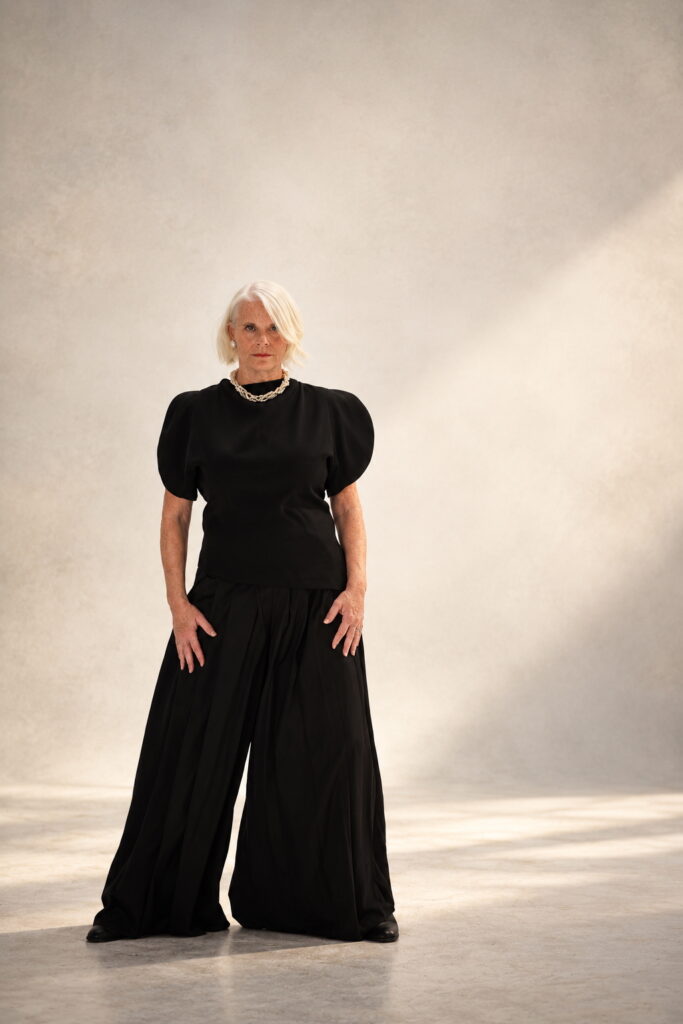
“We’ve learned to listen for that excitement,” Joan says.
That sentence may explain their partnership better than any description of process could. After decades together, they are still listening for the moment when an idea becomes alive to the other person.
They have also learned that partnership does not require sameness. Tony describes Joan as someone who “has a great sense of where to put our efforts,” while admitting that he will “bang my head against a closed door endlessly.” Those differences could have become friction points. Instead, time taught them how to recognize what each person brings to the work.
“It took us a long time to realize that we both didn’t have to be good at everything,” they explain.
There is something quietly radical in that realization. Creative partnerships are often discussed in terms of chemistry, as though compatibility means two people instinctively moving in the same direction. Rater and Phelan’s version is more durable. It leaves room for disagreement. It allows one person to see something the other cannot. It requires enough confidence in yourself to let somebody else be better at something.
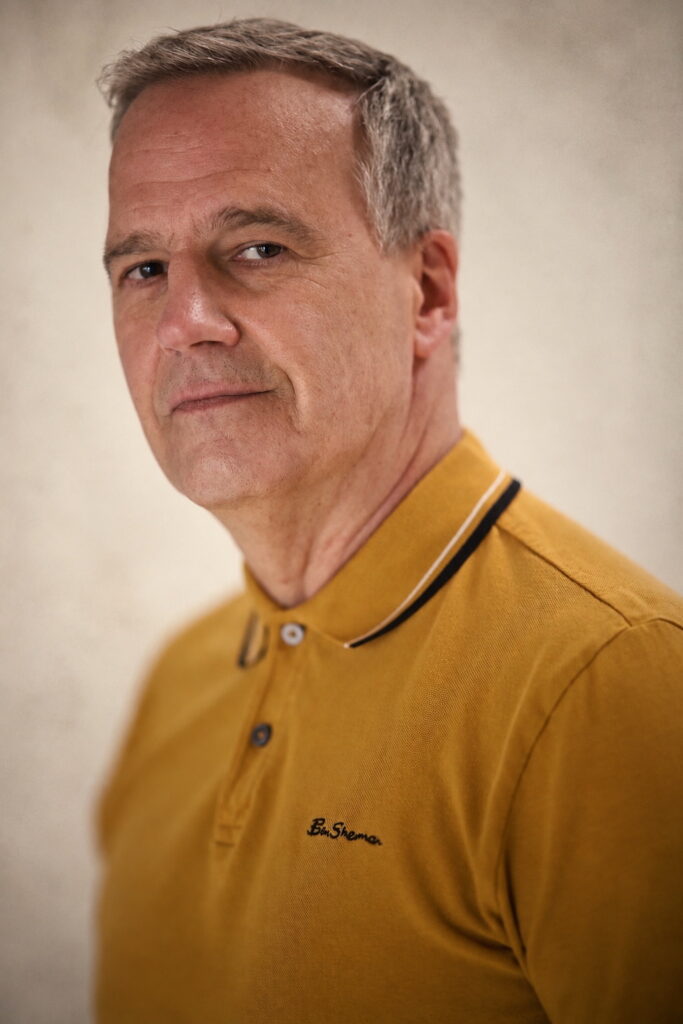
Tony is unequivocal about Joan. He calls her “simply the best writer I’ve ever seen.” That admiration matters because it exists alongside disagreement rather than instead of it. They still fight in the room. Tony has also learned something less glamorous but perhaps more important: “I’ve learned I need to work on my listening.”
Listening runs underneath much of their work. Across the worlds they have helped create, institutions are rarely interesting simply because of what they do. Hospitals, firehouses, law enforcement, resistance networks—these become places where people are forced into relationship with one another. Characters make mistakes, disappoint each other, carry responsibility, offer forgiveness and decide whether they are willing to show up again.
For Rater and Phelan, community is not decorative. It is part of what “saves us as human beings.”
That idea helps connect projects that might otherwise seem far apart. Grey’s Anatomy found enormous drama inside a hospital, but its lasting emotional language was built around people learning how to live alongside one another while confronting loss, ambition, love and failure. A Small Light approached history through the choices of ordinary people, including Miep Gies making the decision to say yes when another human being needed help. Fire Country and Sheriff Country place public responsibility beside private relationships, asking what service costs and what community demands.
Again and again, the systems change while the underlying question remains remarkably consistent: What do we owe one another?
Conflict is essential to that question. Rater and Phelan do not seem particularly interested in characters who begin with all the answers. Conflict creates the possibility of “growth, forgiveness and empathy.” People fail. They reconsider. They return. Sometimes the meaningful act is not extraordinary courage but simply choosing to try again.
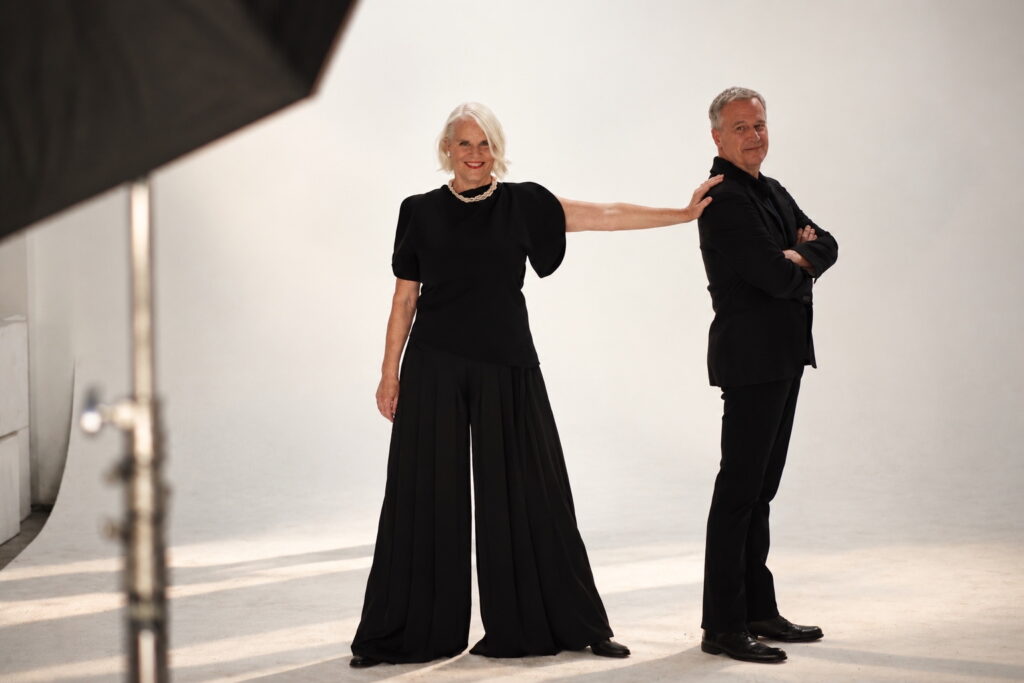
That philosophy extends beyond the characters they write. After decades in television, Rater and Phelan are increasingly conscious of who gets to enter the rooms they once fought to enter themselves. Mentorship is not an accessory to their careers; it has become part of how they understand responsibility. They talk about “prying the door open for the next generation,” recognizing that longevity means very little if all that accumulated experience ends with you.
It is an important distinction. Their legacy is not simply the number of episodes bearing their names or the television franchises they helped shape. It is also the writers they encouraged, the people they trusted, the rooms they helped create and the knowledge they chose to pass forward.
And perhaps that is why nearly forty years does not feel like the ending of this story.
One talks. The other listens. They disagree. They push. They recognize when a door is closed. Sometimes Tony keeps banging on it anyway. Somewhere inside those long, meandering conversations, one of them hears something change.
There is no attempt to pretend that longevity has made uncertainty disappear. If anything, Rater and Phelan seem to have become more comfortable admitting that they do not always know what comes next. Experience has given them something different from certainty. It has given them a way of finding the answer together.
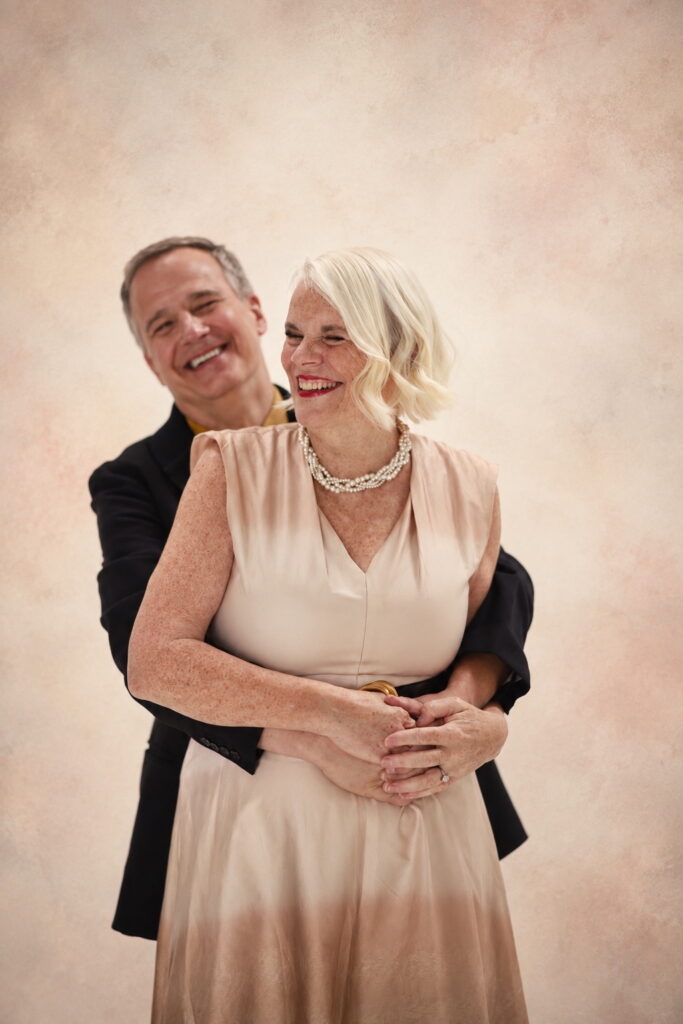
Excitement.
After nearly four decades of marriage, television, characters, arguments, successes, disappointments and stories, Joan Rater and Tony Phelan are still paying attention to that sound.
And then they ask each other again:
What should we work on next?
Photography DaMarko GianCarlo @damarkoGianCarlo
Words Kyra Greene @noteasybeingreen
Makeup/ Hair Sabrina Ozuna @sabrinaozuna
Wardrobe Ayanna Brumfield @stylesayanna
Creative Services First Sight International LLC @firstsight.intl
Related Posts

Daniella Pineda: Action, Advocacy, and Authenticity
Building Characters, Breaking Boundaries...

A Star Among Us: Inside the Creative Universe of Humberly González
No Limits, No Labels
David Lim Creativity Has No Boundaries
David Lim from Actor to Jewelry Designer.
Violet McGraw Is Learning That Becoming Yourself Is Not a Race
Growing with curiosity, kindness, and the freedom to remain herself
Ellenore Scott Is Choreographing Emotional Truth on Broadway
The Humanity Beneath the Spotlight

Jim Rash Knows the Truth Doesn’t Have to Be Literal
Comedy, Grief and the Freedom to Put Yourself Into the Work
POST COMMENT