

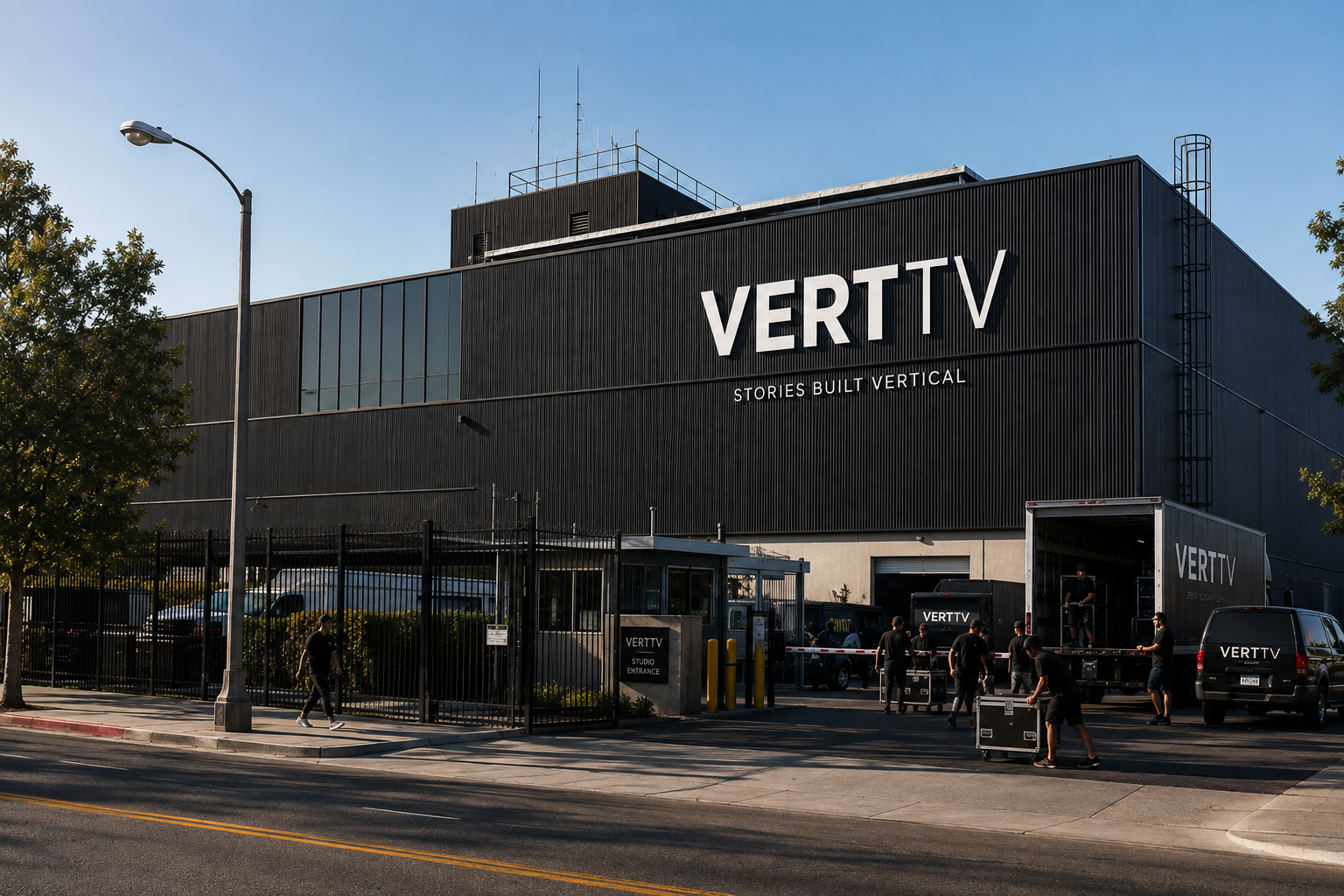
VertTV Shows That Hollywood Is Building the Next Generation of Television
By Ronin Skyye
The emergence of filmmaker-led vertical studios suggests the industry’s next production model is being designed specifically for the mobile screen.
Entertainment formats rarely transform because of a single hit series. They transform when an industry begins building infrastructure around them. Studios are formed. Production pipelines are established. Writers, directors, actors, and financiers organize themselves around a new way of making content. That moment often arrives quietly, long before the broader public recognizes that an industry has fundamentally changed. The launch of VertTV suggests vertical drama may have reached exactly that stage.
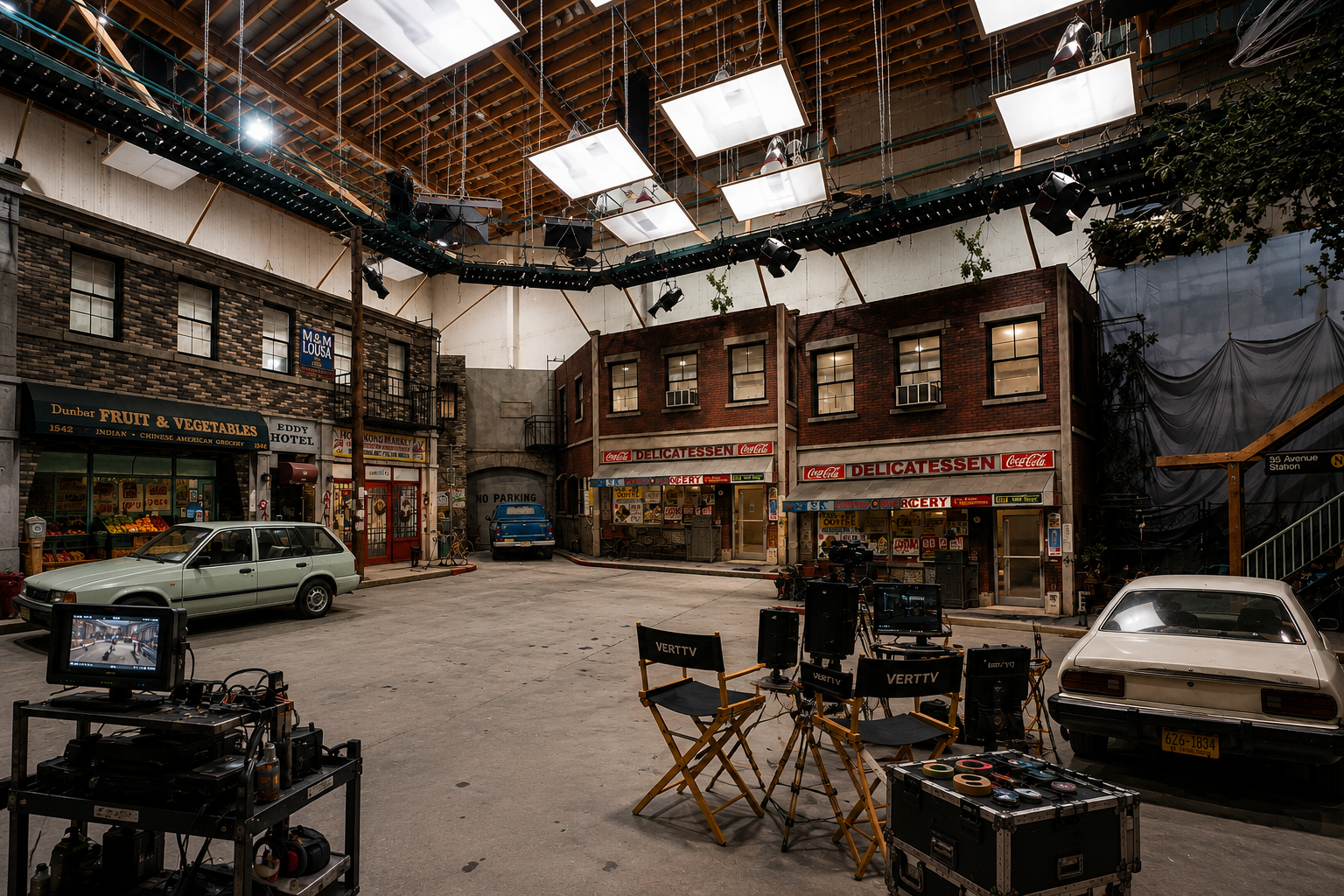
At first glance, VertTV appears to be another entrant in the increasingly competitive world of vertical storytelling. But the company’s significance lies less in the existence of another platform than in the way it has been constructed. Founded by veteran Hollywood producers Jeffrey Schenck, Barry Barnholtz, and Peter Sullivan, VertTV was designed as a filmmaker-led studio developing, producing, and distributing original scripted series specifically for vertical viewing. That distinction separates it from earlier experiments that simply repackaged existing content for mobile audiences. VertTV was conceived for the format from the beginning.
The difference between adapting content and building for a format is substantial. Hollywood has spent decades refining production systems around feature films, broadcast television, cable, and streaming. Each format eventually developed its own economic model, creative language, production schedules, and distribution strategy. Vertical drama increasingly appears to be following the same trajectory. Rather than asking how traditional television can fit on a smartphone, companies like VertTV are asking what television looks like when the smartphone becomes the primary screen.
That shift is visible in the talent participating as well. VertTV’s launch slate includes established performers such as Cindy Busby, Josh Henderson, Vivica A. Fox, Richard Karn, and other recognizable television actors. Busby’s role in Lone Star Hearts illustrates a broader movement occurring across the industry. Performers whose careers were built through network television and traditional scripted programming are increasingly choosing to participate in vertical-first productions. Their involvement reflects growing confidence that these projects represent legitimate creative opportunities rather than experimental digital side ventures.
The studio model reinforces that conclusion. VertTV is not simply licensing completed productions or aggregating independently produced content. It is developing original intellectual property, assembling casts, financing productions, managing creative development, and distributing completed series through its own platform. Those are the responsibilities traditionally associated with television studios. The orientation of the screen has changed, but the underlying business of building entertainment companies remains remarkably familiar.
This is why VertTV should not be viewed in isolation. Over the past several years, companies across the vertical entertainment ecosystem have demonstrated sustained audience demand while attracting increasing investment from producers, actors, and production companies. Platforms dedicated to mobile-first storytelling continue expanding their libraries. Established creative professionals continue entering the category. Financing continues following audience behavior. Individually, each announcement represents another business decision. Collectively, they describe an industry assembling the infrastructure required to support an entirely new production sector.
Hollywood has experienced similar moments before. Streaming did not become permanent because one service succeeded. It became permanent because studios reorganized themselves around streaming as a business. Premium cable did not reshape television because of one acclaimed series. It reshaped television because networks built long-term production strategies around the format. Lasting changes occur when organizations redesign themselves to support new forms of storytelling. VertTV belongs within that tradition.
Perhaps the most revealing aspect of this transition is that the conversation has begun moving away from technology and toward production. The early years of vertical video were dominated by discussions about screen orientation, episode length, and mobile viewing habits. Those questions are becoming less relevant as filmmakers increasingly accept the format as a creative medium in its own right. Today’s discussions center on talent, intellectual property, production quality, financing, and audience retention—the same conversations that have always defined the business of television.
That evolution signals a more mature industry. Formats stop feeling experimental when professionals no longer spend their time explaining why they exist and instead focus on making them better. VertTV represents that progression. The company is evidence that experienced Hollywood producers are investing not simply in vertical content, but in the systems required to create it consistently and at scale.
The launch of VertTV does not, by itself, prove that vertical drama will become the dominant form of television. No single company can establish that. What it does demonstrate is that veteran producers now believe the format deserves dedicated studios, original intellectual property, established actors, and long-term investment. Entertainment history suggests those decisions matter far more than any individual title. Industries reveal their future through the infrastructure they choose to build. VertTV suggests Hollywood increasingly believes the future of television will include stories created for the vertical screen from their very first page.
Related Posts
Lauren Lucas Is Coming Back to Herself
A Life Bigger Than the Timeline

THE LUXURY COLLECTION DEBUTS IN GERMANY WITH THE OPENING OF KOENIGSHOF, A LUXURY COLLECTION HOTEL, MUNICH
THE LUXURY COLLECTION DEBUTS IN GERMANY

First Teaser Released for ‘Captain America: Brave New World’ Starring anthony mackie
From Falcon to Captain

Fruit or Condiment? Heinz Just Made Ketchup Drinkable
Savory Meets Sweet

Samsung and Maison Margiela Join Forces for Exclusive Galaxy Z Flip5 Collaboration
Samsung Electronics and Maison Margiela, the renowned Parisian Haute C
Pacsun Launches ‘A.R.C.’: The Ultimate Men’s Activewear Line for Gen Z
Pacsun unveils first dedicated men’s activewear line.