

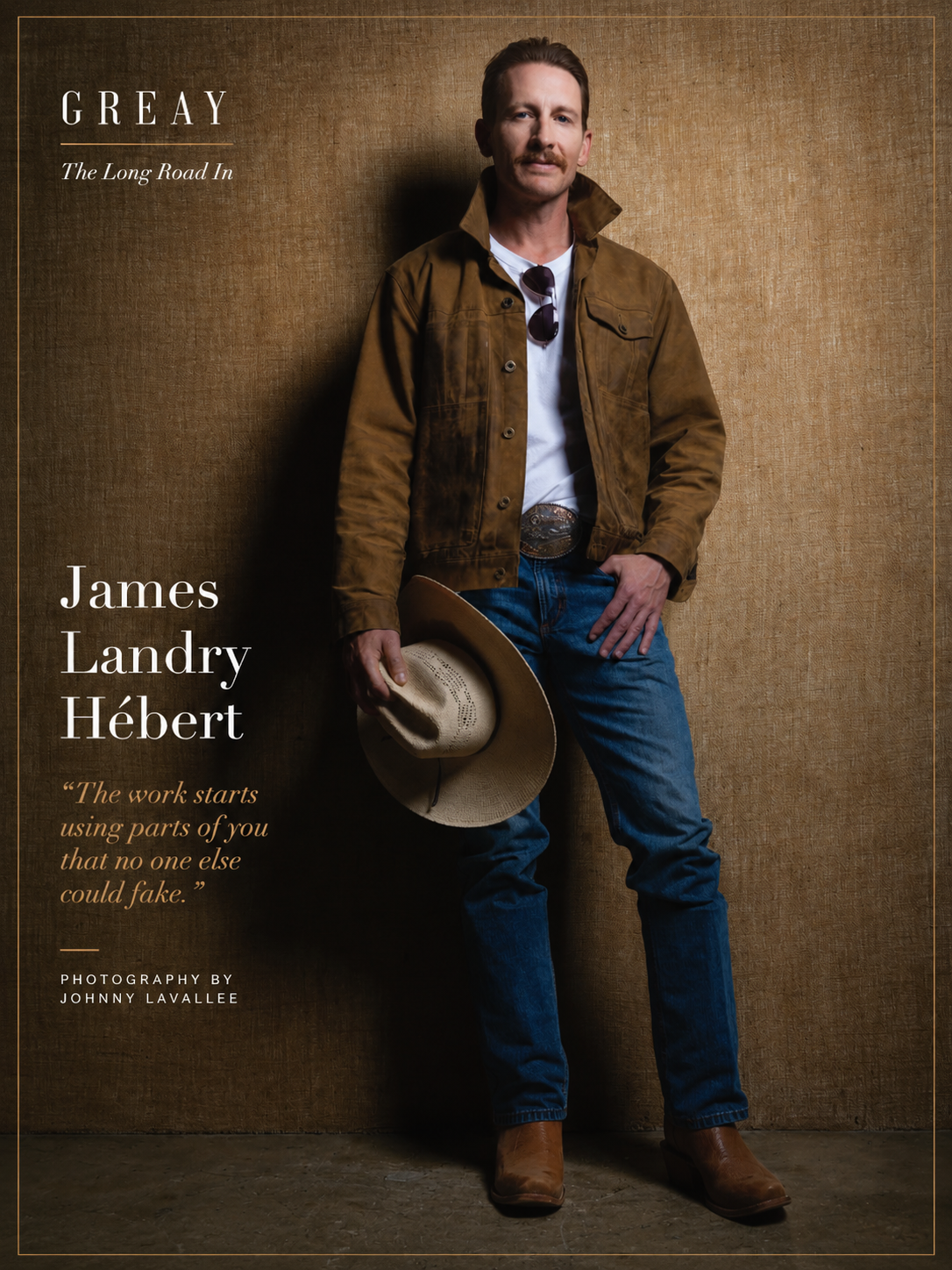
James Landry Hébert Has Learned the Value of Staying strong
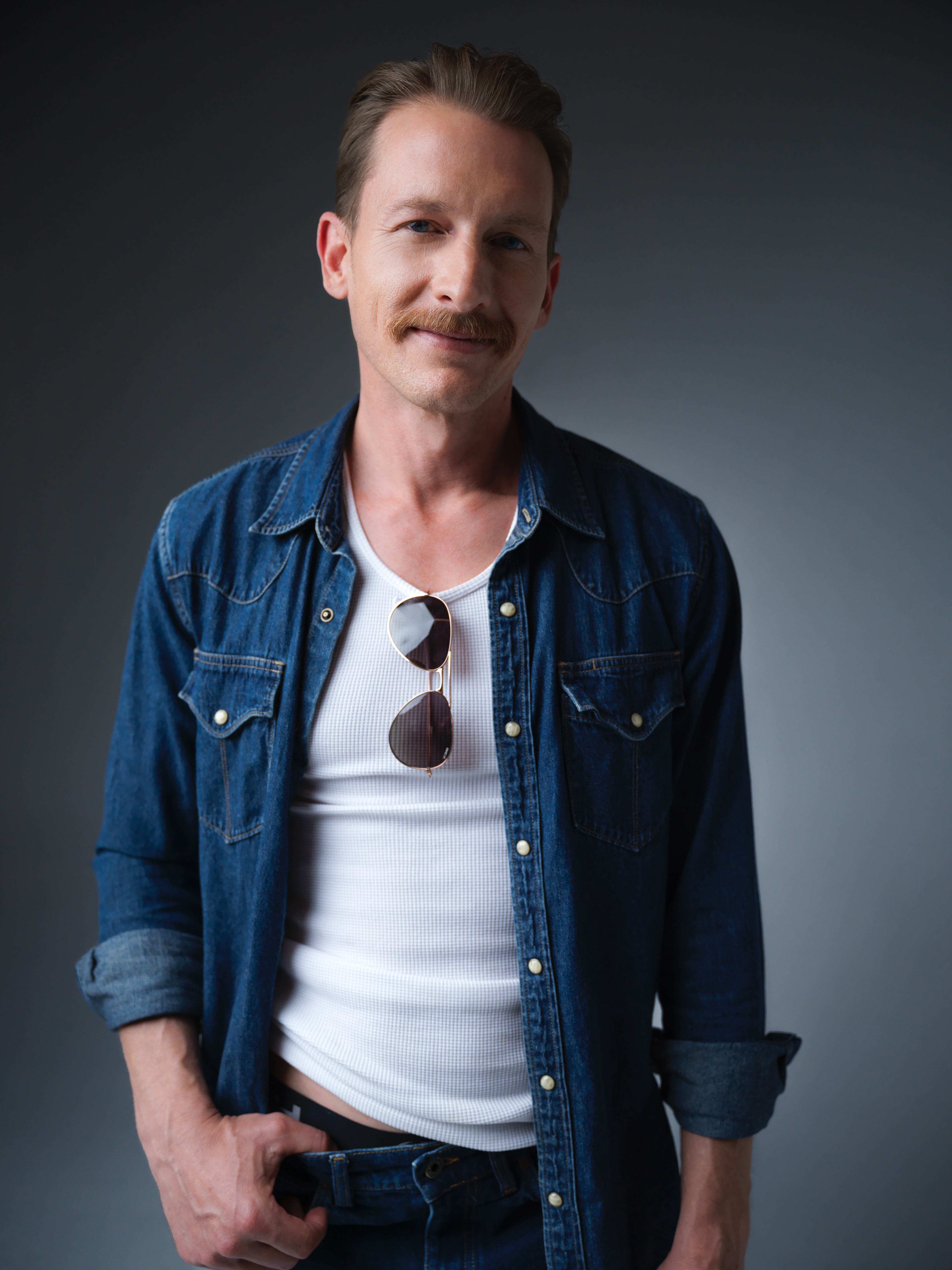
James Landry Hébert does not speak about success the way most actors do. He speaks about endurance. About surviving the slow seasons. About staying in the room long enough for opportunity, preparation, and experience to finally meet. Across Westerns, crime dramas, comedies, and now one of television’s most culturally defining series, Hébert has built a career not through shortcuts, but through persistence. What emerges throughout this conversation is not simply the story of an actor finding bigger roles, but of a man learning that the most valuable thing he could bring to the work was himself.
- What surprised you most about Sam Levinson’s process the first time you walked onto the Euphoria set?
What surprised me most was how fearless and hands-on Sam is. One of my first nights was the Silver Slipper robbery scene, and we were crammed in this back office, ski masks on, sweating, nobody quite knowing where to land. Sam grabbed the prop gun, jumped up on the desk, and acted out the whole scene himself. Not from behind a monitor, not in some distant showrunner way – he got in there with us.
That set the tone for me. He gives you permission to go further, to play, to find something dangerous and real. I remember thinking, “Alright, I’ll follow this guy anywhere.” Starting with the mask also helped me ease into Harley before fully showing his face. It was like Sam let me find the monster one layer at a time.
- How does directing from Sam’s room differ from the way more traditional showrunners operate on other series you’ve done?
Sam’s room feels alive. It’s constantly shifting. He’ll rewrite, redirect, improvise, discover something in the moment, and follow it if it feels true. Some shows are more locked in – you show up, hit the marks, say the lines, and honor the machine. There’s nothing wrong with that. But with Sam, the lines matter less than the life underneath them.
He’s chasing truth more than polish. If something starts to feel predictable, he’ll shake it up right there. That can be scary, but it also keeps you honest. You can’t coast on homework. You have to stay awake.
- When you’re working with an actor like Zendaya, what do you take away from the way she approaches her scenes versus the way others do?
Zendaya is incredibly grounded. That’s the biggest thing. There’s all this noise around her because of who she is, but on set she’s present, generous, and locked in. She doesn’t make it about the machine around her. She makes it about the moment.
What I took away is how much power there is in staying simple and available. She can carry the emotional weight of the show and still crack a joke between takes. That balance keeps the heavy stuff human. Working with her reminded me that the bigger the scene, the less you sometimes need to push.
- Euphoria is known for its long, emotionally dense takes — how do you pace yourself through those without overselling or losing the character?
You have to trust the scene and not try to hit the ending too early. With long takes, especially on Euphoria, the danger is wanting to show the audience everything you’re feeling. But the real stuff usually happens when you’re trying not to show it.
For Harley, I had to stay connected to what he wanted in the moment. He’s not thinking, “I’m a villain.” He’s thinking, “I’m right. I’m protecting my family. I’m trying to matter.” If I stay with that, the emotion takes care of itself. The camera will find it. You don’t have to decorate it.
- You’ve worked with directors like Taylor Sheridan and Kevin Costner in the Western space; how does that kind of structured, world-building storytelling compare to the more improvisational, in-the-moment style of Euphoria?
The Western world tends to be built on structure, consequence, and code. Taylor Sheridan and Kevin Costner understand mythology, land, legacy, survival – the laws of nature. A river doesn’t care if you’re rich or poor. A horse doesn’t care who you think you are. That kind of storytelling has a spine.
Euphoria has a different kind of wilderness. It’s internal. It’s emotional. It’s people chasing a feeling until it destroys them. So even though the styles are different, they actually connect for me. 1883 was about surviving the frontier. Euphoria is about surviving yourself.
- What’s one directing or performance choice from Sam Levinson that you’ve quietly stolen and carried into other projects?
Permission. That’s what I stole from Sam. Permission to go bigger, stranger, uglier, quieter – whatever the scene needs – as long as it’s truthful.
Watching him jump onto that desk and act out the Silver Slipper robbery was a reminder that there’s no shame in committing fully. He doesn’t protect himself from looking crazy in the pursuit of the right thing. That’s something I’ll carry with me. Sometimes you have to risk looking foolish to find something alive.
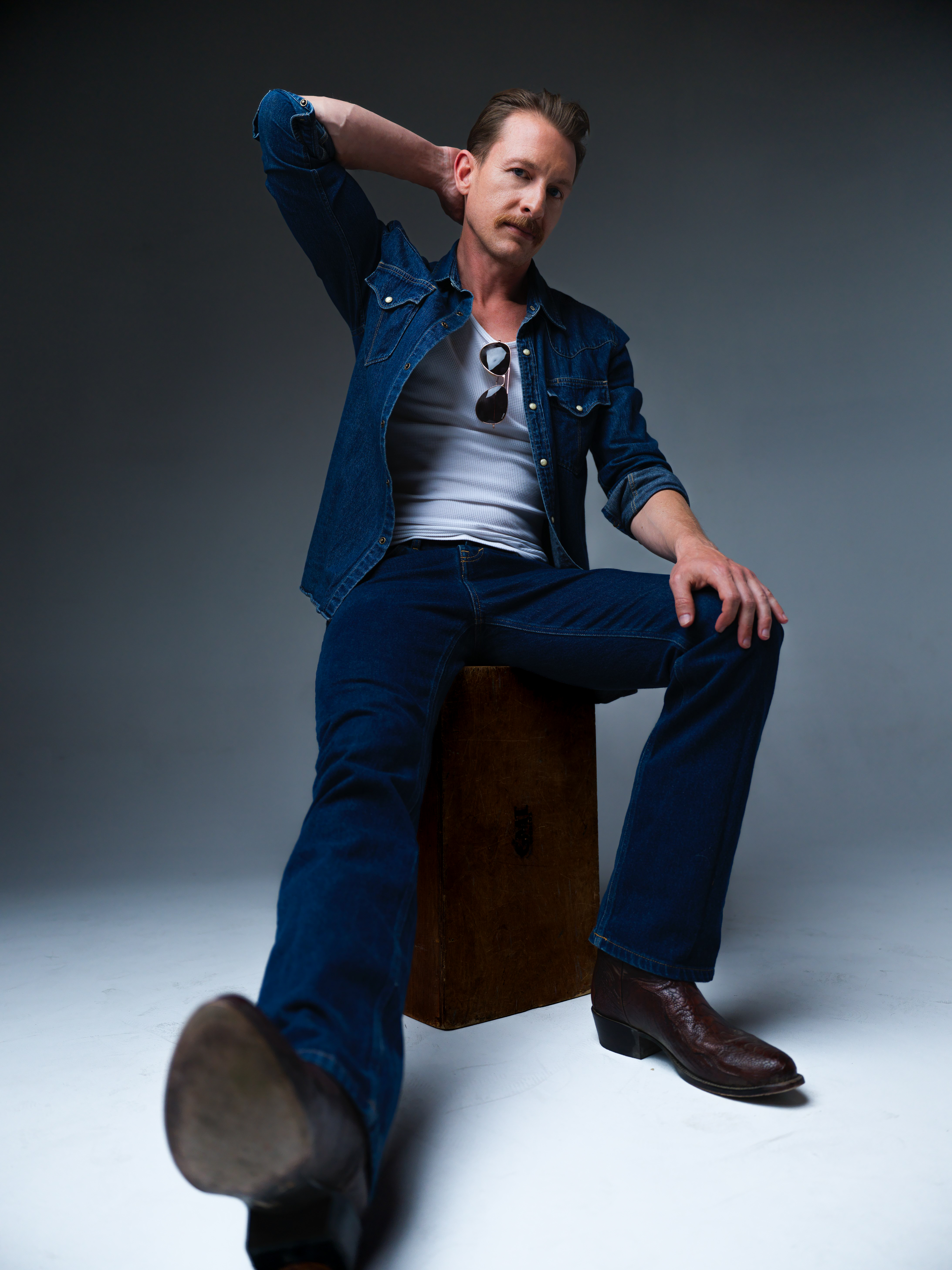
- How does working on a show like Euphoria — which is so visually and thematically driven — change the way you think about your own career long-term?
It raises the bar. Euphoria is one of those shows where every department is telling the story – camera, makeup, hair, wardrobe, music, production design. You feel the world before anyone even speaks. Being inside that makes you think bigger about the kinds of worlds you want to help build.
Long-term, it made me want to chase projects that have a point of view. I love Westerns, crime stories, complicated men, but I’m most interested in work that has a real heartbeat underneath it. Euphoria reminded me that even the ugliest characters can carry something human if the world around them is honest.
- You’ve shared sets with names like Brad Pitt, Quentin Tarantino, Kevin Costner, and now Taylor Sheridan — is there a through-line in the way A-list directors actually work that most people just don’t get?
The great ones make you feel like the world is real. That’s the through-line. Tarantino, Costner, Sheridan, Sam – very different artists, but they all build worlds with conviction. They know the rules of the world, even when the world is chaos.
And they care about specificity. The boots, the gun, the silence before a line, the way someone stands in a doorway – none of that is random. Most people think big-time directors are just thinking about big moments, but the great ones are obsessed with details. That’s what makes the big moments land.
- What’s one thing you’ve learned about staying in the room with big-time talent without getting star-struck or disappearing into the background?
Do your work and stay useful. That’s it. You can respect people without shrinking around them. I’ve been lucky to work with some legends, and the best thing you can do is show up prepared, listen, and not make the room about your nerves.
At the end of the day, everybody’s there to solve the same problem: make the scene work. If you come in chasing attention, people feel it. If you come in ready to serve the story, you belong in the room.
- Looking at your career arc — from indie Westerns to Euphoria and then back into bigger-budget, high-profile work — what’s the most under-discussed skill you’ve had to develop?
Endurance. People talk about talent, but they don’t talk enough about staying power. This business will humble you over and over. You have to survive the slow seasons, the almosts, the roles that don’t become what you hoped, the years where you’re working hard but still trying to break through.
I’ve also had to learn how to bring myself into the work without forcing it. Horses, roping, ranch life, growing up in Louisiana, being around Native communities, feeling like an outsider – all of that informs me. The trick is knowing when to use it and when to get out of the way.
- What kind of project — genre, format, or creative team — are you most eager to chase next, and what would make it feel like the right next chapter for you?
I’m drawn to complicated worlds – Westerns, crime, frontier stories, morally messy families. I like imperfect men: men who are wrong, but don’t know they’re wrong; men trying to protect something while destroying it at the same time.
That said, I don’t want to be boxed into only playing dangerous men, even though I’m grateful people trust me with complicated characters. I loved doing comedy on The Righteous Gemstones, and even some of the darker characters I’ve played can end up being funny because they’re so deadly serious about their own stakes.
I’m also stepping into Ang Lee’s Gold Mountain, which is surreal to even say. It’s a huge world to be invited into, and I’m excited to show up, do the work, and keep building from here.
- What gives you that feeling — when a role or creative partnership clicks and makes you know you’re exactly where you’re supposed to be?
It’s when the work starts using parts of you that you didn’t even know were useful. With Harley, Sam found out I could ride and rope, and suddenly that became part of the character. I live close enough to set that I rode my horse there one day, and Sam asked if I could chase Zendaya down on horseback if she ran. I said, “Yeah, and I could rope her too.” A month later, that scene was in the script.
That’s the dream – when your real life, your craft, and the story all start talking to each other. Euphoria gave me one of the wildest roles of my career and a creative family I’ll always be grateful for. That’s when you know you’re exactly where you’re supposed to be: when the work starts using parts of you that no one else could fake.
For Hébert, the journey has never been about arriving. It has been about remaining open long enough for the work to reveal something unexpected. Whether riding across the frontier of a Western, stepping into the emotional chaos of Euphoria, or preparing for the next chapter of an already remarkable career, he continues to return to the same principle: show up, stay present, and trust what only you can bring to the story. In an industry obsessed with breakthroughs, James Landry Hébert offers a different lesson entirely. Sometimes the most important skill isn’t getting in the room. It’s having the courage to stay there.
Photography Johnny Lavellee @lavellee.l.a
Grooming Vivian Maxwell @vivianmaxwellbeauty
Wardrobe Ananda Rose @anandarose
Story Kyra Greene @noteatbingreen
Pr TFG @tfg.pr
Related Posts

Targus Unveils Eco-Friendly 15-16″ Zero Waste Ecosmart Backpack Made from GRS-Certified Recycled Materials
Introducing the Targus 15-16" Zero Waste EcoSmart® Backpack

Jeffrey Wright will officially reprise his role as Isaac for The Last of Us season 2
Jeffrey Wright will play Isaac Dixon in The Last of US 2
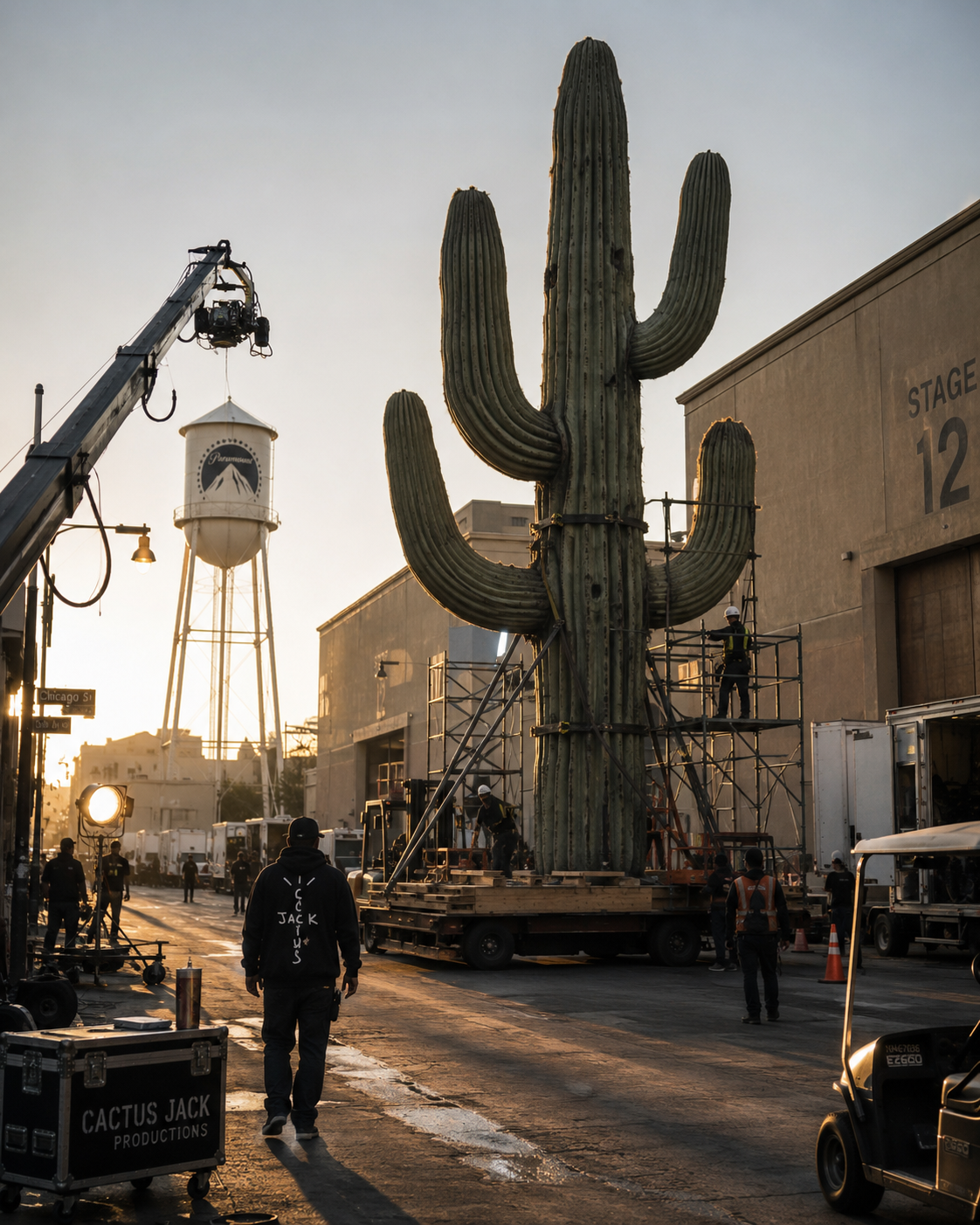
Travis Scott’s Paramount Deal Shows Hollywood Is Expanding Where Intellectual Property Begins
The business of building creative worlds
When the Product Disappears, the Environment Becomes the Display
Audible Story House and the Rise of Invisible Retail
PEPSI® Names Football Sensation Jack Grealish as Global Brand Ambassador in Multi-Year Collaboration
PEPSI® Names Jack Grealish as Global Brand Ambassador
Marco Grazzini: The Discipline of Restraint
Behavior, Not Speeches