
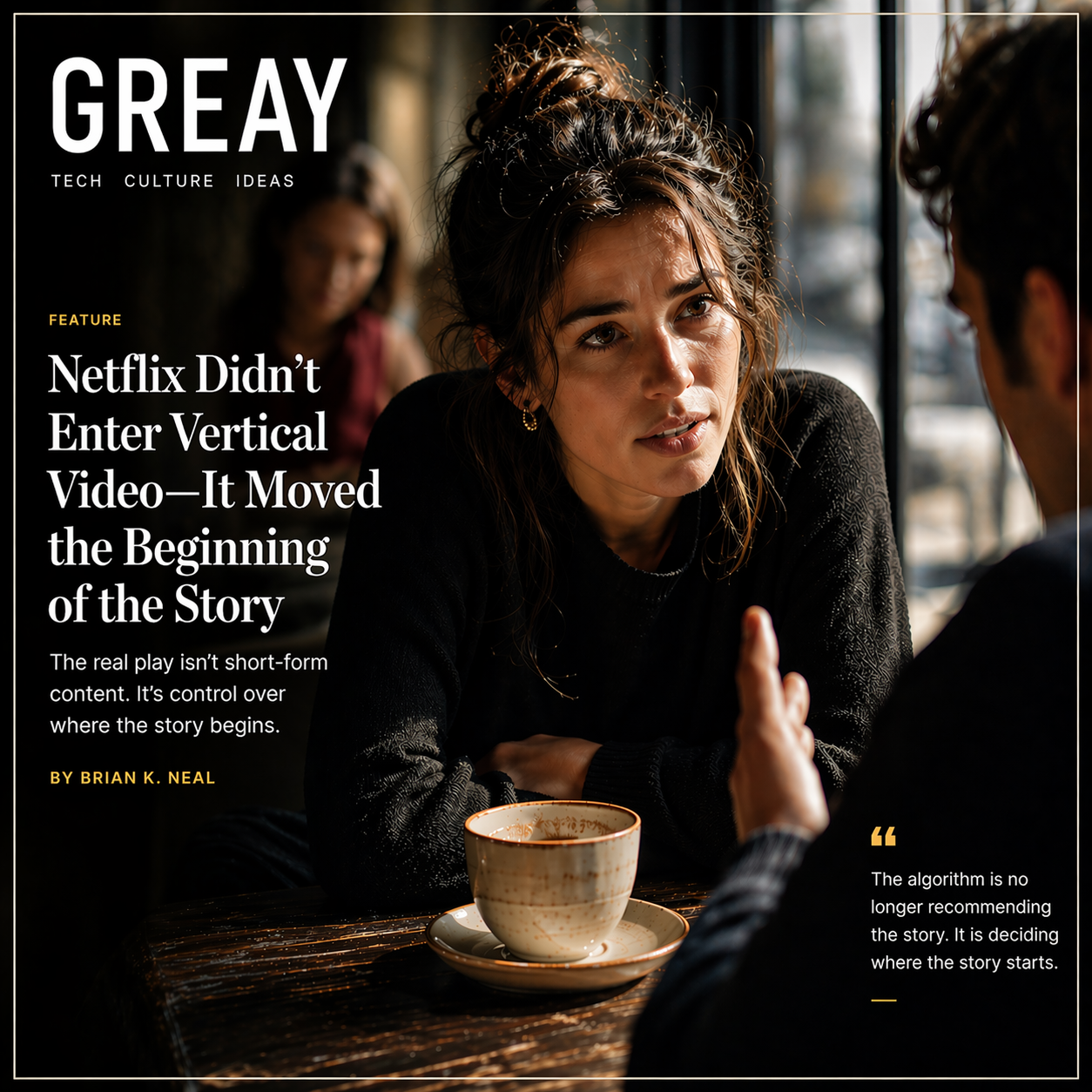
Netflix Didn’t Enter Vertical Video—It Moved the Beginning of the Story
By Brian k. Neal
There was a time when entertainment began with intention.
You sat down. You chose. You committed.
That act—the decision—was the foundation of Netflix’s empire. A system built on the assumption that the viewer arrives ready to choose.
That assumption is now broken.
Because TikTok removed the need to choose at all.
The vertical feed inside Netflix is not a feature.
It is the removal of the slowest part of its own system:
The moment before you decide.
For two decades, Netflix refined the interface of choice—rows, thumbnails, categories, personalization. It optimized a single question:
What do you want to watch?
Now that question is friction.
TikTok replaced it with something faster:
You don’t choose. You react.
Open the app and something is already happening. No browsing. No hesitation. The algorithm has already decided where you enter.
Netflix does not need to out-TikTok TikTok.
It needs to redirect the behavior.
So the feed is not about short-form as a destination.
It is short-form as ignition.
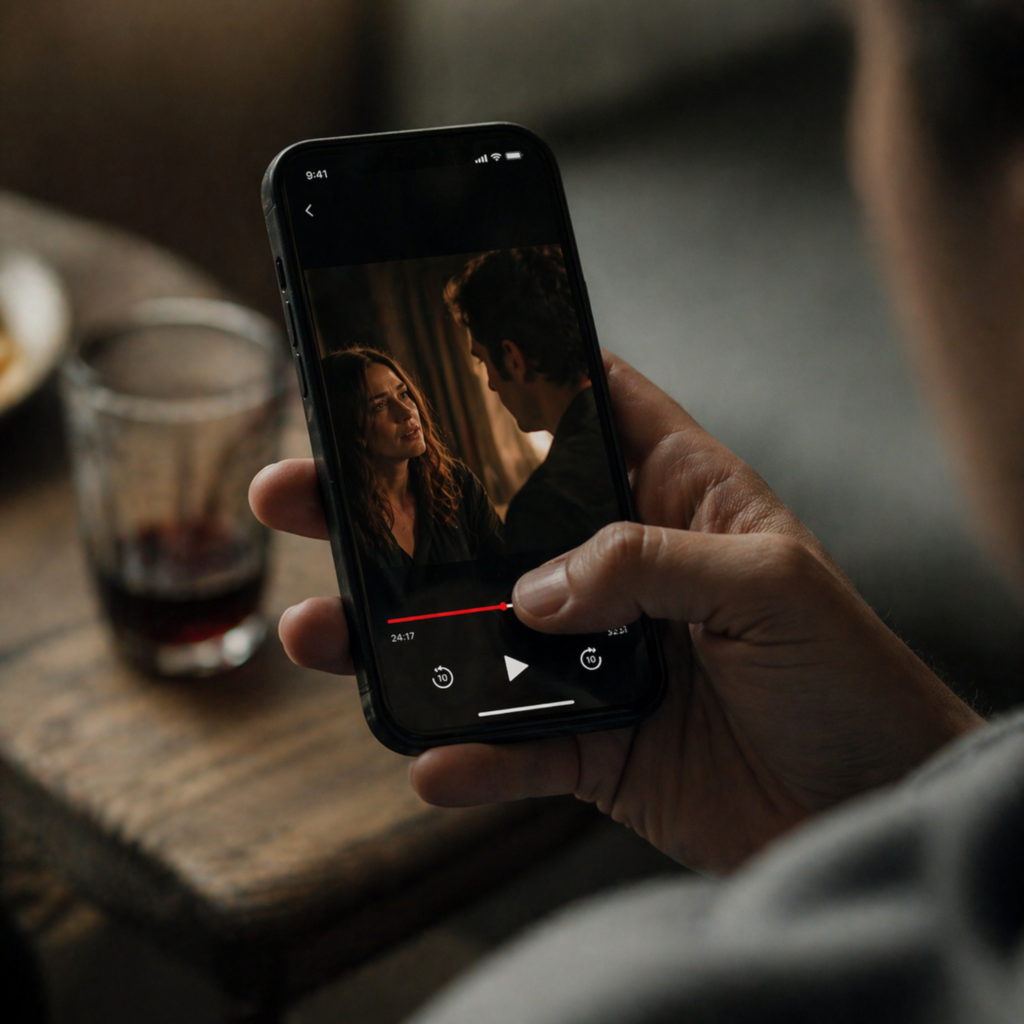
You open Netflix and you are dropped into motion. A scene mid-sentence. A look that carries tension without context. A line that lands before you know who said it.
Moments engineered to hook.
When the hook lands, Netflix does what TikTok cannot:
It converts the moment into commitment.
A scroll becomes a tap.
A tap becomes an episode.
An episode becomes a habit.
This is the play.
Short-form does not replace long-form.
It delivers it.
Where TikTok monetizes attention in fragments, Netflix captures attention in fragments and expands it into hours.
We have seen this pattern before—each shift removes a layer between the viewer and the story.
Radio required imagination. Television removed it.
Television required schedule. Streaming removed it.
Now streaming requires a decision.
Netflix is removing that.
The algorithm is no longer recommending the story.
It is deciding where the story starts.
That changes structure.
Storytelling has always been linear—beginning, middle, end.
The feed introduces something else:
Entry without beginning.
You don’t start at episode one. You start at the most efficient moment—the scene most likely to hold you.
Narrative becomes modular. Discoverable out of sequence. Reassembled through engagement.
The story still exists.
But you no longer control where it begins.
This is the tension.
Prestige storytelling relies on patience. On buildup. On restraint.
The feed rewards immediacy.
Netflix is now balancing two opposing systems:
The integrity of the story
and the velocity of the scroll
The industry will misread this.
It will call it vertical video. It will call it trend response.
It is neither.
It is control over initiation.
What comes next is already implied.
Not just clips—but scenes designed to function in two states:
A moment that stands alone in a feed
and a scene that sustains a larger narrative
Stories written with multiple entry points.
Characters built to be encountered mid-arc.
Scenes engineered to convert curiosity into commitment.
This is not the collapse of storytelling.
It is its reorganization under algorithmic pressure.
Photography By DaMarko GianCarlo @damarkogiancarlo
Story By Brian k. Neal @iambriancody
Related Posts

ASUS Unveils ZenScreen Duo OLED MQ149CD: A Portable Dual-Screen OLED Powerhouse
Asus Workspace has Stunning Visuals and Unmatched Flexibility.

Samsung Unveils Enhanced Medications Tracking Feature in Samsung Health App
Samsung Electronics has unveiled a new feature

Fold, Flex, and Future-Ready: Sony’s WH-1000XM6 Sets the ANC Bar Higher
Noise-Canceling Royalty
Serato Reimagines Beat Creation With Its First Hardware Device
From the DJ Booth to the Studio

Govee Introduces New Dune-Inspired TV Backlight Packaging in Collaboration with Warner Bros. Pictures and Legendary Pictures, Marking the Arrival of Dune: Part Two
Govee Introduces New Dune-Inspired TV Backlight
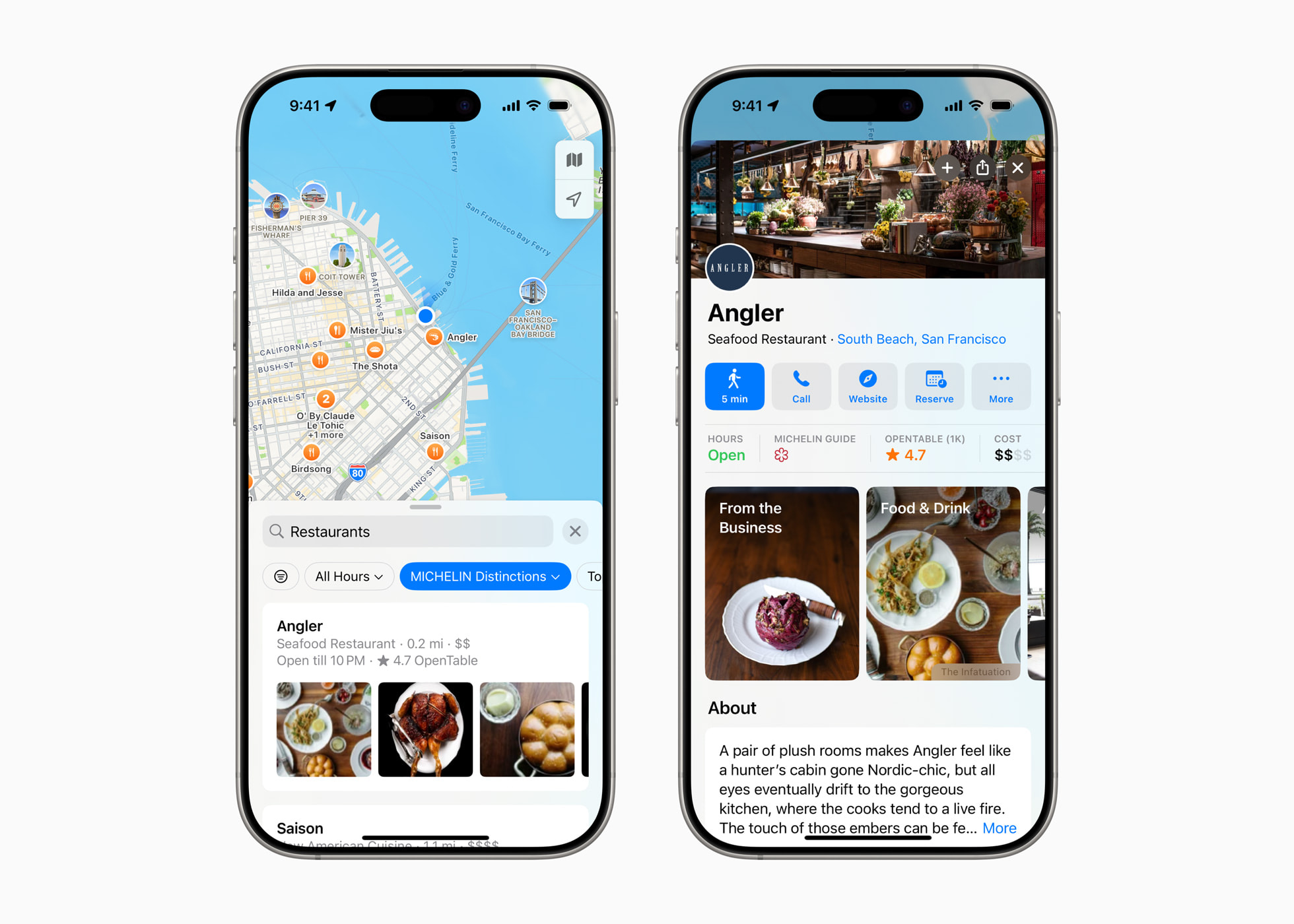
Plan Like a Pro: Apple Maps Adds MICHELIN Stars, Hotel Bookings, and Golf Digest Rankings
Apple Maps Just Got Smarter