

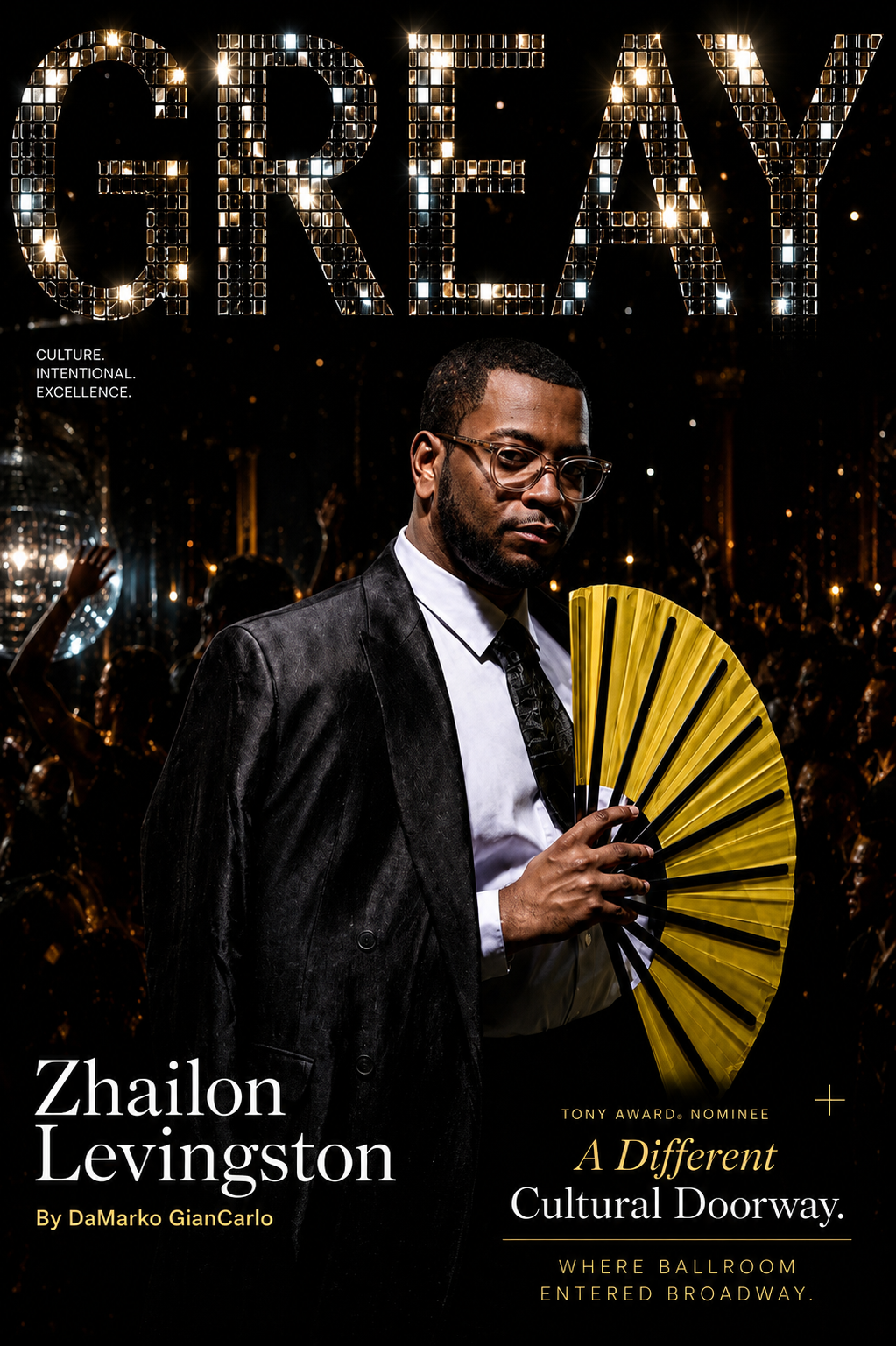
Zhailon Levingston Didn’t Just Direct a Show — He Shifted the Room
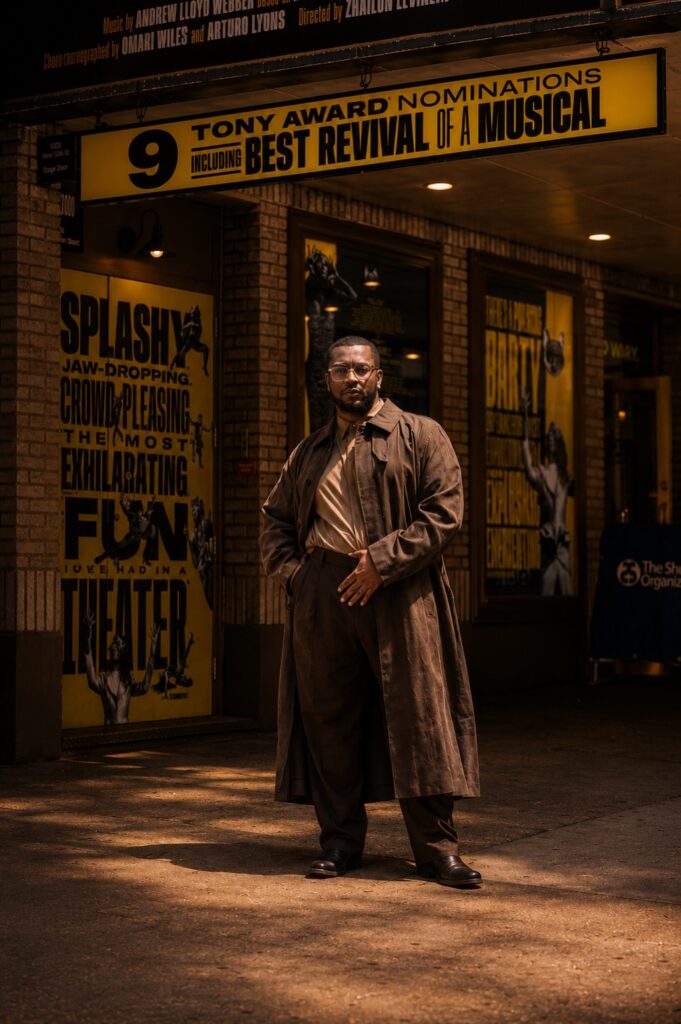
Broadway has always understood spectacle. It understands overtures, standing ovations, chandeliers, velvet curtains, institutional prestige. But what Broadway has historically struggled to understand is emotional access — the feeling of walking into a room and recognizing yourself inside it before a single word is spoken.
That is part of what made Cats: The Jellicle Ball feel larger than theater.
Under the direction of Zhailon Levingston & Bill Rauch, the production became something more complicated and far more meaningful than a successful Broadway reinvention. It became a cultural migration. Ballroom language, rhythm, affirmation, survival, care, and communal energy were not borrowed from a safe distance or translated into something more institutionally comfortable. They were centered. And audiences could feel the difference immediately.
What makes Levingston’s rise feel significant is not simply that he co-directed one of the most culturally resonant productions of the season. It is that his work feels rooted in people before prestige. Even in the middle of a Tony-nominated moment, he speaks less like someone focused on personal arrival and more like someone carrying many rooms with him simultaneously.
“I didn’t arrive here alone,” he says. “The nomination feels personal, but it also feels collective.”
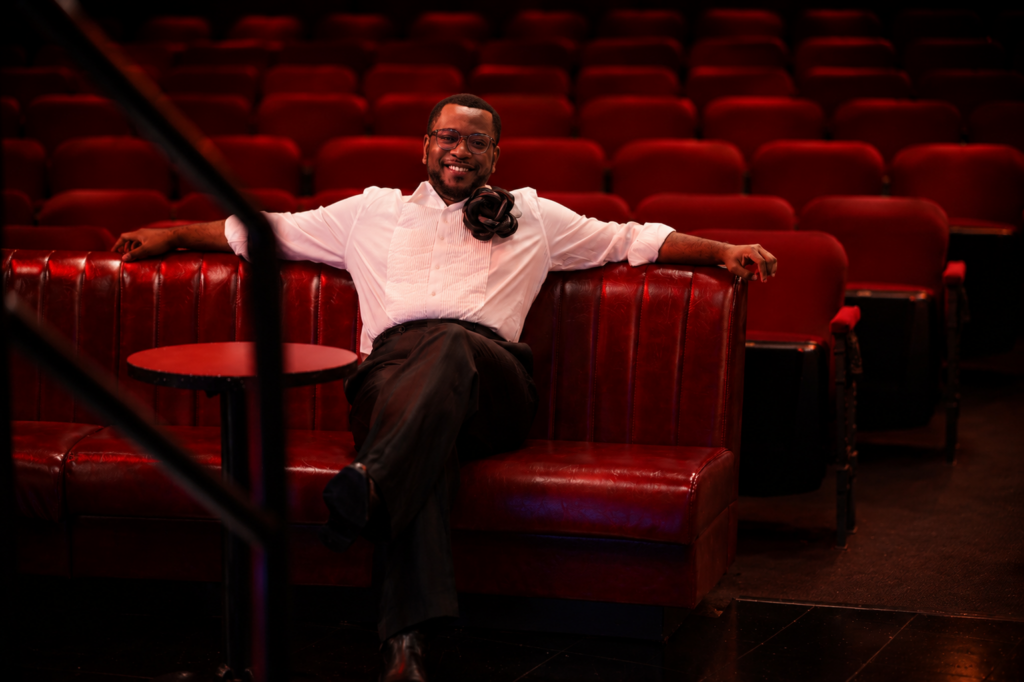
That perspective feels embedded in the emotional architecture of his work itself. Long before Broadway recognition entered the picture, storytelling attracted him because of the feeling it created between people. The experience of strangers gathering together and emotionally synchronizing inside the same room fascinated him. Directing eventually became his way of shaping that atmosphere — not simply movement or staging, but tension, rhythm, release, and recognition.
You can trace that understanding back to the environments that shaped him early on: Louisiana, Black church, music, family gatherings, spaces where performance existed naturally inside everyday life.
“Watching people perform without calling it performance,” he says, “taught me a lot about rhythm, presence, and drama.”
That sentence feels like a key to understanding The Jellicle Ball. Nothing about the production feels observational. It feels inhabited. The movement, fan clacks, energy, competition, stillness, and affirmation all move with the emotional logic of lived culture rather than institutional interpretation.
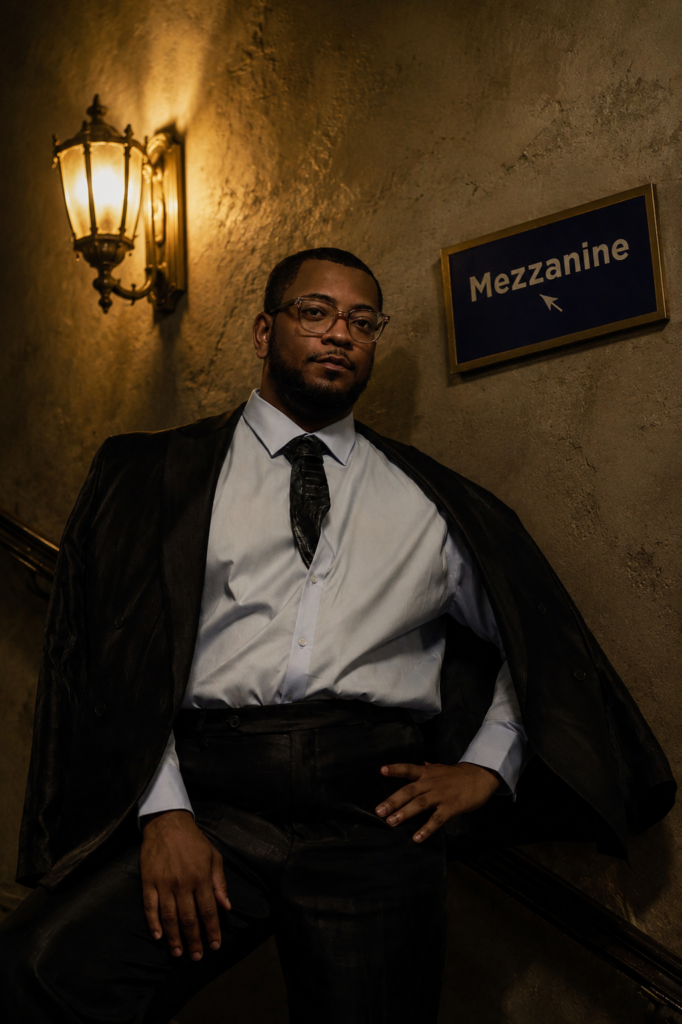
That distinction may explain why the production resonated far beyond traditional theater audiences. The Jellicle Ball did not ask audiences to academically appreciate ballroom culture. It invited people into its emotional ecosystem. And once people entered that room, they recognized themselves inside it.
Levingston realized the production had shifted into something larger when people who normally did not speak about Broadway began speaking about the show as if it belonged to them.
“That’s when I knew it had expanded beyond the building,” he says.
That expansion matters because Broadway has often functioned as a closed emotional architecture. Historically, audiences have been invited to admire it, study it, aspire toward it — but not always fully inhabit it. The Jellicle Ball opened a different cultural doorway into the institution. Suddenly, ballroom culture was not existing at the margins of theater conversation. It was sitting at the center of the room without explanation or apology.
There is also something deeply meaningful about the timing of that shift. Ballroom has long existed as a space of invention, survival, affirmation, and authorship for Black and queer communities. To see those histories centered on a Broadway stage at this scale carries enormous emotional weight, but Levingston approaches that responsibility with remarkable restraint. The production never flattens ballroom into aesthetic spectacle. It preserves its humanity. Its joy. Its tension. Its emotional velocity.
That emotional intelligence extends beyond theater itself. The artists who inspire him — Amy Sherald, Barry Jenkins, Beyoncé, James Baldwin — all understand how atmosphere can communicate emotional truth before dialogue ever arrives. You can feel those influences throughout Levingston’s creative language. The environments breathe. Silence carries meaning. Movement carries meaning. Joy carries meaning.

Even his understanding of leadership feels rooted in emotional care rather than authority. Moving between assistant roles, directing roles, and advocacy spaces sharpened his belief that leadership is less about controlling every answer and more about creating rooms where people feel safe enough to offer strong ideas honestly. Again and again, his worldview returns to the room itself — who feels invited into it, who feels protected there, and who finally feels visible once they enter.
And maybe that is why The Jellicle Ball resonated with such unusual force. The production did not simply entertain audiences. It made people feel considered. It made people feel emotionally welcomed into a Broadway space that historically has not always extended that invitation equally.
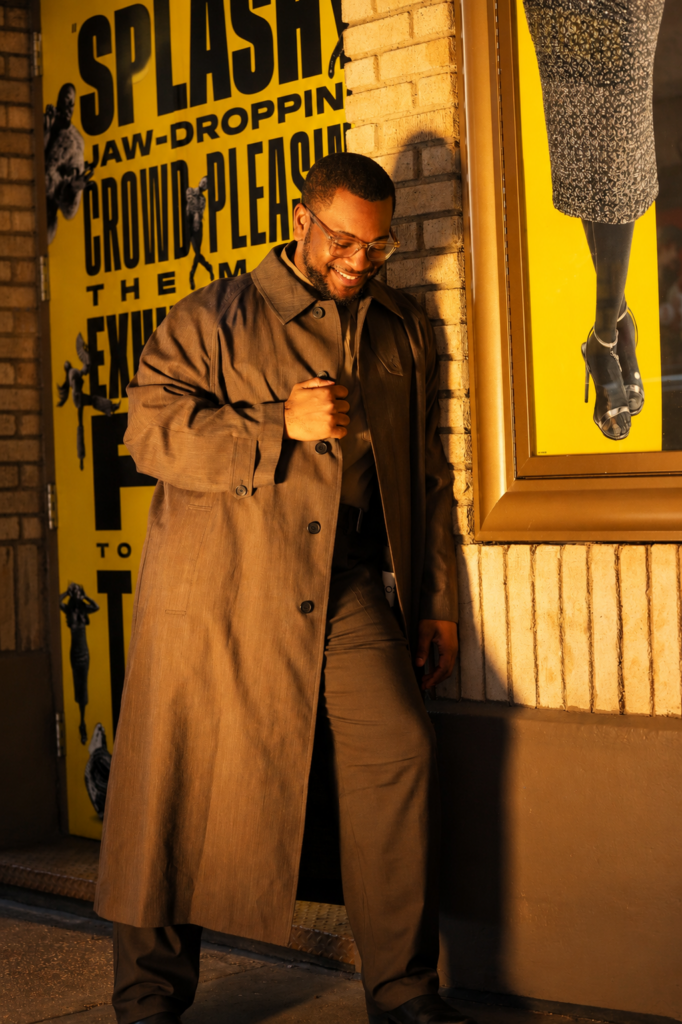
Years from now, the Tony nomination will remain part of Zhailon Levingston’s story. But it may not be the most important part. The deeper legacy may be that his work helped Broadway feel emotionally larger than it was before. Not through spectacle alone, but through recognition, cultural honesty, and care.
Photography By DaMarko GianCarlo @damarkogiancarlo
Words By Kyra Greene @noteasybingreen
Wardrobe By Aric L Johnson @aricljonson
Additional Wardrobe Arnold Harper II @arnoldharperii
Produced By The GREAY Firm @greayfirm & Firstsight.intl
Shot on Location The Broadhurst Theatre NYC
Related Posts
All American, All Heart: Michael Evans Behling’s Rise
Beyond the Game, Beyond the Screen
David Del Rio from Broadway to Courtroom
David Del Rio a man with many talents.
The Industry Wants Symbols : Ludi Lin Keeps Choosing Humanity
Before the Fireball, There’s the Heart
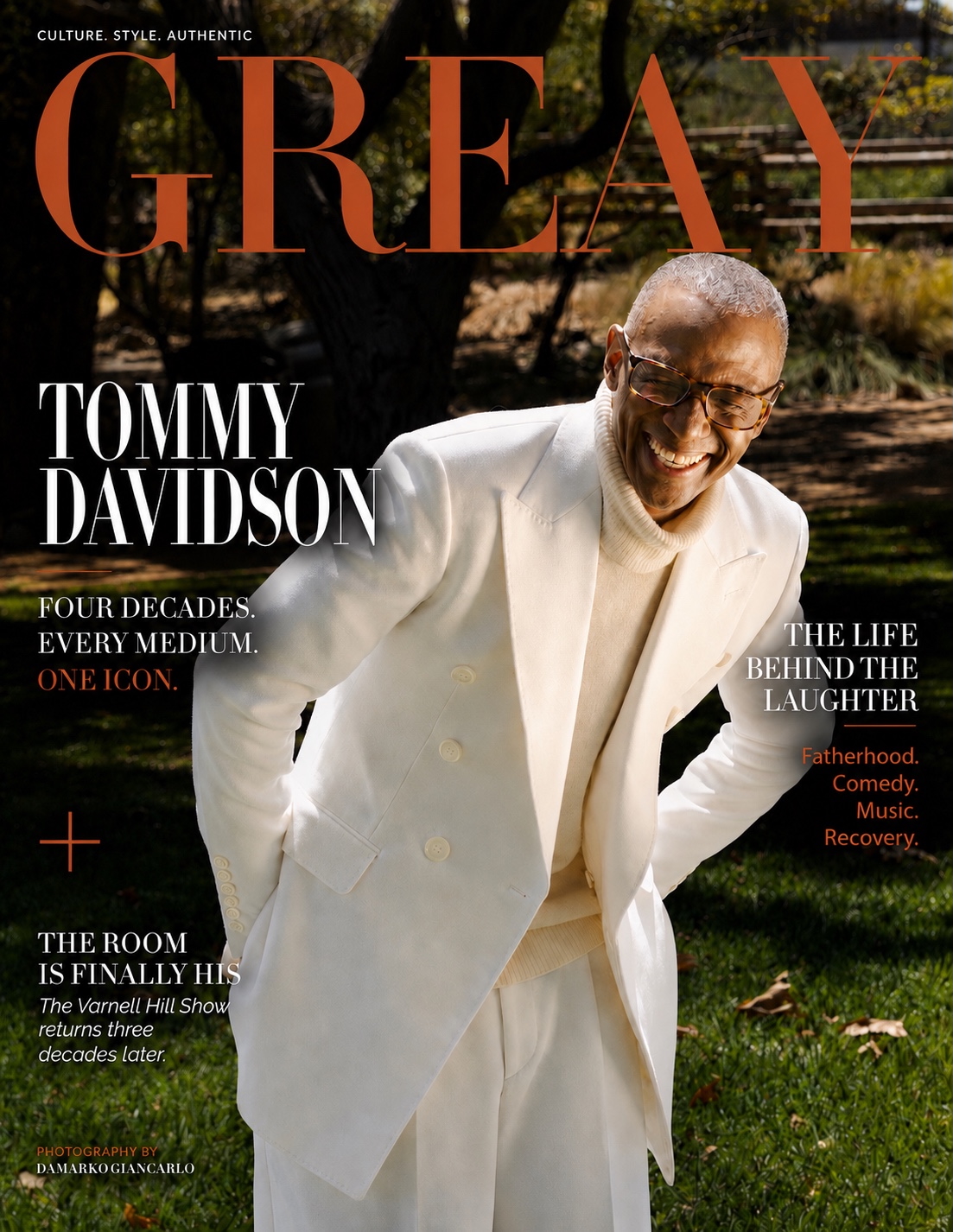
Tommy Davidson Is Bringing a Lifetime to Center Stage
Purpose came early. The rest became a life.

Jim Rash Knows the Truth Doesn’t Have to Be Literal
Comedy, Grief and the Freedom to Put Yourself Into the Work
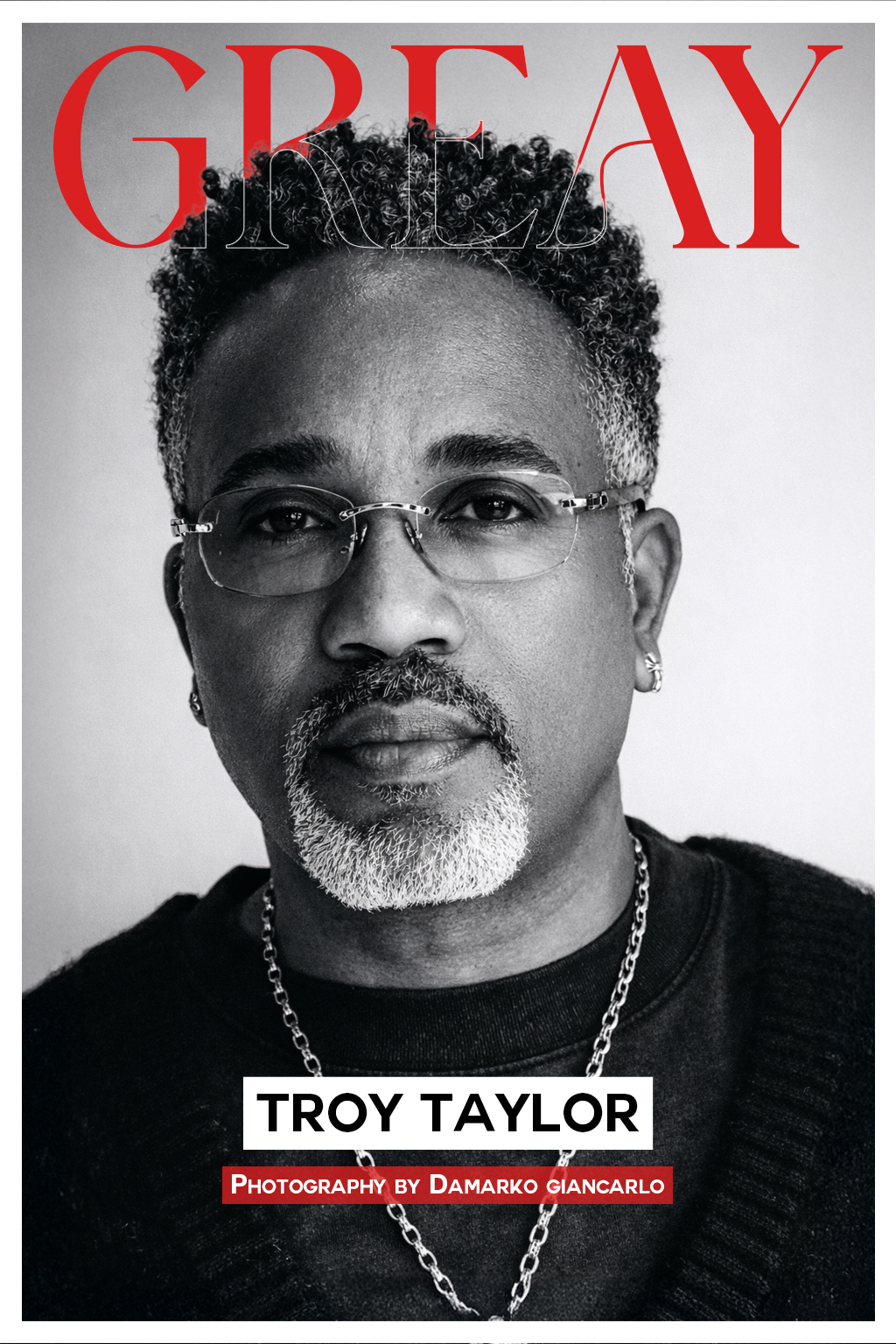
Troy Taylor A Standard , Not a Moment
By Kyra Greene Troy Taylor has been a constant force in modern R&B