

YouTube’s Channel Search Experiment Shows How Creator Data Is Becoming a Bigger Part of Brand Partnerships

By Kyron Adams
YouTube has been expanding the tools that connect creators with advertisers, giving brands more ways to discover talent and evaluate the audiences behind their content. Now, a newly confirmed experiment shows how the company is exploring bringing that information directly into YouTube Studio, making creator discovery part of the same environment where channels manage their businesses.
The experiment, known as Channel Search, placed a creator-discovery interface inside YouTube Studio for a small number of brand accounts. YouTube confirmed the test in an October 8 statement to Tubefilter, clarifying that it was designed specifically for brands rather than creators researching their competitors. The information available through the experiment was already accessible through YouTube’s existing Creator Partner Hub, and the creators whose analytics were included had agreed to share their data.
The distinction is important. Channel Search was not an attempt to make private creator analytics available to everyone on YouTube. It was a limited test of how existing creator information could be presented to advertisers within a different part of the company’s products.
The experiment initially attracted attention after creator analytics company vidIQ identified a discovery interface displaying information about other channels. The visible metrics included unique viewers, watch time, audience demographics, and geographic reach. Those details offered a glimpse into how brands might evaluate creators using information that goes beyond publicly visible subscriber counts and video views.
YouTube subsequently clarified that the experiment was restricted to brand accounts. One non-brand account received access unintentionally, and the company reversed that access after identifying the mistake. YouTube has not announced a permanent release or broader availability for Channel Search.
Although the experiment was limited, the business activity surrounding it is already established.
YouTube has spent years developing systems that help advertisers identify creators whose audiences align with their marketing objectives. In March 2026, the company brought its BrandConnect and Creator Partnerships Hub offerings together under YouTube Creator Partnerships, creating a more unified approach to creator discovery, brand outreach, and commercial relationships.
The company also continued expanding access to these tools internationally, reflecting the growing importance of creator partnerships to its advertising business. What began as a platform where individuals could publish videos has developed into a marketplace where creators, brands, agencies, and advertisers establish commercial relationships around audiences.
For creators, those relationships can represent a significant part of their business. Advertising revenue generated through YouTube is one source of income, but sponsorships, affiliate marketing, product collaborations, and other partnerships can create additional opportunities. As creators build more substantial operations, their ability to communicate the value of their audiences becomes increasingly important.
That value cannot always be measured through subscriber counts alone.
A creator with a smaller following may reach an audience that is particularly engaged or concentrated in a geographic market a brand wants to reach. Another may attract viewers whose interests closely align with a specific product category. Those characteristics can make a channel commercially relevant even when its public numbers are less impressive than those of a larger competitor.
Audience information helps advertisers make those distinctions.
Through its existing channel insights sharing system, YouTube allows eligible creators to make aggregated performance information available to advertisers, brands, and approved third-party platforms. The information can include watch time, unique viewers, engagement, audience demographics, and, where applicable, shopping performance.
The sharing setting is disabled by default, and eligible creators can choose whether to enable it. YouTube also maintains separate arrangements for creators who have previously agreed to share information through its partnership programs. Those permissions are important because the information used to evaluate a creator’s commercial potential can include details that are not ordinarily visible to the public.
Channel Search operated within that established approach to data sharing. Rather than introducing a new category of publicly accessible information, the experiment explored another way for selected brands to reach creator intelligence already available through approved channels.
That changes how the development should be understood.
The central question is not whether creators will suddenly be able to examine the private analytics of their competitors. YouTube has explicitly said the experiment was not intended for that purpose. Instead, the test illustrates how the company is working to make creator discovery more accessible within the tools brands already use.
There is a practical reason for that effort.
Identifying the right creator for a campaign can require brands to examine multiple channels, compare audience characteristics, review content, establish contact, and evaluate whether a partnership makes commercial sense. Those activities have traditionally involved a combination of talent agencies, management companies, outside research platforms, and direct communication.
YouTube has increasingly brought parts of that process into its own products.
Its Creator Partnerships system allows eligible creators to receive brand inquiries, present information about their audiences, and manage aspects of potential commercial relationships. Advertisers can use discovery tools to identify channels relevant to their campaigns, while creators can provide additional information that helps brands understand the audiences they have built.
In its March announcement, YouTube reported that creators who shared channel insights and appeared in search results experienced, on average, twice the click or interaction rate on their profiles within Google’s creator search tools compared with creators who had not shared those insights. The figure describes activity within Google’s discovery products rather than a guaranteed increase in sponsorships or earnings.
YouTube Community
Still, it demonstrates why YouTube is encouraging creators to make more information available to potential commercial partners.
For an independent creator, discovery can be one of the most difficult parts of building a sustainable business. Producing strong content and developing an engaged audience do not automatically guarantee that advertisers will recognize the value of that work. A creator may have established a meaningful relationship with viewers while remaining largely unknown to brands outside a particular category or community.
More detailed discovery tools can help bridge that gap by allowing advertisers to evaluate creators through audience characteristics rather than visibility alone.
For brands, the benefit is a more informed selection process. A campaign designed to reach viewers in a particular country, age group, or interest category may benefit from information that identifies channels with those audiences. Subscriber totals remain useful, but they are only one part of understanding whether a creator is appropriate for a partnership.
The development also reflects a change in how creator businesses are being evaluated.
As the creator economy has matured, individual channels have become increasingly sophisticated media operations. Many creators manage production teams, negotiate contracts, develop merchandise, establish licensing relationships, and work with advertisers across multiple campaigns. Their audiences are not simply numbers attached to videos. They are part of the commercial foundation supporting those businesses.
The information surrounding those audiences therefore carries value for both creators and the companies seeking to work with them.
That makes consent an essential part of the relationship.
YouTube’s official channel insights sharing documentation explains that eligible creators can enable or disable the sharing setting within YouTube Studio. The company also identifies which categories of information may be shared and distinguishes general channel discovery from more detailed performance information. Previously authorized partnership agreements may continue to govern certain data-sharing arrangements independently of the setting.
These distinctions establish boundaries around how creator information can be used. They also give creators a clearer understanding of the relationship between making their channels discoverable and making additional audience insights available to potential partners.
The Channel Search experiment did not eliminate those boundaries. According to YouTube’s clarification, the participating creators had already opted into sharing their analytics, and the information shown to selected brand accounts was available through existing discovery products.
The test was therefore more about access and presentation than a change in ownership or permission.
That may appear to be a relatively small product decision, but it reflects a larger direction in YouTube’s business development. The company is bringing more of the work surrounding creator partnerships into connected products, reducing the separation between discovering talent, understanding audiences, and evaluating commercial opportunities.
Its recent Made on YouTube announcements have also emphasized tools intended to help creators research content, understand performance, and develop their businesses. Channel Search was not announced as a general creator-facing product, but the experiment belongs to a broader period of development in which YouTube is expanding the functions available through Studio and its advertising ecosystem.
There are limits to what the experiment establishes. YouTube has not announced that Channel Search will become permanent, identified a schedule for wider availability, or confirmed that the interface will return in its tested form. The company has also made clear that the feature was not intended to give creators access to their competitors’ analytics.
Those facts narrow the immediate significance of the test without eliminating its relevance.
For YouTube, creator discovery is becoming an increasingly integrated part of the advertising business. For brands, access to more useful audience information can help inform decisions about partnerships. For creators, the ability to share information about their audiences can create opportunities to be evaluated on more than their public popularity.
The experiment also illustrates how the relationship between creators and platforms continues to evolve. YouTube is not only distributing the videos creators produce. It is developing more of the tools through which their businesses are discovered, evaluated, and connected to commercial opportunities.
Channel Search remains a limited experiment, with no confirmed permanent rollout. But its purpose is now clear. YouTube tested bringing existing, permission-based creator intelligence directly into the working environment of selected brands. The larger development is not a new way for creators to study their competition, but another exa
Related Posts
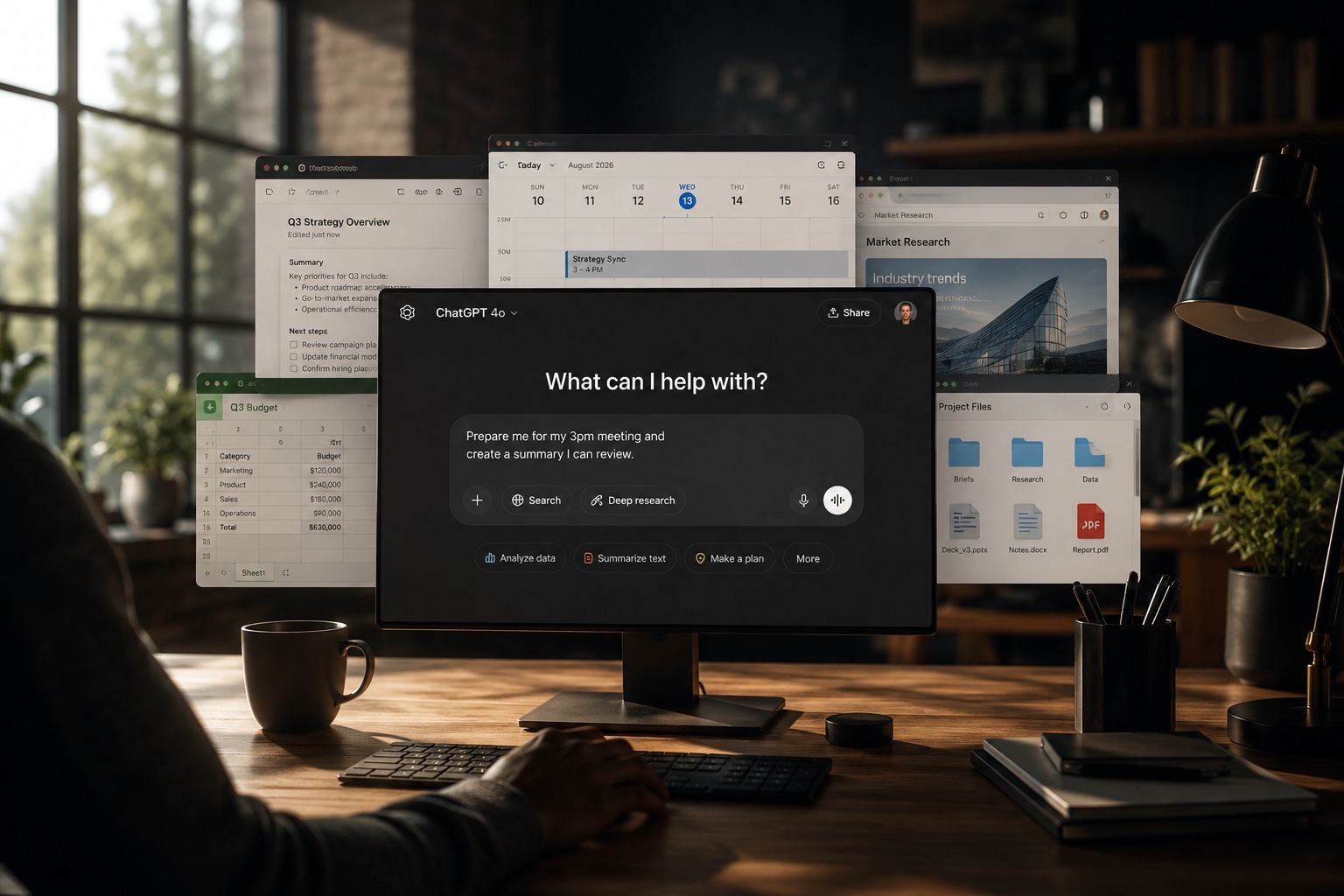
OpenAI Wants ChatGPT to Become the Interface for Everything You Do on a Computer
Your Apps Are Becoming the Back End

Introducing the New Motorola razr Family: Industry’s Largest, Smartest External Display, Iconic Design Revamp, and Advanced AI Features
Twenty years after the revolutionary launch of the RAZR V3

The Future Is Streaming: PlayStation Portal Unlocks the Cloud
Next-Level Portability
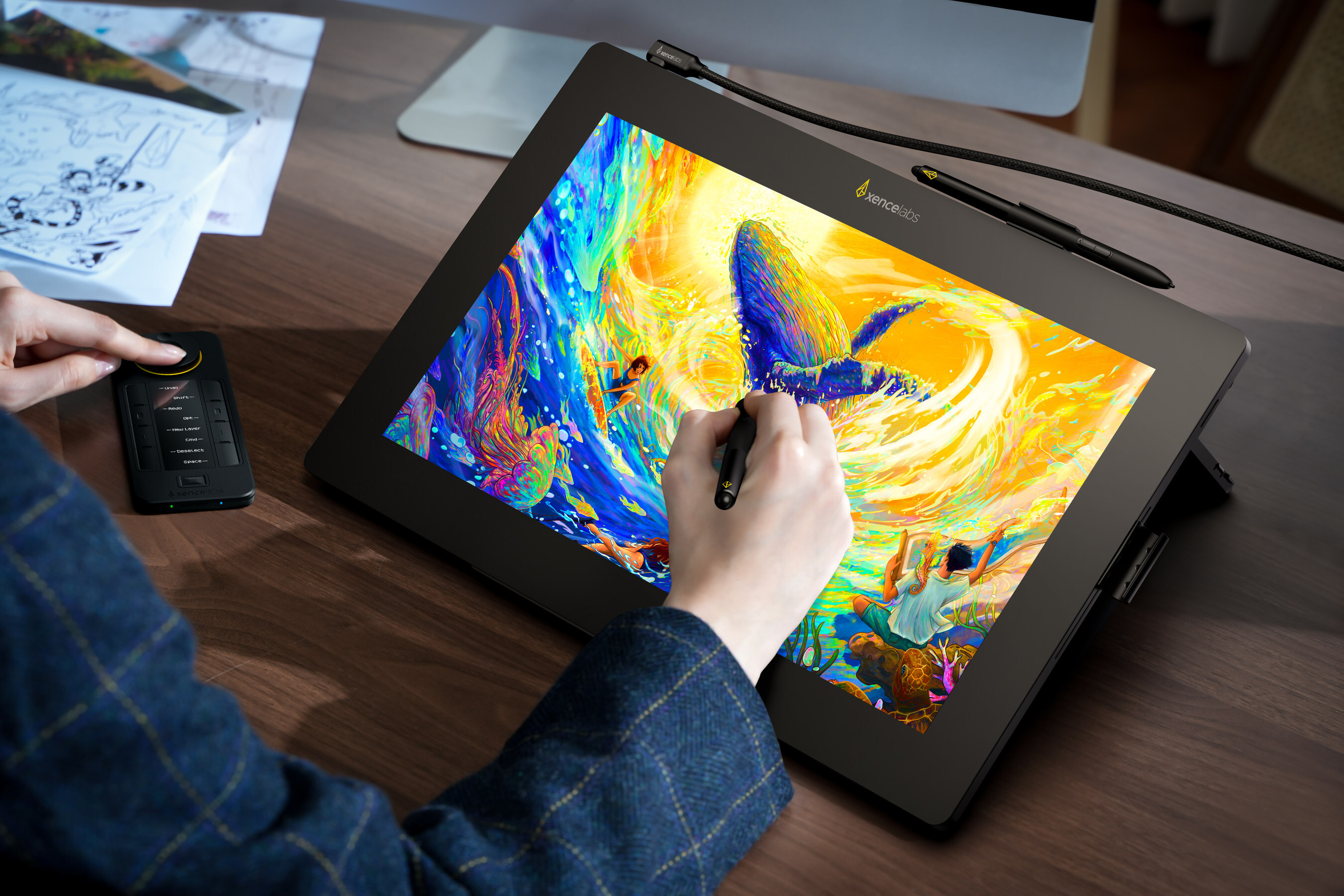
Xencelabs Reveals Revolutionary 16-Inch 4K OLED Pen Display: The Perfect Fusion of Professionalism and Mobility
Xencelabs Reveals Revolutionary 16-Inch 4K OLED Pen Display
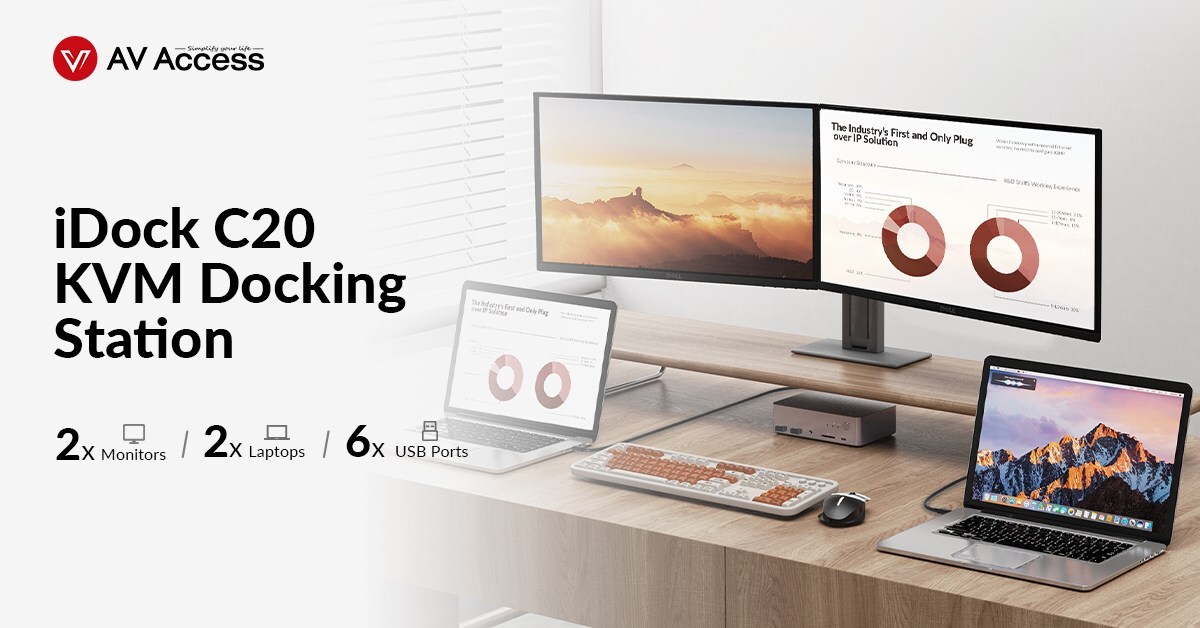
AV Access Launches the iDock C20: A Game-Changing KVM Switch Docking Station
AV Access Unveils iDock C20.
Apple Fitness+ Makes Its Biggest Move Yet, Turning Fitness Into a Worldwide Experience
Fitness Without Borders
POST COMMENT