

Why Consoles Cost Like Computers Now

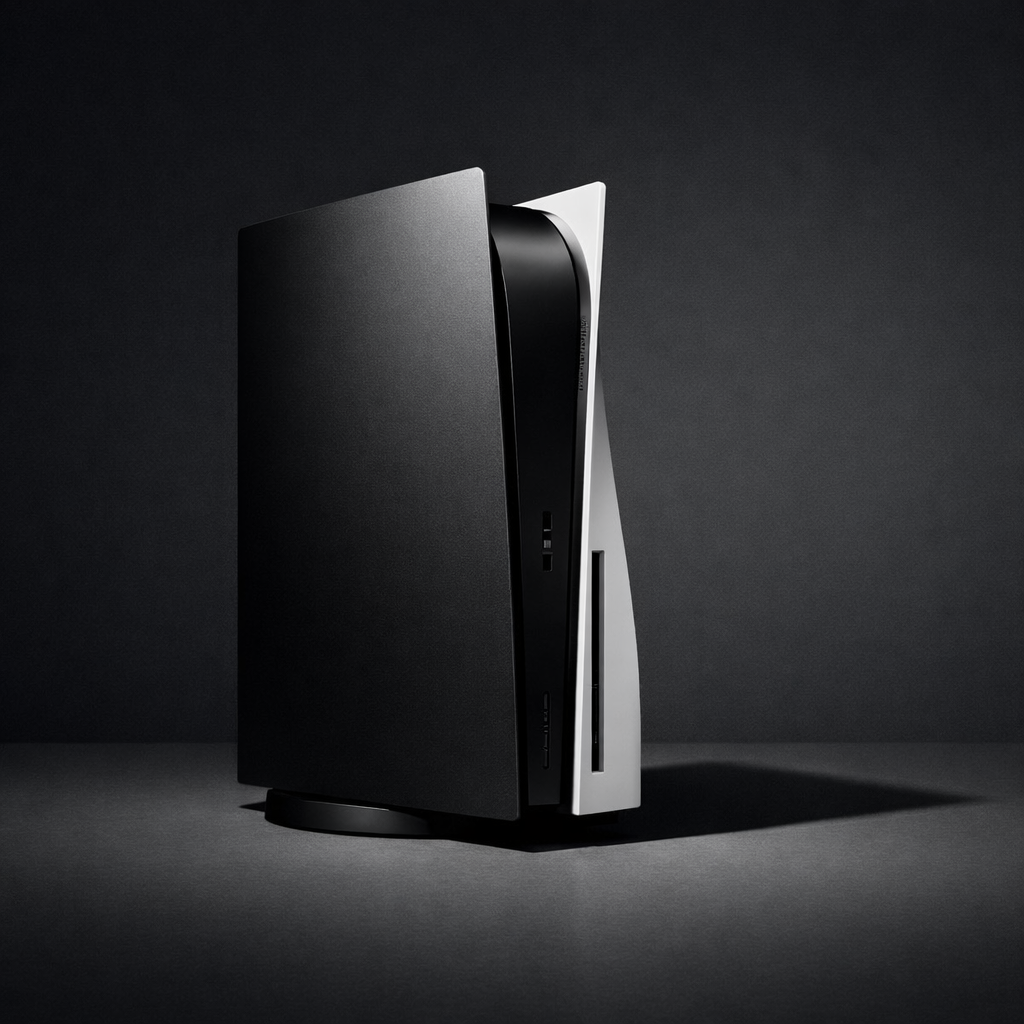
For years, video game consoles were framed as toys—specialized machines built for leisure, clearly separated from computers that handled work, productivity, and creation. That distinction no longer holds. Modern consoles are priced like computers because they now function as one very specific version of a computer: controlled, optimized, and intentionally constrained. The console is an edited computer. The shift isn’t accidental, and it isn’t inflation. It’s design.
Devices like the PlayStation 5 and the Xbox Series X are not compromised PCs, but purpose-built systems designed to remove friction rather than expand choice. In a culture conditioned to equate value with maximum power, consoles offer something more deliberate: reliability at scale. The value proposition is no longer speculative. It’s resolved.
For decades, computing chased excess—more options, more configurations, more performance headroom than most people would ever need. That abundance created prestige, but it also introduced anxiety. Performance became provisional, dependent on drivers, updates, thermals, compatibility, and constant recalibration. Ownership turned into maintenance. Consoles refused that trajectory. They narrowed the field instead of expanding it, committing to one architecture, one performance envelope, and one shared baseline. Stability became the upgrade.
This reframing explains why modern consoles feel worth their price in a way that spec-heavy alternatives often don’t. Luxury, once defined by abundance, is increasingly defined by restraint. The most valuable feature a device can offer now is not power, but relief—from configuration, from choice paralysis, from the sense that performance is never final. Consoles trade flexibility for confidence, and that confidence is the product.

By Brian k. Neal
What looks like limitation is, in practice, authorship. Consoles decide in advance what the experience will be, then commit fully to delivering it. You don’t choose how to run the game; you trust that it will run correctly. That trust is earned through long lifecycles, locked targets, and ecosystems designed to feel finished rather than perpetually in progress. The price reflects the cost of that certainty.
At scale, consoles function less like hardware purchases and more like cultural infrastructure. They are distribution systems, subscription platforms, and shared social baselines. When a game launches on console, it sets visual standards, normalizes performance expectations, and shapes how people gather digitally. Consoles don’t just deliver content; they condition how time, attention, and community are organized around play. Their success is measured by how completely they disappear into the experience.
The computer remains essential—and irreplaceable—for creation, experimentation, and expansion. PCs push boundaries precisely because they are open, modular, and constantly evolving. But that role clarifies the difference rather than undermining the console’s relevance. The PC is a tool, visible and configurable. The console is an instrument, tuned in advance to deliver harmony. One invites mastery through modification. The other invites immersion through constraint.
Consoles now cost what they cost because they finally know exactly what they are. They are not trying to replace the computer. They are replacing the friction around using one. In doing so, they reflect a broader cultural shift away from infinite customization and toward experiences that feel designed, stable, and complete. The modern console does not promise more. It promises enough—and in a landscape overwhelmed by choice, enough has become the most sophisticated offering of all.
Related Posts

Dyson Unveils OnTrac: Its First-Ever Audio-Only Headphones
Dyson Announces OnTrac, Its Debut Audio-Only Headphones.

Dove and Open Source Afro Hair Library Introduce Code my Crown: Empowering Authentic Representation in Video Game Hairstyles
Dove, in collaboration with the Open Source Afro Hair Library

The AI Model Must Now Introduce Itself
The Model Is Becoming Software

IHG Hotels & Resorts introduces Apple AirPlay to its North American hotels, allowing guests to stream content from their iPhones or iPads directly to their in-room TVs
IHG Hotels & Resorts, a global hospitality leader, introduces AirPlay

New Gameplay Trailer for ‘Metal Gear Solid 3: Snake Eater’ Showcasing Unreal Engine 5
'Metal Gear Solid 3: Snake Eater'
Zillow’s AI Search Upgrade Transforms How You Find Your Next Home
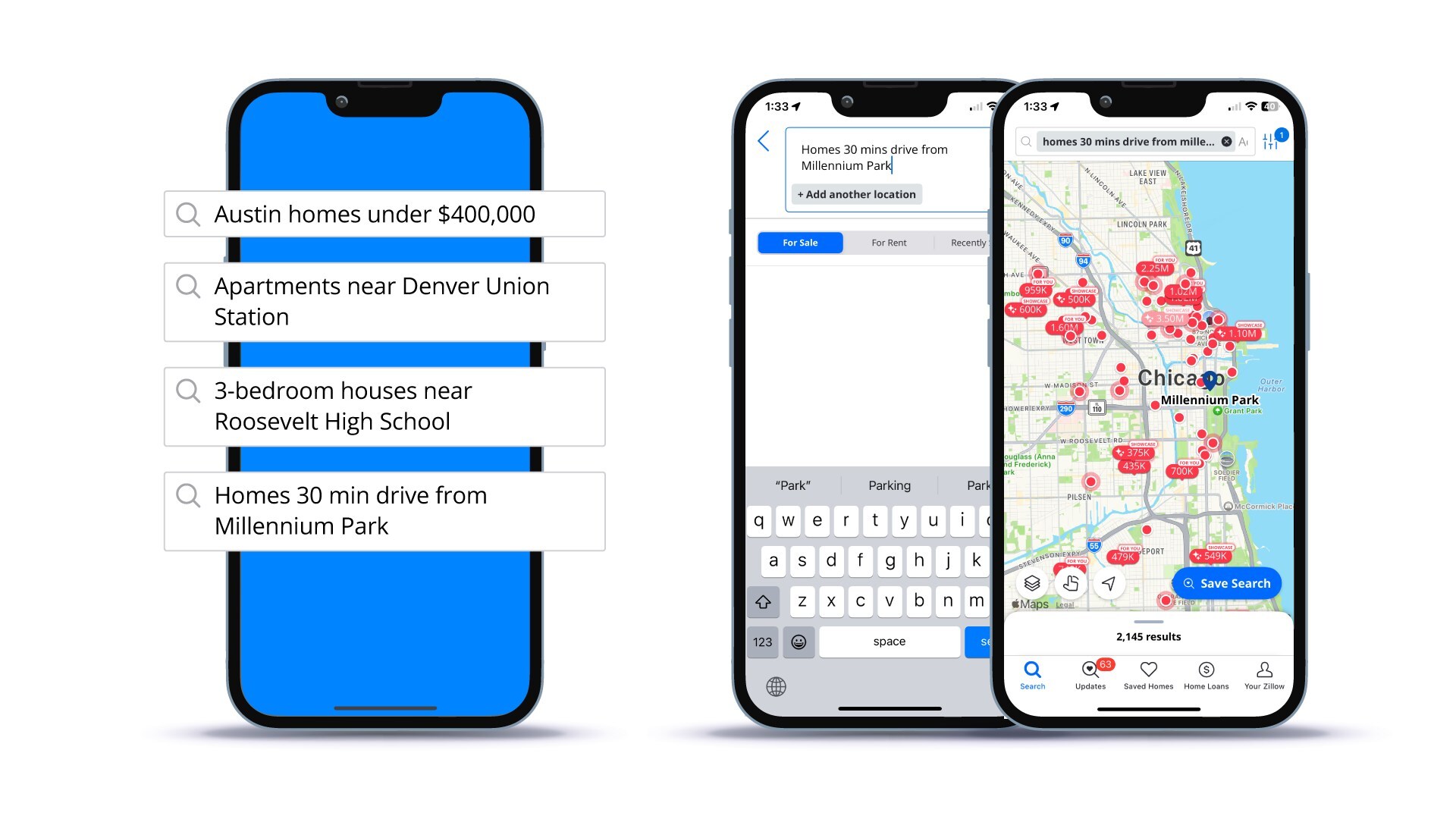
Zillow's AI-powered home search smarter with natural language features