

When Stephen Curry Wore Someone Else’s Shoes
By Monroe Chandler
For most of modern basketball culture, the relationship between a superstar and his signature sneaker has been treated as inseparable. The athlete wears the shoe. The shoe carries the athlete’s name. The brand and the player move forward together as a single commercial identity.
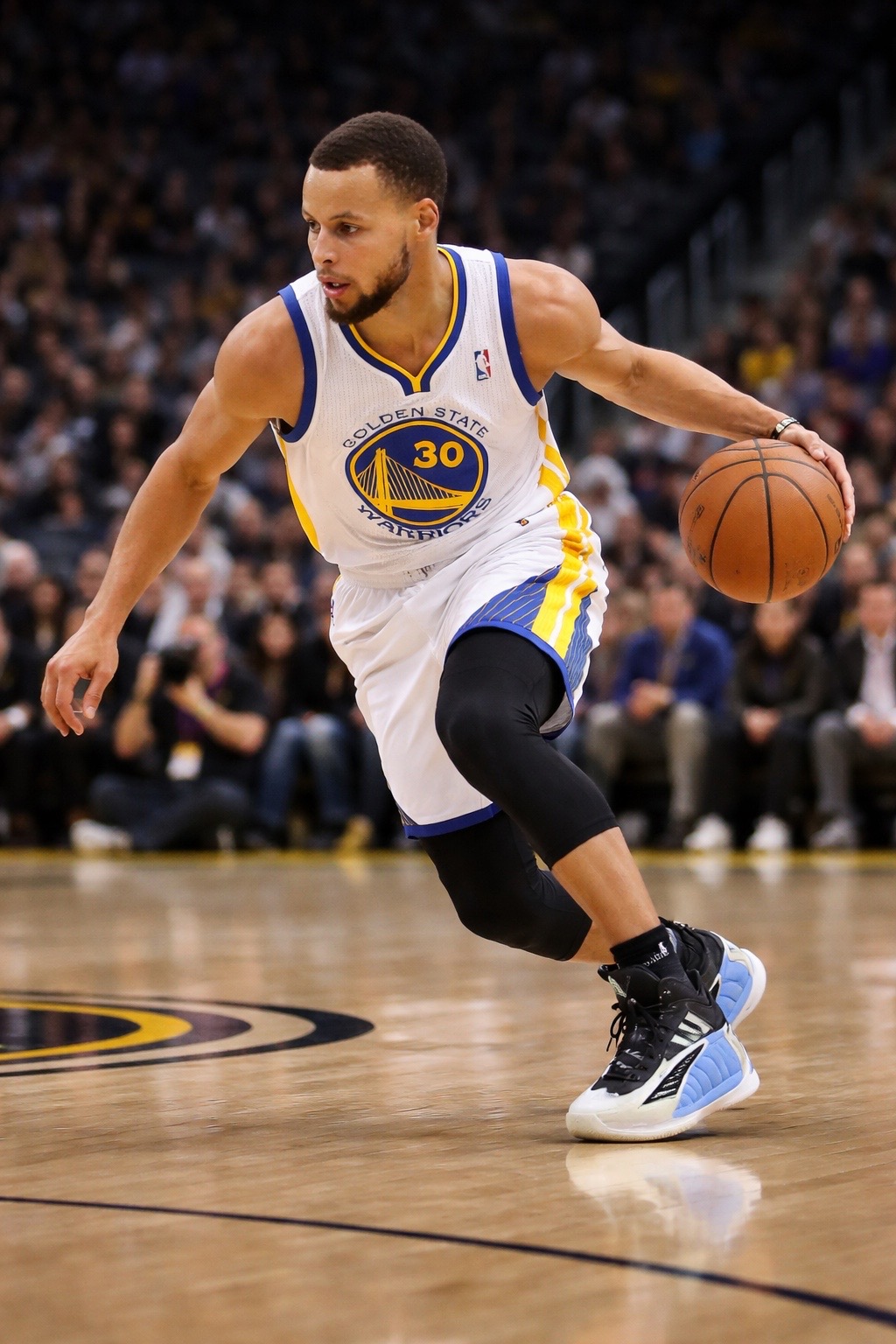
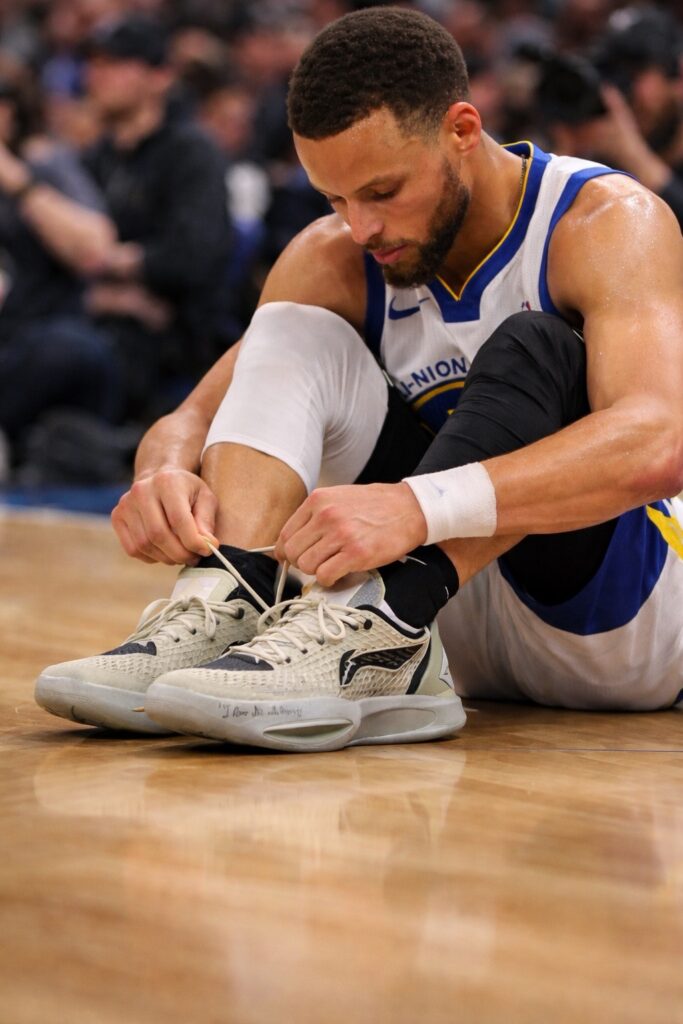
But when Stephen Curry stepped onto the court wearing someone else’s sneaker, something subtle but meaningful happened. In a league where signature shoes function as both marketing engines and cultural symbols, the moment quietly exposed a deeper truth: the modern athlete is no longer bound to the product built around him.
The sneaker may still carry the name.
But the power now belongs to the player.
For decades the sneaker industry relied on a simple narrative structure. Brands built signature lines around the idea that a player and his shoe were extensions of each other. The shoe became a symbol of the athlete’s identity—something fans could wear as a way of participating in the mythology.
The formula worked because it felt authentic. When a superstar stepped on the floor, the shoe represented not just performance but loyalty. The athlete wore his brand. The brand amplified the athlete. The illusion of unity helped build billion-dollar product categories.
Signature sneakers were never just footwear.
They were cultural agreements.
Stephen Curry represents one of the most important chapters in modern sneaker history precisely because his rise did not follow the traditional sneaker power structure. Instead of building his legacy through the dominant hierarchy of the industry, Curry helped elevate Under Armour into a legitimate force in basketball footwear. The partnership eventually evolved into Curry Brand, an athlete-led label designed to extend Curry’s influence beyond a single product line.
In many ways, Curry became the modern blueprint for how a superstar could shape a brand rather than simply endorse one.
Which is why the moment he appeared on court wearing another sneaker carried so much meaning.
When the architect steps outside the structure he helped build, people notice.
At first glance, an athlete wearing a different shoe might seem insignificant. Basketball players test equipment constantly, and minor adjustments happen throughout a season. But culturally, the symbolism is larger than the act itself.
Signature sneakers were designed to communicate permanence. They suggested that a player’s identity lived inside a single product ecosystem. When Stephen Curry laced up another sneaker and played the game the same way he always had—crossovers, quick releases, impossible range—the illusion became harder to maintain.
The performance remained the same.
Only the logo changed.
In that moment the hierarchy quietly flipped.
The shoe didn’t define the player.
The player defined the shoe.
What looked like a sneaker choice was actually a power signal.
Modern athletes now operate more like cultural platforms than traditional endorsers. Their influence travels across media, technology, fashion, and commerce. A sneaker partnership may still carry financial weight, but the athlete’s identity exists far beyond a single product category.
This shift mirrors transformations happening across the broader entertainment economy. Musicians no longer rely on one label to define their careers. Creators move fluidly between platforms. Talent has become portable.
Athletes are beginning to follow the same trajectory.
What once looked like brand loyalty increasingly resembles a business arrangement.
The crossover dribble, the arena lights, the roar of the crowd—none of those elements changed when Stephen Curry stepped onto the court wearing someone else’s sneaker.
The game looked exactly the same.
But the image told a different story.
A superstar tying a different pair of shoes might seem like a small detail in the rhythm of a basketball game. Yet moments like this often reveal structural shifts long before industries formally acknowledge them.
For years the sneaker economy revolved around the idea that athletes belonged to brands.
The modern era is beginning to suggest the opposite.
Brands belong to the athletes who move culture forward.
The sneaker may still carry the name.
But the authority has already moved.
The game has simply caught up.
Related Posts

Spalding is thrilled to introduce the Spalding x Harlem Globetrotters Official Game Ball, now available for purchase for the first time
Limited edition basketball featuring Harlem Globetrotters

UGG Reveals the Latest Evolution of Regenerate by UGG™ Collection
UGG®, the global lifestyle brand introduces new line .

Splinter Cell: Deathwatch – Sam Fisher Steps Out of the Shadows on Netflix
By DaMarko Webster When Netflix unveiled the exclusive trailer for Spl

Usher Reveals Super Bowl Halftime Show Commercial: A 30-Year Journey Unleashed
Usher's Musical Journey Culminates at Apple Music Super Bowl Halftime
‘Kraven the Hunter,’ Pushed Back by Sony To December
Sony Pushed Back Kraven to Q4

Nike and SKIMS Join Forces to Revolutionize Fitness and Activewear with NikeSKIMS
NikeSKIMS Designed to Sculpt.