

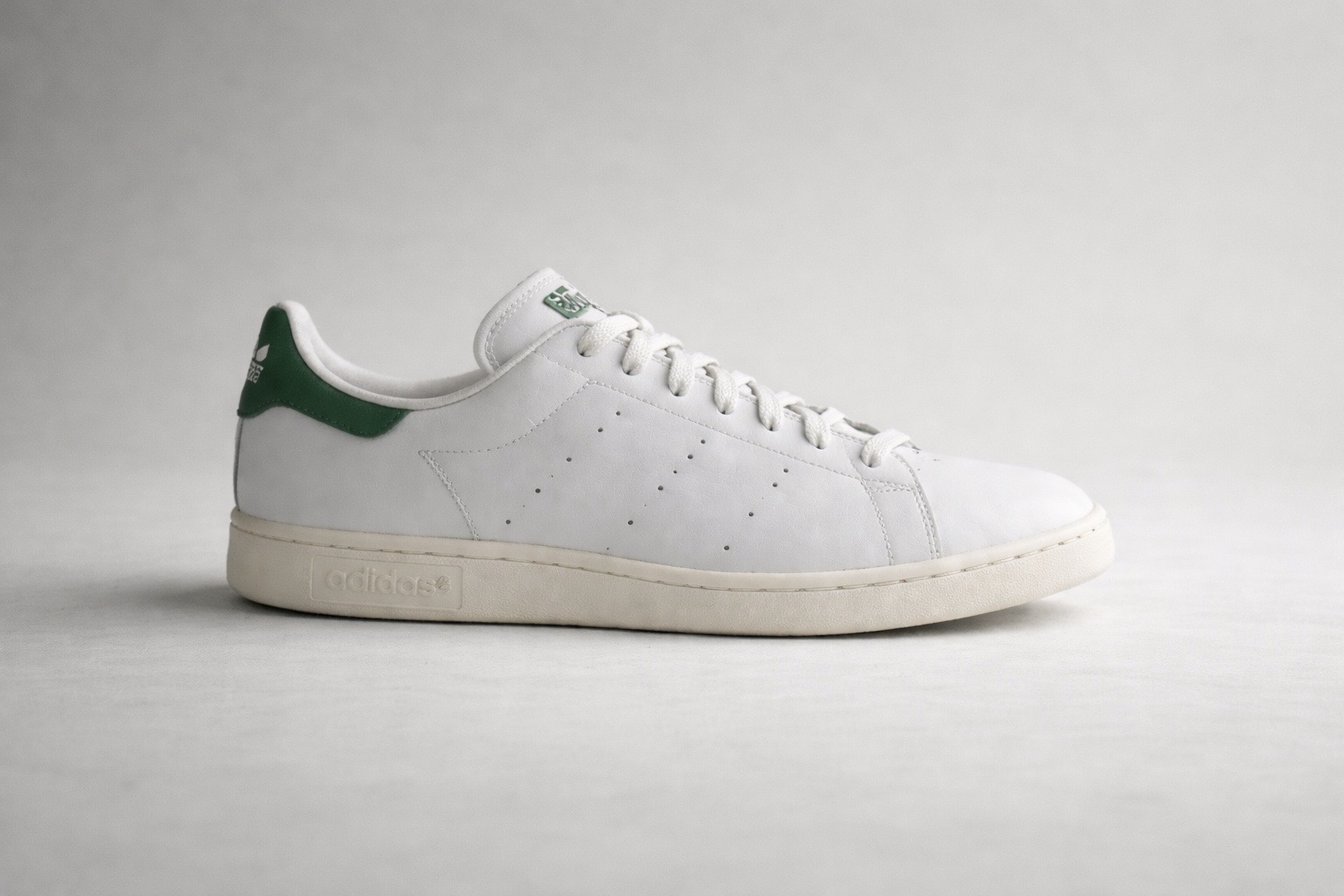
What Happens When a Shoe Stops Explaining Itself
By John Sambos
There was a time when sneakers existed to solve a simple problem: movement.
Grip. Comfort. Durability.
At some point, that stopped being the point.
Sneakers didn’t announce their evolution. They rarely do. Meaning accumulated quietly—through repetition, proximity, and daily use—until certain shoes began to occupy culture with more authority than novelty ever could. Today, sneakers are no longer just footwear. They are infrastructure.
You see it most clearly in shoes that no longer require introduction.
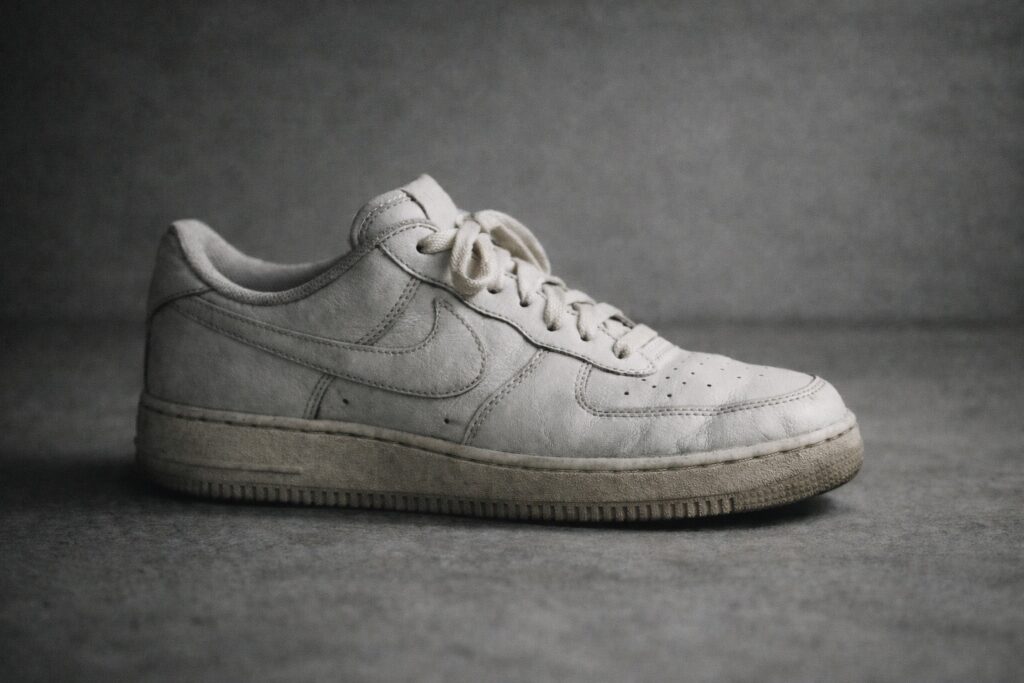
The Nike Air Force 1 is not remembered; it is present. It moves through cities the way street names do—recognized without explanation, used without permission. Its meaning is not tied to a release or an era, but to repetition. A clean pair signals discipline. A worn pair signals movement. Neither asks to be noticed. The shoe assumes space.
That assumption is authority.
The adidas Stan Smith operates differently. It communicates by disappearing. It does not perform identity; it stabilizes it. White leather. Minimal mark. No urgency. Its restraint reads as composure. In louder rooms, it lowers the temperature. It suggests fluency—an ease that doesn’t require reinforcement.
Presence versus neutrality.
Occupation versus composure.
Together, these shoes reveal a shift. Sneakers stopped functioning as products and began functioning as permissions. They grant entry. Translate class. Smooth movement between worlds that once required different uniforms. Sneakers now do social work.
This helps explain a modern contradiction: preservation. Shoes kept unworn. Boxes kept intact. Condition treated as value. Once an object carries memory and meaning, use begins to feel risky. Wear threatens symbolism. Ownership replaces experience.
That behavior isn’t about fashion.
It’s about how culture treats objects once they hold history.
Sneakers sit at the intersection of sport, music, labor, and identity. Few artifacts migrate across all four without losing recognition. The ones that endure do so through restraint. They did not chase relevance. They became familiar enough to stop needing it.
This is why some sneakers feel heavier than others, even when they say less. They move through the world as if they belong everywhere—because they already have. Their authority is implied, not performed.
In a culture trained to reward spectacle, the sneaker’s evolution offers a quieter lesson. Meaning does not always arrive through innovation. Sometimes it arrives through repetition—through remaining usable, legible, and present long enough that explanation becomes unnecessary.
Sneakers didn’t stop being about shoes all at once.
They became something else the moment we stopped asking them to explain themselves.
Related Posts
Bad Bunny and the End of Cultural Permission
Authority Travels Differently Now

Luxury, Authored: Willy Chavarria and Cultural Gravity
Defining Luxury Without Permission
Daniel Craig Channels Timeless Elegance in Loewe’s Fall/Winter 2024 Campaign
Loewe’s Fall/Winter 2024 campaign features Daniel Craig

Victor Wembanyama soars into the limelight as the latest house ambassador for Louis Vuitton
Victor Wembanyama is Louis Vuitton’s newest ambassador

Anne Hathaway & Michaela Coel Ignite A24’s Dark New Music Odyssey
The Pop Star, The Designer, The Secret

“Think I Might” — Honey Bxby’s Bold New Anthem for the Soft-Hearted Savage
Honey Bxby: The R&B Newcomer Who Might Just Steal Your Heart.