

Verification Is the New Luxury
By Landon Silver
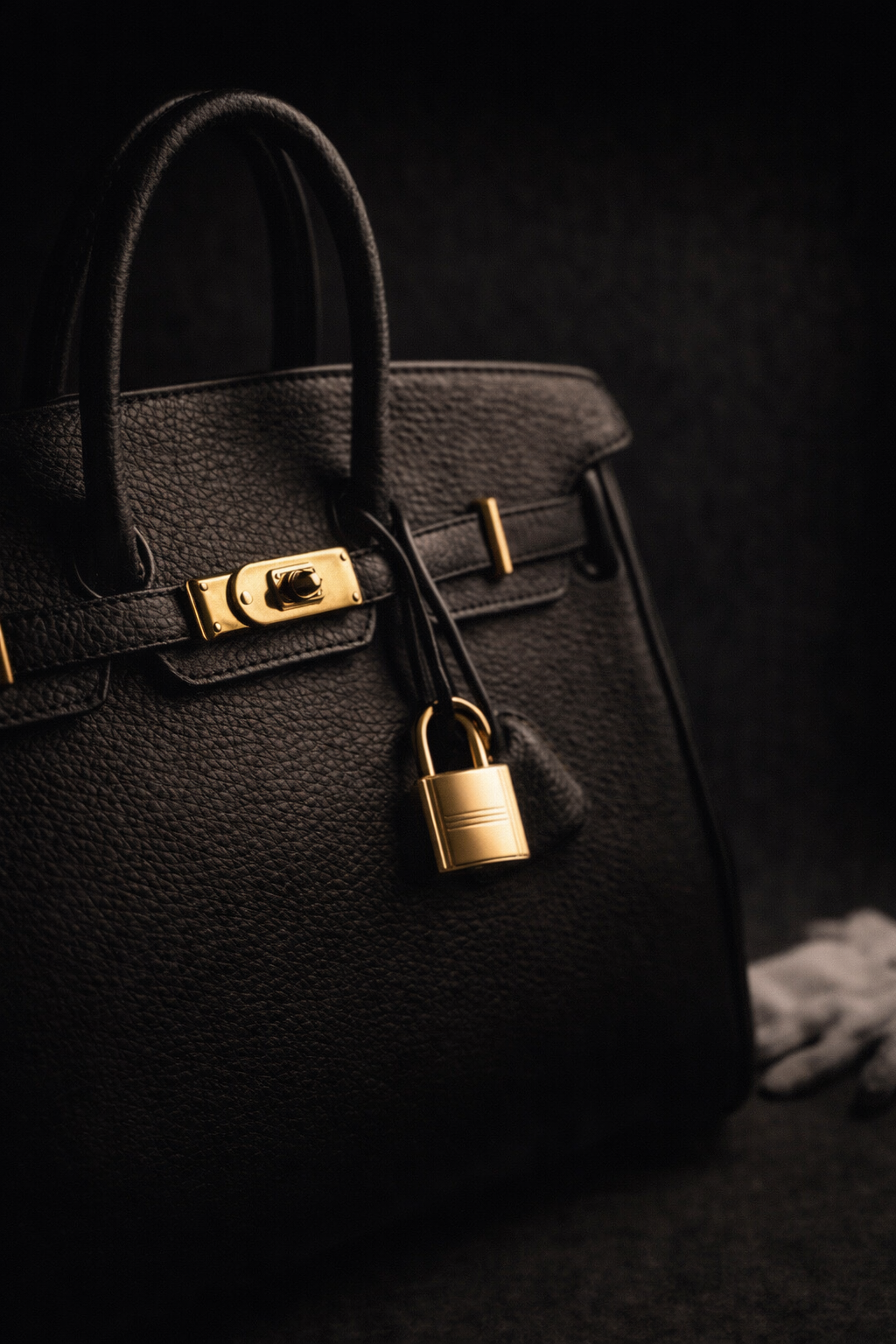
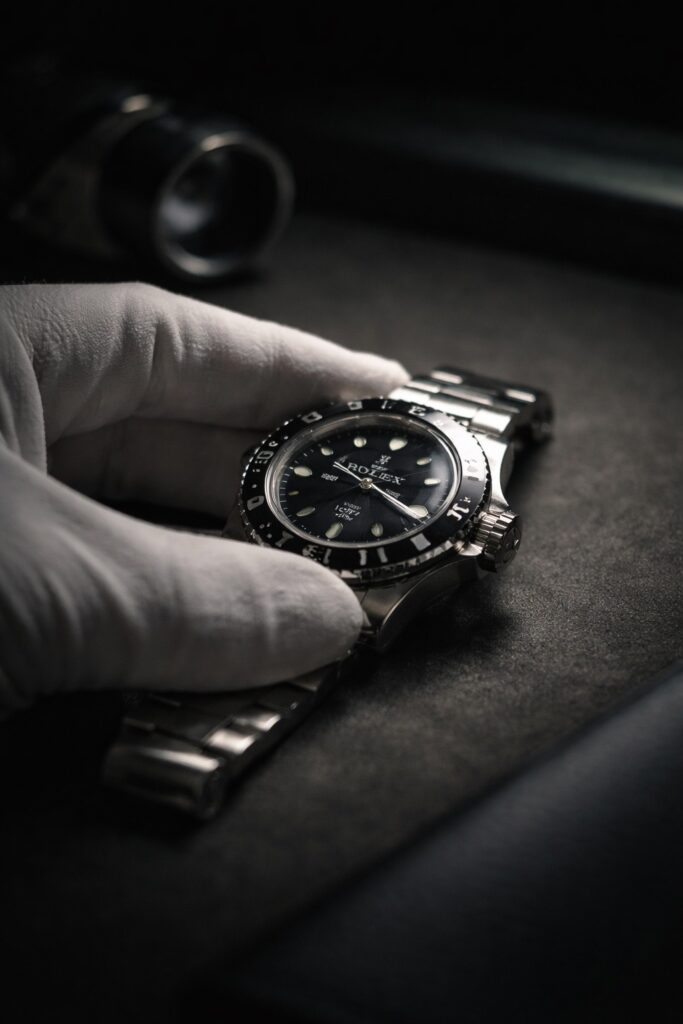
Luxury used to be something you could recognize. You could feel it in the weight of a watch, see it in the stitching of a bag, trust it in the way a material held light. A Birkin didn’t need explanation. A Rolex didn’t need context. A Louis Vuitton monogram didn’t need introduction. Ownership was enough. The object spoke for itself.
That contract is breaking. Not because luxury disappeared—but because replication caught up. The materials can be matched. The weight can be engineered. The stitching can be replicated down to the millimeter. Even the imperfections—once the signature of authenticity—can now be simulated. What once required craft can now be reproduced at scale. A Birkin can look right without being real. A Rolex can pass the eye test without passing the archive. A monogram can carry the pattern without carrying the origin.
What changed is not taste. It’s perception.
For decades, luxury operated on a simple premise: the object was the proof. Craft was the signal. Price was the filter. Ownership was the verification. Now the object is no longer the authority. Because the eye has been trained—and the machine has been trained faster. We are living in the first era where a counterfeit does not need to fool an expert. It only needs to survive a photo, a scroll, a moment. And in that moment, it becomes real enough.
This is the shift luxury didn’t announce. The transition from possession to verification. From “Do you own it?” to “Can you prove it?” Because when a Birkin can be mirrored, when a Rolex can be replicated, when Louis Vuitton can be reproduced at scale—authenticity detaches from the object.
And relocates.
Documentation. Provenance. Client history. Controlled access.
The new luxury is not what you have. It’s what can be confirmed.
This is why the most powerful houses are no longer just producing goods. They are building infrastructure—not to sell the object, but to protect the signal. Because the real risk is no longer imitation. It’s indistinguishability. And once the market can’t tell the difference, value doesn’t collapse—it relocates. Away from the object. Toward the proof.
This already happened in art. When forgeries became visually indistinguishable, the canvas stopped being enough. The provenance became the product.
Luxury is entering that phase now. Quietly. Completely.
The future customer won’t just ask, “Is this beautiful?” They’ll ask, “Can this be verified?” And the brands that win won’t be the ones that make the best objects. They’ll be the ones that control the verification layer around them.
Because in a world where everything can look real—only proof holds.
Related Posts
Reimagining Travel: How CASETiFY Is Shaking Up the Luggage Scene
CASETiFY Expands Into Travel.
2026 Breakthrough: Apple TV Becomes the Home of All MLS Action
No Blackouts, No Barriers
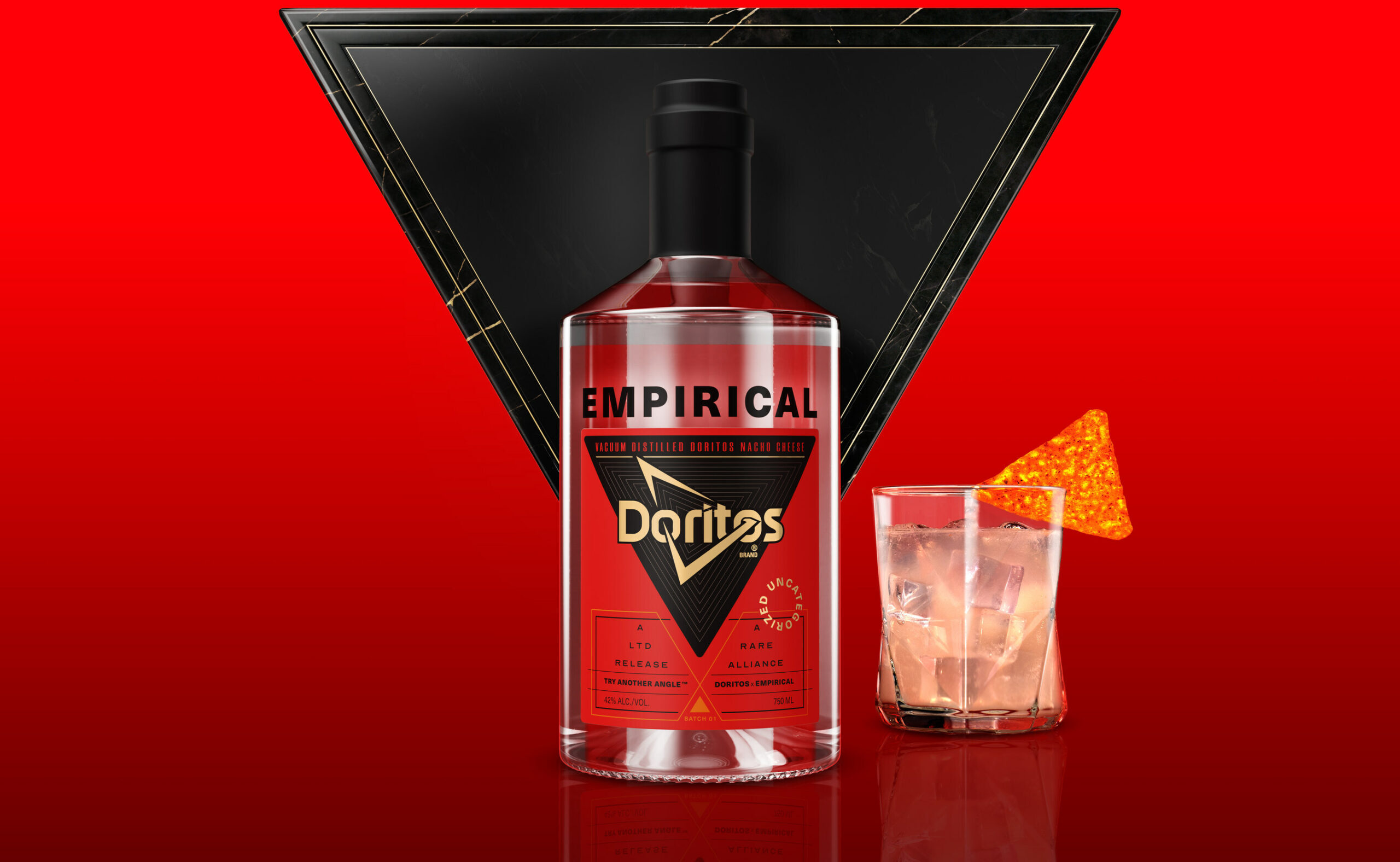
DORITOS® and EMPIRICAL Introduce Groundbreaking Nacho Cheese Beverage
Doritos has announced an exciting collaboration with the global flavor

Watson Renewed for Season 2 at CBS
CBS has officially renewed Watson.
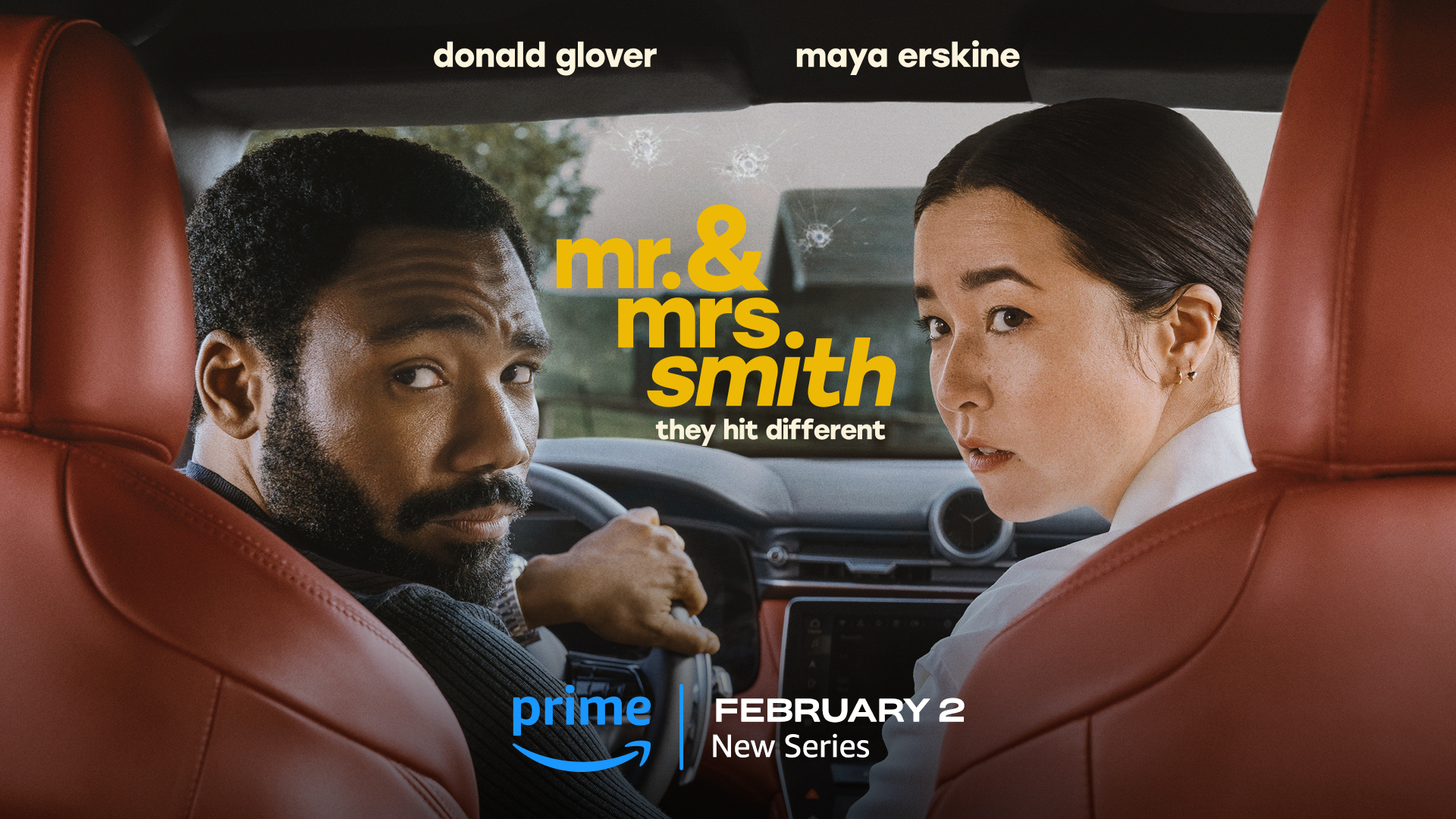
Mr. & Mrs. Smith’s Donald Glover and Maya Erskine First Trailer
By DaMarko Webster Discussing potential homicides on a first date migh
POST COMMENT