

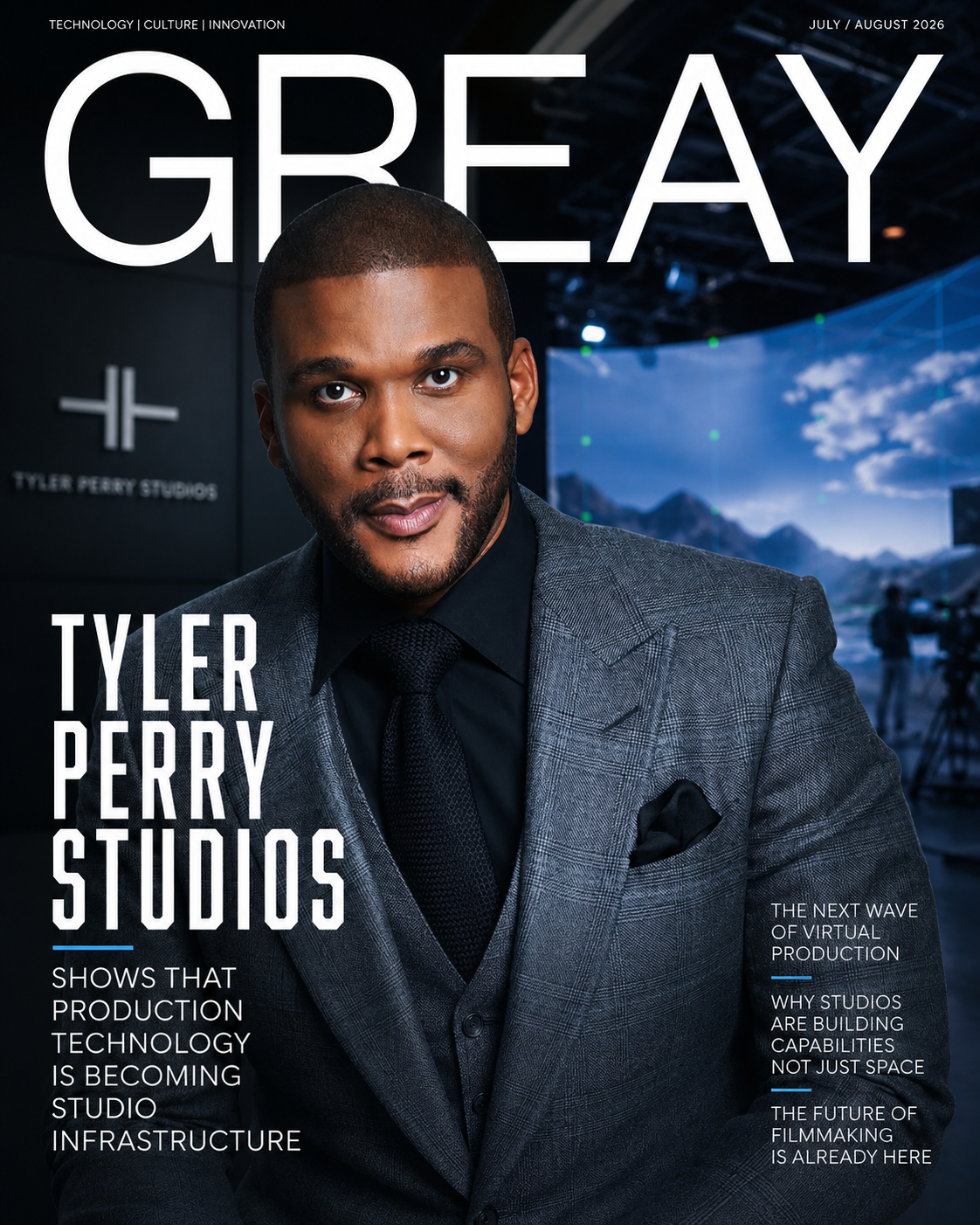
Tyler Perry Studios Illustrates the Evolution of the Modern Soundstage
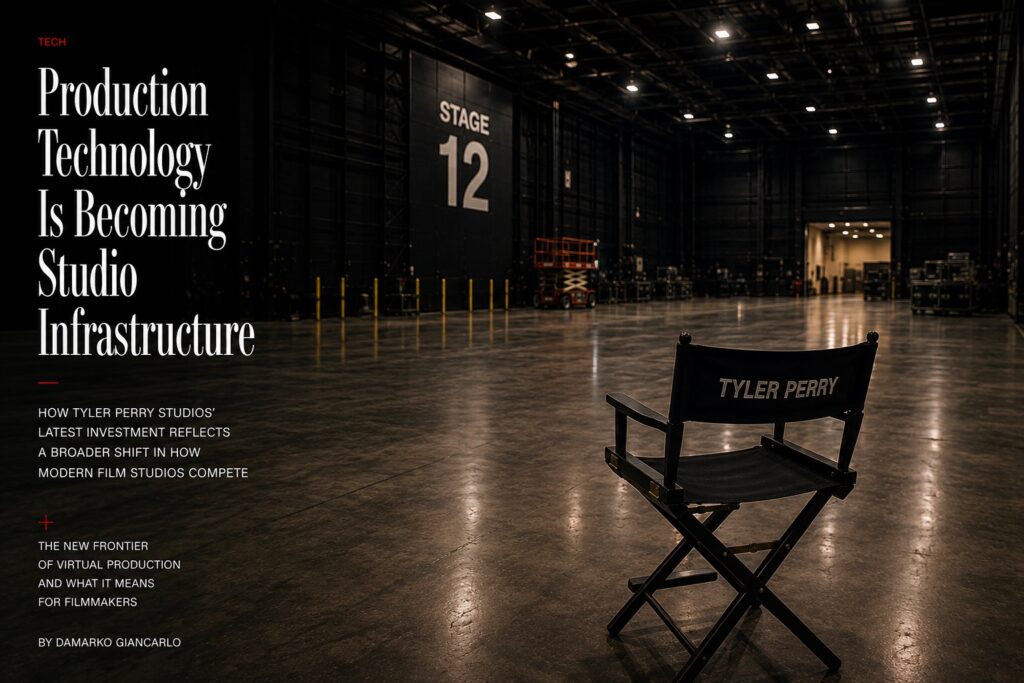
By DaMarko GianCarlo
For much of Hollywood’s history, a studio’s competitive advantage was easy to measure. More soundstages meant more productions. More acreage meant more flexibility. Bigger campuses signaled greater capacity. Physical infrastructure was the foundation of the business.
That equation is changing.
Tyler Perry Studios’ new partnership with Synapse Virtual Production is more than the addition of another soundstage. It reflects an industry-wide shift in how studios are investing for the future. Increasingly, the infrastructure that gives a studio its competitive advantage is no longer defined solely by concrete, steel, and square footage. It is also defined by the production technology built into those spaces.
The announcement centers on the development of a virtual production-enabled soundstage on the Tyler Perry Studios campus in Atlanta. Equipped with LED volume technology, real-time rendering, camera tracking, and integrated production workflows, the facility becomes part of the studio’s permanent operating infrastructure rather than a temporary or specialized resource.
That distinction is what makes this announcement significant.
Technology often enters industries as a premium feature. Over time, the technologies that consistently improve capability, efficiency, or creative flexibility stop being viewed as optional. They become part of the infrastructure itself. Electricity followed that path. Broadband followed that path. Cloud computing followed that path across business. Virtual production is now following that path within filmmaking.
This is not simply the adoption of a new production tool. It is the normalization of a new production environment.
That changes how studios compete.
For decades, studios expanded by increasing capacity. Today, they are increasingly expanding capability. Productions are evaluating more than the number of available stages. They are evaluating whether those stages allow creative teams to solve problems faster, collaborate more effectively, and move seamlessly between physical production and digital environments without disrupting the filmmaking process.
In other words, the value of a modern soundstage is no longer measured only by the space inside its walls. It is increasingly measured by the technology integrated into those walls.
This reflects a broader evolution taking place across the global economy. Manufacturing facilities have become software-enabled production systems. Distribution centers have become intelligent logistics networks. Hospitals combine physical care with digital infrastructure. Across industries, competitive advantage is no longer created by buildings alone but by the capabilities embedded within them.
Film studios are undergoing the same transformation.
Importantly, this is not a story about technology replacing traditional filmmaking. Practical sets, location photography, craftspeople, and production crews remain essential to every production. Virtual production expands the creative toolbox rather than replacing it. It allows filmmakers to make different decisions about when physical environments, digital environments, or a combination of both best serves the story.
That is why Tyler Perry Studios’ investment is strategically important.
Studios no longer compete only to provide space where productions can work. They increasingly compete to provide environments where productions can work more intelligently. The studio itself is evolving from a collection of buildings into an integrated production ecosystem where physical infrastructure and digital capability operate together.
The significance of this announcement extends well beyond one campus in Atlanta. It reflects an industry that is redefining what studio infrastructure means. As production technology becomes a permanent fixture rather than a specialized service, the competitive landscape shifts alongside it.
The next generation of film studios will not be defined simply by the size of their campuses or the number of stages they operate. They will be defined by the capabilities built into those stages—the technologies that enable filmmakers to create, collaborate, and adapt within a single production environment.
Tyler Perry Studios’ latest investment demonstrates that the future of studio development is no longer just about building more space. It is about building more capability.
Related Posts
Streamer University: Kai Cenat’s Masterclass in Going Viral
Kai Cenat Is Building the Harvard of Hype.

Google Meet Introduces Hand-Raising Detection for Seamless Meeting Participation
By Faith Simmons Google Meet has enhanced the ease of user participati

Samsung Unveils Enhanced Medications Tracking Feature in Samsung Health App
Samsung Electronics has unveiled a new feature
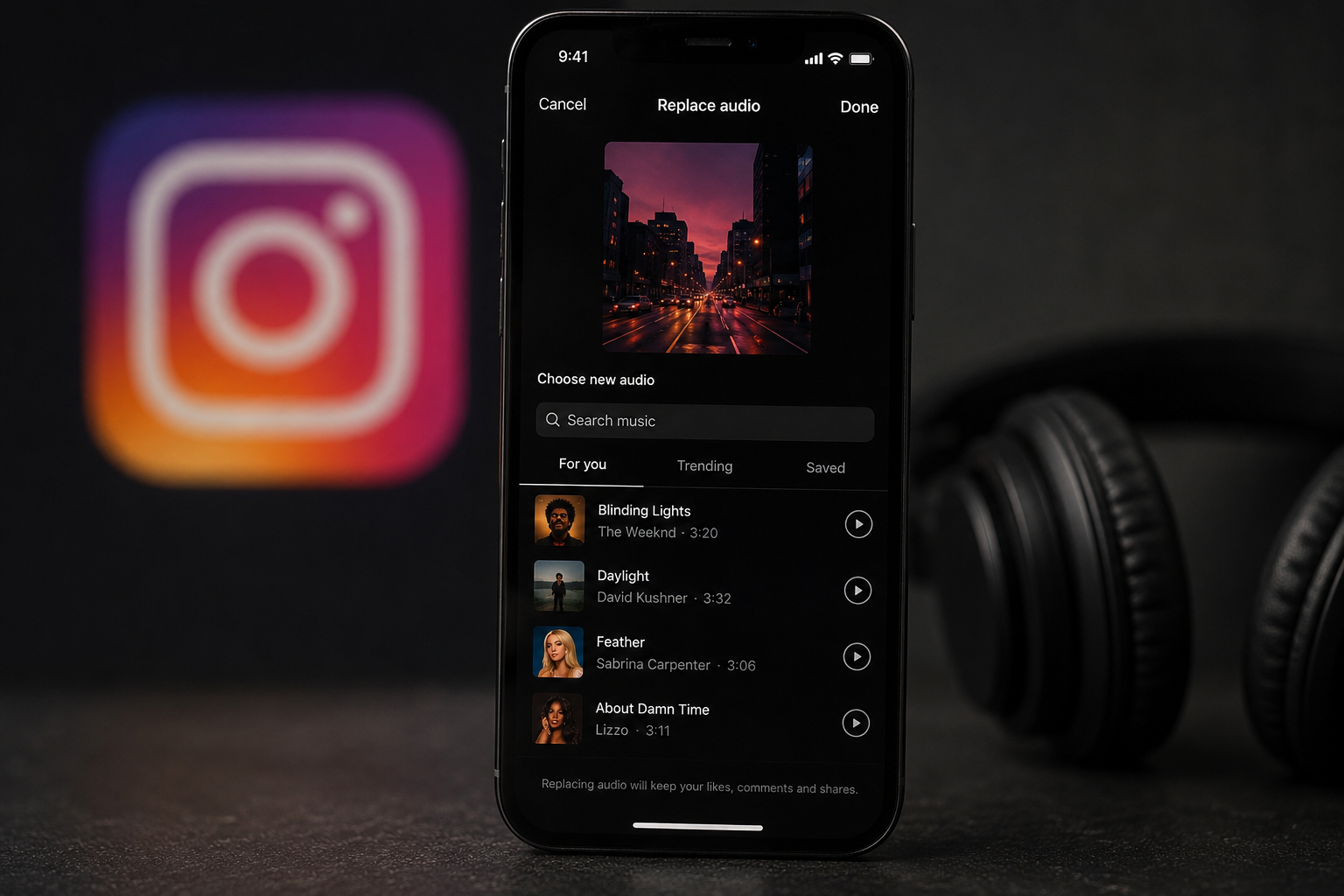
Instagram Introduces Replace Audio, Letting Creators Update Music on Published Posts
A published post no longer has to keep its original soundtrack

Unveiling BetterLix: An Innovative AI-Powered App Fostering Liver Health and Well-being
Amsety, a leading company in liver health solutions.
United Airlines Brings Apple TV+ Originals to the Skies with Largest Seatback Screens in the U.S.
Streaming in the Stratosphere