


The Streaming Wars Are Over:Netflix Picked a Winner
By Jacob Linden
For most of Hollywood history, distribution was invisible.
Audiences bought tickets to see stars. They followed directors. They debated franchises. The machinery responsible for delivering those stories existed mostly in the background. Distribution was infrastructure. It was important, but it was rarely the story.
That is no longer true.
Netflix’s recent comments about filmmakers who insist on theatrical releases reveal something larger than a company policy. They reveal how dramatically the balance of power has shifted in modern entertainment. While Netflix continues to make exceptions for select projects—including Greta Gerwig’s upcoming Narnia—the company’s broader position appears increasingly clear. Streaming is not an experiment. It is the foundation.
The significance of that shift extends far beyond Hollywood.
For years, the streaming wars were framed as a battle between two destinations. One side represented theaters, exclusivity, and event-driven releases. The other represented convenience, accessibility, and on-demand viewing. Industry executives, filmmakers, and audiences spent more than a decade arguing about which model would ultimately define the future.
Netflix’s answer is not that theaters lost.
Its answer is that the debate itself may no longer matter.
The company has reached a scale where it no longer needs theatrical releases to validate its existence. It no longer needs to prove that a streaming premiere can generate cultural impact. It no longer needs to apologize for meeting audiences where they already spend their time.
The audience has already moved.
What makes this moment important is that it reflects a broader shift occurring across nearly every industry touched by technology. Increasingly, the winners are not the companies creating destinations. They are the companies creating access.
Consumers stream music instead of buying albums. They order transportation instead of owning maps. They watch entertainment on demand instead of waiting for schedules. Convenience has evolved from a feature into an expectation.
Access became the product.
That may be the most important lesson hidden inside Netflix’s position.
For generations, distribution followed culture. Cultural moments happened first, and distribution systems helped spread them. Today, distribution increasingly shapes culture itself. Recommendation engines determine discovery. Platforms influence viewing habits. Algorithms affect visibility. The path to the audience is no longer separate from the audience experience.
Distribution is no longer infrastructure.
Distribution is influence.
Netflix understands this better than almost anyone.
The company is not making a statement about theaters. It is making a statement about where it believes attention lives. Theatrical releases will continue. Blockbusters will continue. Certain stories will always benefit from the collective experience of a crowded room and a giant screen.
But Netflix appears increasingly comfortable building its future around a different assumption: that the ability to reach an audience instantly may be more valuable than the ceremony of arrival.
That is why this moment feels larger than a business decision.
The streaming wars did not end when streaming defeated theaters.
They ended when one of the world’s most influential entertainment companies stopped treating streaming as the challenger and started treating it as the default.
Netflix didn’t choose streaming over theaters.
It chose access over tradition.
And increasingly, that is the choice defining the modern economy.
Related Posts
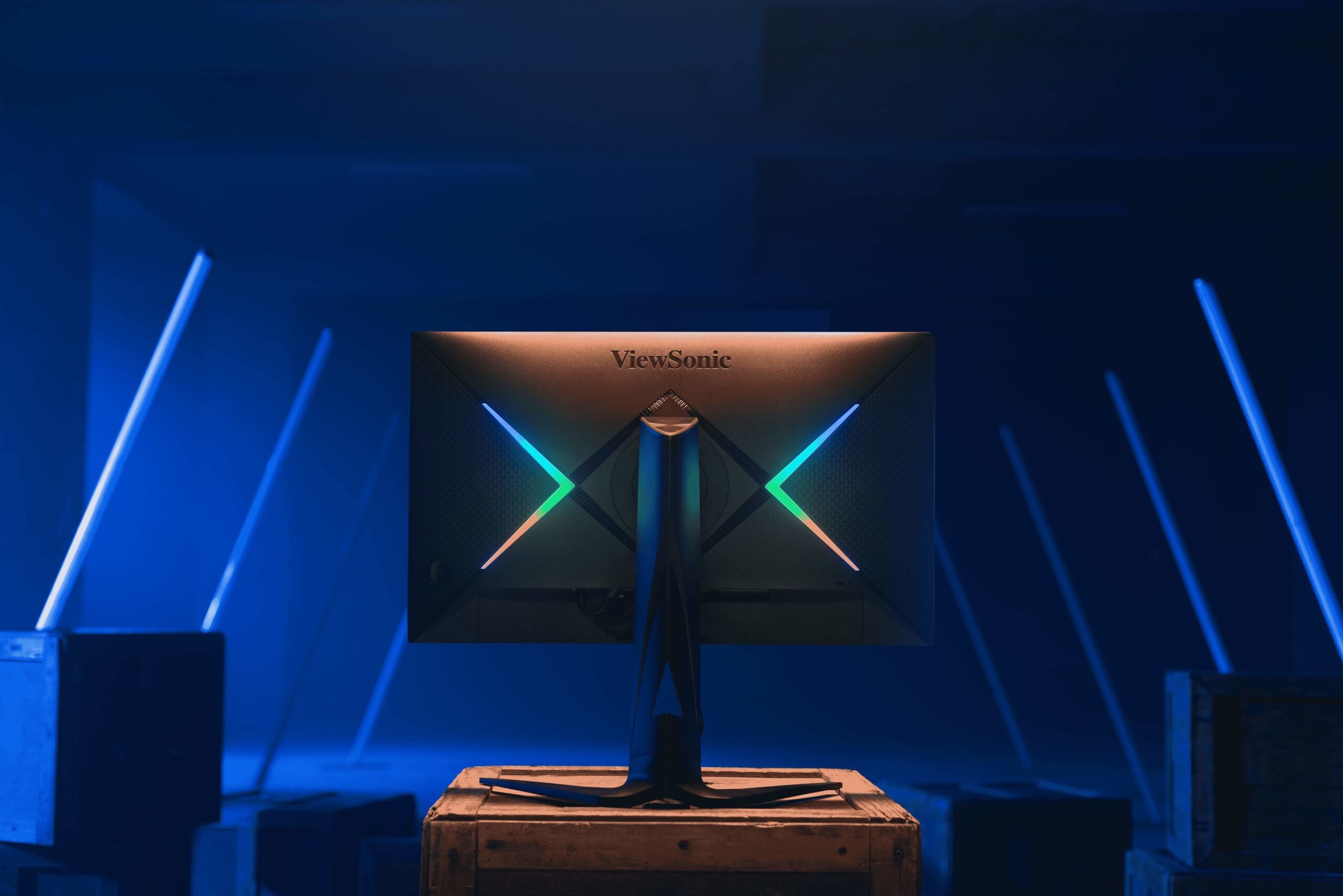
ViewSonic Unveils High-Performance XG36 Series Monitors for Competitive Gamers
ViewSonic Launches the New XG36 Series Monitors.

Folklore, Fire, and Feudal Vengeance: Onimusha 2 Strikes Again
A Vengeful Blade Reforged

The AI Model Must Now Introduce Itself
The Model Is Becoming Software

AMD Introduces Embedded+ Architecture for Edge AI Hardware
AMD has unveiled its latest innovation, the Embedded+ architecture.

IHG Hotels & Resorts introduces Apple AirPlay to its North American hotels, allowing guests to stream content from their iPhones or iPads directly to their in-room TVs
IHG Hotels & Resorts, a global hospitality leader, introduces AirPlay

Shutterstock Unveils Revolutionary Generative 3D API
Shutterstock Launches First Ethical Generative 3D API.