


The Status Pro X and the Engineering of Sound
By DaMarko Webster
Morning rush hour is one of the loudest environments in modern life. Subway doors slam. Conversations layer over each other. The screech of steel wheels on rail fills the background like a permanent soundtrack to the workday commute.
Inside that noise, most people do the same thing. They reach for their earbuds.
For the past decade, the wireless earbud market has been dominated by three types of power.
Apple built the ecosystem.
Sony built the noise-cancellation standard.
Bose built the travel audio category.
Each company wins for a different reason, but they share the same structural advantage: scale. Their earbuds are not simply audio devices. They are extensions of operating systems, app stores, cloud services, and global hardware platforms.
Which raises a simple question.
What does a smaller company build if it wants to compete in that world?
A New York audio brand called Status Audio appears to have chosen a very specific answer: sound engineering.
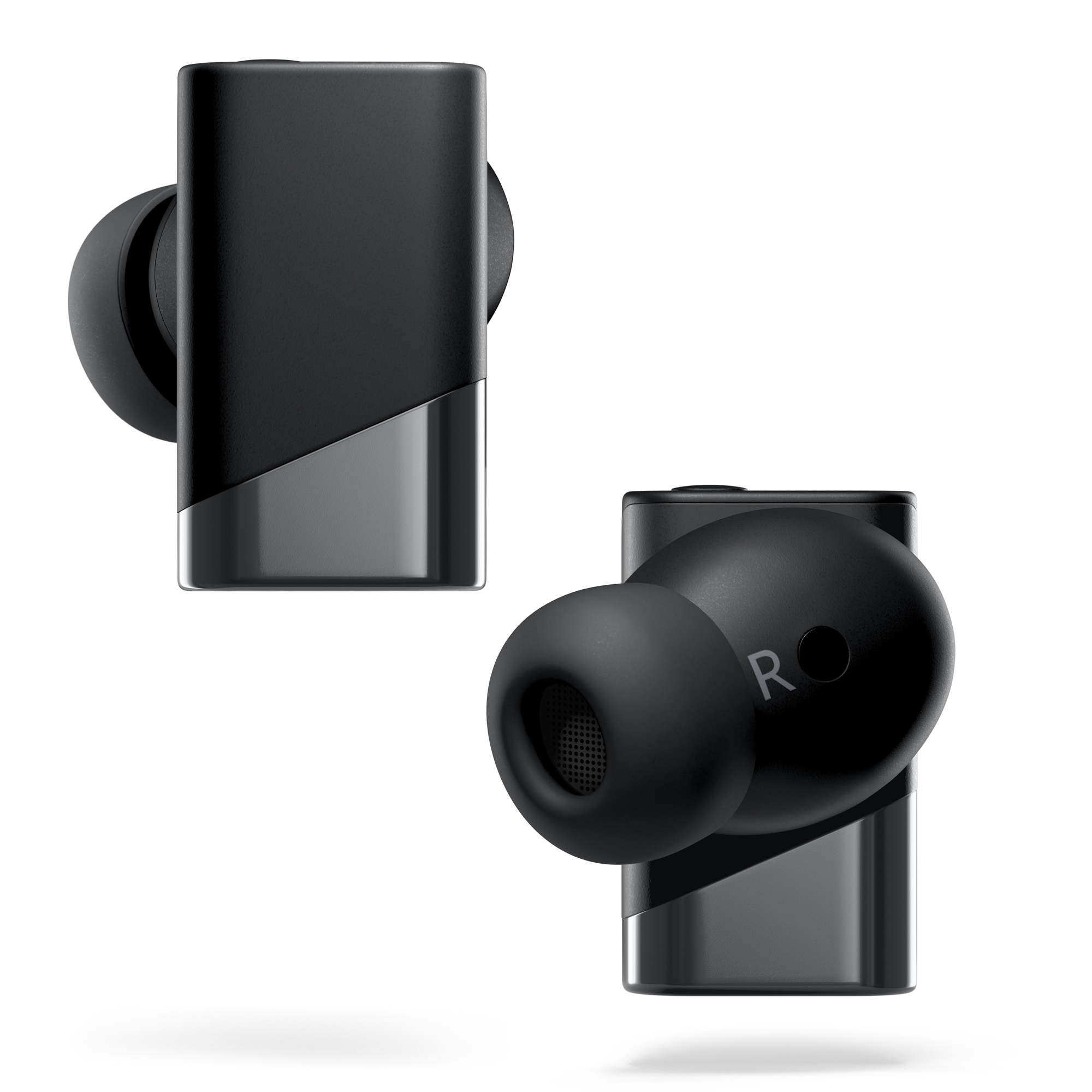
Their flagship product, the Status Audio Pro X Wireless Earbuds, doesn’t attempt to beat Apple at ecosystem integration or Sony at software features. Instead, it focuses on something that has quietly faded from much of the wireless earbud conversation — driver architecture.
Most wireless earbuds rely on a single driver to reproduce the entire frequency spectrum. Bass, mids, and highs all come from the same tiny speaker.
The Pro X takes a different approach.
Inside the earbud is a triple-driver system — one dynamic driver paired with two balanced armature drivers. In traditional audio engineering, that design allows different components to handle different parts of the frequency spectrum.
The dynamic driver produces the low-frequency bass.
Balanced armature drivers reproduce midrange detail and high frequencies.
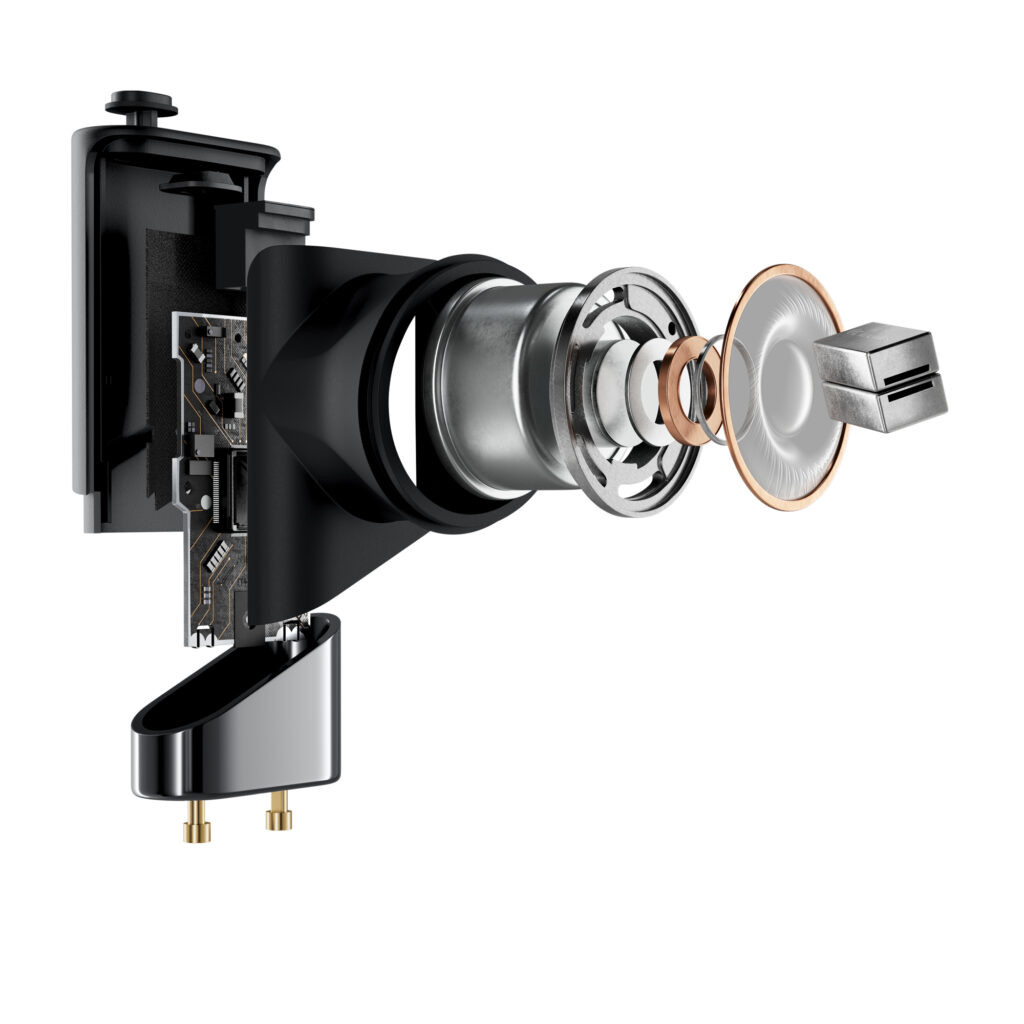
The result is greater separation between instruments and voices — a design philosophy borrowed from professional in-ear monitors used by musicians on stage.
In other words, the architecture prioritizes sound fidelity.
This may seem like a small technical detail, but it reveals the strategy.
Status isn’t trying to build a lifestyle accessory.
It’s trying to build a listening device.
In a market where many earbuds are optimized for convenience — voice assistants, seamless device switching, spatial audio, and software-driven features — the Pro X leans toward a different promise: music first.
That positioning places the company in an unusual lane.
Apple dominates because its AirPods integrate perfectly with the iPhone ecosystem.
Sony leads the category in active noise cancellation and audio processing.
Bose owns the frequent-traveler market with comfort and long-haul listening.
Status is attempting something quieter.
It’s betting that inside a market shaped by software and ecosystems, there are still listeners who care about something simpler.
How the music actually sounds.
The strategy echoes a familiar pattern in audio history.
In the 1980s and 1990s, boutique speaker companies built reputations not by competing with electronics giants on marketing budgets or retail reach, but by focusing on engineering purity. Brands like Bowers & Wilkins and KEF earned loyal followings by doing one thing exceptionally well: reproducing sound accurately.
Status appears to be attempting a similar maneuver in the wireless era.
The Pro X still includes the features expected in modern earbuds — Bluetooth multipoint connectivity, active noise cancellation, and support for high-resolution wireless audio codecs.
But those capabilities feel less like the headline and more like the baseline.
The real message is the hardware itself.
Three drivers.
Separated frequencies.
Sound as the center of the design.
Whether that strategy ultimately disrupts the market remains uncertain. Competing against companies like Apple and Sony is less about product quality than it is about distribution power and ecosystem gravity.
But the existence of products like the Pro X reveals something interesting about the current moment in consumer technology.
Even inside markets dominated by trillion-dollar platforms, there is still space for smaller companies to compete — if they choose a lane the giants are not optimizing for.
Apple optimizes for ecosystem.
Sony optimizes for signal processing.
Bose optimizes for comfort and travel.
Status is betting that somewhere inside all of that noise, there are still listeners who care about the fundamentals.
Most wireless earbuds are software products disguised as headphones.
Related Posts

ASUS Expands Zenbook Lineup with Stunning AI-Powered Laptops Now Available at Best Buy
The Zenbook A14 now available in the elegant Zabriskie Beige.

Logitech G515: Cutting-Edge Low-Profile Keyboard for Elite Gaming Performance
Logitech G515: Cutting-Edge Low-Profile Keyboard for Elite Gaming Perf

PowerA Unveils New OVERPOWERED Series: Next-Level Wireless PC Gaming Controllers
Experience Next-Level Gaming with PowerA's OVERPOWERED Wireless Contro

Bose Refreshes Ultra Open Earbuds with Four Vibrant Spring Colors
A Stylish Take on Wearable Audio with New Seasonal Hues.

Celine and Master & Dynamic Unveil Opulent Headphones, Elevating the Auditory Experience
Celine and Master & Dynamic collaborate

POST COMMENT