

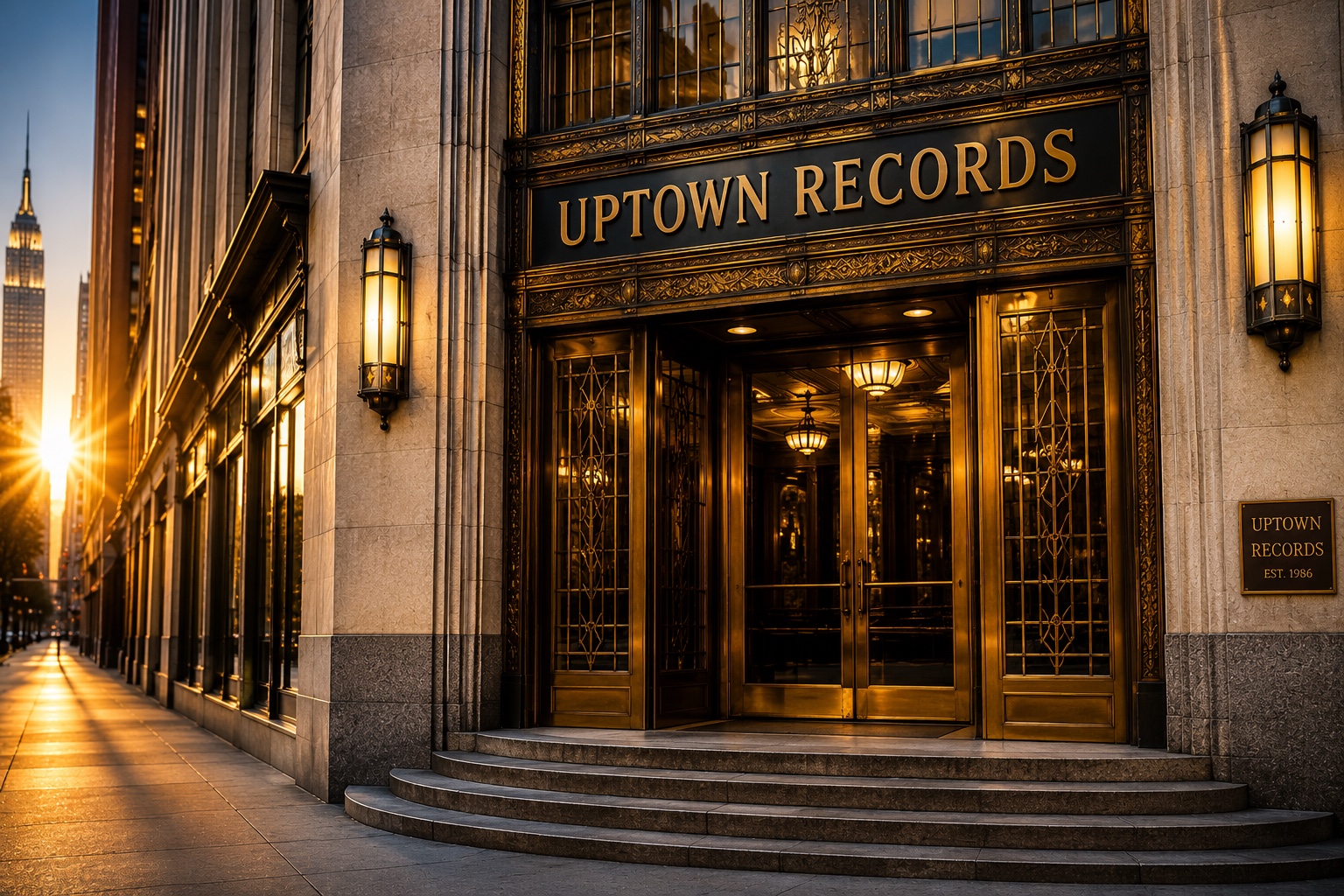
The Revival of Uptown Records Signals a Return to Cultural Institution Building

By DaMarko GianCarlo
The revival of Uptown Records is not simply a music industry story.
It is a story about what happens when culture begins searching for institutions again.
For much of the last decade, the entertainment business has been shaped by platforms. Distribution became easier. Discovery became faster. Algorithms became powerful. Artists gained direct access to audiences in ways previous generations could only imagine.
The system became incredibly efficient at delivering content.
It became less effective at creating worlds.
That distinction helps explain why the return of Uptown feels significant.
When Andre Harrell founded Uptown Records, he was not merely building a label. He was building an institution. The music mattered, but it was only one component of a much larger vision. Uptown connected music, fashion, business, ambition, lifestyle, and identity into a single cultural ecosystem.
Artists were not simply releasing records.
They were entering a world.
That world was aspirational.
The Uptown vision wasn’t built around excess. It was built around arrival. Executive offices. Gold and platinum plaques. Tailored clothing. Champagne celebrations. Manhattan ambition. Professional excellence. Success that felt attainable but elevated.
The label gave audiences something bigger than entertainment.
It gave them a picture of who they could become.
That may have been Andre Harrell’s greatest contribution.
He understood that culture is often driven by aspiration. People are drawn not only to songs, films, athletes, or brands. They are drawn to the lifestyles those things represent. The most influential cultural institutions do not simply produce content. They produce meaning around that content.
Uptown did exactly that.
The records opened the door.
The lifestyle kept people inside.
Today, the music industry has more content than ever before. Millions of songs are available instantly. Discovery happens at unprecedented speed. Yet cultural fragmentation remains one of the defining characteristics of the modern media landscape.
Platforms distribute attention.
Institutions organize it.
That difference is becoming increasingly valuable.
The decision to revive Uptown suggests that legacy, identity, and cultural architecture still matter. In a world dominated by feeds and algorithms, institutions provide context. They create continuity. They establish values. They give people something larger than a moment to believe in.
The challenge facing the new Uptown will not be whether it can generate streams.
The challenge will be whether it can once again create a world.
Because the original success of Uptown was never measured solely by chart positions.
It was measured by influence.
The plaques represented achievement.
The boardroom represented leadership.
The champagne represented aspiration.
Together they formed a cultural blueprint that extended far beyond music.
That blueprint remains relevant because the need it addressed never disappeared.
People still want to belong to something.
They still want symbols of possibility.
They still want institutions capable of transforming success into culture.
The revival of Uptown Records is not simply the return of a label.
It is a reminder that while platforms may distribute culture, institutions are often the forces that shape it.
Related Posts
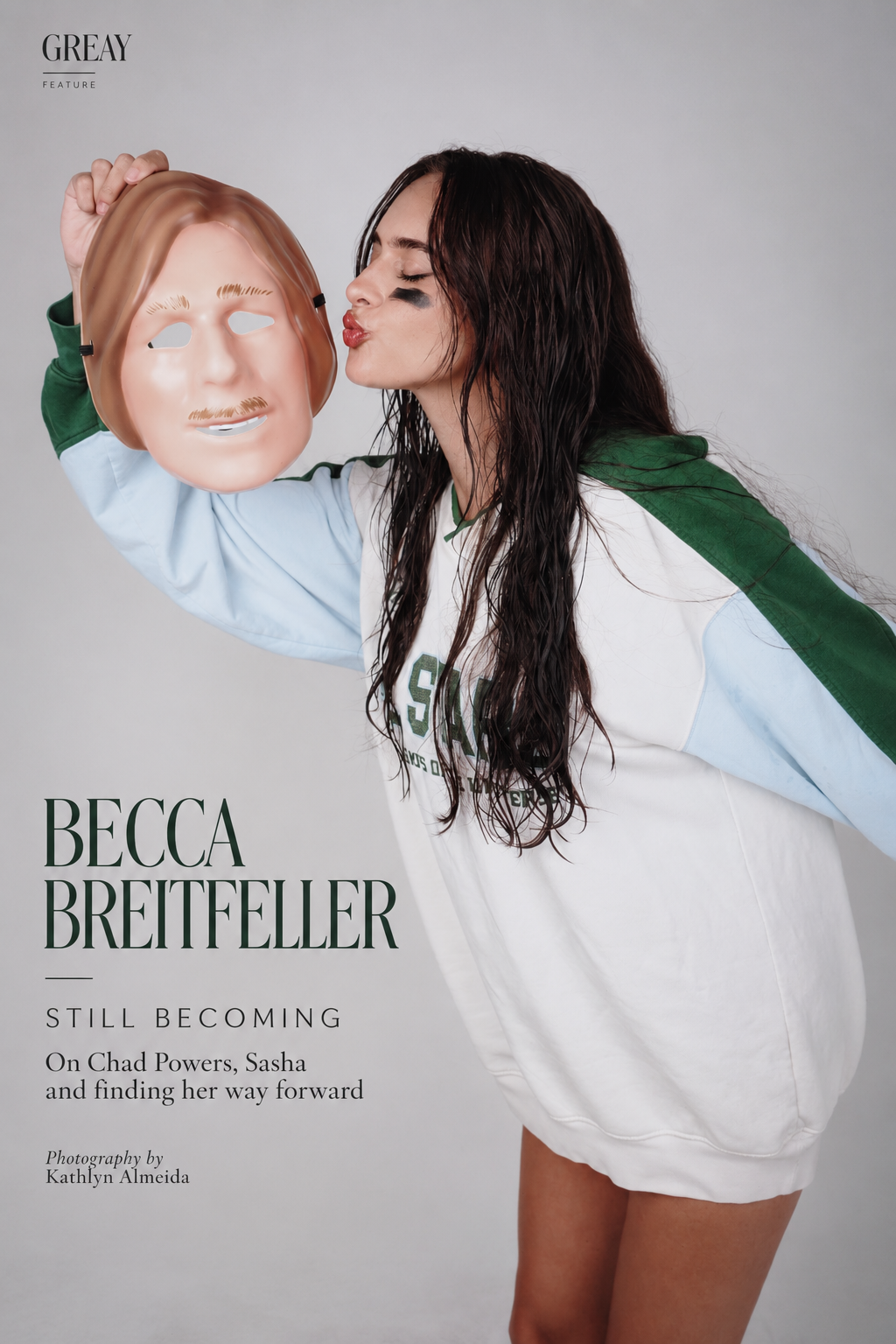
Becca Breitfeller Is Learning to Trust Where Acting Takes Her
By Kyra Greene There is a particular kind of uncertainty that comes wi
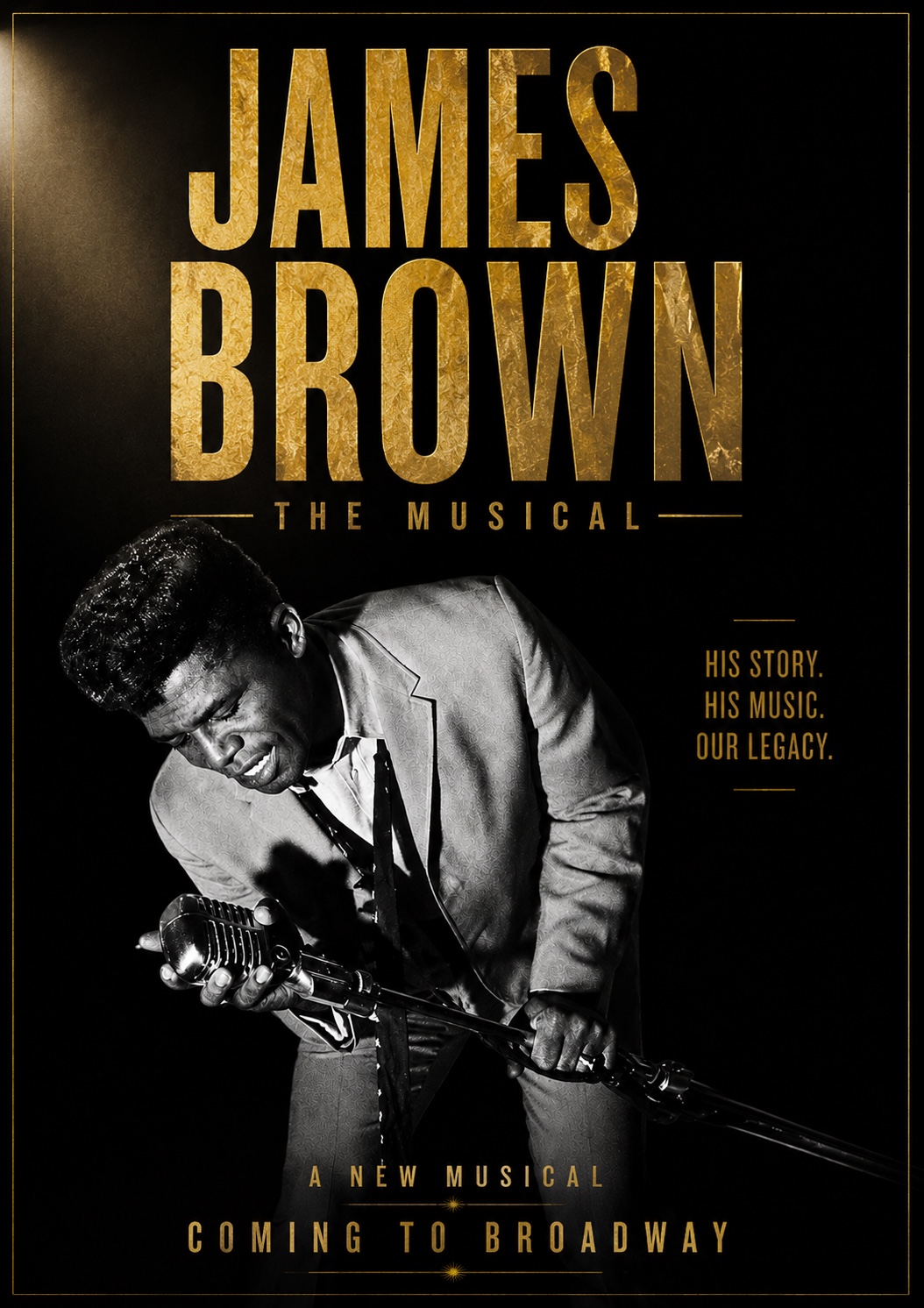
Broadway Is Becoming the Stage Where Music Legends Live On—and James Brown Is Next
When an Artist's Story Becomes Cultural History

From Yakuza Princess to Assassin’s Creed: MASUMI is the Moment
The Voice Between Worlds
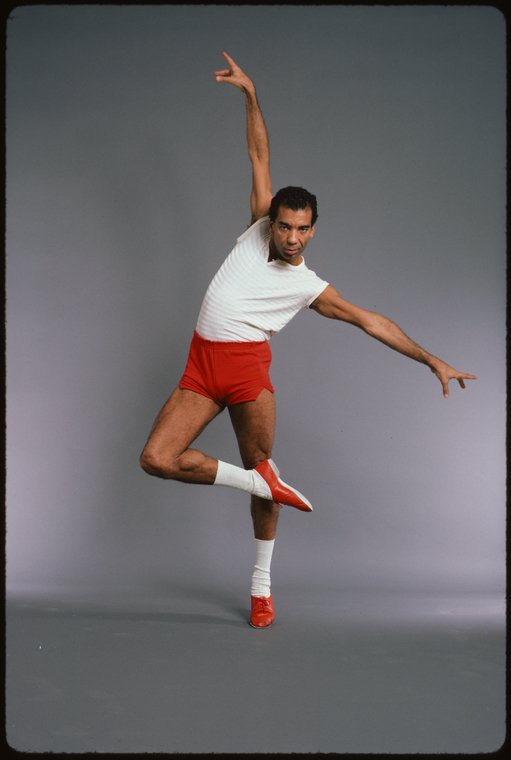
Michael Peters: A Choreographic Maestro’s Dynamic Journey through Music, Film, and Television
Michael Peters, a name synonymous with dance innovation and choreograp
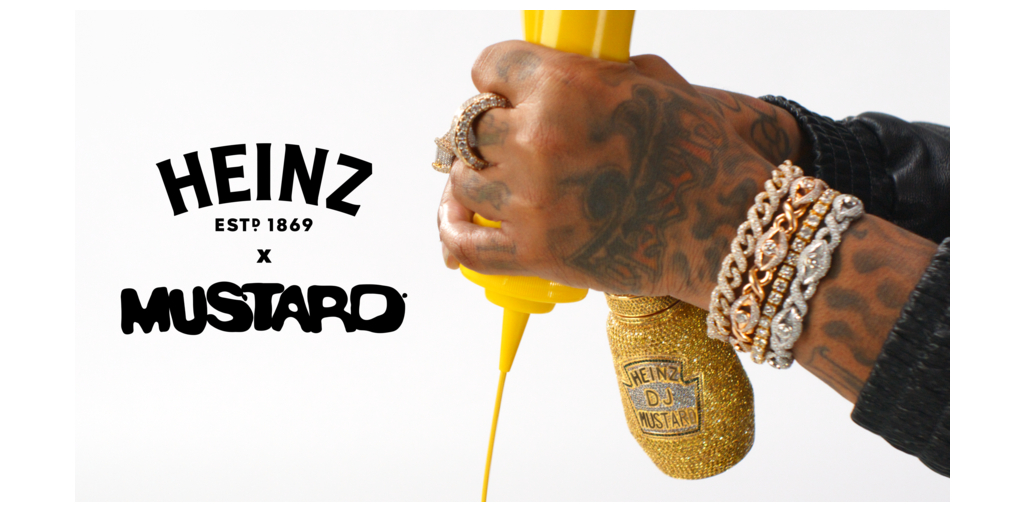
MUSTAAAAAAAAAARRRD Meets Mustard: The Culture-Mixing Collab We Never Knew We Needed
Hip-hop’s hottest producer meets America’s favorite condiment.
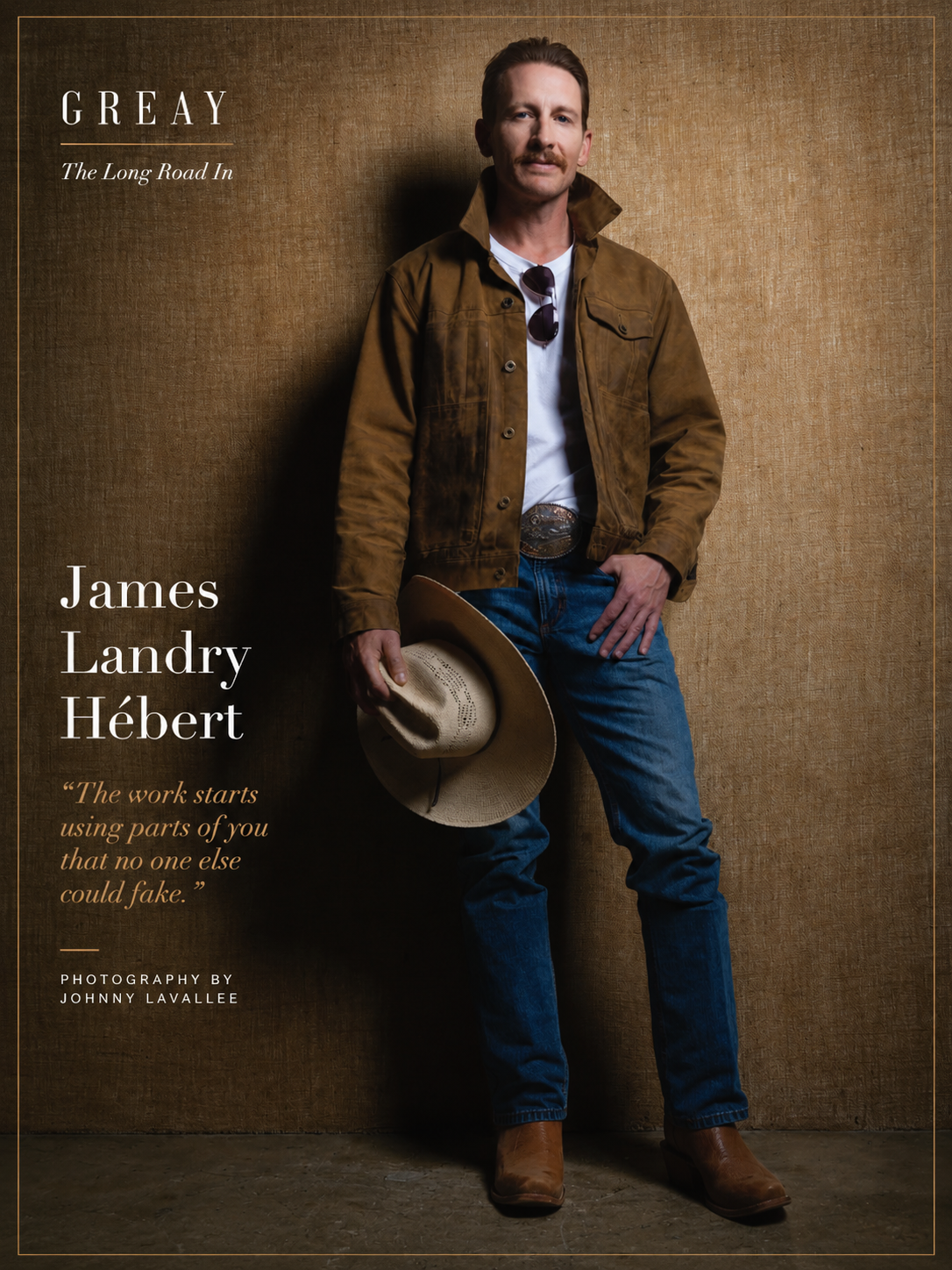
James Landry Hébert Has Learned the Value of Staying strong
A conversation about work, worlds, and what lasts