


The Oscars Go Digital: YouTube Set to Present Hollywood’s Biggest Night Beginning in 2029
By DaMarko Webster
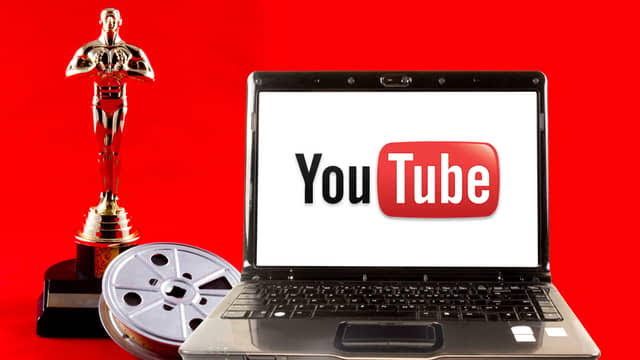
In a move that signals a defining shift for both Hollywood and the future of live television, the Academy Awards will officially transition to YouTube beginning in 2029, ending a decades-long run on traditional broadcast television. After airing on ABC through the historic 100th Oscars ceremony in 2028, the film industry’s most prestigious night will enter a new era as a streaming-first global event, reflecting how audiences now engage with culture in real time.
Starting with the 101st Academy Awards, YouTube will serve as the exclusive worldwide home of the Oscars, streaming the ceremony live and free to viewers across the globe. The deal between YouTube and the Academy of Motion Picture Arts and Sciences spans five years, running from 2029 through 2033, positioning the platform as the central hub for not only the awards show itself, but also the surrounding ecosystem that defines Oscar night. That includes red carpet coverage, backstage access, post-show celebrations, and expanded digital programming designed to bring fans closer to the filmmakers, performers, and craftspeople being honored.
For generations, the Oscars have been synonymous with network television, existing as one of the last true appointment-viewing events in an increasingly on-demand media landscape. But as viewership habits continue to evolve — particularly among younger, international audiences — the Academy’s decision reflects a broader industry reckoning with how prestige events remain culturally relevant. YouTube’s scale and global accessibility offer the Oscars an opportunity to reach audiences far beyond the limits of traditional broadcast schedules or regional availability.
The move also redefines what a live awards show can be in the streaming era. Rather than being confined to a single linear broadcast, the Oscars’ presence on YouTube opens the door to multi-screen experiences, real-time audience interaction, expanded storytelling, and year-round engagement. From nominations announcements to behind-the-scenes filmmaking content, the ceremony becomes less of a once-a-year spectacle and more of an ongoing cultural conversation.
Financial terms of the agreement have not been publicly disclosed, but the implications are clear. This is not simply a platform change — it’s a recalibration of power between legacy television and digital media. As streaming platforms increasingly host sports, concerts, and major live events, the Oscars’ move may set a precedent for how other cultural institutions adapt in order to survive and thrive.
When the lights go up on Oscar night in 2029, the red carpet will still shine, the envelopes will still open, and the gold statuettes will still carry the same weight they always have. What will be different is where the world is watching — not from a single channel, but from a global platform built for the next generation of viewers. In the YouTube era, Hollywood’s biggest night is no longer just broadcast. It’s streamed, shared, and reimagined.
Related Posts

Celine and Master & Dynamic Unveil Opulent Headphones, Elevating the Auditory Experience
Celine and Master & Dynamic collaborate
Mercedes-Benz Pioneers Automated Driving with Groundbreaking Exterior Marker turquoise-colored Lights Approval
Mercedes-Benz has emerged as the trailblazer in the automotive industr
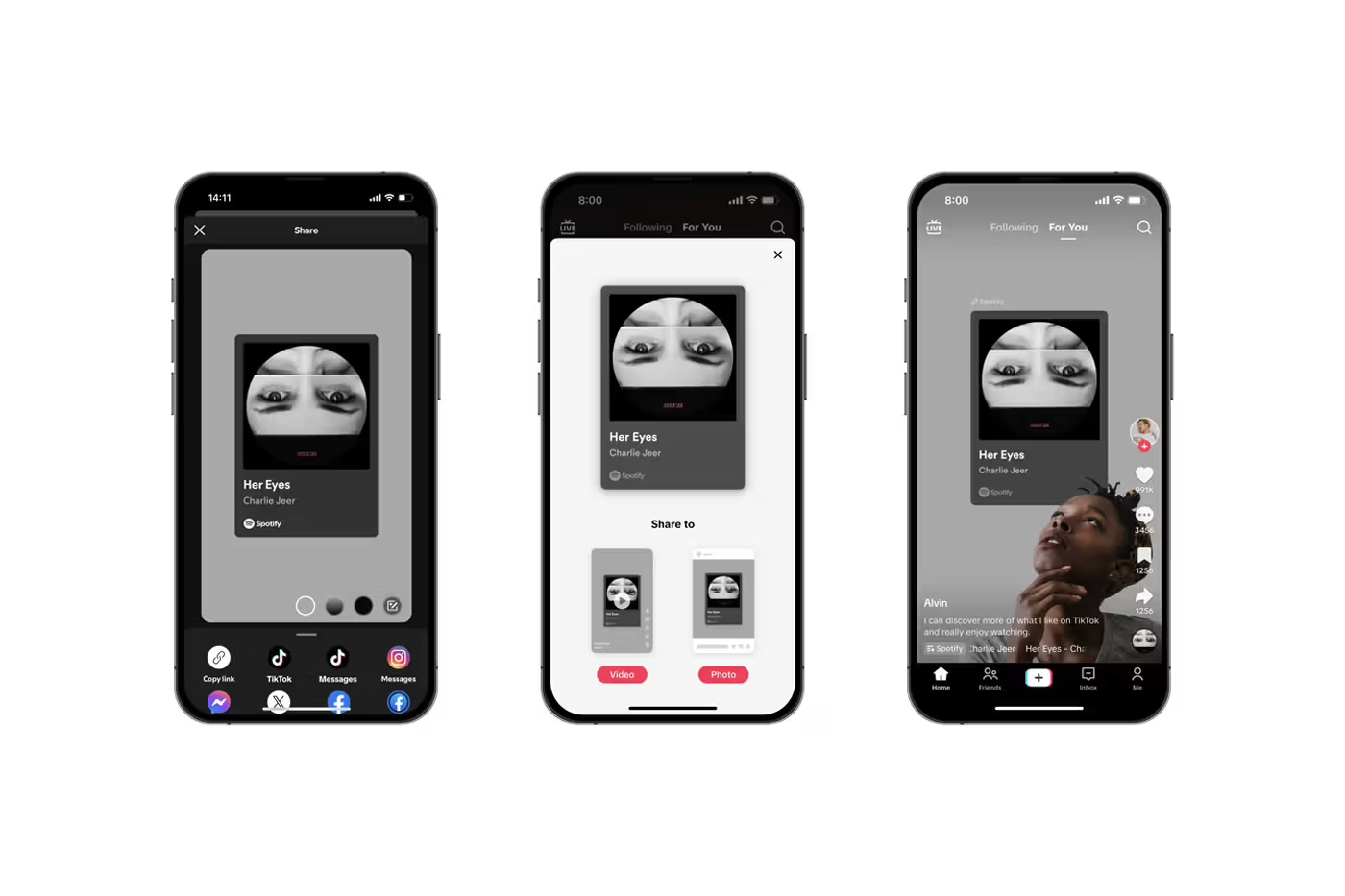
TikTok Expands Audio Sharing: New ‘Share to TikTok’ Feature Brings Music, Podcasts, and Audiobooks to the Platform
TikTok’s New Feature Lets You Share Music From Spotify and Apple Mus

Compact, Capable, and Netflix-Ready: Meet the Dangbei N2 Mini
Streamlined Cinema
Playboi Carti Enters the Fortnite Multiverse as the Game’s First-Ever Music Blitz Boss
From Stage to Battle Royale

Fueling Life Science Innovation: University Lab Partners Secures $2M for Accelerating Scalable Ventures
by Genesis Graves University Lab Partners (ULP), a leading nonprofit w