

The Industry Changed : Robert Ri’chard Remained
By Kyra Greene
Television networks like to imagine they create permanence. Entire eras are built around that belief—logos, programming blocks, and carefully engineered lineups of stars meant to define a generation of viewers. But television history has a habit of dismantling that illusion. Networks disappear. Schedules dissolve. Entire creative ecosystems fade into the archives. What remains are the people who carried those eras in the first place.
Robert Ri’chard is one of those people.
For audiences who grew up in the late 1990s and early 2000s, Ri’chard became a familiar presence during a moment when youth television was expanding in both scope and cultural perspective. His early breakout on Cousin Skeeter introduced him to a national audience, but it was his role as Arnaz Ballard on One on One that firmly placed him inside one of the most distinctive programming ecosystems American television has produced.
That ecosystem was United Paramount Network, better known as UPN.
In the late 1990s and early 2000s, UPN quietly built a programming environment that allowed a generation of Black television storytelling to flourish. Series such as Moesha, Girlfriends, The Parkers, and One on One became more than just weekly entertainment. They were cultural touchpoints—spaces where young actors could grow in front of audiences who recognized pieces of their own lives reflected in those characters.
For the performers working within that system, UPN functioned less like a network and more like an ecosystem. Casting relationships, writers’ rooms, development pipelines, and audiences formed together inside that environment. Careers were not simply launched there—they were nurtured.
And then, almost overnight, the ecosystem disappeared.
In 2006, UPN merged with The WB Television Network, forming The CW Television Network. From a corporate perspective, the merger was a routine restructuring. From a creative perspective, it marked the quiet end of one of television’s most culturally specific pipelines.
When institutions collapse, they rarely collapse alone. They take with them the infrastructure that allowed certain artists to exist within them—development deals, casting networks, audience familiarity, and the subtle professional relationships that sustain careers.
Some actors fade with those systems.
Others keep moving.
Ri’chard belongs to the latter group.
Even early in his career, he carried a naturalism on screen that separated him from the heightened rhythms of sitcom performance. There was an ease to his presence—an instinctive sincerity that made characters feel less like television constructs and more like people viewers might actually know. That quality translated easily beyond the world of sitcoms. His performance in Coach Carter, the Samuel L. Jackson–led drama exploring mentorship, discipline, and responsibility, revealed another dimension of his craft: restraint, emotional patience, and a grounded realism that could move comfortably between genres.
That adaptability would become one of the defining qualities of his career.

Over the years that followed the disappearance of UPN, Ri’chard continued working steadily across television and film. Appearances on series such as Empire and The Vampire Diaries demonstrated his ability to move fluidly through an industry that was itself undergoing dramatic transformation. Broadcast television was slowly giving way to streaming platforms, and the traditional development systems that once defined Hollywood were evolving into something far more fragmented.
Part of what allowed Ri’chard to endure through multiple eras of television may be the simplicity of his relationship to the craft itself. “I’m just in it for the love,” he has said—a perspective that feels increasingly rare in an industry often consumed by visibility over longevity.
In recent years, Ri’chard has continued appearing in films distributed through platforms like Tubi and productions associated with BET. These projects represent a newer chapter of the industry—one where digital platforms and targeted audiences have opened additional pathways for filmmakers and actors alike. For performers who built their careers during the broadcast era, these platforms are not simply alternatives; they are continuations of the work itself. Ri’chard’s presence within that space reflects something essential about longevity in Hollywood: the ability to evolve with the structures that deliver stories to audiences.
His career now spans several distinct eras of television history—the broadcast networks that shaped the late twentieth century, the transitional years that followed the collapse of UPN, and the streaming-driven ecosystem that defines the present day. Few actors move through those shifts while maintaining the authenticity that first connected them to audiences.
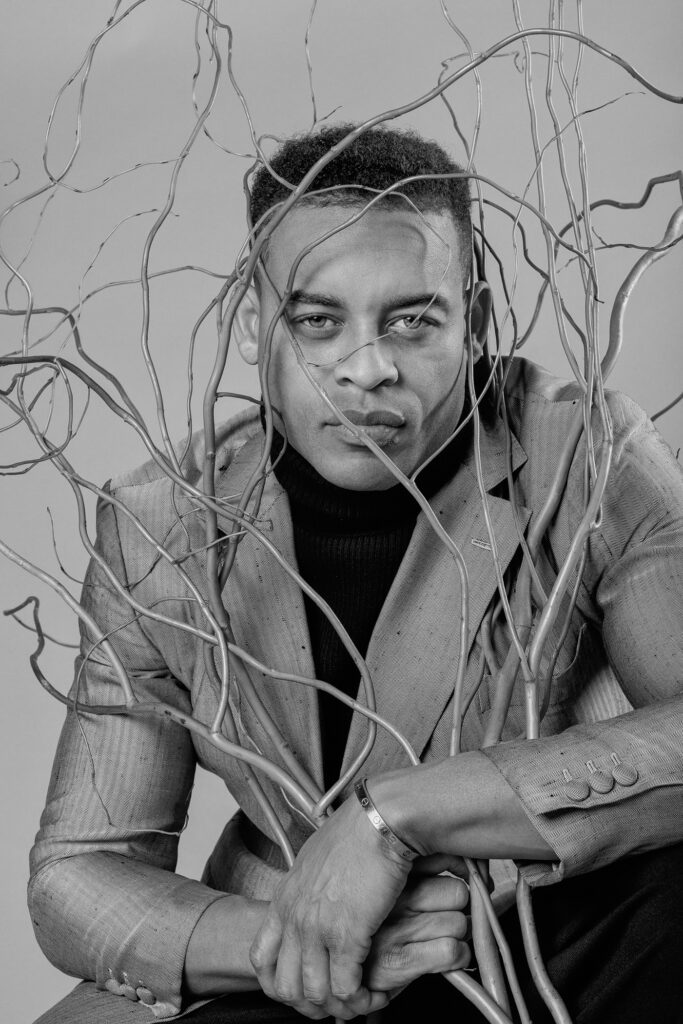
As Ri’chard himself noted in reflecting on the consistency of his career, “I’ve been in everyone’s household for the last 24 years.” The statement is not boastful so much as quietly factual. Across generations of television viewers, his presence has remained familiar even as the industry itself transformed around him.
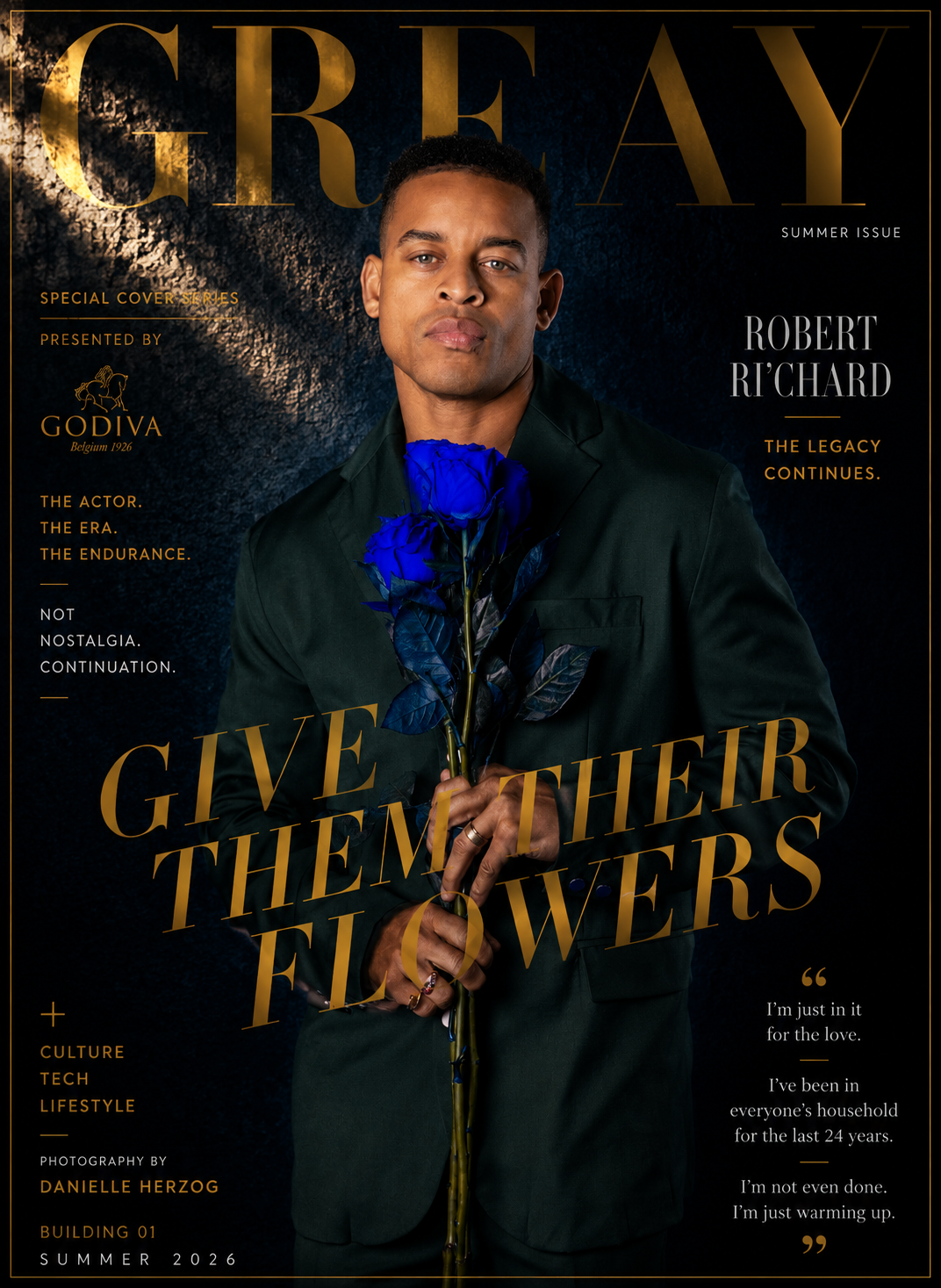
When Ri’chard stepped in front of the GREAY camera, it was not simply a portrait of an actor revisiting a past era—it was the image of a career that had continued moving forward long after the network that introduced him disappeared. The photograph captured something subtle but meaningful: not nostalgia, but continuation.
Television networks often imagine they create culture. History suggests something else entirely. Culture survives through the artists who remain after those networks disappear.
That truth extends beyond one actor.
When UPN closed its doors, it left behind an entire generation of performers who had to navigate a suddenly unfamiliar industry. Actors who had grown within that ecosystem—working with the same casting directors, writers, and audiences—found themselves rebuilding careers inside a landscape that had changed almost overnight. Some transitioned into film, others moved into cable dramas or independent projects, and many eventually found new opportunities in the streaming platforms that now dominate the industry.
Their paths were different, but the challenge was shared.
They had to continue without the system that first supported them.
Robert Ri’chard’s career stands as a quiet reminder of what that kind of resilience looks like. The network that helped introduce him to millions of viewers no longer exists. The industry that surrounded it has been reorganized several times over. Yet the actor remained—and kept working.
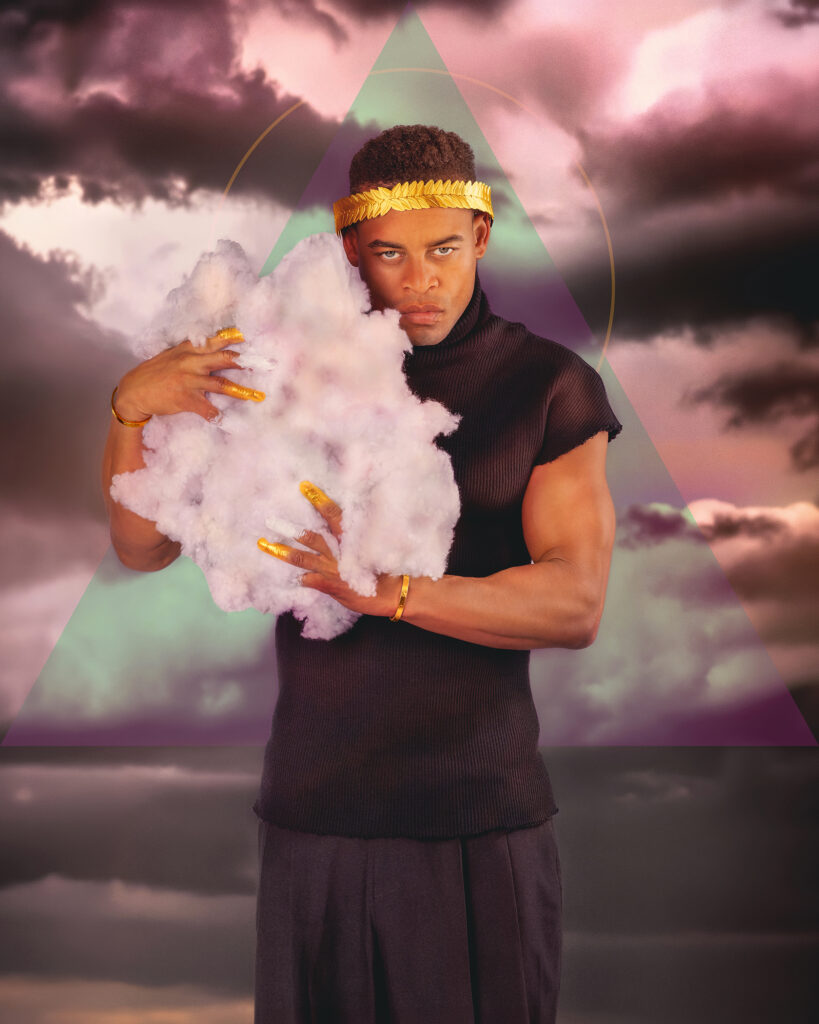
And perhaps that is why Ri’chard’s story still resonates. Not because audiences are searching for nostalgia, but because there is something deeply human about witnessing a career continue to evolve long after the structures surrounding it have changed. “I’m not even done,” Ri’chard has said. “I’m just warming up.”
Sometimes the truest measure of longevity in Hollywood is not how brightly a career begins, but how steadily it continues once the structures around it disappear.
Photography By Danielle Herzog @danielleherzogphoto
MUA Myrle Monge @myrlenmonge
Grooming Raining Stylez @rainingstylez
Wardrobe Stylist Rocio Vega @rociovega
Related Posts
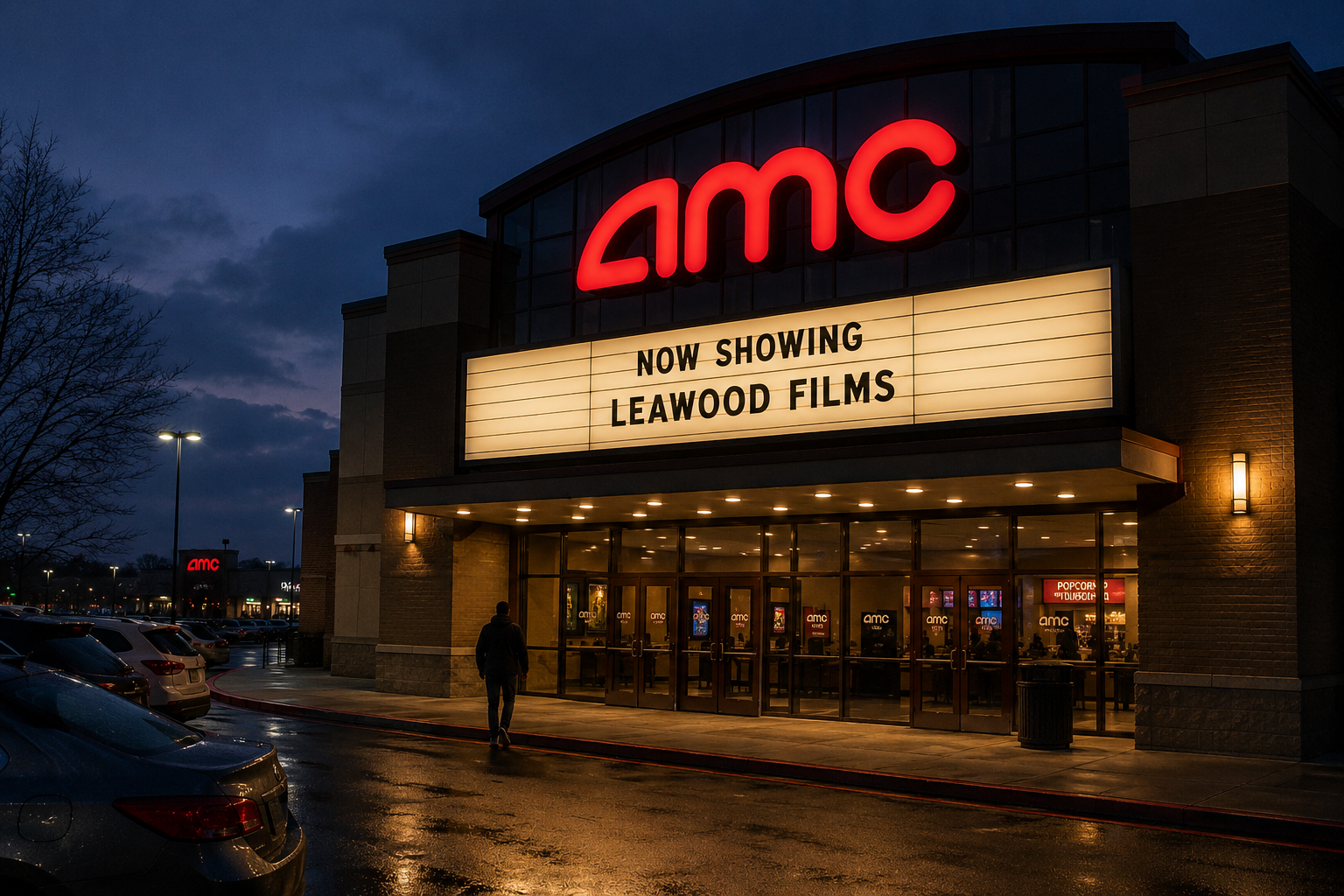
AMC’s Leawood Films Shows Why the Theater Chain Is Moving Into Distribution
The Theater Chain Is Moving Upstream

Julio Rodríguez and Christian Pulisic Team Up with Candace Parker on Muscle Milk’s Athlete Roster, Shine in “Strength for it All” Campaign
Muscle Milk is gearing up with an impactful marketing blitz

Eddie Murphy’s Old School Meets Keke Palmer’s Criminal Cool in “The Pickup”
One Night Stand, One Big Heist
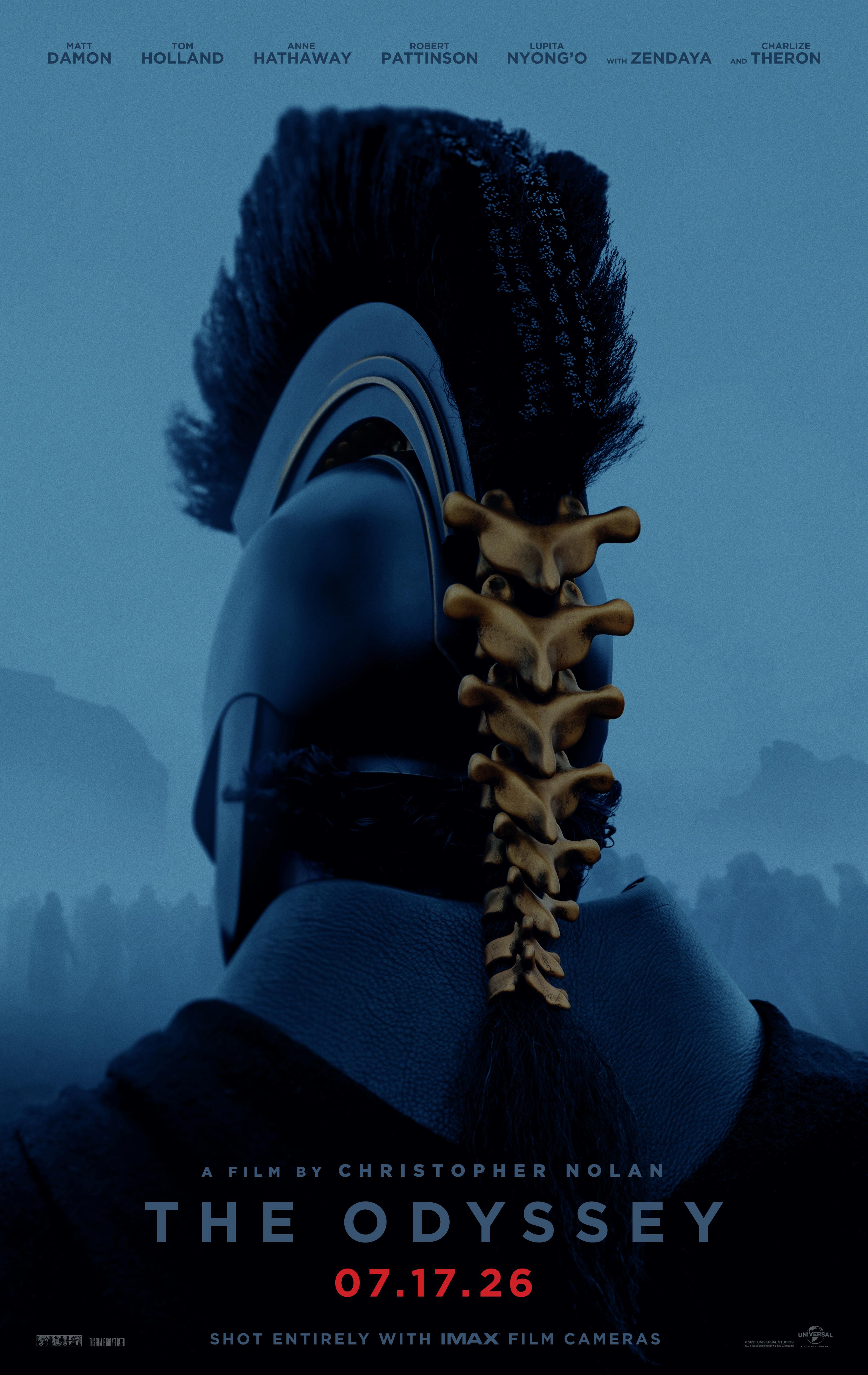
IMAX Tickets Are Selling Out—and The Odyssey Hasn’t Even Arrived Yet
Myth, Made Massive
Protecting Pochita: Ryan Colt Levy on Love, Loss, and Finding Home in Anime
Voice First, Spotlight Next
Marvel’s Tribute to Black History Month: Showcasing Captain America, Luke Cage, and Beyond
Power, Legacy, Resistance