


The Disappearance of the Studio
By DaMarko Webster
The most important technology doesn’t announce itself. It doesn’t arrive with spectacle or instruction manuals or a language that insists on being learned. It erases friction quietly, until behavior reorganizes around its absence and the old rules begin to feel unnecessary, even strange. By the time people notice the shift, it has already happened.
For most of modern media history, sound demanded permission. It required rooms designed for it, people assigned to guard it, and rituals that separated the act of speaking from the act of recording. Audio was technical before it was cultural. Conversations became performances the moment microphones appeared, and presence was often sacrificed in service of control. The studio was not just a place — it was a hierarchy.
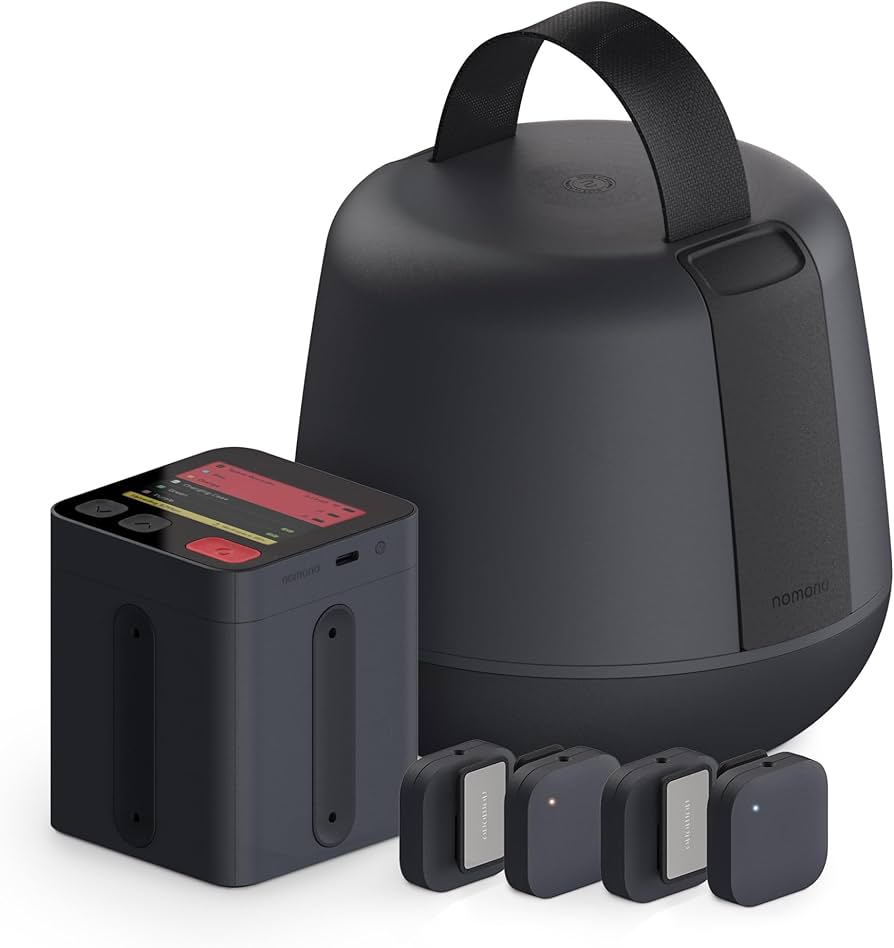
What’s changed is not the quality of recording. That problem was solved years ago. What’s changing is where authority lives when the act of capture no longer interrupts the act of being present. This is where systems like Nomono matter — not as products, but as signals.
Nomono isn’t impressive because it records sound. It’s impressive because it removes decisions.
No gain staging.
No mic anxiety.
No “sound person” hovering between participants and their own voices.
No post-production panic waiting at the end of a conversation like a tax.
This isn’t convenience. Convenience is cosmetic. This is power redistribution.
When decisions disappear, participation expands. When expertise is no longer a gate, authorship changes shape. Conversations stop orienting themselves around equipment and start orienting themselves around each other. The room becomes mobile. The interview becomes elastic. The difference between “on record” and “in life” begins to blur in a way that feels less invasive, more human.
This is how technology matures — not by adding features, but by subtracting friction until the behavior it supports becomes natural. Just as smartphones didn’t improve photography by making people better photographers, but by dissolving the distance between seeing and capturing, audio is now entering its ambient phase. Sound no longer needs to declare itself. It just exists where people already are.
There’s a reason this shift is happening now. Culture has moved decisively out of controlled environments. Journalism happens in motion. Storytelling unfolds in kitchens, cars, backstage hallways, sidewalks, green rooms. The rigid distinction between “studio” and “field” no longer matches how voices travel or how truth surfaces. Tools that still require ceremony feel out of step with reality.
What emerges instead is infrastructure that behaves more like a condition than a device. Something that doesn’t ask to be learned, doesn’t demand to be managed, and doesn’t reframe the room around itself. The technology recedes, and what remains is presence — unarmored, unperformative, intact.
This doesn’t make audio less professional. It makes professionalism less performative.
And that’s the quieter consequence of frictionless systems: they don’t just optimize workflows, they reassign legitimacy. When the barrier to capture is lowered without being cheapened, when quality no longer requires control, the center shifts. Who gets to document culture changes. Who feels entitled to speak changes. What feels worth preserving changes.
The future of audio won’t announce itself. It won’t arrive louder or more complex or more impressive on paper. It will arrive by disappearing — by removing friction until behavior reorganizes and the old rituals feel unnecessary.
By then, the studio won’t be a place, the recording won’t be an event, and the technology won’t feel like technology at all.
That’s not minimalism.
That’s migration.
Related Posts
Hi-Res Meets High Style: SteelSeries Introduces the Arctis Nova Elite
Gaming, Elevated

Graymatics Unveils Partnership Program for Smart Cities in Brazil
Graymatics, a globally recognized multimedia cognitive processing firm
1MORE Open Ear Wireless Headphones S70 The Ultimate Blend of Comfort and Sound
1MORE Open Ear Wireless S70 will revolutionize audio
From Bedroom to Boiler Room: The MX2 Makes Mixing Seamless
Precision, Style, and Sound

Step into the Future: Nike and EA SPORTS Join Forces in FC 25’s Futuristic Stadium Experience
Nike and EA SPORTS Team up to Create New Air Zoom Arena.
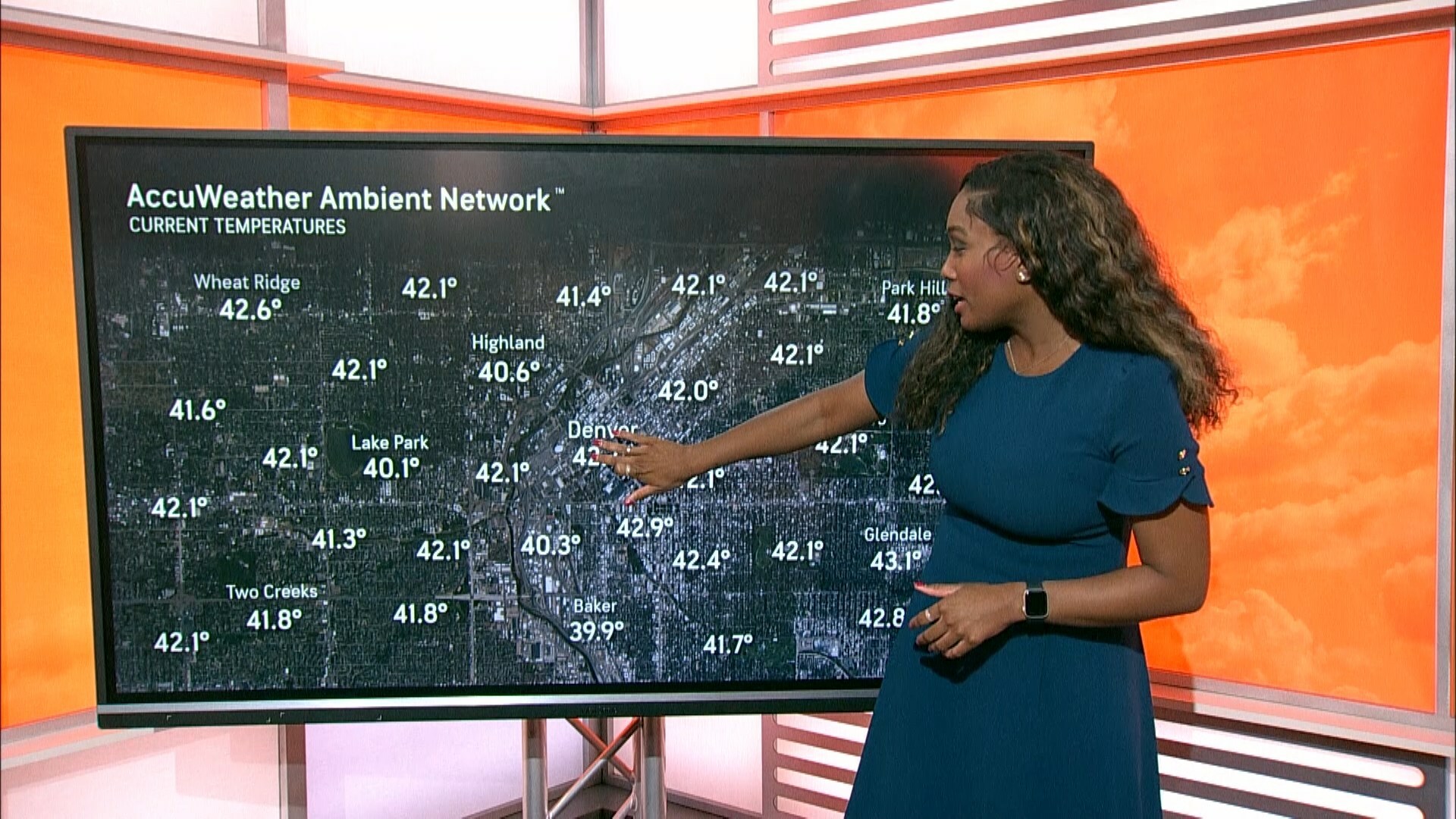
AccuWeather® Unveils Enhanced WeatherShow Enhancer™: Elevating Weather Presentations with Enhanced Motion, Interactivity, Rapid Severe Weather Updates, and Unmatched Hyperlocal Weather Data
AccuWeather® is introducing significant updates to its acclaimed inte