

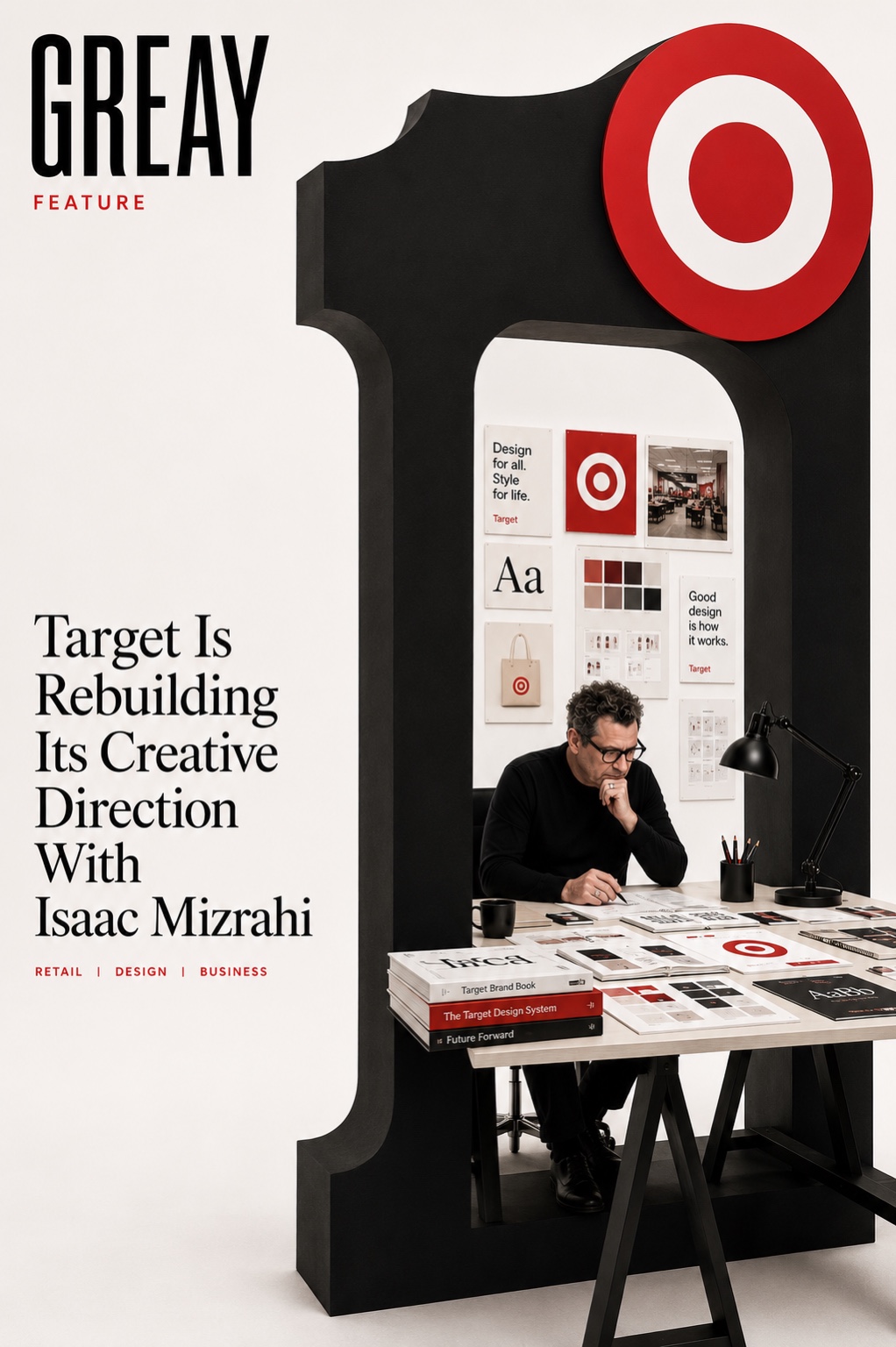
Target Is Rebuilding Its Creative Direction With Isaac Mizrahi
By Irving Jefferson
When Target announced Isaac Mizrahi as its first Creative Director at Large, the immediate reaction focused on the title. A designer was returning to the retailer that helped define a generation of accessible design. It was an important business story, but it was only part of the story.
Creative direction is often misunderstood because most people only see the final product.
They see the campaign.
They see the collection.
They see the advertisement.
What they rarely see is the way creative people move through the world.
A creative director’s job is not simply to approve designs. It is to recognize possibility. To notice connections. To discover ideas in places where most people would never think to look.
That process does not begin at a conference table.
It begins with curiosity.
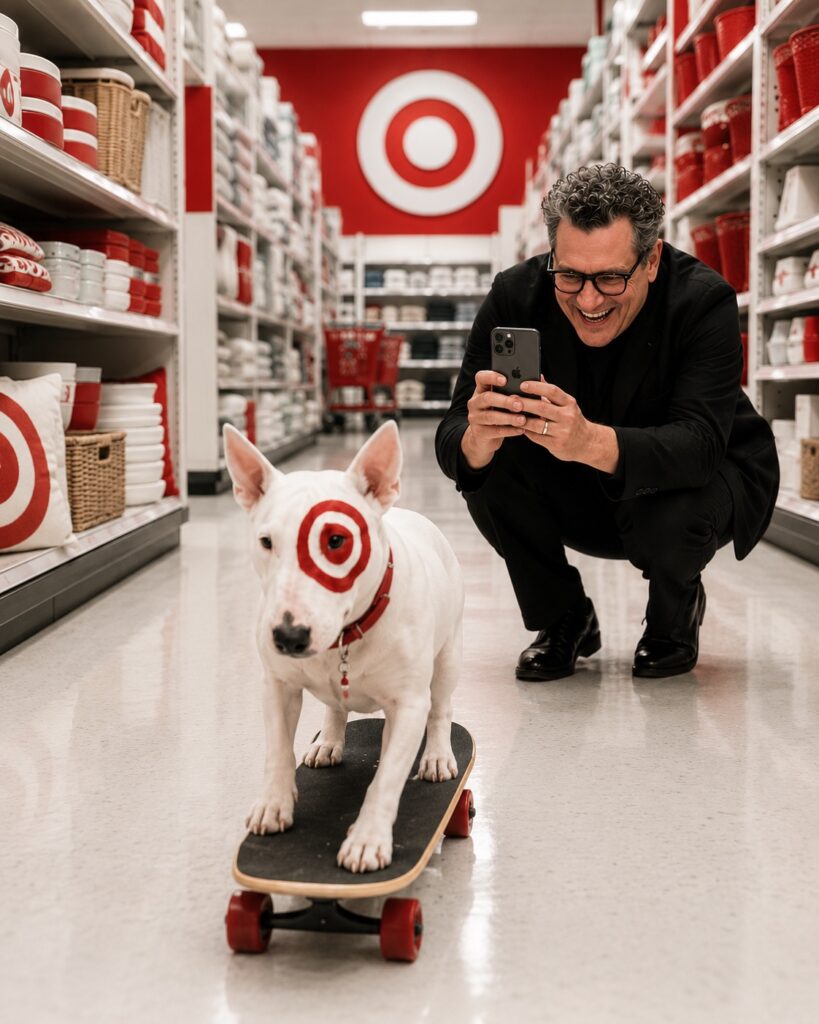
Imagine a dog riding a skateboard down a Target aisle.
Most shoppers would smile and continue walking.
A creative director might pull out a phone and start recording.
Not because the dog is selling anything.
Not because it is part of a campaign.
But because it is unexpected. Memorable. Human.
The moment contains energy.
It contains delight.
It contains a story.
Those observations matter because modern brands are built as much on feeling as they are on products. Consumers remember experiences. They remember moments that make them laugh. They remember things that feel surprising enough to share with someone else.
That instinct—the ability to recognize those moments—is often what separates creative leadership from creative execution.
The drafting table still matters.
Strategy matters.
Typography matters.
Packaging matters.
Brand systems matter.
Every successful organization requires structure. Ideas must eventually become campaigns, products, environments, and experiences.
But structure is only half of the equation.
The other half is imagination.
The ability to look at an ordinary retail aisle and see a stage.
The ability to see a phone not as a device but as a storytelling tool.
The ability to see a dog on a skateboard and recognize that joy itself can be a form of design.
That balance is what makes this appointment significant.
Target is not simply bringing back a designer. It is bringing back a perspective. One shaped by the belief that great design should be accessible, engaging, and woven into everyday life.
For decades, Target distinguished itself by making thoughtful design feel attainable. Today’s retail landscape is more crowded, more competitive, and more fragmented than ever. Products alone are rarely enough to create loyalty.
Identity creates loyalty.
Culture creates loyalty.
Creativity creates loyalty.
That is why the company’s decision to create a Creative Director at Large role feels larger than a leadership announcement. It signals that Target sees creative direction not as a department, but as a strategic asset.
The drafting table represents the work.
The skateboard represents the imagination.
A successful creative director needs both.
And as Isaac Mizrahi returns to help shape the future of Target, that may be the most important reminder of all:
The best creative ideas do not always begin with a plan.
Sometimes they begin with noticing something unexpected and understanding that everyone else will want to see it too.
Related Posts

Darwin Del Fabro on Presence, Vulnerability, and Living Fully in the Now
Not Reinvention, But Emergence

Jessie Prez Builds Through Process Not Performance
The Work That Doesn’t Announce Itself
WITHit Launches Tactical Strap Apple Watch Band: Style Meets Durability
WITHit Launches Tactical Strap

The Barrier to Production Is Falling: The Barrier to Taste Is Not
Attention matters more than production

Ralph Lauren’s Gee’s Bend Collaboration Shows How Heritage Brands Can Expand Their Cultural World Without Reinventing Their Identity
Expanding the American story through shared cultural authorship

The Waldorf Astoria Sale May Reveal How Investors Value Trophy Assets
Some assets are measured in decades, not square feet