

Spider-Man Is Becoming a Test Case for Whether ScreenX Can Become Cinema’s Next Premium Format
By Kyra Greene
For most audiences, the release of Spider-Man: Brand New Day will be another chapter in one of Hollywood’s most successful franchises.
For Sony, theater operators, and ScreenX, it may be something else entirely.
It may be a test.
The modern theatrical industry is no longer competing against other theaters. It is competing against convenience. Large televisions, streaming platforms, premium audio systems, and endless content libraries have fundamentally changed how audiences consume entertainment. The challenge facing cinemas is no longer access. It is differentiation.
The industry’s response has been the steady expansion of premium formats.
IMAX offered scale. Dolby Cinema emphasized image and sound quality. 4DX introduced motion and environmental effects. Each sought to answer the same question: what experience can theaters provide that audiences cannot easily recreate at home?
ScreenX is now attempting to join that conversation.
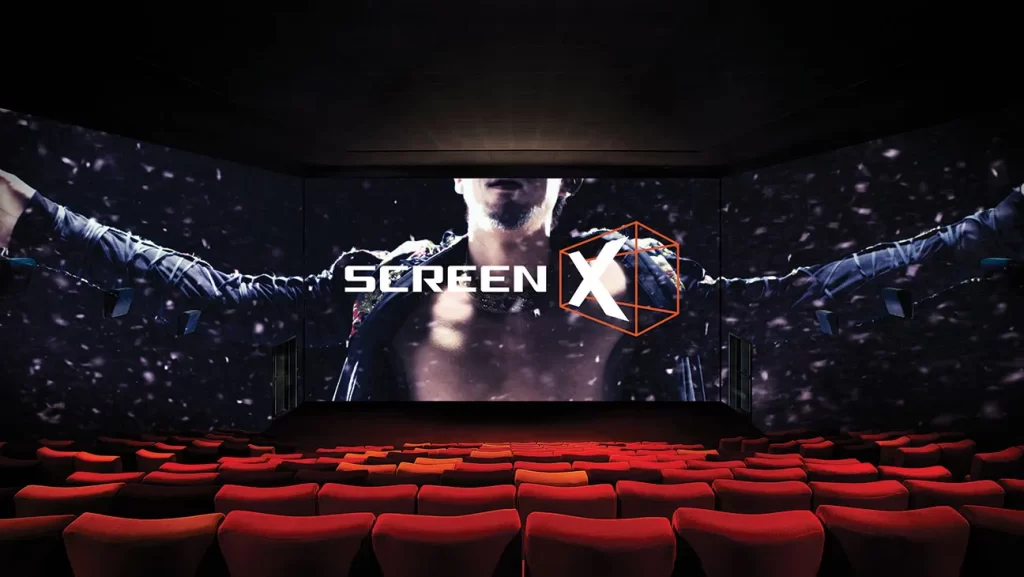
Unlike a traditional auditorium, ScreenX extends imagery beyond the center screen and onto the side walls of the theater, creating a 270-degree viewing environment designed to increase immersion. While the format has existed for years, it has remained a relatively niche offering compared to other premium theatrical experiences.
That is what makes Sony’s decision significant.
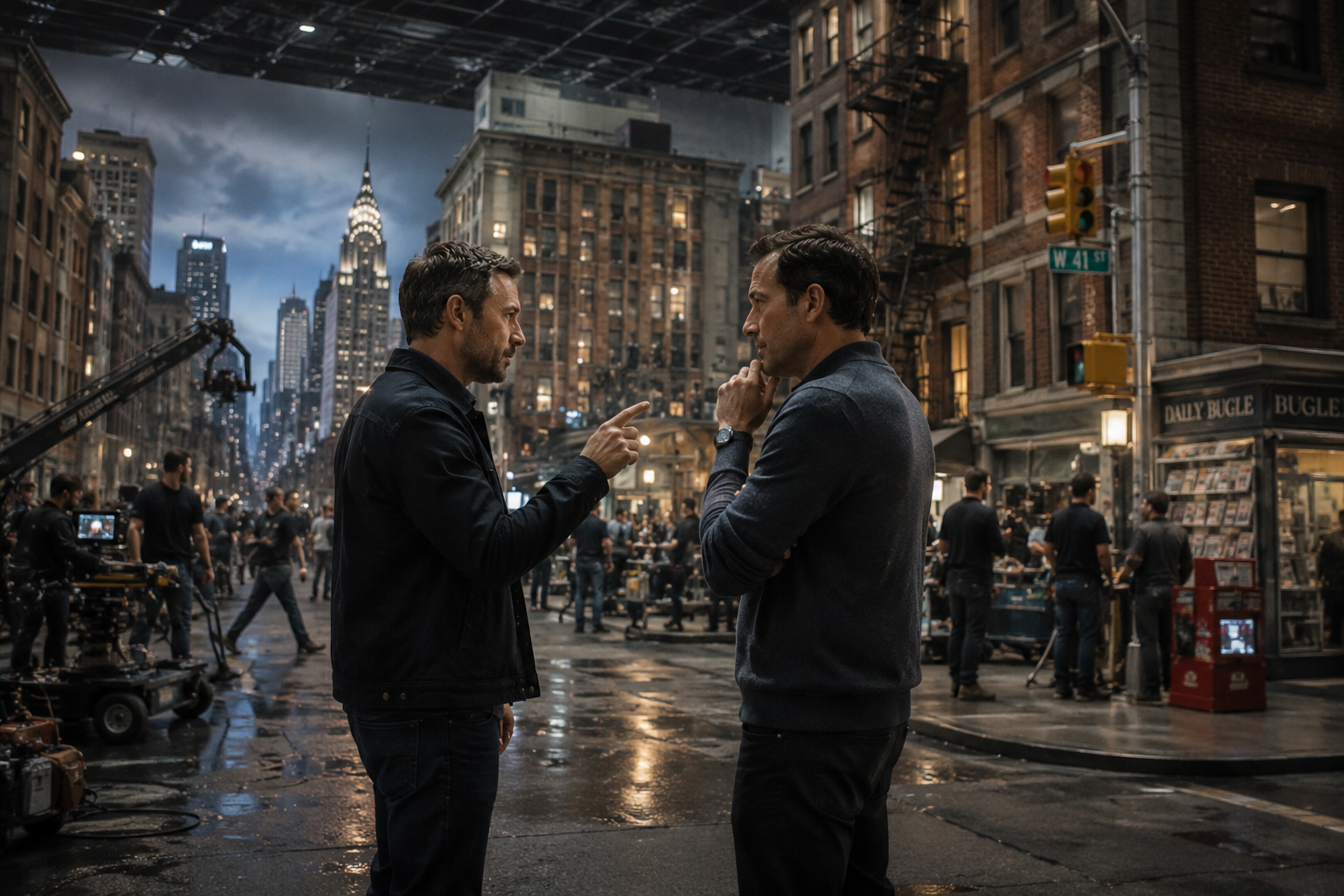
Rather than treating ScreenX as a post-production enhancement, Spider-Man: Brand New Day is being filmed specifically with the format in mind. The distinction may sound technical, but it signals something larger. Sony is not simply releasing a movie in ScreenX. It is helping test whether the format can evolve into a meaningful premium destination.
That question matters because ScreenX faces a challenge beyond technology.
Adoption.
The history of entertainment infrastructure is filled with technologies that worked but never achieved scale. Success is rarely determined by capability alone. It is determined by whether audiences, exhibitors, and content creators all agree that a new experience is worth supporting.
ScreenX requires more than audience interest. It requires physical investment.
Specialized projection systems must be installed. Auditoriums must be configured to support the experience. Theater operators must dedicate space and resources to a format that remains unfamiliar to many moviegoers.
In other words, the technology is not simply asking audiences to buy a ticket.
It is asking an entire ecosystem to participate.
That is where Spider-Man enters the equation.
Sony is not testing this strategy with an independent film or a modest franchise. It is deploying one of the most recognizable intellectual properties in the world. Spider-Man possesses something few entertainment brands can offer: the ability to influence consumer behavior at scale.
The real experiment is not whether audiences will see the movie.
They will.
The experiment is whether audiences will change how they see the movie.
Will they seek out a specific auditorium? Will they drive farther? Will they pay more? Will the ScreenX experience become part of the reason they purchase a ticket?
Those answers may determine the future of the format more than any technical specification ever could.
The limited availability of ScreenX only makes those questions more important. Unlike standard theatrical releases, the format is not available everywhere. Every ticket purchased, every sold-out screening, and every consumer willing to travel beyond their local theater becomes a measurable signal.
For Sony, the release represents an opportunity to test a new exhibition model.
For theater operators, it is an opportunity to evaluate whether premium experiences can continue driving audience demand.
For ScreenX, it may be the most important validation effort in the format’s history.
The movie itself is the attraction.
The larger story is whether one of Hollywood’s most valuable franchises can help transform a niche theatrical technology into a destination experience.
Because if audiences are willing to change their behavior for Spider-Man, the industry may discover that the future of premium cinema is not simply about showing movies differently.
It is about creating experiences audiences believe are worth seeking out.
Related Posts

Apple Arcade Levels Up with NBA 2K26 and Its All-New Eras Mode
Every Era, Every Legend

Monster Hunter Stories 3 Soars Onto Next-Gen in 2026 With Twin Rathalos and Political Intrigue
Riders, Royals, and Rathalos

Black Girls Code Unveils Nationwide “Build a Beat Challenge with Ciara” to Inspire Young Coders
Black Girls Code

ASUS Republic of Gamers (ROG) Unveils the ROG Ally X: Enhanced Handheld Gaming Console
ASUS (ROG) Unveils the ROG Ally X

Mic 3 Joins DJI’s OsmoAudio Ecosystem with Precision, Power, and Portability
Mic Check, Future Ready
Introducing Messages: Spotify’s New Way to Share What Moves You
From Playlists to Personal Notes