

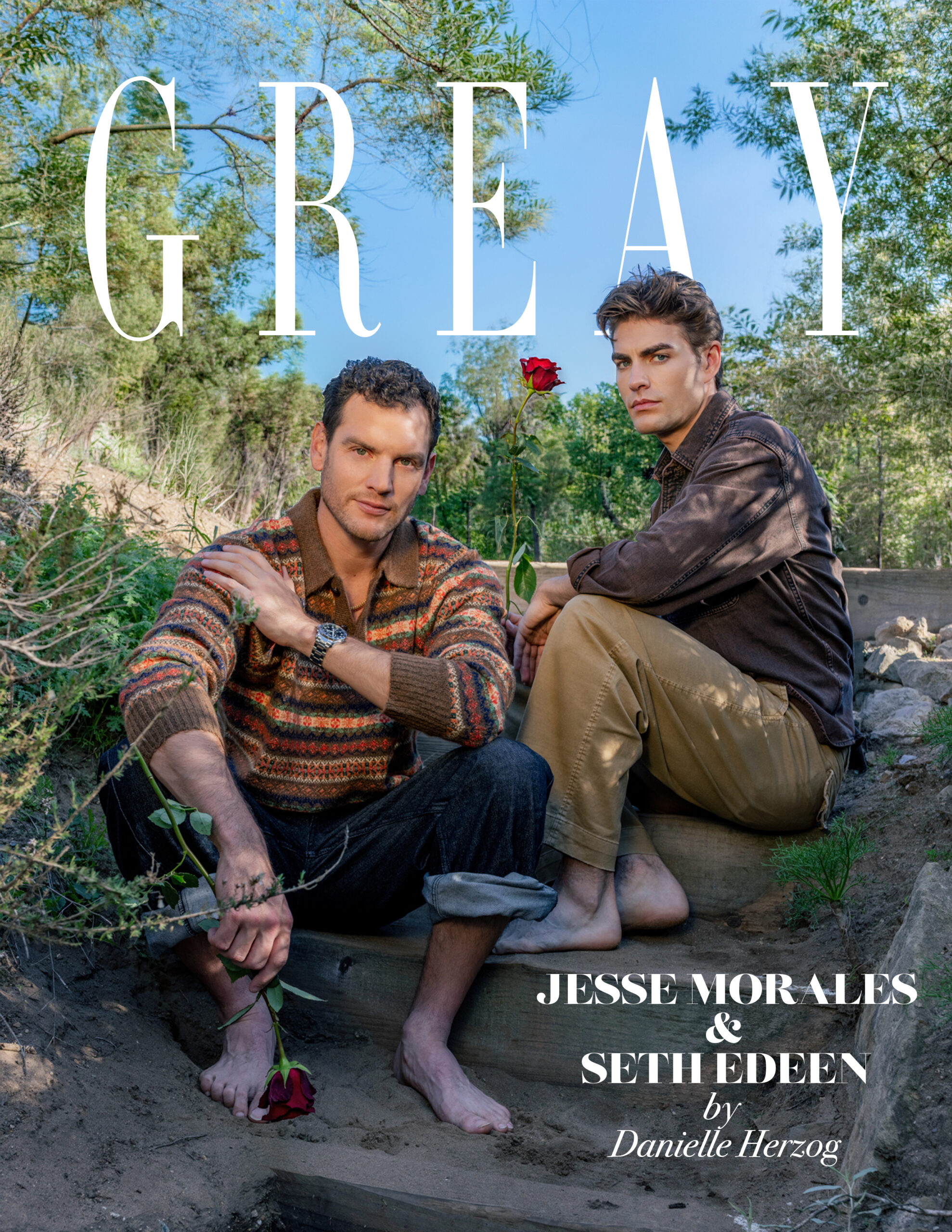
Seth Edeen and Jesse Morales at the Front of the Vertical Era

Words By Kyra Greene
Vertical storytelling does something strange to acting. It removes distance. It narrows the frame. It accelerates the pace. What remains—what’s tested—is truth.
For Seth Edeen and Jesse Morales, two actors whose faces have become familiar in the fast-moving world of vertical shorts, the medium isn’t a novelty or a shortcut. It is simply the space in which the work is happening right now. And like every space that comes before legitimacy, it demands more than it offers.
“At the end of the day, it’s still acting,” Edeen says. “The difference is raising the stakes tenfold.”
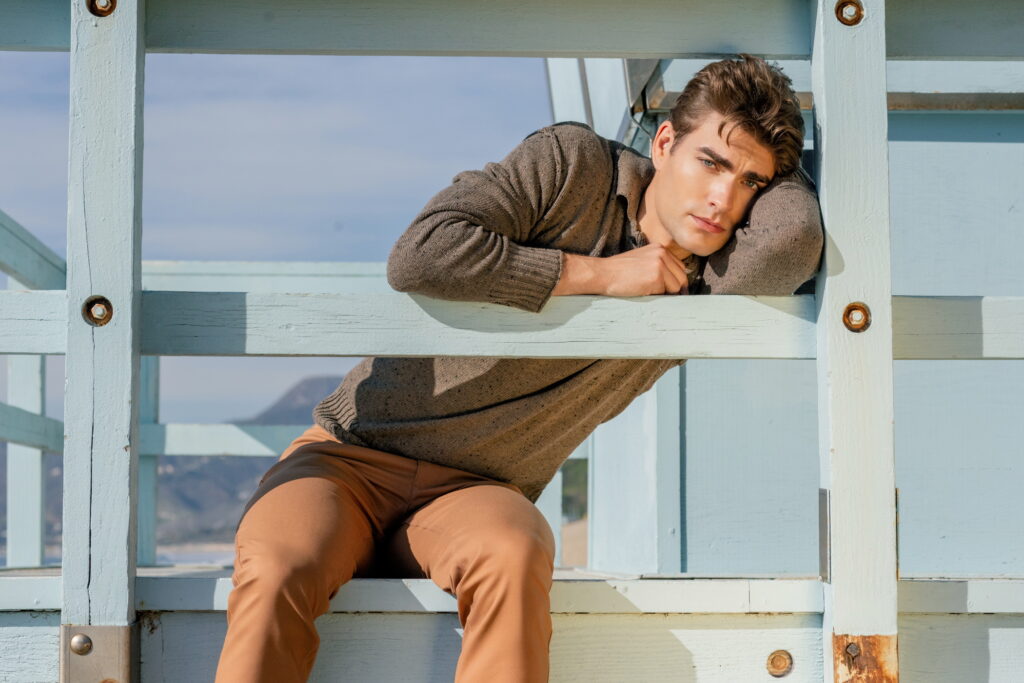
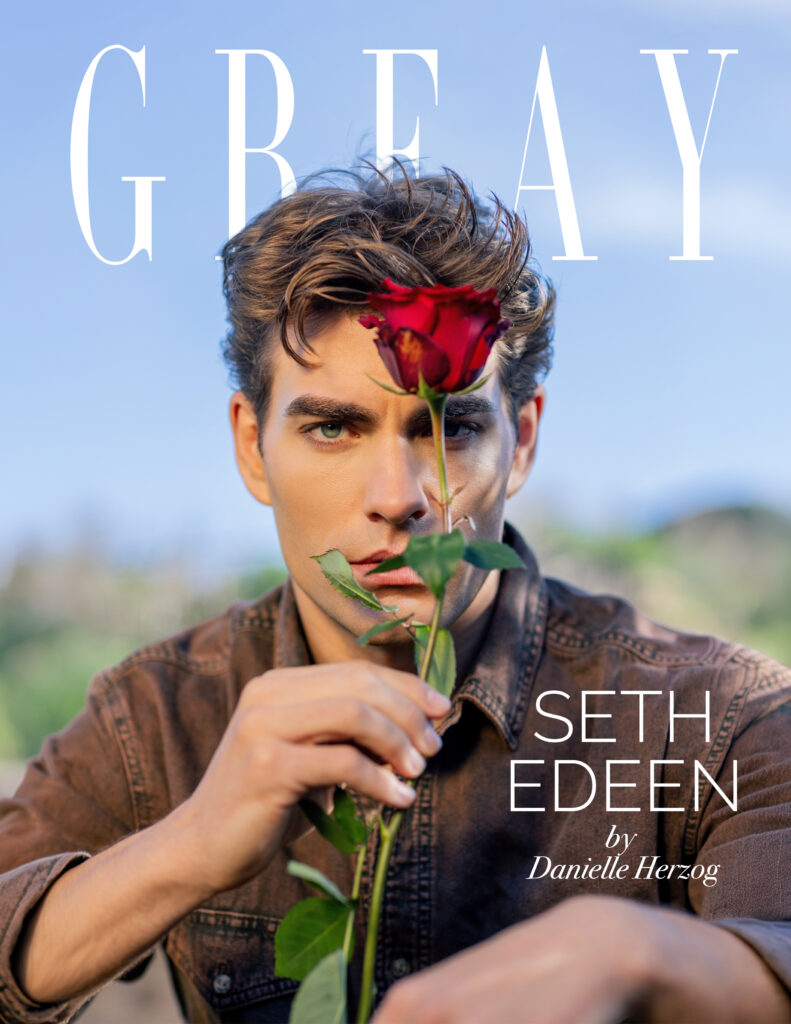
Vertical dramas don’t allow indulgence. There’s little room for atmosphere, subtext stretched thin over long scenes, or the luxury of slow reveals. The emotional beats are heightened, accelerated, often relentless. For Edeen, that compression has recalibrated his performance instincts. Preparation becomes non-negotiable. Once the cameras roll, thinking becomes a liability.
“You don’t have time to sit there and decide how you want to play the character,” he explains. “You have to trust your preparation—and be willing to pivot at a moment’s notice.”
Morales approaches that same pressure from a quieter place. Where Edeen talks about stakes and speed, Morales talks about grounding. Every role, regardless of format, begins with an internal inventory: what does he share with the character, and where does that shared truth live?
“If I can’t find that connection,” he says, “the performance won’t land.”

The paths differ, but the destination is the same. Both actors are negotiating what honesty looks like when the frame is small and the audience is close—when the phone screen becomes not just a delivery system, but an intimacy contract.
Many of Edeen’s characters occupy emotional gray areas: guarded men with authority, power, or secrets they carry like armor. In vertical storytelling, those archetypes move quickly, but their psychology still needs texture. That tension—between type and complexity—is what draws him in.
“These characters can seem cold or stoic on the surface,” he says, “but living with a secret or internal conflict gives them layers.”
Morales, too, finds himself repeatedly cast in moments of transition. Men becoming something, or leaving something behind. The roles, he says, tend to find him—filtered through a team that understands his strengths—but the common thread is transformation.

Vulnerability, for both actors, is not a performance choice. It’s a necessity. And it’s one they’ve had to actively reclaim.
Growing up, Morales says, vulnerability was framed as weakness. Strength was stoic. Emotion was restrained. Acting forced him to unlearn that equation.
“The more vulnerable you allow yourself to be,” he says now, “the more powerful the work becomes.”
Edeen echoes that sentiment differently, speaking less about permission and more about acceptance. Vertical dramas, he notes, thrive on emotional extremes. Not everything lands perfectly—and that’s the point.
“I’ve learned to embrace the highs and lows rather than be afraid of them,” he says. “Audiences love the imperfections and the rawness.”
If vulnerability is the emotional currency of the format, visibility is its economic reality. Vertical storytelling exists inside an algorithmic ecosystem, one that rewards speed, engagement, and repetition. Edeen is pragmatic about it. He understands that these shows compete not just with traditional film and television, but with social media itself.
“This type of media is competing more with your favorite TikToker,” he says. “If you don’t stay active, it’s easy to get forgotten.”
Morales doesn’t reject that reality—but he refuses to let it lead. His goals, he says, were set long before digital metrics became industry shorthand. Visibility matters, but it cannot dictate the work.
“Be so good they can’t ignore you,” he says. “What’s meant for you will find you.”
Both actors are keenly aware that they’re building careers outside traditional Hollywood timelines. There is freedom in that, but also ambiguity. Success becomes personal, rather than prescribed.
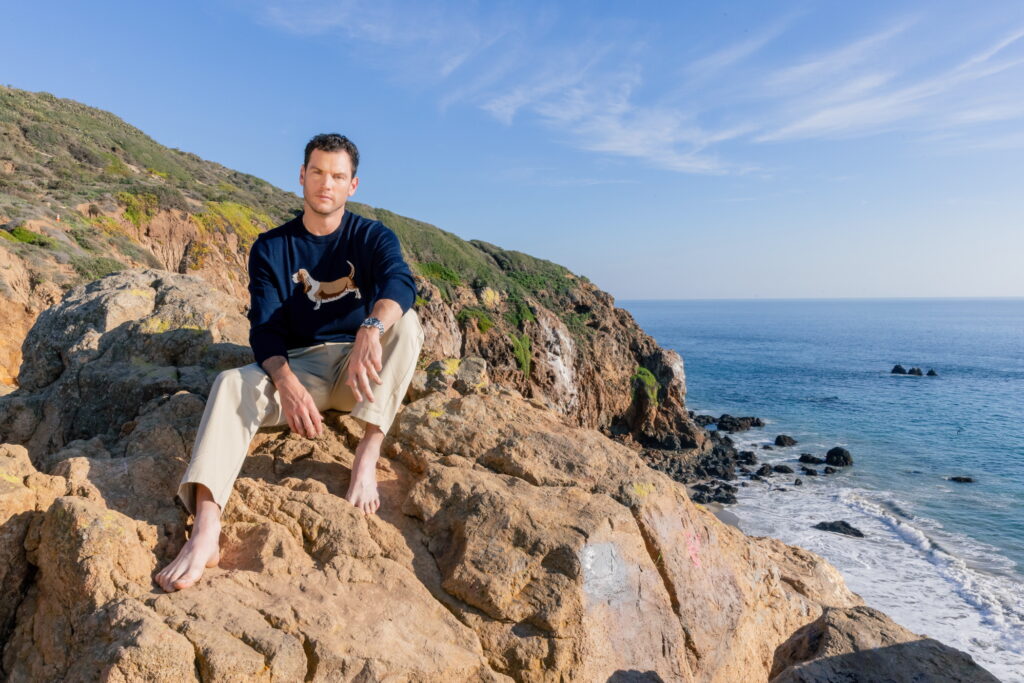
For Edeen, success is simple, almost humble: getting to act full time. Especially knowing that his first vertical project marked his first-ever theatrical role.
“I’ve come a long way,” he says. “And I’m still pushing.”
For Morales, success is measured in intention. In discernment. In choosing projects that align with who he is—on screen and off. Outside of acting, he stays grounded through sports, movement, and creative play. A reminder that the work is part of life, not the entirety of it.
When asked what they hope people recognize years from now, neither mentions fame, virality, or platforms. Both talk about growth.
Edeen hopes the progression is visible—an actor getting sharper, more grounded, more truthful with each role. Morales hopes the choices reflect courage and integrity, even when they were difficult or uncertain.
In a medium still defining itself, that through-line feels intentional. Vertical storytelling may be young, fast, and unfinished—but the question it poses to actors is an old one: how much of yourself are you willing to bring into the frame?
For Seth Edeen and Jesse Morales, the answer isn’t louder performances or cleaner edges. It’s trust. In preparation. In instinct. In vulnerability. And in the belief that truth—no matter how compressed—still reads.

Creative Direction DaMarko GianCarlo
Photography Danielle Herzog @danielleherzophoto
Grooming by Myrlen Monge @myrlenmonge
Wardrobe The Greay Firm
Produced By Kyree L. Frazier @firstsight.intl & Airport Famous Agency
Related Posts
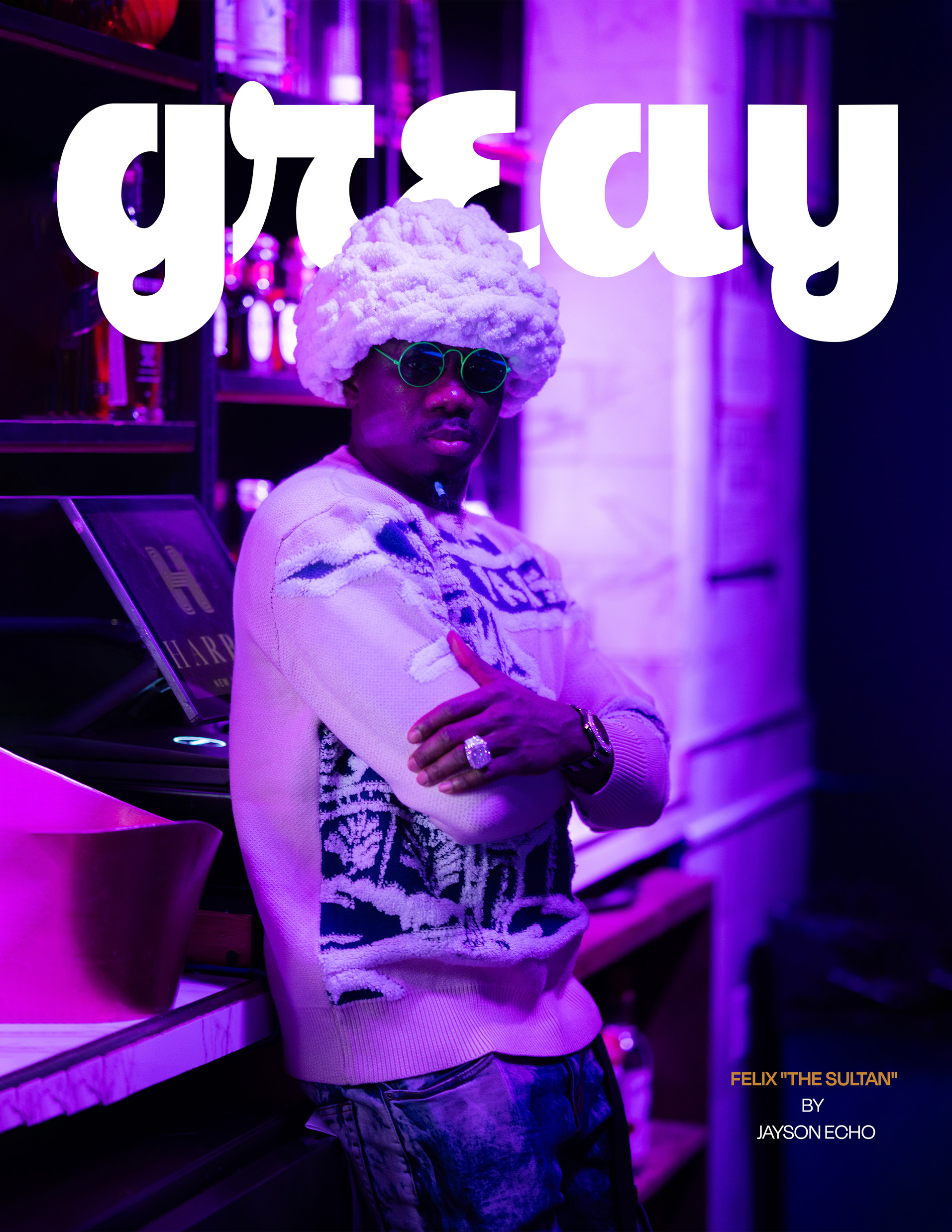
Felix “The Sultan” A Lion In The Urban Jungle
Felix "The Sultan" NYC Nightlife Royalty .

All American, All Heart: Michael Evans Behling’s Rise
Beyond the Game, Beyond the Screen
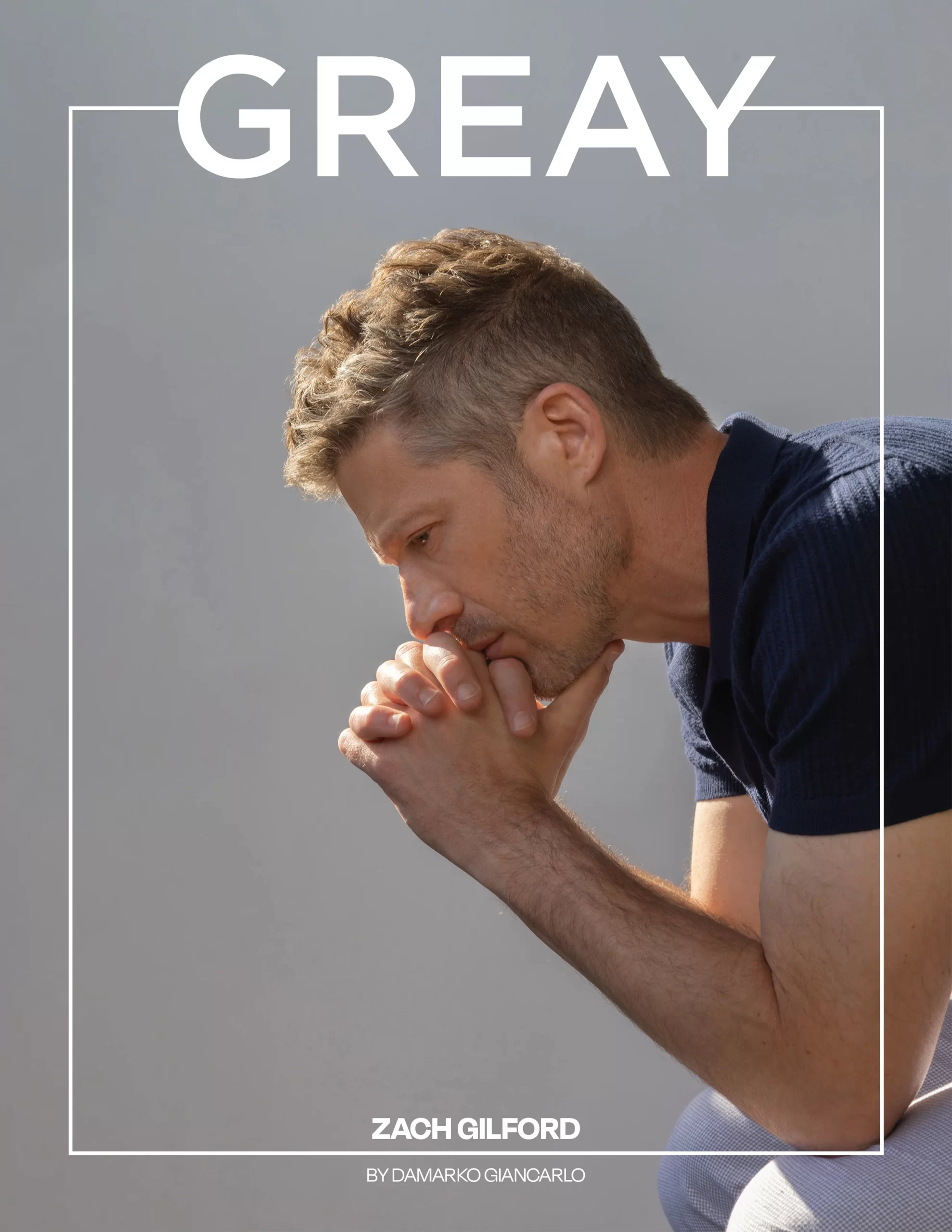
“Between Light and Shadow: The Versatility of Zach Gilford”
The Serial Actor

Lamar richardson Breaking standards in A broad way
Lamar Richardson 2x Tony Winner
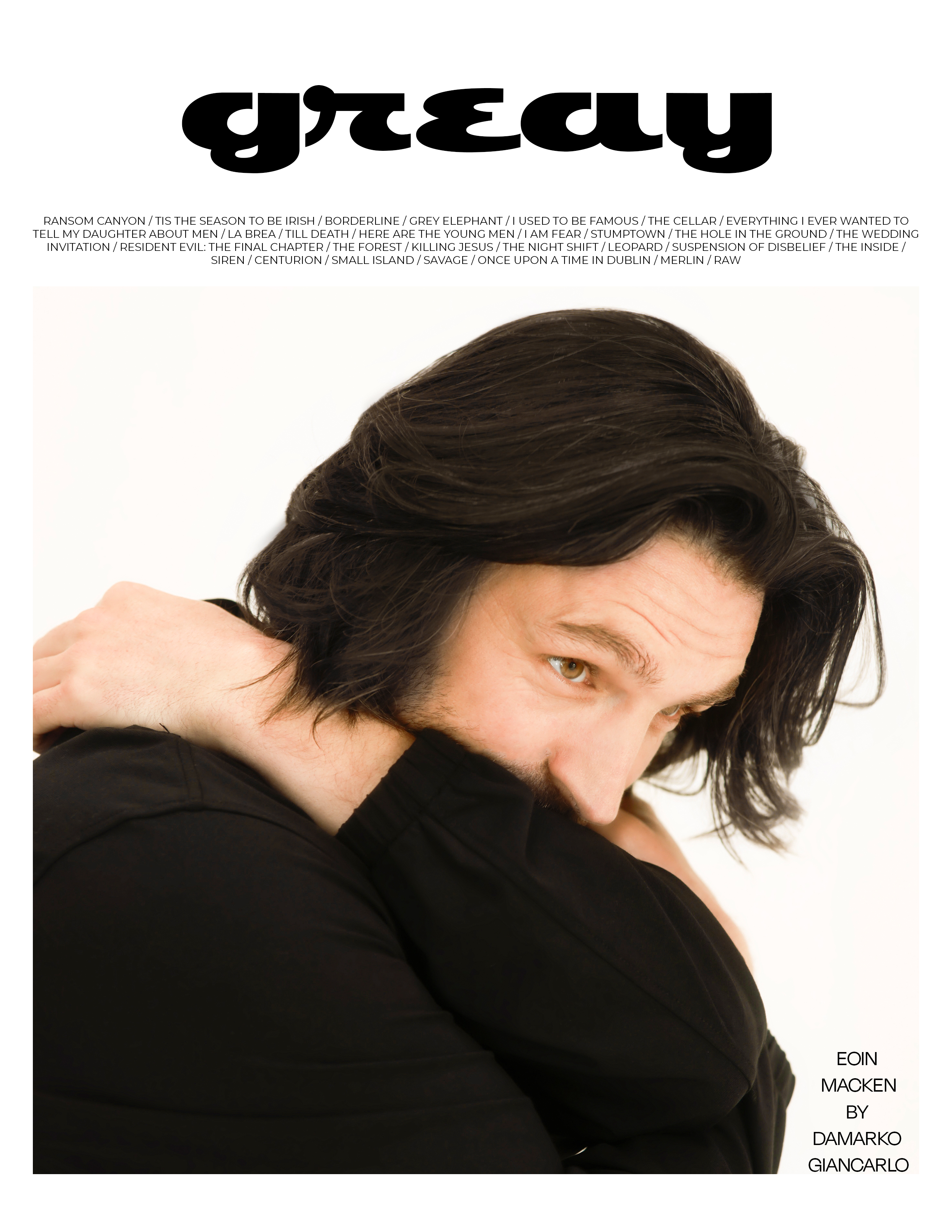
Breaking Ground in Ransom Canyon: Eoin Macken Rides Again
Rugged Roads & Raw Roles: Eoin Macken’s Creative Odyssey.

A Star Among Us: Inside the Creative Universe of Humberly González
No Limits, No Labels