

Ralph Lauren’s Gee’s Bend Collaboration Shows How Heritage Brands Can Expand Their Cultural World Without Reinventing Their Identity
By Romell Westbrook
Heritage brands are often told that remaining relevant requires reinvention. The assumption is that a company built around a recognizable visual language must eventually break from that language to reach a new generation. Logos are redesigned, creative directors are replaced, familiar products are disrupted and new cultural identities are constructed in pursuit of attention.
Ralph Lauren is demonstrating another path.
Its collaboration with the textile artists of Gee’s Bend does not ask the company to become something different. It expands the number of people, places and traditions that can exist inside the world Ralph Lauren has already spent nearly six decades building.
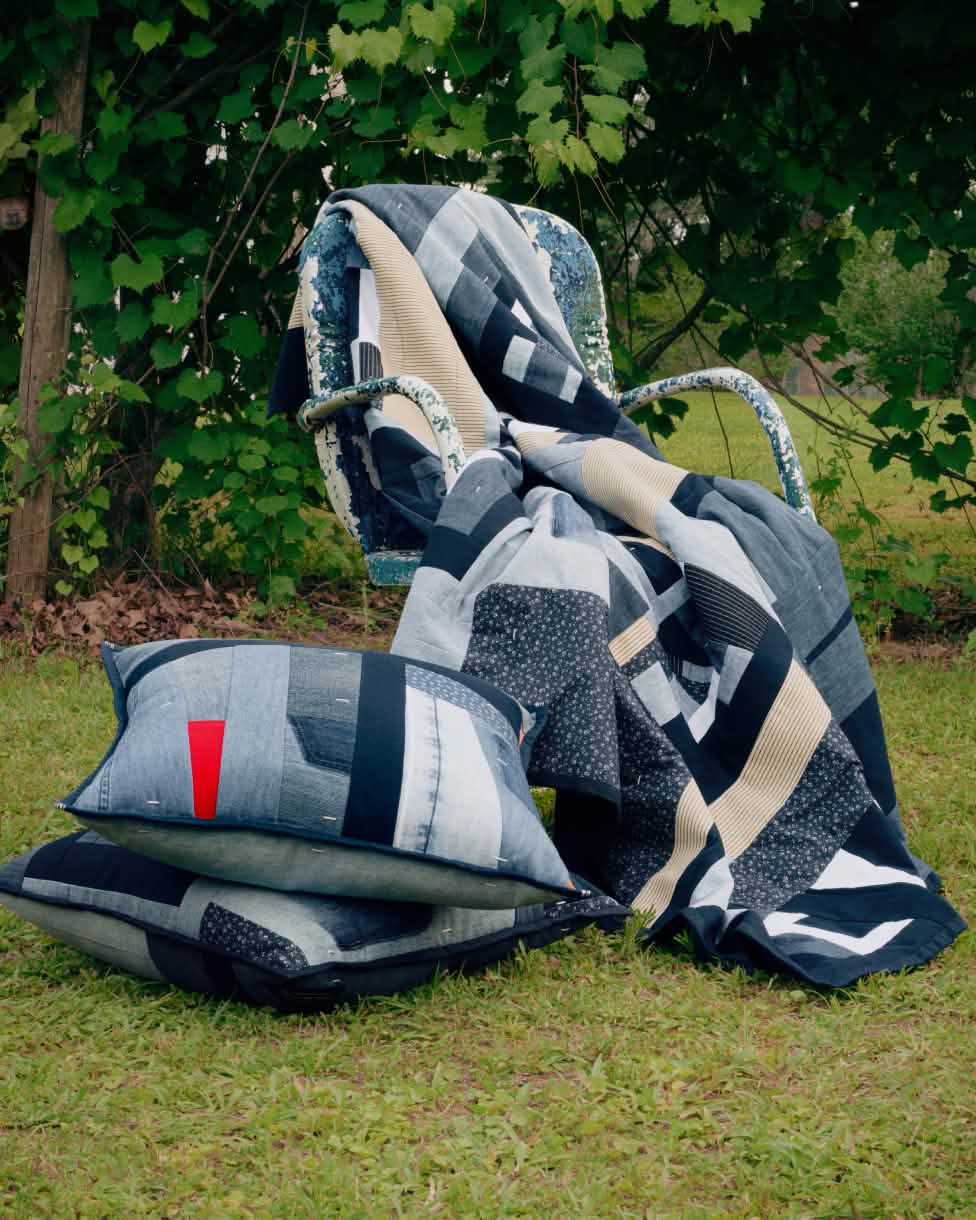
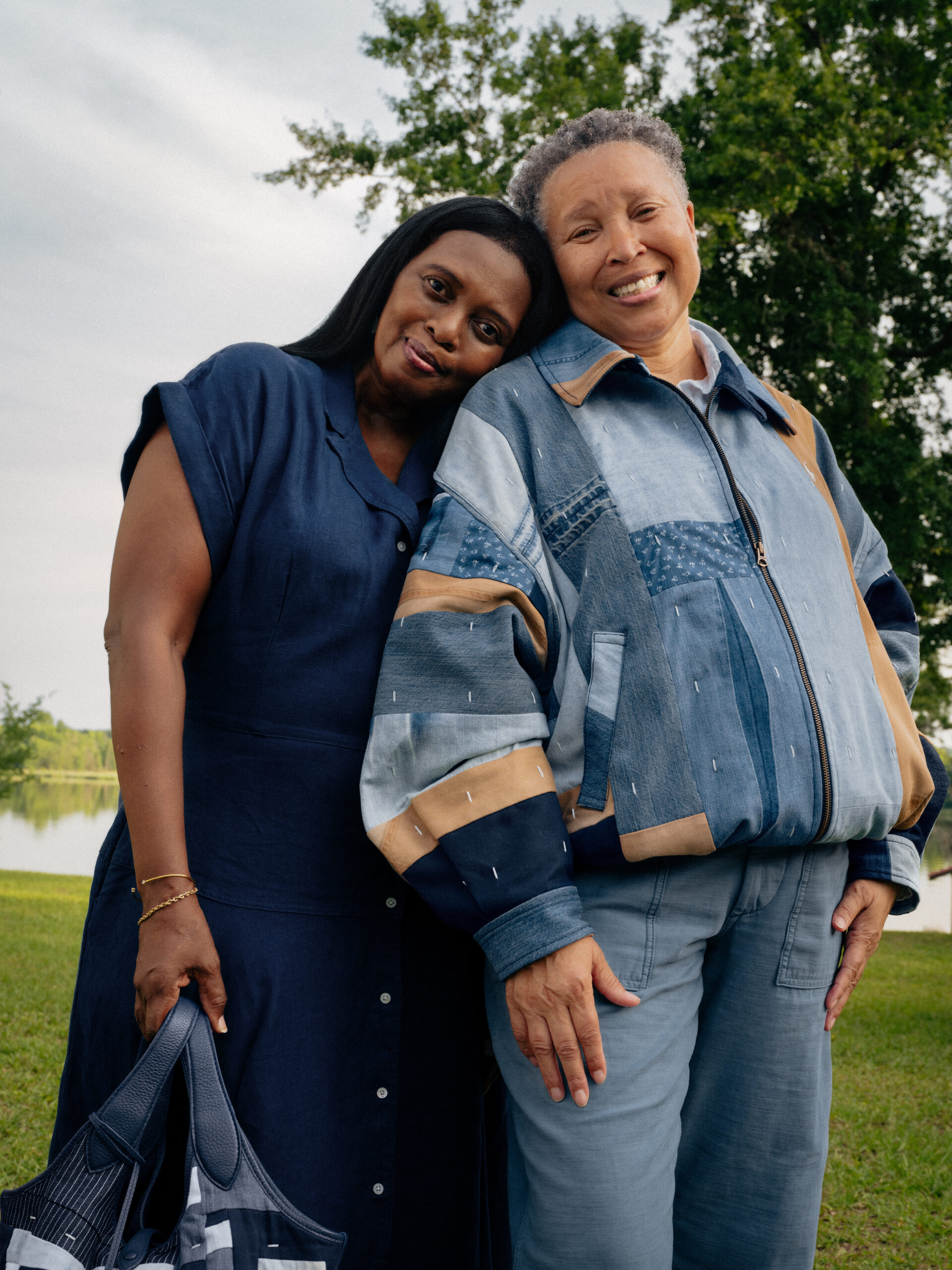
Created with fourth-generation textile artist Claudia Pettway Charley and fifth-generation textile artist Loretta Pettway Bennett, Ralph Lauren x Gee’s Bend is the fifth release from the company’s Artist in Residence program. The limited-edition collection translates two original quilts into apparel and home products, including hand-pieced jackets, bags, pillows, quilts and ceramics. Upcycled Ralph Lauren fabrics appear throughout the collection, with denim connecting the company’s established workwear vocabulary to the material traditions of Gee’s Bend.
The products feel immediately recognizable as Ralph Lauren. But the cultural authorship behind them expands what Ralph Lauren can mean.
That distinction is the play.
Ralph Lauren has never operated only as a clothing company. It builds complete cultural environments. Its collections have imagined American life through ranches, Ivy League campuses, country estates, coastal communities, equestrian traditions, military uniforms and generations of workwear. The clothes are important, but their value comes from the larger world surrounding them. Ralph Lauren does not simply sell a jacket. It gives that jacket a geography, a history and a way of life.
That ability to construct a coherent version of America has become one of the company’s greatest commercial advantages. It has also created a long-term challenge. If Ralph Lauren intends to remain an authority on American style, its interpretation of America cannot remain culturally fixed.
The company must expand without becoming unrecognizable.
Gee’s Bend offers a sophisticated answer. The community’s quilting tradition introduces Black Southern history, rural ingenuity and women-led generational knowledge into Ralph Lauren’s presentation of American heritage. None of those elements requires the company to abandon its existing identity. They deepen the identity by revealing another part of the country that has always existed but has not always been centered within the commercial language of American luxury.
The quilts of Gee’s Bend were born from utility. Generations of women used discarded clothing, worn denim and available pieces of fabric to construct functional objects for their homes. Through improvisational composition, color and geometry, that necessity developed into a distinctive artistic language now recognized by museums and cultural institutions as one of the most consequential traditions in American textile art.
That history fits naturally within Ralph Lauren’s world. Denim, utility, aging materials, domestic interiors and objects designed to last are already central to the company’s visual vocabulary. Ralph Lauren does not have to force Gee’s Bend into the brand. The connection already exists at the level of material, function and American history.
What changes is the authorship.
Fashion has traditionally absorbed cultural references into the identity of the designer. A textile, pattern or craft might inspire a collection, but the originating artist often remained somewhere behind the finished product. The fashion house received the attention because it possessed the manufacturing system, retail presence and global name capable of transforming inspiration into commerce.
Ralph Lauren’s Artist in Residence program reverses part of that relationship. The company still provides the global platform and commercial architecture, but the originating artists enter the process as named collaborators. Their identities are not separated from the objects being sold. Their personal techniques and stories become part of the product’s value.
Pettway Bennett’s red triangles, for example, are not presented as anonymous geometric decoration. They represent her sons. Pettway Charley’s intuitive use of color is not treated as a generic version of the Gee’s Bend aesthetic. It is identified as her individual creative language.
That specificity gives the collection something a conventional fashion collaboration cannot easily manufacture: cultural legitimacy with a visible human source.
It also reflects a broader evolution within Ralph Lauren. The Artist in Residence program began in 2023 with Diné textile artist Naiomi Glasses and continued through collaborations with Zefren-M, Naiomi and Tyler Glasses, and TÓPA founders Jocy and Trae Little Sky. Those projects created a more direct relationship between Ralph Lauren’s longstanding interpretation of the American West and the Indigenous artists whose cultural traditions helped shape the visual language associated with it.
Gee’s Bend takes the program into new territory. The company is no longer using Artist in Residence only to deepen its understanding of the West. It is applying the same collaborative system to a different American geography and artistic history.
That makes this fifth installment especially important. It suggests Artist in Residence is becoming more than a sequence of individual capsules. It is developing into a repeatable method through which Ralph Lauren can broaden its cultural world over time.
Most fashion collaborations operate as temporary exchanges of visibility. Two recognizable names are placed together, their audiences overlap for a season and a limited product generates urgency. Once the inventory disappears, the partnership has largely completed its function.
Ralph Lauren is using collaboration differently. The participating artists change, but the underlying program remains. That continuity allows each collection to contribute to a larger repositioning of the company. Ralph Lauren can introduce new cultural perspectives without making every collaboration feel like a sudden change in direction.
Commercially, the model is efficient. The limited availability and hand-finished construction support premium pricing. The artists’ histories give the products provenance. The use of upcycled Ralph Lauren materials connects cultural storytelling with resourcefulness. The collection moves across fashion and home, allowing one creative partnership to strengthen multiple parts of the company’s lifestyle business.
Most importantly, the collaboration creates newness without requiring Ralph Lauren to chase a temporary aesthetic trend.
That is one of the most difficult challenges facing established fashion companies. A heritage brand must continue generating cultural interest, but every attempt at reinvention risks weakening the consistency that made the brand valuable. Move too slowly and the company begins to feel preserved in time. Move too aggressively and it can lose the visual authority accumulated across generations.
Ralph Lauren is treating its identity as an expandable world rather than a fixed archive.
The company is not discarding the ranch coat, the denim jacket, the leather bag or the American home. It is reconsidering whose experiences and creative traditions can give those familiar objects meaning. The silhouette can remain recognizable while its cultural perspective becomes broader.
That may be the most transferable lesson for other heritage brands. Modernization does not always require rejecting the past. It can mean returning to that past with a more complete understanding of who helped create it.
There are still questions surrounding the economics of cultural collaboration. Ralph Lauren confirms that its Artist in Residence partnerships are mutually beneficial and that the participating artists are compensated, but the specific structure of that compensation has not been publicly disclosed. Five percent of the purchase price from the Gee’s Bend collection will support the Equal Justice Initiative’s hunger-relief programming for low-income Alabama families.
Those details matter because cultural credit and economic participation are not interchangeable. But they do not erase the strategic development visible in the program. Ralph Lauren has recognized that a brand cannot credibly present an expansive vision of America while keeping the people who created its cultural traditions outside the design process.
The company is responding by opening its established world to additional authors.
Gee’s Bend does not pull Ralph Lauren away from its identity. It demonstrates how much more cultural territory that identity can hold. Black Southern artistry does not appear as a seasonal interruption to Ralph Lauren’s American story. It becomes another expression of the heritage, craftsmanship, utility and generational continuity the company has always claimed to value.
That is why the collaboration matters beyond the ten products in the collection. Ralph Lauren is building a system for cultural expansion that does not depend on brand reinvention. It can remain visually consistent while becoming more complete.
For heritage fashion, that may be the more durable form of relevance. A brand does not always need to construct an entirely new world. Sometimes it needs to recognize who was missing from the world it already created.
Related Posts

Reimagining Travel: How CASETiFY Is Shaking Up the Luggage Scene
CASETiFY Expands Into Travel.
Russell Westbrook Did the Extraordinary Until Basketball Started Calling It Ordinary
The Evidence of an Extraordinary Career

First Teaser Released for ‘Captain America: Brave New World’ Starring anthony mackie
From Falcon to Captain
Percy Jackson Season 2 Teaser Promises Stormy Seas, New Monsters, and Familiar Faces
Demigods, Danger, and Destiny

Born Again, Uncontrolled: Inside the Radical World of Maggie Gyllenhaal’s THE BRIDE!
A Monster Falls in Love
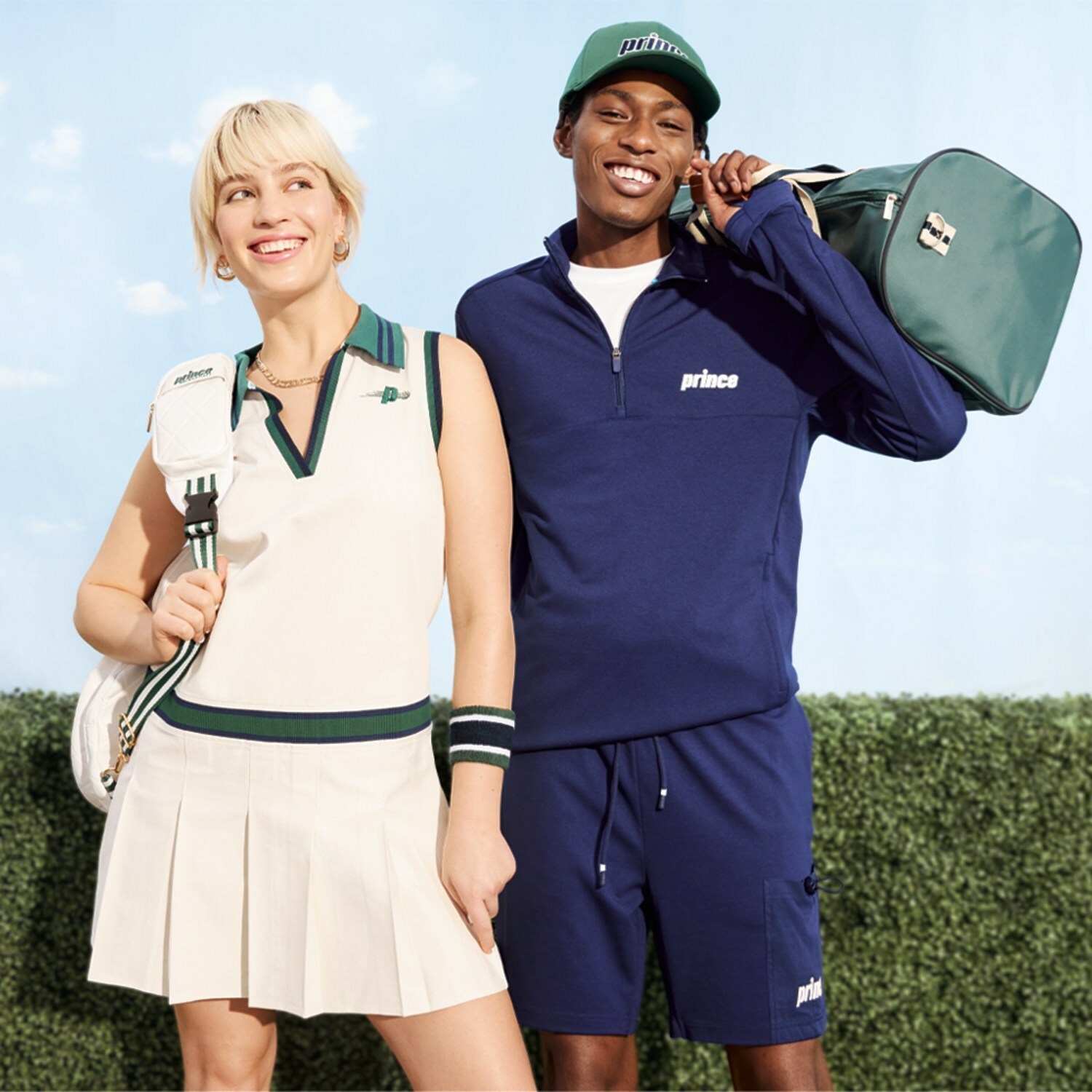
Target Serves Up Exclusive Pickleball Collection with Popular Tennis Brand Prince
Target Corporation has introduced an exclusive pickleball collection