

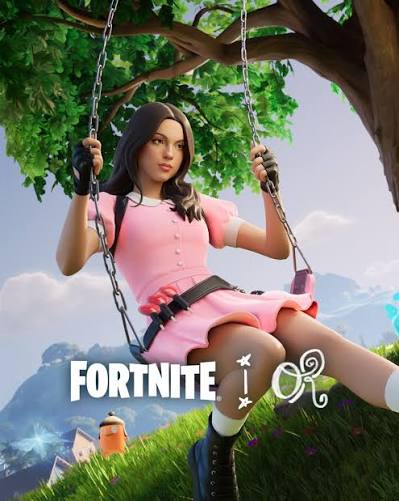
Olivia Rodrigo Shows Fortnite No Longer Needs a Concert to Matter
By DaMarko GianCarlo
Every platform reaches a moment when it stops being an experiment.
For Fortnite, that moment arrived in 2020 when Travis Scott transformed a virtual stage into one of the most talked-about performances in modern entertainment. The event challenged long-held assumptions about where music could exist, proving that millions of people were willing to experience a concert inside a video game. Fortnite was no longer just competing with other games. It had entered the conversation alongside the entertainment industry itself.
That was the breakthrough.
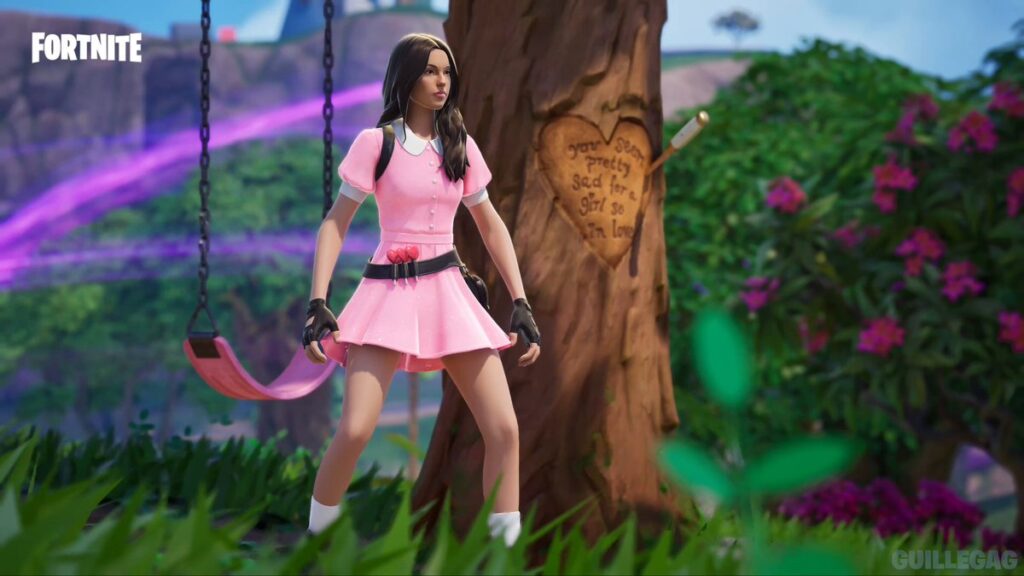
Olivia Rodrigo’s arrival reveals what comes after one.
The importance of her collaboration isn’t that another global artist has joined Fortnite. It is that Fortnite no longer needs a defining concert to justify why artists belong there. The platform has already earned that trust.
That is how institutions are built.
Every emerging platform begins by asking audiences to believe in a new idea. The earliest successes are often ambitious, highly visible, and impossible to ignore because they have to overcome skepticism. Their purpose extends beyond attracting attention. They establish legitimacy.
Once legitimacy exists, the platform changes.
The extraordinary gradually becomes expected. Spectacle gives way to consistency. The platform no longer depends on singular moments because people have already accepted its place in their daily lives.
Fortnite has quietly reached that stage.
Instead of relying on another headline-making concert, music now lives throughout the platform. Artists appear through Icon Series collections, Festival mode, Jam Tracks, cosmetics, and experiences that players encounter as part of everyday gameplay. Music is no longer arriving as a special event. It has become part of the environment itself.
That evolution says something important about entertainment.
The most successful platforms eventually disappear into habit. We rarely stop to consider whether films belong on streaming services or whether athletes should announce major decisions on social media. Those questions disappeared once audiences incorporated those platforms into everyday life. The technology became infrastructure.
Fortnite is following the same path.
Travis Scott invited audiences into Fortnite for a historic moment.
Olivia Rodrigo’s collaboration assumes they never left.
That shift is subtle, but it represents one of the clearest signs that the platform has matured. Artists are no longer entering Fortnite to prove that gaming can support music. They are entering because the audience is already there, waiting. The platform has become another essential layer of the modern entertainment ecosystem, existing alongside streaming, touring, social media, and live performance rather than competing with them.
It also reflects how fandom itself has evolved.
Listening to an artist is no longer the only expression of connection. Fans increasingly expect to encounter the people they admire across multiple digital environments. They stream the music, share it online, attend concerts, collect merchandise, wear digital cosmetics, and participate in experiences that extend far beyond the original release. Entertainment has become less about visiting a destination and more about inhabiting an ecosystem.
Olivia Rodrigo’s Fortnite debut doesn’t announce a new possibility.
It confirms an established reality.
The platform no longer has to persuade artists that music belongs inside a game. Nor does it have to persuade audiences to follow them there. Both have already made that decision.
Travis Scott proved Fortnite could host a concert.
Olivia Rodrigo demonstrates something even more significant.
Fortnite no longer needs one.
The clearest sign that a platform has matured is not that it continues producing extraordinary moments. It is that extraordinary moments become ordinary. Fortnite is no longer asking the music industry to imagine what it could become.
The music industry is already building inside it.
Related Posts

ROKFORM Unveils Pro Ball Motorcycle Mount: Premium Quality, Secure Hold, and Infinite Adjustability
ROKFORM, a leading innovator in premium handheld solutions for active
TikTok Expands Audio Sharing: New ‘Share to TikTok’ Feature Brings Music, Podcasts, and Audiobooks to the Platform
TikTok’s New Feature Lets You Share Music From Spotify and Apple Mus

IBM Unveils Latest Quantum Processor and IBM Quantum System Two, Expands Plan to Propel the Quantum Utility Era Forward
IBM Quantum Heron marks the inception of a groundbreaking series of ut

Hisense Unveils CanvasTV™, Merging Art and Premium Entertainment
Hisense CANVASTV, a new blend of art and technology.
Pro Volleyball Federation Expands National TV Coverage with FS1 and FS2
Pro Volleyball Federation Expands TV Coverage to FS1 and FS2

Celine and Master & Dynamic Unveil Opulent Headphones, Elevating the Auditory Experience
Celine and Master & Dynamic collaborate