

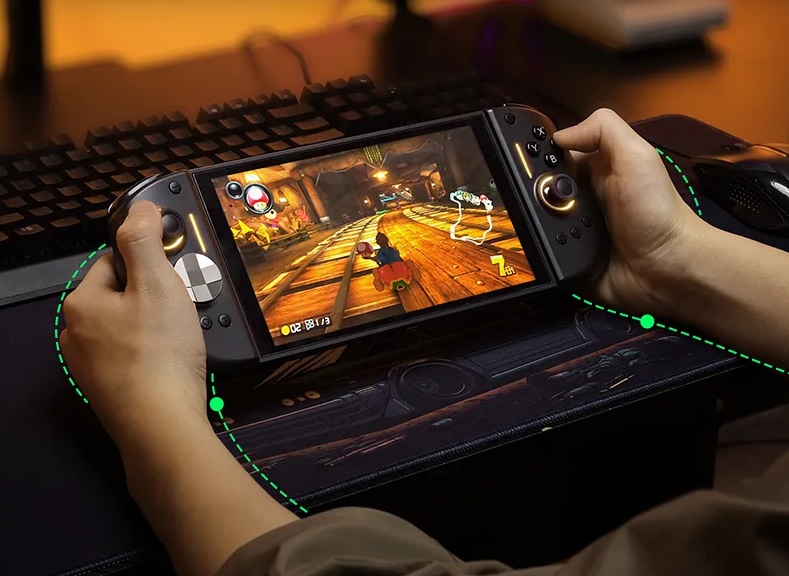
NYXI Hyperion 3 Elevates the Handheld Experience
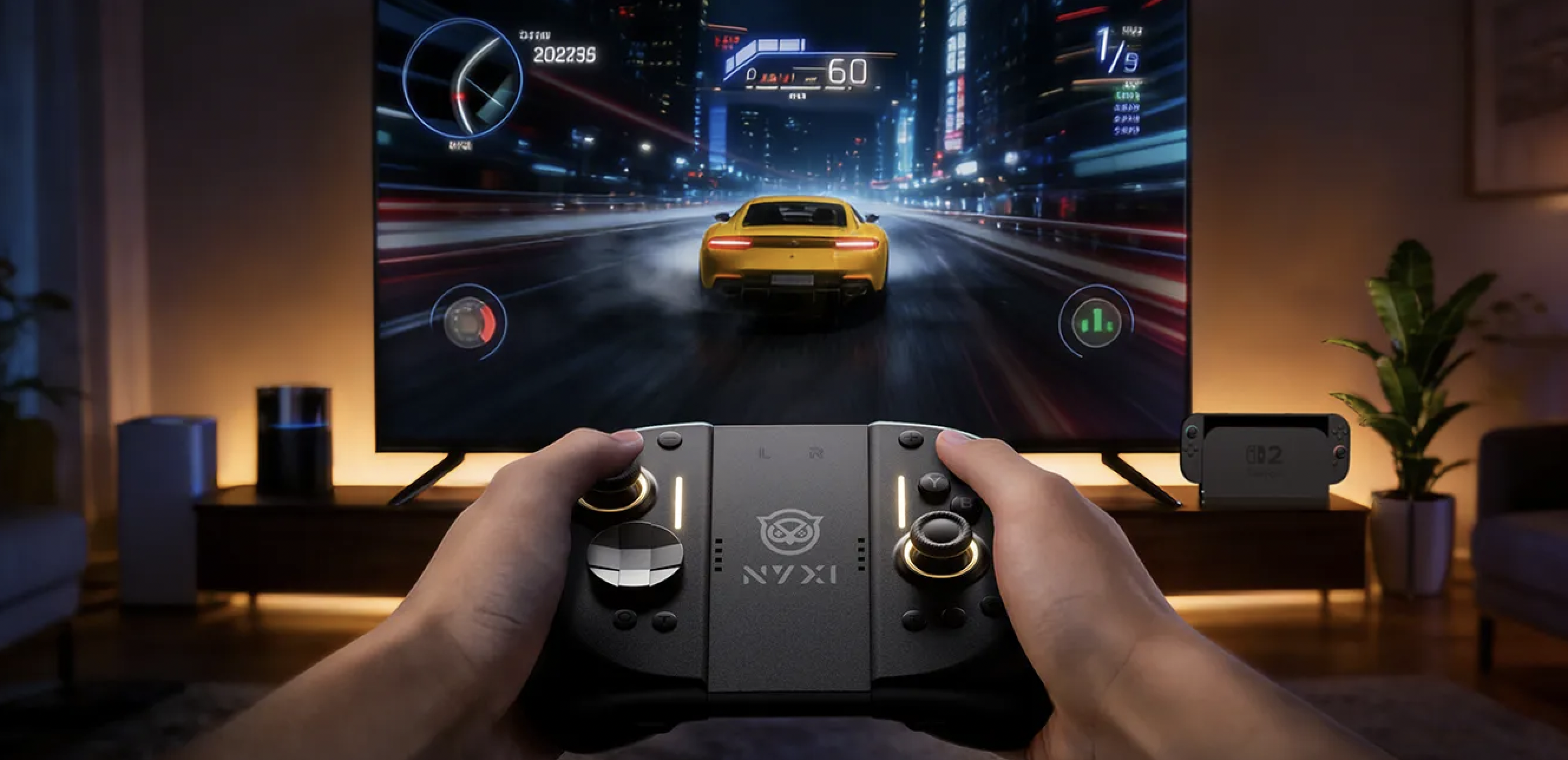
By Brian k. Neal
For the most part, Nintendo hit it out of the park design-wise with the Nintendo Switch 2. Chief among the upgrades is the beefier display, which finally allowed the hybrid console to ship with the much-anticipated Joy-Con 2. Larger overall, with increased button sizing and wider analog sticks, the new controllers are a clear improvement over the originals. The continued absence of analog triggers will remain a point of debate—either a deliberate design choice or a missed opportunity—while the new mouse-style controls are an undeniable win, enabling PC-like gameplay experiences that players have enjoyed for decades.
The general consensus is that Joy-Con 2 get the job done efficiently, but they aren’t without caveats. In extended handheld sessions, hand fatigue still creeps in due to lingering ergonomic shortcomings. Despite their increased size, the controllers remain largely flat, lacking the curvature needed to naturally contour to the hand. There’s also the continued omission of a proper d-pad on the left Joy-Con—an ironic absence given that Nintendo pioneered the input method. On the original Switch, I ultimately abandoned Joy-Con altogether in favor of the Hori Split Pad Pro, sacrificing features like rumble for vastly improved ergonomics and a more Pro Controller-like feel. With the launch of Switch 2, however, there were no true alternatives—until now.
Enter the NYXI Hyperion 3, the first officially supported third-party joypad designed specifically for Switch 2. From the outset, the Hyperion 3 is built with ergonomics at its core. Its contoured grips, thoughtfully spaced button layout, and textured rear surface provide a snug, secure hold that remains comfortable during both long play sessions and high-intensity competitive gaming. Hall-effect joysticks eliminate physical drift issues entirely, while micro-switch buttons—including a proper d-pad and tactile A/B/X/Y inputs. The controller supports both handheld and Pro Controller modes, features dual-stage analog triggers, a 9-axis gyro, adjustable turbo and rumble functions, programmable back buttons, and deep software customization for button mapping, joystick curves, and trigger dead zones. Wireless Bluetooth connectivity and fast USB-C charging minimizes downtime. High-quality vibration motors round out the experience with precise, timely haptic feedback. The lone drawback is the absence of an optical sensor, meaning mouse-style controls—one of Joy-Con 2’s standout features—are not supported.
The Hyperion 3 doesn’t come cheap, carrying an MSRP of $169.99, though we were able to purchase our unit at a promotional price of $126.99. Even so, the cost may give some pause. That said, the leap in comfort, extensive customization options, and expanded feature set make it an easy recommendation—especially for players who primarily enjoy the Switch 2 in handheld mode. For handheld enthusiasts in particular, the Hyperion 3 feels less like an accessory and more like a long-overdue solution.
Related Posts

Dyson Unveils OnTrac: Its First-Ever Audio-Only Headphones
Dyson Announces OnTrac, Its Debut Audio-Only Headphones.
The Smartphone Became the World’s Camera Leica Moved In
Photography Didn’t End. It Changed Platforms.

Proton Drive’s Encrypted Cloud Storage Service Launches on Mac and Expands to All Major Platforms
By Rudy Daniels Swiss privacy-centric company Proton has introduced it

Plan Like a Pro: Apple Maps Adds MICHELIN Stars, Hotel Bookings, and Golf Digest Rankings
Apple Maps Just Got Smarter

Roku Debuts NBA FAST Channel and NBA Zone
Roku is poised to enhance its TV home screens