

Not Every Blockbuster Is Meant for Theaters Anymore
By Kyra Greene
For decades, the blockbuster had a destination.
The movie theater.
Not because every film required a giant screen, but because Hollywood once measured cultural importance through public gathering. Packed auditoriums. Friday night premieres. Sold-out opening weekends. The blockbuster was designed to occupy physical space in the culture. Its scale was validated by visibility.
A movie became important because everyone knew it was happening at the same time.
That definition is beginning to change.
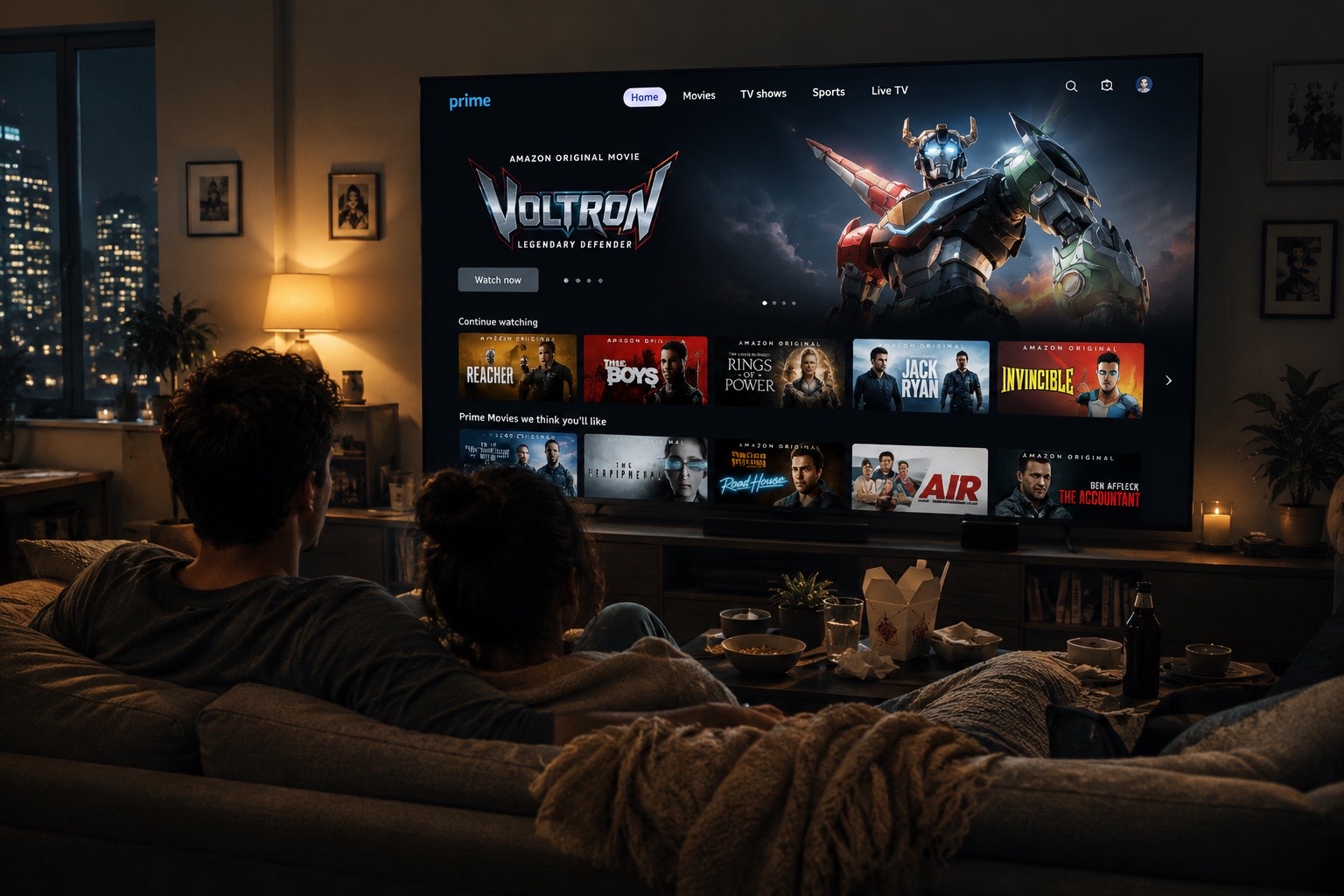
The recent decision for the live-action Voltron film starring Henry Cavill to move directly to Prime Video instead of theaters is not simply a distribution update. It is a signal that Hollywood is quietly reclassifying what certain blockbuster films are actually for.
A few years ago, recognizable sci-fi intellectual property attached to a globally known actor would almost automatically be positioned as theatrical spectacle. That was the old equation. Franchise recognition plus star power plus visual effects meant nationwide rollout.
Now platforms are asking a different question entirely.
Not:
“How many tickets can this sell?”
But:
“Where is this asset most valuable?”
That subtle shift changes the meaning of the blockbuster itself.
Streaming platforms no longer view films strictly as standalone entertainment products. Increasingly, movies function as infrastructure inside larger ecosystems. A blockbuster is no longer just a film. It becomes subscriber retention. Platform identity. Engagement hours. Interface traffic. Brand reinforcement. Ecosystem stability.
The audience may still emotionally evaluate a blockbuster through theatrical standards, but corporations increasingly evaluate it through platform economics.
That tension is quietly reshaping entertainment culture.
This does not mean theaters are disappearing. In many ways, theaters are becoming more important precisely because they are becoming more selective. Cinema is slowly evolving into premium cultural real estate reserved for films capable of justifying mass public assembly.
Theaters now disproportionately reward:
- global franchise certainty
- communal spectacle
- cultural urgency
- once-a-generation event positioning
The theatrical experience itself has become part of the luxury.
Everything else enters a different category. Valuable enough to finance. Valuable enough to market. But ultimately more useful inside a private ecosystem than in the open competition of theatrical release.
That is why modern streaming blockbusters often feel strangely difficult to measure culturally. Under the old system, success was public. Box office numbers were visible. Crowded auditoriums became proof of momentum. Even people who never watched the movie still absorbed its existence through posters, conversations, and public attention.
Streaming success is quieter.
A film can dominate internally while appearing almost invisible externally. Because the real metric is no longer collective visibility. It is ecosystem performance.
Did subscribers stay?
Did churn decrease?
Did audiences continue scrolling afterward?
Did the release strengthen platform loyalty?
Those are infrastructure questions, not theatrical ones.
And audiences are still emotionally adjusting to that reality.
For generations, blockbuster cinema represented shared public ritual. Going to the movies was not simply about watching content. It was about temporarily entering the same cultural room together.
Streaming reorganizes that geography entirely.
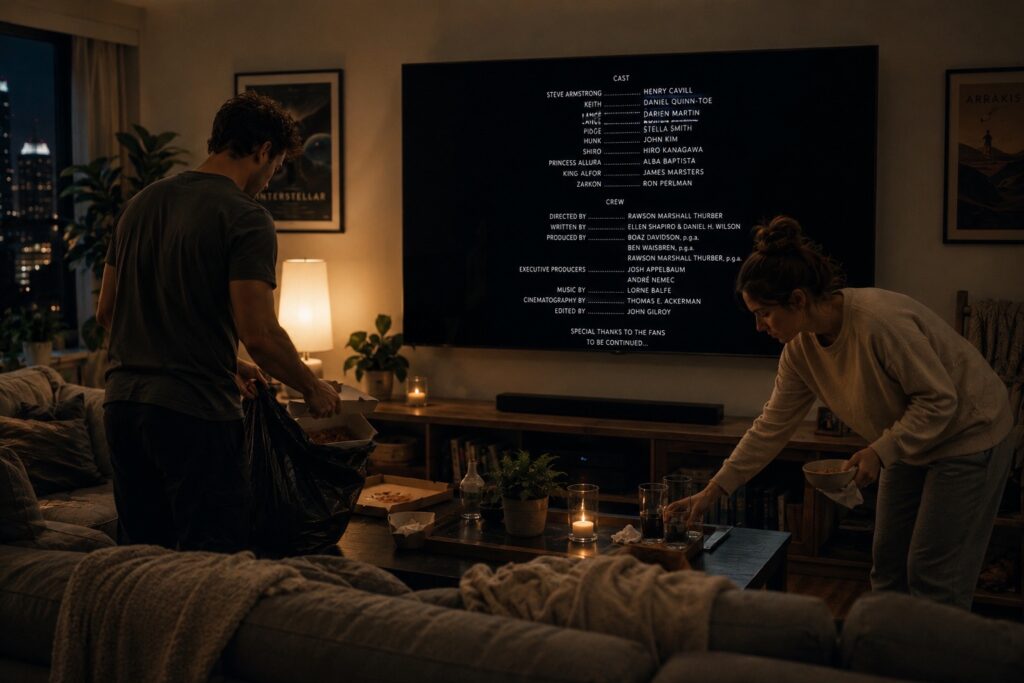
Now the blockbuster increasingly unfolds inside apartments, bedrooms, living rooms, and private domestic environments. A couple ordering takeout and watching a giant Prime Video homepage on a Saturday night is not a lesser version of the blockbuster experience. For millions of people, it is now the blockbuster experience itself.
The ritual did not disappear.
It relocated.
That is the shift Hollywood is truly responding to. Not the death of spectacle, but the migration of spectacle into private ecosystems designed to keep audiences inside continuously connected platforms.
The modern blockbuster is splitting into two categories:
- films designed to dominate public space
- films designed to strengthen private ecosystems
And increasingly, those are not the same thing anymore.
Hollywood is no longer simply deciding which movies deserve theatrical release. It is deciding where entertainment creates the most long-term ecosystem value once audiences arrive.
The blockbuster still exists.
But not every blockbuster is meant for theaters anymore.
Related Posts

Unveiling “Indiana Jones and The Great Circle”: A Legendary Adventure by MachineGames
Indiana Jones and The Great Circle

Hailey Bieber and Gap Show That the Next Generation of Brand Partnerships Is Built on Creative Credibility
How brands are redefining the value of collaboration

HERBALIFE AND LA GALAXY UNVEIL 2024 JERSEY
Herbalife and the LA Galaxy unveil the club's latest jersey
The Jellicle Ball Was Never the Metaphor — It Was the System
Visibility and Judgment, Collapsing Into One Moment

Marvel Unveils First Trailer for New Animated Series Your Friendly Neighborhood Spider-Man
Your Friendly Neighborhood Spider-Man. Set to premiere on Disney+ on J

Yahya Abdul-Mateen II to Lead Man on Fire Adaptation for Netflix
Yahya Abdul-Mateen ll to Lead Man on Fire Adaptation for Netflix